Basement Guest Suite Ideas With Egress Windows and Cozy Lighting
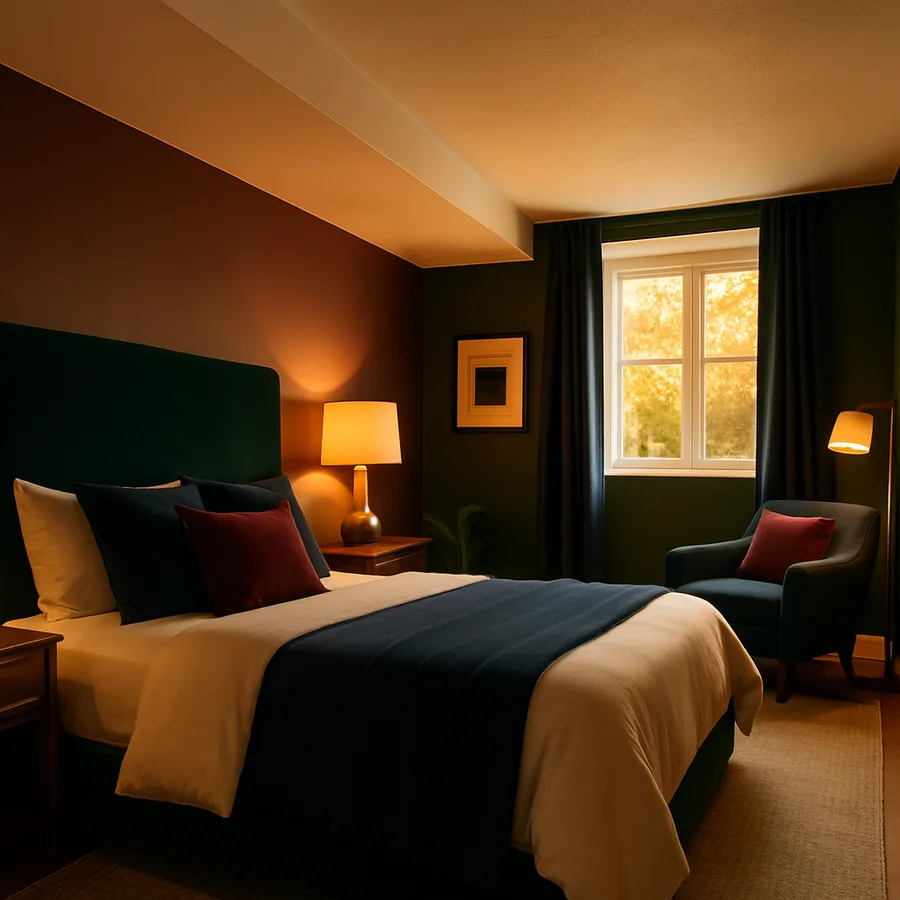
A basement guest suite can become the most treasured room in the house when it is planned around two non-negotiables: code-compliant egress windows and layered cozy lighting. Together, these elements transform a utilitarian lower level into a retreat that feels safe, bright, and restful, even when the sun is not cooperating. According to the National Association of Home Builders (NAHB), finished basements can recover roughly 70 to 75 percent of their cost at resale, and guest-ready suites tend to command the top of that range because they expand functional sleeping square footage without enlarging the home's footprint. A well-designed suite answers a question every host eventually faces: how do you make overnight guests feel genuinely welcome below grade?
This guide walks through six focused planning moves that designers return to again and again, from window placement and lighting recipes to furniture scaling, acoustics, and finishing touches. Each section blends building-science basics with practical styling so your suite reads as intentional rather than improvised. Whether you are converting a raw basement, upgrading an older finished space, or simply refreshing a tired guest room, these ideas will help you sidestep the most common pitfalls while pushing the comfort factor higher than many above-grade bedrooms.
Start With Egress: The Window That Changes Everything
An egress window is more than a legal formality; it is the design anchor for a habitable sleeping room below grade. The International Residential Code (IRC), referenced by most jurisdictions, requires any basement bedroom to have at least one emergency escape opening with a minimum net clear opening of 5.7 square feet, a minimum opening width of 20 inches, and a minimum opening height of 24 inches, with the sill no higher than 44 inches above the floor. These numbers are not arbitrary. They are sized so a firefighter in full turnout gear can enter and a sleeping adult can exit quickly. Treat the egress as the first line on your floor plan, then let the rest of the room radiate out from it.
Because the window well typically extends well above grade, it is also the single best source of daylight in the suite. Aligning the head of the bed under the egress is a classic move that lets morning light fall diagonally across the pillows rather than glaring directly into a guest's eyes. If the well is deep, line it with light-colored composite panels or stacked-stone veneer and add a few potted ferns or ornamental grasses at the bottom to create a miniature courtyard view. You can visit the EPA's Indoor Air Quality resources for guidance on how operable egress windows also support healthier ventilation, a frequently overlooked benefit below grade.
Ask yourself this early in the process: if a guest needed to exit this room in the dark, could they reach the egress in three steps without tripping over anything? If the answer is no, the layout needs to change before the finishes do. Keep the path from the bed to the window unobstructed, and never block the well with a nightstand, bookcase, or large piece of luggage storage.
Layered Cozy Lighting That Erases the "Basement Feel"
Harsh overhead lighting is the fastest way to remind guests they are underground. A three-layer lighting plan, recommended by the Illuminating Engineering Society (IES), combines ambient, task, and accent fixtures on separate dimmers so the suite can shift from bright-and-functional at check-in to hushed-and-romantic at bedtime. Aim for a color temperature of 2700K to 3000K throughout the sleeping area; anything cooler will feel clinical in a windowless corner. The U.S. Department of Energy (DOE) notes that LED lamps at these warmer temperatures now reach color rendering indexes above 90, meaning skin tones and fabric colors read accurately without the blue cast older basement installs often had.
For ambient light, skip the single ceiling can and install a small chandelier or semi-flush fixture with a frosted shade, supplemented by 4-inch recessed LEDs on a separate circuit. Task lighting belongs on both sides of the bed in the form of matched plug-in sconces or slender table lamps with linen shades. Accent lighting is where the room earns its coziness: picture lights over framed art, a low-wattage LED strip tucked under a floating shelf, and a small lamp on the dresser that can be left on as a gentle nightlight. The ENERGY STAR program estimates that switching five high-use fixtures to certified LEDs saves roughly $75 per year on electricity, so layering up does not mean ballooning the utility bill.
Have you ever walked into a guest room and immediately felt watched by a ceiling fixture? That reaction almost always traces back to a single downlight mounted dead-center over the bed. Offset your primary fixture toward the foot of the bed or over a reading chair instead, and you will preserve the intimate, lamplit feeling that guests remember long after they have gone home.
Right-Sized Furniture for Tight Basement Geometry
Basement suites rarely enjoy the generous proportions of upstairs bedrooms. Low ceilings, support columns, and duct chases all conspire to shrink usable square footage, so every piece of furniture has to earn its place. Start with the bed: a queen with a low-profile platform frame (under 14 inches tall) will make an 8-foot ceiling feel noticeably taller than a pillowtop mattress on a tall box spring. Upholstered headboards no higher than 48 inches preserve the visual space between the top of the bed and the ceiling line, a trick interior designers certified by the American Society of Interior Designers (ASID) rely on in compact urban apartments as well.
Nightstands should be shallow (14 to 16 inches deep) with at least one drawer for guests who want to stash medications, chargers, or reading glasses out of sight. A narrow dresser or a wall-hung credenza provides drawer space without eating floor area, and a single upholstered reading chair tucked into a corner gives guests a place to sit that is not the bed. Resist the urge to add a loveseat or bench at the foot of the bed unless you have at least 30 inches of clearance beyond it; tight circulation paths are a constant complaint in survey data collected by the NAHB Remodelers council.
Moisture, Air Quality, and the Comfort Layer Underneath
No amount of styling survives a damp basement. Before a single piece of drywall goes up, confirm that the perimeter drainage, sump pump, and exterior grading are doing their jobs. The EPA recommends keeping basement relative humidity between 30 and 50 percent year-round to discourage mold and dust mites, which means most finished suites benefit from a dedicated dehumidifier with a condensate pump rather than relying on the whole-house HVAC alone. Look for an ENERGY STAR-certified unit sized to the suite's square footage and plan a discreet cabinet or closet location with a floor drain nearby.
Flooring choices matter more than guests realize. Engineered luxury vinyl plank (LVP) with an attached cork or foam backing delivers warmth underfoot, tolerates occasional moisture, and muffles the hollow echo that plagues many basements. Over a properly sealed concrete slab, add a 6-mil polyethylene vapor barrier and a thin foam underlayment where the manufacturer allows. For a softer feel at the bedside, layer a washable wool or wool-blend area rug that can be removed and cleaned if a leak ever develops. The Carpet and Rug Institute's Green Label Plus program is a useful shortcut for identifying low-VOC rugs and pads that will not off-gas in a semi-enclosed space.
Think about how the air in the room will actually circulate when the door is closed. A return-air grille or a door undercut of at least three-quarters of an inch keeps fresh air flowing, while a small, quiet bath fan tied to a humidistat in the adjoining bathroom prevents steam from migrating into the suite. These are the unglamorous details that separate a merely pretty guest room from one that feels consistently fresh on the fifth night of a long visit.
Quiet, Privacy, and the Sound of a Good Night's Sleep
Sound travels differently below grade. Footsteps overhead, the kick of a water heater, and HVAC rumble can all turn a beautifully designed suite into an insomnia factory. The American Society of Interior Designers (ASID) consistently cites acoustic comfort as one of the top drivers of perceived bedroom quality, and the fixes are surprisingly affordable. Start with the ceiling: add a layer of mineral wool batt insulation between the joists and hang the drywall on resilient channel or sound-isolation clips. This combination can improve the Sound Transmission Class (STC) rating of a typical joist assembly from roughly 35 to 50 or higher, a difference most people describe as "nearly silent."
Solid-core interior doors, weatherstripped perimeters, and an automatic door bottom address the flanking path that most homeowners forget. Heavy, lined drapes over the egress window do double duty as both blackout treatment and acoustic damping. Soft goods inside the room matter too: an area rug, upholstered headboard, and fabric-shaded lamps all absorb mid- and high-frequency sound that would otherwise bounce off hard surfaces. A small white-noise machine or a ceiling fan set to a gentle speed can mask residual mechanical hum without feeling like a hotel.
Would your guests be able to take a work call from this room without apologizing for background noise? That is the honest test of acoustic success. Spaces that pass it tend to feel calmer even when the house above is bustling, which is the entire promise of a well-designed guest suite.
Hospitality Details That Make Guests Want to Stay
Once the bones are right, the finishing touches are what guests remember. Stock the suite like a small boutique hotel: a luggage rack near the door, two sets of linens on the closet shelf, extra pillows in firm and soft fills, and a small tray on the dresser with a carafe of water, two glasses, and a pair of wrapped chocolates. A USB-A and USB-C charging outlet on each nightstand eliminates the universal guest scramble for a compatible plug. A slim writing desk with a task lamp turns the suite into a functional home office for longer stays, which has become increasingly common as remote work has reshaped visiting patterns.
Art and accessories should feel collected rather than matched. A grouping of black-and-white photographs, a pair of ceramic lamps, and one oversized piece of textile art can make a basement room feel as curated as any upstairs bedroom. Include a small bookshelf with a rotating selection of novels, regional guidebooks, and a house manual explaining Wi-Fi passwords, trash day, and the quirks of the coffee maker. The goal is to answer guests' practical questions before they have to ask them.
Finish with scent and sound: a lightly scented reed diffuser (cedar, fig, or bergamot work well below grade), a small Bluetooth speaker paired to a "guest" playlist, and fresh flowers or a living plant on the dresser. These are inexpensive touches that consistently rank high in guest-satisfaction surveys compiled by the American Hotel and Lodging Association (AHLA), and they translate directly from boutique hospitality into residential design.
Conclusion
A basement guest suite succeeds when the invisible decisions are as thoughtful as the visible ones. Egress planning keeps guests safe and floods the room with daylight; layered lighting, warm flooring, and acoustic detailing erase the underground feeling; and right-sized furniture plus hotel-caliber hospitality touches turn a lower-level bedroom into the room friends and family actually request. Every one of these moves is well within reach of a disciplined renovation budget, especially when you prioritize the structural and mechanical items first and treat decorative upgrades as a second phase.
Take stock of your current basement with a fresh eye: where is the natural light entering, where is the air stagnating, and where does sound bleed in from above? Addressing those three questions before you pick paint colors or shop for bedding will save you from expensive rework later. Partner with a licensed contractor for egress cutting and any electrical changes, and consider a consultation with a designer credentialed through ASID or the National Kitchen and Bath Association (NKBA) if your plan involves relocating plumbing for an ensuite bath.
Guest suites are ultimately about generosity: you are giving someone you care about a small, private world for a few nights. Designing that world with intention below grade is a powerful way to expand your home's usefulness without expanding its square footage. The payoff shows up in repeat visits, longer stays, and the quiet compliment of a guest who says they slept better in your basement than they did in their own bedroom.
Ready to start planning? Sketch your basement on graph paper this weekend, mark every window well, duct chase, and support column, and then lay tracing paper over the top to test two or three layouts before you commit. Share your plan with a qualified builder and an ASID-affiliated designer, and build the guest suite your home deserves.
More Articles You May Like



Comments
Post a Comment