Window Box Plant Combinations for Each Season Year Round
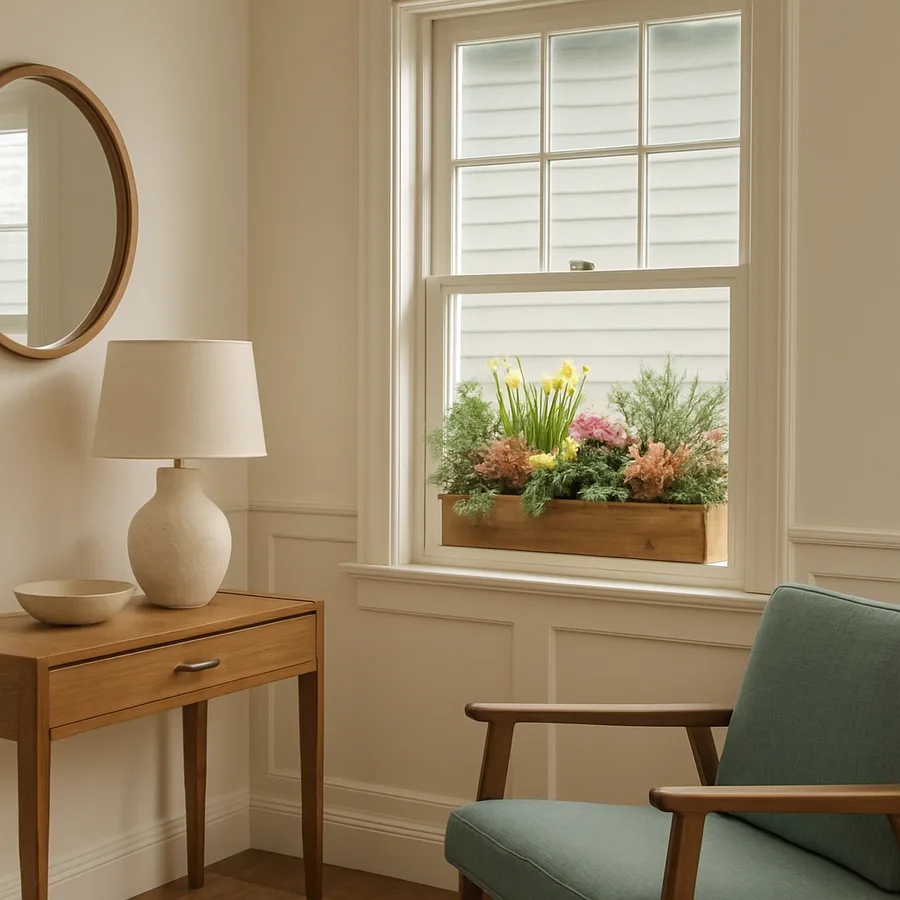
A window box is a tiny stage with a very public audience, and the plants you cast in each season decide whether passersby smile or scroll past. The good news is that you do not need a horticulture degree to keep a box looking polished from January to December. A simple framework, a handful of reliable performers, and a willingness to swap things out four times a year will carry you further than any expensive planter ever could. According to a National Gardening Association consumer survey, container gardening is one of the fastest-growing categories in residential horticulture, with more than 35 percent of U.S. households now growing something in pots, planters, or boxes. That growth has pushed nurseries to stock smaller, better-behaved varieties that thrive in the shallow soil and exposed conditions a window box presents.
This guide walks through the four classic transition windows plus two bonus categories most homeowners forget about. Each section pairs a thriller, a filler, and a spiller in the time-honored container design tradition popularized by the Royal Horticultural Society, but it also gives you permission to break that rule when the architecture of your home calls for something different. Have you ever stood in front of a garden center wondering whether your north-facing kitchen window can grow anything besides ivy? By the end of this article, you will have a confident answer for every exposure and every month.
Reading Your Window Box Before You Plant Anything
Every successful planting begins with an honest read of the site. The American Society of Landscape Architects teaches a simple four-question audit, and it works perfectly for a two-foot-wide planter. First, how many hours of direct sun does the box actually receive between 10 a.m. and 4 p.m.? Second, what is the prevailing wind direction, and does the box catch it or hide from it? Third, how reflected is the heat, particularly on south- and west-facing brick or stucco walls? Fourth, how easy is it for you, the human with the watering can, to actually reach the box without contortion?
Sun exposure shapes plant choice more than any other variable. A box that gets six or more hours of direct light is full sun, three to six is part sun, and anything under three is full shade. A box mounted on a south wall above dark masonry can run ten to fifteen degrees hotter than ambient air, which means even labeled sun-lovers may scorch by midsummer. North-facing boxes have the opposite problem, with low light and lingering moisture that invite mildew. Match plants to the actual conditions instead of the conditions you wish you had.
Soil depth in a window box is rarely more than seven inches, so root systems must be compact and forgiving. Use a peat-free, bark-based potting mix amended with one part perlite to four parts mix for drainage. Avoid garden soil at all costs. A slow-release granular fertilizer mixed in at planting time, plus a weekly liquid feed during the growing season, will keep blooms coming without burning roots. Mulch the surface with a half inch of fine bark or pebbles to slow evaporation and discourage seedling weeds.
Spring Combinations That Wake Up the Street
Spring planting begins as soon as nighttime temperatures stop dipping below freezing for more than a few hours. The early window, roughly mid-March through April in zones six and seven, belongs to cool-season annuals that laugh at light frost. A classic pairing for a sunny box is pansies in your favorite color as the filler, dwarf snapdragons as the thriller, and trailing lobelia in lavender or sky blue as the spiller. Add a few violas at the front edge to spill over the lip and you have an instant cottage moment.
For a more architectural look, try a monochrome white scheme. White alyssum mounded along the front, white nemesia in the middle, and a single upright ranunculus in soft cream as the focal point creates a wedding-ready palette that reads as luxurious from twenty feet away. Tuck in two or three muscari bulbs in autumn for an early-spring pop of cobalt blue that shows up before you have even thought about replanting.
Shade-side spring boxes can lean on primroses, brunnera, and trailing creeping Jenny. Primroses come in nearly every color and bloom for a solid six weeks if deadheaded, brunnera offers silver-veined heart-shaped foliage that holds up after blooms fade, and creeping Jenny in the chartreuse cultivar 'Aurea' brightens dim corners better than any flower. Water spring boxes deeply twice a week and pinch spent blooms every Sunday morning to keep new buds coming.
Summer Workhorses That Survive Heat and Vacation Weeks
Summer is when window boxes either earn their keep or quietly disappoint. The trick is choosing plants that bloom continuously without needing daily babysitting. Calibrachoa, sometimes called million bells, is the spiller of the decade because it self-cleans, blooms from May to October, and comes in dozens of colors. Pair it with angelonia for vertical interest, lantana for pollinator appeal, and silver dichondra for a moonlit trailing effect. This four-plant combination handles full sun, drought stress, and a long weekend at the beach without complaint.
Have you ever wondered why your summer boxes look great in June and tired by August? The answer is almost always a combination of root binding and exhausted soil nutrients. Boxes planted in May should receive a fresh dose of slow-release fertilizer in early July, and any plant that has stopped blooming despite deadheading should be replaced rather than nursed. A single fresh geranium dropped into a tired box in late July can buy you another six weeks of color.
For shaded summer boxes, impatiens, caladiums, and torenia form a reliable trio. Choose New Guinea impatiens or the disease-resistant Beacon series to avoid the downy mildew that wiped out older varieties. Caladiums bring large, painterly leaves in pink, white, and red that draw the eye even on the dimmest porch. Torenia, sometimes called wishbone flower, fills in around the base with small purple and yellow blooms that hummingbirds visit eagerly.
Autumn Compositions That Carry Through First Frost
Autumn window boxes are where most homeowners give up too early. The growing season in many regions extends well into November if you choose the right plants, and a properly planted fall box can be the most photographed view on your block. Start with ornamental kale or cabbage as a structural anchor, since their tight rosettes intensify in color as nights cool. Surround them with chrysanthemums in sunset tones, heuchera in caramel or burgundy for foliage contrast, and trailing ivy in variegated cream and green to soften the edges.
For a less expected palette, skip the orange mums entirely and lean into a moody, slate-and-plum scheme. Use deep purple petunias while they are still blooming, dark coleus in mahogany, silver licorice plant, and a single croton for tropical drama before the temperatures drop. Add a few pumpkin gourds or mini dried corn bundles tucked into the soil for seasonal storytelling. The Royal Horticultural Society notes that fall containers benefit from one-third more dwarf or compact selections than summer containers because plants stop putting on size after the equinox.
Stretch the season further by planting pansies in mid-October. These cold-tolerant warriors will bloom through Thanksgiving in most northern climates and reawaken in early spring if mulched in. A single line of pansies along the front of an autumn box gives you double duty: instant fall color and a head start on next year's spring planting.
Winter Window Boxes That Refuse to Look Empty
A bare window box in January reads as neglect, even on the most beautifully maintained home. The fix is shockingly easy because winter boxes do not need to be alive. The structural approach uses cut evergreen branches, dried elements, and weather-resistant accents arranged to last from late November through early March. Begin with a base of fresh-cut fraser fir or noble fir branches inserted vertically into the soil. Layer in cedar and boxwood for textural contrast, then add winterberry branches with red berries for bursts of color, and finish with pinecones, birch logs, and a few sparkle picks if you want a touch of holiday glam.
Living winter options exist for milder zones. Dwarf Alberta spruce, heuchera in evergreen cultivars, hellebores, and creeping wire vine can hold their composure through cold snaps in zones seven and warmer. Wrap the inside of the box with bubble wrap before planting to insulate roots, and water sparingly on days when the soil is not frozen. According to USDA Cooperative Extension data, container roots experience temperature swings up to twice as severe as in-ground plants, which is why insulation matters more than soil amendments in cold months.
Replace cut greens once they brown, usually after six to eight weeks. Many homeowners refresh their winter box twice, once in late November and again in early January, which extends the polished look until spring planting begins. For more inspiration on cold-climate plant performance, the Royal Horticultural Society publishes seasonal container guides that translate well to North American gardens.
Edible and Pollinator Hybrids Most Homeowners Skip
Window boxes do not have to be purely decorative. A south-facing kitchen box planted with basil, parsley, thyme, and chives puts dinner ingredients within arm's reach and smells incredible every time you open the window. Add edible flowers like nasturtiums and calendula to lift the visual interest and contribute peppery petals to summer salads. Herbs grow happily in shallow soil and tolerate the heat reflected from south walls better than most ornamentals.
Pollinator-focused boxes are another underused option. The Xerces Society and the Pollinator Partnership both maintain regional plant lists for bees, butterflies, and hummingbirds, and many of those species perform beautifully in containers. A pollinator box might combine salvia, verbena bonariensis, lantana, and trailing oregano, which collectively feed dozens of native bee species. Position pollinator boxes where you can watch them, because the entertainment value is enormous.
One forgotten hybrid is the strawberry box. Day-neutral varieties like 'Albion' or 'Seascape' fruit from June to October if watered consistently, and the trailing runners spill attractively over the front edge. Tuck in alpine strawberries at the back for tiny, intensely flavored berries that ripen continuously. Children find these boxes irresistible, which makes them a sneaky way to grow the next generation of gardeners.
Maintenance Routines That Keep Boxes Photo-Ready
The best plant combinations fail without consistent care, and the worst combinations look acceptable with the right routine. Plan to water sun-exposed boxes daily in summer and shade boxes every two to three days. Check soil moisture by pushing a finger one inch deep before watering, since waterlogged roots kill more window box plants than thirst does. The U.S. Environmental Protection Agency WaterSense program estimates that homeowners overwater outdoor plants by an average of 30 percent, and container plants suffer disproportionately from that excess.
Deadhead spent blooms weekly and pinch leggy growth monthly to keep plants compact. Apply a balanced liquid fertilizer at half strength every two weeks during active growth, switching to a bloom-boosting formula in midsummer when flower production typically slows. Inspect for aphids, whiteflies, and spider mites every Sunday morning and treat early with a strong jet of water or insecticidal soap before infestations escalate.
Rotate the box one quarter turn every two weeks if the plants begin leaning toward the sun. This simple habit preserves a symmetrical silhouette and prevents the back of the box from becoming bare and woody. At the end of each season, dump tired soil into your compost or garden beds rather than reusing it directly, since spent potting mix harbors pests and depleted nutrients that handicap the next planting.
Conclusion
A window box is one of the highest-return projects in residential gardening. Square foot for square foot, nothing else delivers the same continuous show, the same conversation with the street, or the same opportunity to experiment without committing to a full bed. The seasonal templates above give you a starting point for spring pansies, summer calibrachoa, autumn kale, and winter evergreens, but the real reward comes when you start mixing your own personality into the formula. Try a peach-and-burgundy palette no one else on your block would attempt, or stuff a kitchen herb box with the flavors you cook with most.
Maintenance is the quiet difference between a box that looks staged for a magazine cover and one that looks like a forgotten science experiment. Build a fifteen-minute Sunday ritual of watering, deadheading, and inspection, and the rest takes care of itself. Swap the planting four times a year, refresh soil annually, and give plants room to grow into their adult sizes rather than crowding them at installation.
If you remember nothing else from this guide, remember the audit, the rotation, and the routine. Read the conditions, swap the seasons, and water like a professional. Your window box will reward you with twelve months of color, and your neighbors will start asking what your secret is.
Ready to plan your next planting? Sketch your four-season calendar this weekend, list the plants you want to try, and visit your local independent nursery before the spring rush begins. For more detailed plant performance data and regional recommendations, the National Gardening Association and the American Society of Landscape Architects both publish container-specific guides worth bookmarking.
More Articles You May Like


Comments
Post a Comment