Eze-Breeze Window Systems for Converting Screened Porches Year-Round
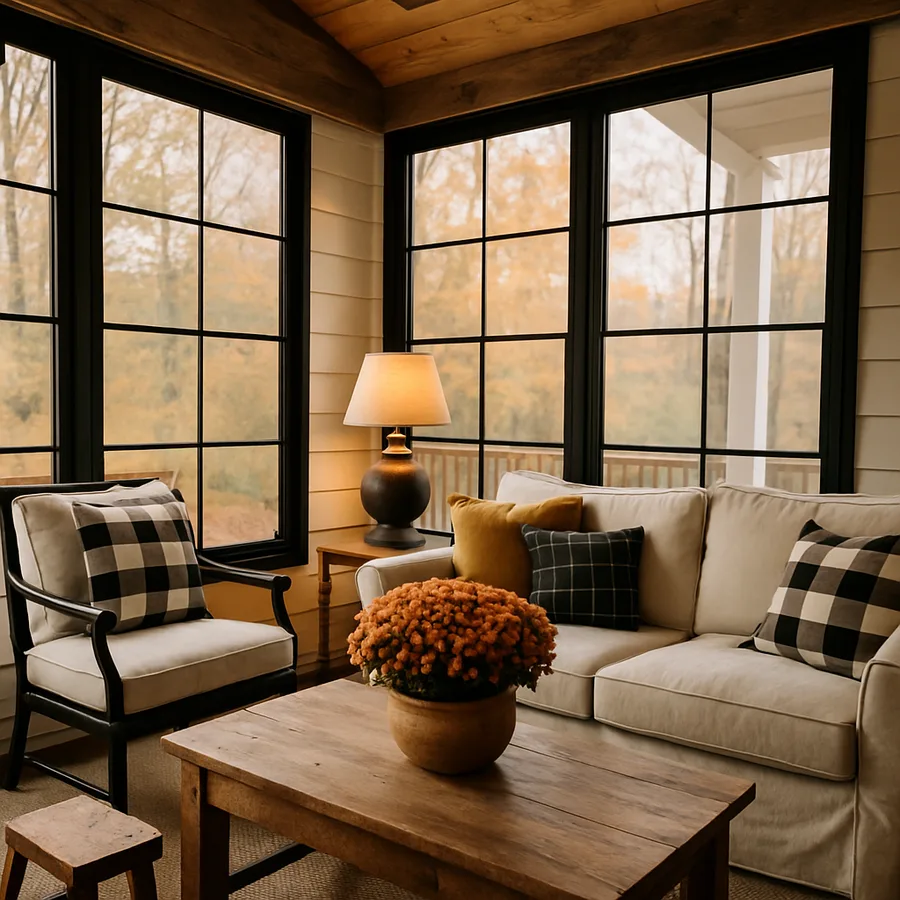
The screened porch is one of American residential architecture's most beloved spaces, and also one of its most frustrating, because the season during which screen alone provides comfortable use is shorter than most homeowners want to admit. Spring storms blow rain through the mesh. Summer pollen overwhelms cushions. Autumn leaves pile in the corners. Winter, of course, takes the porch entirely out of service. The traditional remedies have been to either rebuild the porch as a fully enclosed, conditioned three-season room at significant expense, or to accept the limitations of pure screen and use the porch only during the most cooperative weeks. Eze-Breeze and similar vinyl-glazed window systems have emerged as a third path that converts an existing screened porch into a near-year-round space at a fraction of the cost of full glazing, while preserving the open, airy feel that drew homeowners to the porch concept in the first place. This guide explains how these systems work, when they make sense, what they cost, and what to expect during installation.
What Eze-Breeze Is and How It Works
Eze-Breeze, manufactured by PGT Custom Windows, is the most widely recognized brand in a category sometimes called vinyl-glazed porch enclosure systems or flex-glass windows. Several competing products exist, including ASTM-standard alternatives from regional fabricators and similar systems from window manufacturers like Sun Porches and Sunspace. They all operate on the same principle: an aluminum frame holds multiple panels of flexible vinyl glazing in tracks that allow the panels to slide vertically, configuring the opening from fully closed for weather protection to fully open for screened-porch behavior.
The vinyl glazing material is the technological heart of these systems. It is typically 10 to 20 mil PVC sheet that has been engineered for clarity, UV stability, and resistance to the brittleness that destroys lesser vinyl products within a few seasons. Quality systems use vinyl with anti-glare and scratch-resistant treatments. The vinyl is captured at top and bottom in extruded aluminum tracks and is held under enough tension to remain taut without buckling, even in temperature extremes that cause significant thermal expansion and contraction.
The four-track configuration is the most common design. Each window unit contains four vertical tracks, each holding one panel. With all panels lowered, the system is fully closed and weather-tight. Sliding panels upward into staggered positions creates partial openings ranging from minor ventilation to fully open with all panels stacked at the top. A typical configuration might include three or four window units across the long wall of a porch, each operating independently to give precise control over ventilation in response to weather, sun angle, and time of day.
What Eze-Breeze is not is a true window. The vinyl glazing has insulation values dramatically lower than glass, and the system is not air-sealed in the way a real window is. This is by design; the system is intended to convert a porch from a screened room to a partially weather-protected three-season room, not to upgrade it to a fully conditioned four-season room. Understanding this distinction prevents the disappointment that occasionally happens when homeowners expect performance the product was never engineered to deliver.
When Vinyl Window Conversion Makes Sense
The economics and performance of vinyl-glazed conversion compared to alternatives are usually decisive. A typical 200-square-foot screened porch retrofit with Eze-Breeze runs $7,000 to $15,000 installed in 2026. The same porch converted to full glass three-season construction with insulated walls and a heating source typically runs $30,000 to $70,000. A four-season conditioned addition with HVAC integration typically runs $60,000 to $140,000. The vinyl system delivers roughly 70 to 80% of the additional usable hours of the more expensive options at 15 to 25% of the cost.
The right candidate for vinyl window conversion is a screened porch that is structurally sound, has a sound roof, and is being underutilized because of weather limitations rather than functional limitations. If your porch is the right size, in the right location, with the right access from the house, and you are simply not using it because it is too cold in shoulder seasons or too exposed in storms, vinyl conversion is likely the most cost-effective improvement available. If the porch has fundamental problems with size, layout, or access, those problems will persist after conversion and a more comprehensive renovation may be the better investment.
Climate also drives suitability. Vinyl window systems perform best in climates with mild winters and warm summers, where they extend the usable season by two to four months on each end without needing to deliver true insulation performance. In climates with sustained subfreezing temperatures, vinyl systems still extend the season but cannot make a porch comfortable in deep winter without supplemental heating, and even with heating, the heat loss through the vinyl is significant. The National Association of Home Builders (NAHB) reports that vinyl porch conversion is most popular in the Southeast and Mid-Atlantic regions, where the climate suits the technology and the architectural style of porches in those regions adapts well to the look of the systems.
Sizing, Configuration, and Custom Fit
Eze-Breeze and similar systems are made-to-measure products, with each window unit fabricated to fit a specific opening within the existing porch structure. The standard maximum unit width is approximately 75 inches, with multiple units installed side-by-side to span longer runs. The maximum unit height is approximately 72 to 76 inches depending on the manufacturer, sufficient for typical porch wall heights but limiting for the extra-tall openings sometimes found in older Victorian-era porches.
Configuration decisions during the design phase determine how the converted porch will function. The number of panels per unit affects both the maximum open percentage and the minimum opening size. Two-panel units offer simple operation but only 50% maximum opening. Three-panel units offer 67% opening with intermediate configurations. Four-panel units, the most common, offer 75% opening and the most flexibility in ventilation patterns. Choose based on how you will actually use the porch; if maximum airflow on hot summer days is the priority, four-panel units are worth the modest premium.
The frames come in several stock colors, typically white, beige, bronze, and black. Custom colors are available from most manufacturers at additional cost. Match the frame color to the existing porch trim and railings rather than to the house siding, because the frames will read visually as part of the porch architecture rather than as windows in a wall. White frames in a porch with white trim almost disappear in casual viewing, while contrasting frames become a visible architectural element for better or worse depending on your design intent.
Have you considered how the frame structure will integrate with existing screen door openings, ceiling fans, electrical outlets, and any built-in benches or shelving on the porch? These integration details often determine whether the conversion looks intentional or improvised. The American Society of Interior Designers (ASID) publishes design guidance on porch and three-season-room conversions that addresses many of these integration questions and is worth consulting before finalizing the design.
Installation Process and Site Conditions
Installation typically takes two to four days for a standard porch retrofit and is performed by either factory-authorized installers or experienced general contractors who have been trained on the specific system. The process begins with detailed field measurement of every opening, because the porch structure is rarely square or true and each unit must be fabricated to the exact opening dimensions. Standard windows are forgiving of small measurement errors because they are sized to fit a rough opening with shims and trim; vinyl glazing systems are less forgiving because the tracks must align precisely for the panels to slide smoothly.
The existing porch structure must be assessed for adequacy before installation. The window units add only modest weight to the porch structure, but they do change how wind loads are transferred to the porch frame and roof. Screened porches have minimal lateral wind resistance because air passes through the screen. Vinyl-glazed porches catch much more wind, and the resulting lateral loads must be carried by the porch posts, beams, and connections to the house. Most porches built to current code can handle this load increase without modification, but porches more than 30 years old often require structural reinforcement before vinyl windows can be safely installed.
Floor and ceiling conditions also matter. The vinyl window units rest on a sill plate that must be level and firmly attached to the porch floor or floor frame. Out-of-level porches require shimming and trim work to maintain proper window operation; severely out-of-level porches may require floor leveling work that adds significantly to the project cost. Ceiling integration is generally simpler but should be reviewed for any obstructions like recessed lighting, ceiling fans, or beam work that the window head must clear.
Permits are required in most jurisdictions for vinyl window porch conversion, even though the work is sometimes presented as a simple retrofit. The permit triggers an inspection that verifies structural adequacy and proper attachment, both of which are critical for safety. A typical permit cost is $200 to $500 depending on jurisdiction. Skipping the permit creates problems later when the home is sold or when a wind event reveals an inadequate installation; the cost of remediation after the fact is far higher than the cost of doing it correctly the first time.
Heating, Cooling, and Year-Round Use
Vinyl window systems extend porch use significantly but rarely make the porch comfortable year-round in their default configuration. Adding a heating source extends the season further; adding both heating and cooling can produce something close to year-round usability in moderate climates. Understanding what each upgrade actually delivers prevents the common mistake of expecting too much from too little.
Heating options for vinyl-converted porches mirror those for any three-season room. Electric infrared heaters provide quick, zoned warmth and require no fuel storage or venting. Direct-vent gas wall heaters provide higher BTU output and lower operating cost but require professional installation and often a gas line extension. Small wood stoves require proper hearth construction, clearances, and chimney installation per NFPA 211 but provide unmatched ambiance and serious heat output. Match the heating choice to the climate, the porch size, and your usage pattern; a porch used three evenings a week needs different heating than one used daily.
Cooling is more complicated because vinyl window systems do not seal tightly enough for conventional air conditioning to work efficiently. The most successful cooling approaches use ceiling fans and through-wall fans for ventilation in mild conditions and accept that the porch will be uncomfortable on the hottest summer afternoons. Some homeowners install small mini-split air conditioners that can deliver cooling even in spaces with significant air infiltration, but the operating cost is high and the cooling effect is localized rather than uniform across the porch.
Year-round usability also depends on occupancy patterns and expectations. A porch that is genuinely comfortable 10 months a year and pleasant for occasional use during the other two is a successful year-round conversion in most climates. A porch that maintains 70-degree temperatures every day of the year regardless of outdoor conditions is not what these systems deliver and not what they were designed to deliver. Set realistic expectations at the start of the project and the result will feel like a major upgrade rather than a partial disappointment.
Maintenance, Lifespan, and Real-World Durability
The maintenance requirements for vinyl window porch systems are modest but should not be ignored. The vinyl glazing benefits from gentle cleaning with mild soap and water, applied with a soft cloth or sponge. Avoid abrasive cleaners, ammonia-based glass cleaners, and any solvents, all of which can cloud or damage the vinyl over time. Manufacturers typically publish detailed care guides and selling inappropriate cleaning products through the warranty channel is a common cause of voided coverage. Read the care guide on the day of installation rather than after the first cleaning attempt.
The aluminum tracks should be cleaned and lubricated annually. A small amount of silicone spray or dry lubricant applied to the tracks keeps the panels sliding smoothly and prevents the dragging and binding that gradually wears the panel edges. Avoid petroleum-based lubricants on or near the vinyl, because petroleum products can cloud or crack the glazing over years of contact.
Lifespan expectations should be calibrated against published warranty data rather than salesperson optimism. Quality systems carry frame warranties of 10 to 15 years and vinyl glazing warranties of 5 to 10 years, with replacement glazing available for purchase as panels age out. The vinyl is the limiting component, with typical real-world clarity life of 8 to 12 years before a noticeable yellowing and reduced flexibility appears. Replacement of vinyl panels in existing frames is a relatively simple service typically priced at 30 to 40% of the original installation cost, so plan for one mid-life refresh during the system's overall life.
Structural performance has been documented through hurricane and severe storm events in the Southeast over the last decade. Properly installed quality systems have generally performed well in design wind loads, though no porch glazing system is rated for hurricane impact and homeowners in coastal areas should plan to remove or shutter the panels in advance of a major storm. The Insurance Institute for Business and Home Safety publishes guidance on porch enclosure performance in severe weather that is worth reviewing before installation in any hurricane-prone region.
Conclusion
Eze-Breeze and similar vinyl-glazed window systems occupy a sweet spot in the porch enclosure market that did not exist a generation ago. They cost a fraction of full glass conversion while delivering the bulk of the additional usable season that homeowners want from their porches. They preserve the open, airy character of a screened porch in their open configuration while providing meaningful weather protection in their closed configuration. They are a serious product, not a compromise, and they deserve serious consideration as part of any porch enhancement project.
The decision framework is straightforward. Verify that your porch is structurally sound and well-located. Confirm that the climate suits the technology, with mild winters and warm summers being the ideal conditions. Get firm quotes from at least two factory-authorized installers and verify their references on porch projects specifically. Specify the configuration and color options that match how you will actually use the space, not the standard package the salesperson recommends by default. Pull permits and have the work inspected.
Plan the project as a system. The window conversion is the central element, but the supporting decisions about heating, cooling, ceiling fans, flooring, and furniture all affect how usable the converted porch actually becomes. A vinyl conversion paired with a quality ceiling fan and a small heating source can deliver true three-season comfort in most climates; the same conversion without thoughtful supporting elements often disappoints despite a substantial investment in the windows themselves.
Ready to convert your screened porch? Measure your porch openings, photograph the existing structure from multiple angles, and request quotes from two or three factory-authorized installers in your region. Bring this guide and your photos to the consultations and ask each installer specifically how their proposal addresses structural assessment, permit requirements, integration with existing porch features, and long-term maintenance. The right conversion can transform a seasonal afterthought into the most-used room in the house, and the difference between an excellent installation and a mediocre one usually comes down to questions asked during the planning phase.
More Articles You May Like


Comments
Post a Comment