What Is Interior Design? A Beginner's Guide to Creating Beautiful Spaces
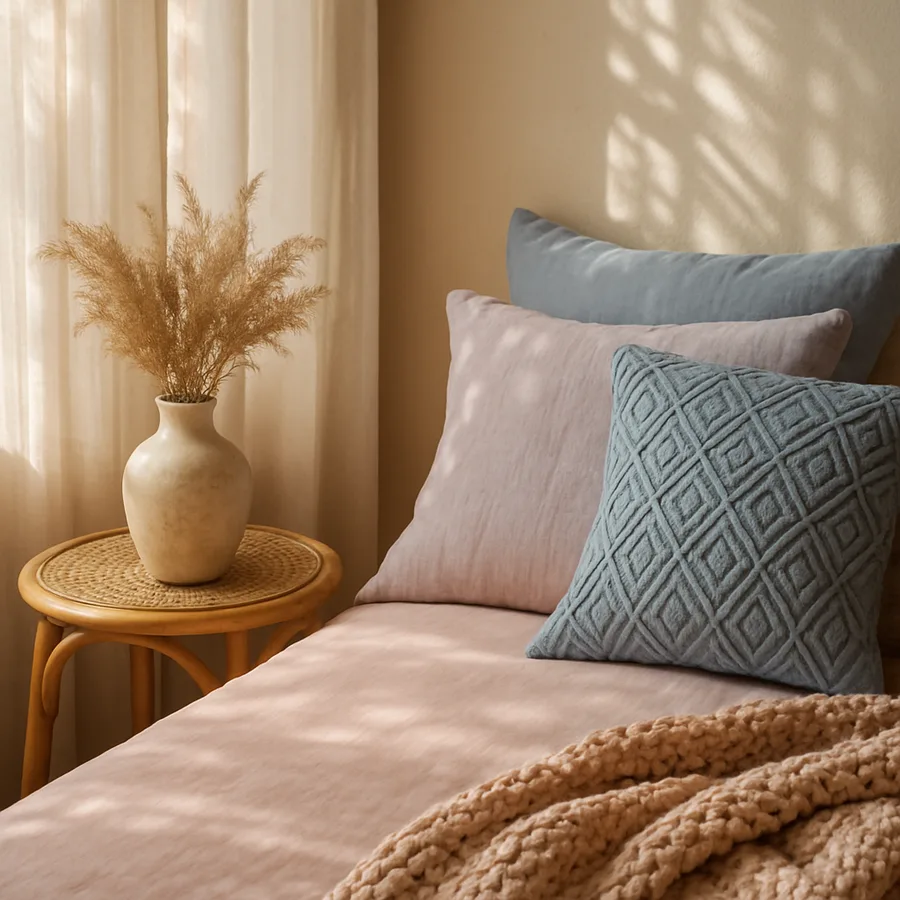
Have you ever entered a room and felt instantly at ease, captivated by the harmony of colors, textures, and space? This magic is no accident; it's the result of thoughtful interior design. Interior design is not just about making spaces look good-it's about creating environments that improve your quality of life. For those new to the field, understanding the basics of interior design can seem daunting. This guide will walk you through the fundamentals, from the initial concepts to practical execution, ensuring you have the knowledge to start your journey in crafting beautiful spaces.
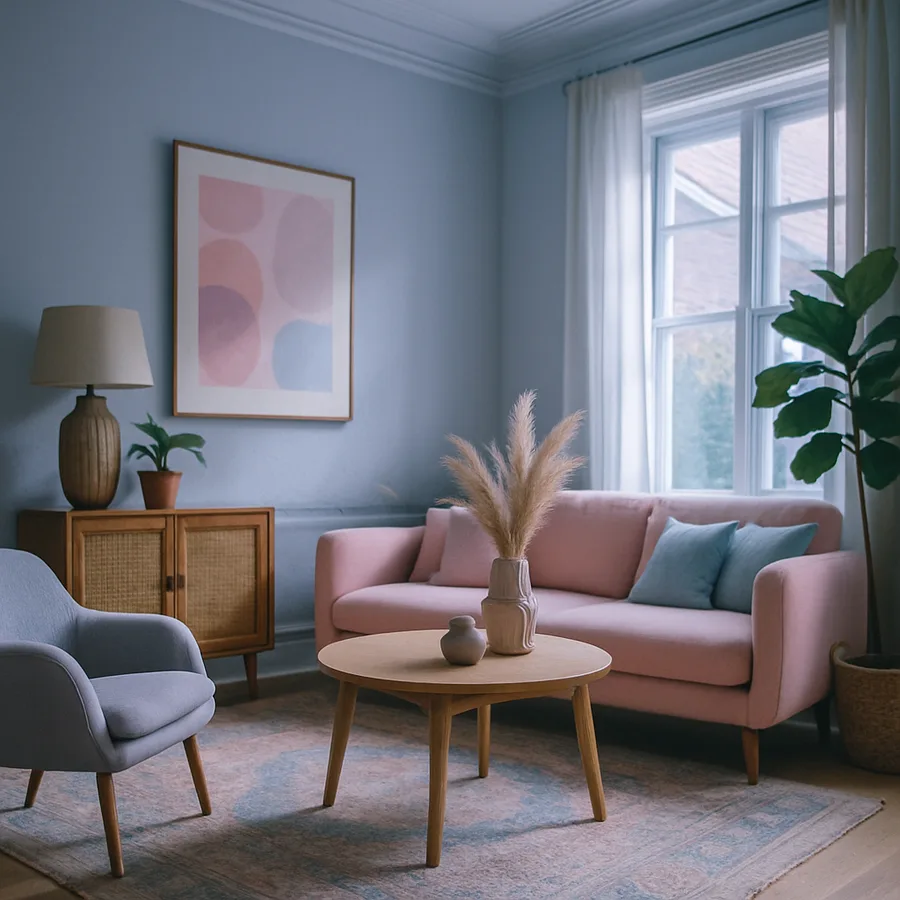
What You Need to Know First
Before diving into interior design, it's essential to grasp some foundational concepts. First, understand the difference between a certified interior designer and an interior decorator. Certified designers often hold credentials like NCIDQ (National Council for Interior Design Qualification) or affiliations with organizations such as ASID (American Society of Interior Designers). These professionals have formal training and are equipped to handle structural changes, while decorators focus on aesthetics.
Additionally, consider the impact of well-designed interiors on property value. Industry surveys suggest that well-executed design can increase a home's resale value by 5-15%. This statistic underscores the importance of investing time and resources into thoughtful design. Are you ready to enhance not just the appearance of your home but also its market appeal?
Lastly, familiarize yourself with current trends. Biophilic design, which integrates natural elements like plants and sunlight into interiors, is gaining popularity. Similarly, the understated elegance of quiet luxury appeals to those who favor minimalist yet sophisticated aesthetics. Understanding these trends can guide your decisions and ensure your spaces remain timeless.
Step-by-Step Process
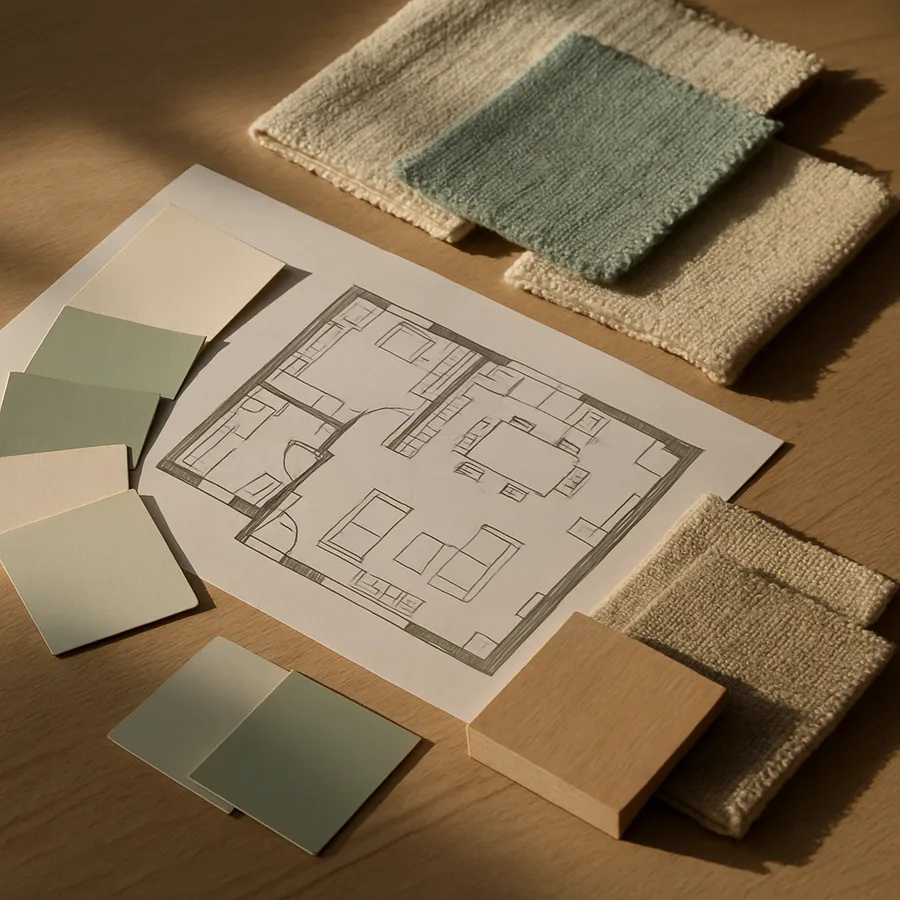
The first step in any interior design project is concept development. This involves understanding your needs and preferences and translating them into a vision. Begin by gathering inspiration from platforms like Houzz or Pinterest, where you can save images and ideas that resonate with you. What colors, styles, and layouts speak to you? Create a mood board to visually organize these elements.
Next, move on to the design presentation phase. Here, you'll refine your ideas into concrete plans, including furniture layouts, color schemes, and material selections. At this stage, many professionals use AR/VR tools to visualize the space, allowing you to experience your design before committing to it. This technology is invaluable for making informed decisions and avoiding costly mistakes.
Once your design is finalized, it's time for procurement. This involves sourcing furniture, fixtures, and materials. It's crucial to work with trusted suppliers to ensure quality and availability. Many designers leverage their relationships with vendors to obtain better pricing or exclusive pieces. After procurement comes installation and styling, where your vision comes to life. Attention to detail is key here; even small adjustments can significantly impact the overall feel of a room.
Common Mistakes to Avoid
One common mistake in interior design is neglecting functionality in favor of aesthetics. While a space should be visually pleasing, it must also be practical. For instance, choosing a beautiful but uncomfortable sofa can diminish a room's usability. Consider how you will use each space and ensure that form and function coexist harmoniously.
Another pitfall is overlooking lighting. Proper lighting can enhance colors, affect mood, and highlight focal points. A room with poor lighting can feel cramped and uninviting, no matter how well-designed the rest of the space is. Incorporate a mix of ambient, task, and accent lighting to create a balanced and versatile environment.
Lastly, avoid the trap of following trends too closely. While trends can provide inspiration, they can also date quickly. Instead, focus on timeless elements that reflect your personality and lifestyle. Experienced professionals often note that personal touches and unique finds make a space truly special and enduring.
Pro Tips from Industry Experts
Seasoned designers suggest starting with a neutral base and layering in color through accessories and art. This approach allows for easy updates as trends and tastes evolve. For instance, a neutral sofa can be complemented with vibrant pillows or throws, which can be swapped out with the seasons.
Experts also recommend investing in quality over quantity. A few well-crafted pieces can elevate a room, offering longevity and avoiding the cycle of frequent replacements. Consider this when planning your budget: quality investments often pay off in the long run.
Additionally, experienced designers emphasize the importance of scale and proportion. Furniture that is too large can overwhelm a space, while pieces that are too small can feel out of place. Measure your space carefully and choose furniture that complements the room's dimensions. This careful balance will create a harmonious and inviting environment.
Budget and Timeline Considerations
Budgeting is a crucial aspect of interior design. For a single room redesign, expect to spend between $5,000 and $15,000. Full-home projects can range from $50,000 to $150,000 or more, depending on the scope and materials. It's essential to set a realistic budget at the outset and allocate funds for each element of the design.
When considering timelines, be aware that design projects often take longer than expected. From concept to completion, even a single room can take several months. Build in buffer time for unexpected delays, such as shipping issues or back-ordered items. Setting realistic expectations upfront will reduce stress and ensure a smoother process.
Communicate openly with your designer or contractor about your budget and timeline. Transparency will help them prioritize tasks and manage resources effectively. Remember, a well-planned project is more likely to stay on track and within budget.
Real-World Examples and Case Studies
Consider the transformation of a small urban apartment into a multifunctional living space. By employing smart home integration and efficient use of vertical space, the designer was able to create a comfortable, tech-savvy environment. Automated window treatments and adjustable lighting contributed to both functionality and style, demonstrating how technology can enhance modern living.
Another example is a suburban family home incorporating Japandi elements-Japanese minimalism meets Scandinavian warmth. The use of natural materials and a restrained color palette created a peaceful retreat that feels both contemporary and timeless. This case study highlights the power of combining cultural influences to craft unique and inviting spaces.
Lastly, a coastal cottage redesign utilized sustainable and reclaimed materials to reflect its surroundings. The use of driftwood, repurposed furniture, and natural fibers not only reduced environmental impact but also enhanced the home's connection to its coastal setting. Such projects illustrate how thoughtful material choices can align with sustainability goals while creating beautiful interiors.
Conclusion
Interior design is a dynamic field that combines creativity, technical skill, and a keen understanding of human behavior. By mastering the basics and avoiding common pitfalls, you can create spaces that are both beautiful and functional. Remember, the key to successful design lies in planning, attention to detail, and personal expression.
Ready to embark on your interior design journey? Start by browsing portfolios on Houzz this week-even 20 minutes of research will sharpen your eye for what you want. With the right approach, you'll be well on your way to transforming your spaces into reflections of your style and personality.
More Articles You May Like



Comments
Post a Comment