How to Incorporate Art Deco Elements into Modern Home Decor
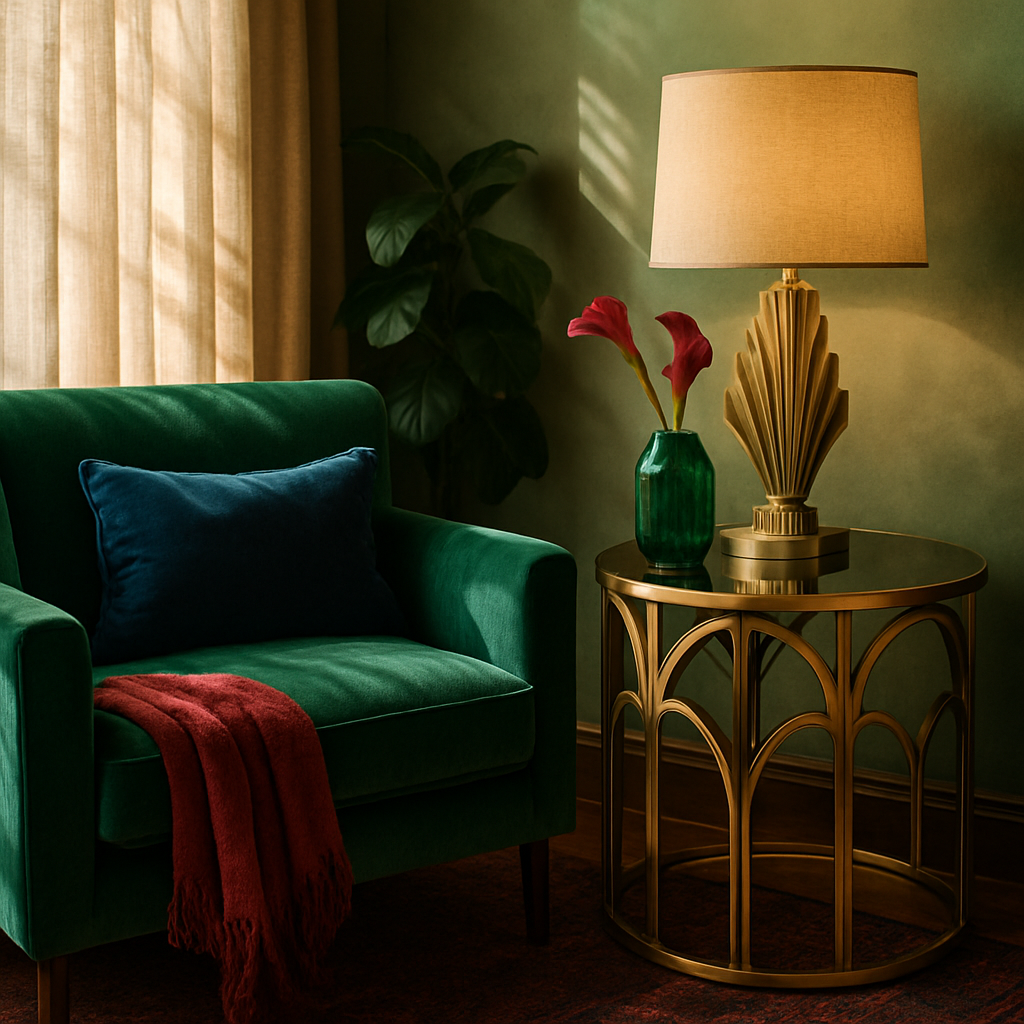
Imagine stepping into a room where the past and present seamlessly coexist, where the opulence of the Roaring Twenties meets today's sleek, minimalist aesthetics. Such is the allure of incorporating Art Deco elements into modern home decor. This style, characterized by bold geometric patterns, rich colors, and luxurious materials, offers a unique way to infuse elegance and sophistication into contemporary spaces. But how do you balance these seemingly contrasting styles without overwhelming your space? In this article, we'll explore foundational concepts of Art Deco, delve into expert strategies for integration, and provide actionable tips for achieving a harmonious blend.
The Foundations of Art Deco Style
Art Deco, a style that emerged in the early 20th century, is synonymous with luxury, glamour, and modernity. Originating in France post-World War I, it quickly gained popularity for its eclectic mix of traditional craftsmanship with modern technology. The style is defined by bold geometric shapes, lavish ornamentation, and a rich color palette featuring deep greens, golds, and blacks. The use of exotic materials like ebony, ivory, and polished metals further exemplifies its opulent nature.
Understanding these foundational elements is crucial when incorporating Art Deco into modern interiors. The style's emphasis on symmetry and repetition can provide a structured, high-end aesthetic to a space. For instance, consider how a geometric patterned rug or a gilded mirror can serve as focal points, drawing attention and adding dimension to a room. The key is to use these elements sparingly, allowing them to complement rather than compete with contemporary features.
One of the most notable aspects of Art Deco is its ability to convey a sense of drama and grandeur. This can be achieved through bold, contrasting colors and striking, sculptural furniture. Incorporating these elements into a modern decor scheme requires a careful balance. Too much Art Deco can overwhelm a space, while too little can render it ineffective. As such, identifying the right pieces and placements is essential for achieving cohesion.
Understanding Art Deco's Impact Through Data
The influence of Art Deco on modern design is not just a matter of aesthetics; it is supported by data reflecting its enduring appeal. According to Houzz's annual survey, there has been a marked increase in homeowners seeking Art Deco-inspired features, with a 22% rise in searches for geometric patterns and metallic finishes over the past year. This trend reflects a broader interest in eclectic styles that combine historical elements with modern sensibilities.
Moreover, industry surveys suggest that well-designed interiors incorporating Art Deco elements can enhance a home's resale value by up to 15%. This is particularly significant for those considering home renovation as an investment. The style's association with luxury and sophistication can make a property more attractive to prospective buyers, offering a potential return on investment that extends beyond mere aesthetic satisfaction.
Experienced professionals often note that the versatility of Art Deco allows it to be integrated into various modern design trends seamlessly. For example, the current popularity of biophilic design, which emphasizes natural materials and indoor-outdoor flow, can be enhanced with Art Deco's use of geometric patterns and polished surfaces. This combination creates a balanced environment that feels both timeless and cutting-edge.
Actionable Strategies to Blend Art Deco with Modern Decor
Incorporating Art Deco elements into modern home decor requires strategic planning and execution. Start by identifying key areas in your home where these elements can make the most impact. Consider the entryway, living room, or dining area as prime candidates for showcasing Art Deco's dramatic flair. These spaces naturally lend themselves to the style's boldness and can serve as a statement to guests.
Next, focus on integrating Art Deco through accessories and furnishings. This can be as simple as adding a pair of velvet armchairs with sleek, metallic frames, or a chandelier with geometric lines and crystal accents. These pieces not only embody the essence of Art Deco but also enhance the modernity of the space. Remember, less is more when it comes to integrating bold styles. Too many Art Deco elements can clash with modern decor, so choose pieces that complement your existing furnishings.
Color also plays a crucial role in blending these styles. Use a palette that reflects Art Deco's rich hues, such as navy, emerald, or burgundy, and combine them with the neutral tones often found in modern decor. This approach creates a dynamic contrast that highlights the elegance of Art Deco without overwhelming the modern aesthetic. Are there specific colors that resonate with you when thinking about this style?
Expert Insights on Art Deco Integration
Experienced interior designers emphasize the importance of proportion and scale when incorporating Art Deco elements into a modern home. According to the American Society of Interior Designers (ASID), maintaining a balance between the two styles involves careful selection of furniture and decor items that do not overpower the space. For instance, a large Art Deco-inspired rug can anchor a room, while smaller accents like vases or picture frames can add subtle touches of the style.
The International Interior Design Association (IIDA) suggests using modern technology to visualize Art Deco integrations. Tools like augmented reality (AR) apps allow homeowners to see how Art Deco pieces will look in their space before making a purchase. This technology can be invaluable in ensuring that the chosen elements will work harmoniously with existing decor.
Furthermore, certified interior designers often recommend starting with a single Art Deco piece as a focal point, such as a statement sofa or a piece of wall art. From there, additional elements can be introduced gradually, ensuring that the overall aesthetic remains cohesive. This step-by-step approach allows for adjustments and refinements, reducing the risk of design missteps.
Additional Depth: Common Challenges and Solutions
One challenge of incorporating Art Deco into modern decor is finding authentic pieces that align with your vision and budget. Original Art Deco pieces can be expensive, often ranging from $1,000 to $15,000. However, many modern reproductions capture the essence of the style at a fraction of the cost. Websites like Houzz and platforms such as Pinterest offer a wealth of inspiration and sourcing options.
Another issue is ensuring that the Art Deco elements do not clash with existing modern decor. This can be mitigated by selecting items that share similar lines, colors, or materials with your current furnishings. For example, a modern sofa with clean lines can be complemented by an Art Deco coffee table with similar geometric features. This creates a sense of continuity that is pleasing to the eye.
Finally, it's important to be mindful of the overall mood and function of the room. While Art Deco is known for its opulence, it should not compromise the functionality and comfort of the space. Are there areas in your home that could benefit from a touch of Art Deco's glamor while still maintaining their practicality?
Final Perspectives on Art Deco and Modern Decor
Incorporating Art Deco elements into modern home decor offers a unique opportunity to create a space that is both timeless and contemporary. By understanding the foundational elements of Art Deco and strategically integrating them into your home, you can achieve a harmonious blend that reflects your personal style and enhances the overall aesthetic.
As design trends continue to evolve, the enduring appeal of Art Deco remains a testament to its versatility and timelessness. Whether you are a design enthusiast or someone looking to refresh your home's interior, this style offers a wealth of possibilities. Have you considered which elements of Art Deco you might introduce into your own home?
The journey of blending these styles is not only about aesthetics but also about creating an environment that feels personal and inviting. With the right approach, you can transform your home into a space that embodies both elegance and modernity.
Conclusion: Bringing Art Deco into Your Home
In summary, the integration of Art Deco elements into modern home decor is a rewarding endeavor that offers both aesthetic and practical benefits. By focusing on key elements such as geometric patterns, rich color palettes, and luxurious materials, you can infuse your home with the timeless elegance of Art Deco while maintaining modern sensibilities.
As you embark on this design journey, consider starting by browsing designer portfolios on platforms like Houzz and Instagram. Even 20 minutes of research can provide a wealth of inspiration and help you sharpen your eye for what you want. By taking these steps, you can confidently incorporate Art Deco elements into your modern home, creating a space that is as stylish as it is timeless.



Comments
Post a Comment