The Ultimate Guide to Finding Your Perfect Online Interior Design Style
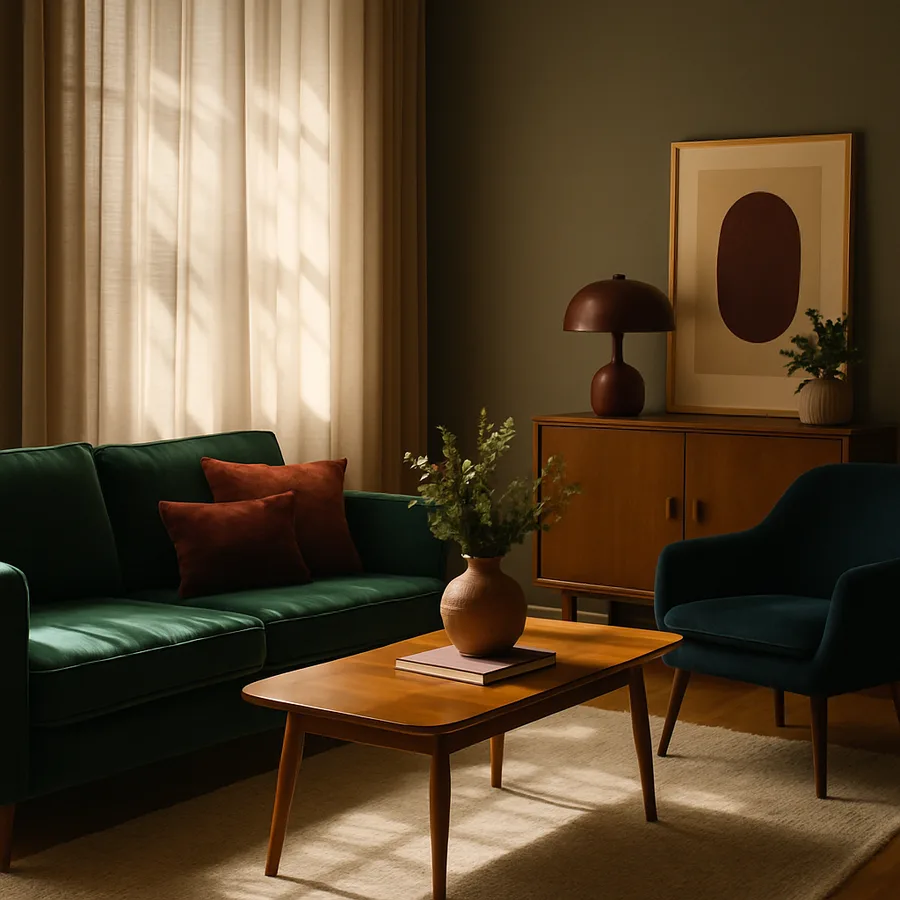
Every homeowner has a design style waiting to be discovered. It lives in the colors that catch your eye, the textures you reach for instinctively, the rooms that make you pause while scrolling through your feed. But translating those scattered attractions into a cohesive personal style is a challenge that many people struggle with, especially when the sheer volume of inspiration available online makes everything look appealing and nothing feels definitively right.
The good news is that finding your design style is a process that can be guided, structured, and refined using the digital tools and resources available today. The American Society of Interior Designers (ASID) estimates that homeowners who define their style before making purchases save an average of 30 percent on furnishing costs by avoiding impulse buys that do not fit a cohesive vision. This guide will walk you through the process of discovering, refining, and implementing your unique interior design style using online resources and professional guidance.
Understanding the Major Design Style Families
Before you can find your style, you need to understand the landscape. Interior design styles are not rigid categories but rather fluid families that overlap and blend. Contemporary, modern, traditional, transitional, mid-century modern, Scandinavian, bohemian, industrial, farmhouse, coastal, and Art Deco represent the major style families, each with its own vocabulary of materials, proportions, colors, and patterns. Knowing the basic characteristics of each gives you a framework for articulating what resonates with you.
Contemporary design emphasizes clean lines, neutral palettes, and current trends, while modern design refers specifically to the mid-twentieth-century movement characterized by organic forms and minimal ornamentation. Traditional design draws on European sensibilities with rich colors, ornate details, and classic furniture forms. Transitional design bridges the gap between traditional and contemporary, combining the comfort of the former with the simplicity of the latter. The National Council for Interior Design Qualification (NCIDQ) trains designers to understand these distinctions deeply, enabling them to help clients identify where their preferences fall on the style spectrum.
The most important thing to understand is that your style does not have to fit neatly into a single category. Most people are drawn to elements from multiple style families, and the most interesting, livable interiors tend to blend influences rather than adhere rigidly to one aesthetic. The goal is not to label yourself but to understand the underlying principles that attract you so you can make consistent, intentional choices across all your design decisions.
Spend some time looking at examples of each major style and notice your gut reactions. Which rooms make you feel relaxed? Which feel exciting? Which feel like home? Your body knows your style before your mind can articulate it, and paying attention to those instinctive responses is the most reliable starting point for the discovery process.
Digital Style Quizzes and Assessment Tools
Online style quizzes have evolved from simplistic personality tests into sophisticated assessment tools that analyze your preferences across multiple dimensions: color, texture, pattern, proportion, formality, and function. The best quizzes present you with curated images and ask you to choose intuitively, building a profile based on the patterns in your selections rather than asking you to self-identify with labels you may not fully understand.
Houzz, one of the largest online interior design platforms, offers a comprehensive style quiz that has been taken by millions of homeowners worldwide. The quiz presents series of room images and asks you to select your favorites, then analyzes your choices to identify your dominant style family and its closest relatives. The result is not a single label but a nuanced profile that acknowledges the blended nature of most people's tastes. Other platforms and major retailers offer similar tools, and taking several quizzes from different sources can help you triangulate your true preferences.
The International Interior Design Association (IIDA) recommends using style quizzes as a starting point rather than a final answer. They are valuable for surfacing patterns you might not have recognized and for giving you vocabulary to describe your preferences. But they should be supplemented with deeper exploration: visiting showrooms, browsing design books, attending open houses, and most importantly, paying attention to how different spaces make you feel in person. A quiz can tell you that you gravitate toward Scandinavian design, but only lived experience can tell you whether that style truly makes you feel at home.
Building a Digital Mood Board
Once you have a general sense of your style direction, the next step is to build a mood board that captures the specific visual language of your ideal space. A mood board is a curated collection of images, colors, textures, and products that together define the feeling you want your home to evoke. Online tools have made this process effortless, allowing you to save, organize, and share inspiration from across the internet in one visual collection.
The most effective mood boards are edited ruthlessly. It is tempting to save hundreds of images, but a board with too many competing ideas is no better than no board at all. Aim for fifteen to twenty-five images that share a clear common thread. Look for patterns: do certain colors appear repeatedly? Are the spaces mostly light or dark? Are the materials natural or manufactured? Is the furniture angular or curved? These patterns reveal the core elements of your personal style far more reliably than any individual image.
Professional designers at the ASID use mood boards as the foundation of every client project. They serve as a visual contract between designer and client, ensuring alignment before any purchasing decisions are made. Even if you are working without a designer, a well-curated mood board functions as your design compass, guiding every subsequent decision from paint colors to throw pillow selection. When you are tempted by an impulse purchase, hold it against your mood board. If it does not fit, it does not belong in your home, no matter how beautiful it is in isolation.
Are you the type of person who saves hundreds of images but never organizes them? Set aside one focused hour to review your saved inspiration and distill it into a single board of your twenty best images. The clarity that emerges from this exercise is genuinely transformative.
Leveraging E-Design Platforms for Professional Guidance
Finding your style is one thing; implementing it across an entire home is another. This is where e-design platforms bridge the gap between inspiration and execution. These services connect you with certified interior designers who translate your mood boards, quiz results, and personal preferences into actionable design plans complete with floor layouts, furniture selections, color specifications, and shopping lists.
The value of professional guidance at this stage cannot be overstated. A trained designer sees relationships between elements that untrained eyes miss: how a particular wood tone interacts with a specific fabric color under your home's natural light, how a furniture piece scaled for a showroom floor might overwhelm your smaller room, how the transition between rooms can either reinforce or undermine a cohesive style story. The NCIDQ certification ensures that designers have demonstrated competency in these nuanced skills.
E-design platforms typically offer multiple service tiers, from a single room consultation to a whole-home design package. For homeowners who are just finding their style, a single room package is an ideal starting point. It provides the experience of working with a professional, produces tangible results you can live with and evaluate, and builds confidence for tackling additional rooms. Many homeowners find that after completing one room with professional guidance, they have internalized enough design principles to approach subsequent rooms with greater independence.
Testing Your Style Before Committing
One of the greatest advantages of the online design era is the ability to test ideas before making permanent or expensive commitments. Virtual staging tools let you see how different styles look in your actual rooms. Furniture rental services allow you to live with pieces for weeks or months before deciding to purchase. Sample programs from paint companies, fabric houses, and tile manufacturers ship physical swatches to your door so you can evaluate materials in context.
According to Houzz's annual survey, homeowners who tested at least three design options before committing reported 45 percent higher satisfaction with their final results compared to those who went with their first instinct. This data confirms what designers have always known: your initial attraction to a style may not survive the reality of living with it. Testing bridges the gap between fantasy and daily experience, ensuring that the style you choose is one you can sustain long-term.
Paint is perhaps the easiest and most impactful element to test. Large-format peel-and-stick paint samples applied directly to your walls allow you to see how a color interacts with your lighting, furniture, and existing finishes throughout the day. Live with the samples for at least a week before making your decision, observing how the color feels in morning light, afternoon sun, and evening lamplight. This simple practice eliminates the remorse that plagues homeowners who choose paint colors from a tiny chip in a store under fluorescent lighting.
Evolving Your Style Over Time
Your design style is not a fixed destination. It is a living expression of who you are, and it will evolve as your life changes. The home that suited you perfectly as a young professional may feel entirely wrong as a parent. The bold, eclectic style you loved in your twenties may mellow into something quieter and more refined as you age. This evolution is natural and healthy, and designing with it in mind prevents the costly mistake of committing too heavily to a single aesthetic moment.
The IIDA encourages what they call durable flexibility in residential design: investing in high-quality neutral foundations, such as sofas, flooring, and cabinetry, that transcend specific style trends, while expressing your current taste through easily changeable elements like paint, textiles, artwork, and accessories. This approach allows your home to evolve with you without requiring expensive overhauls every few years. A well-made gray sofa can anchor a bohemian room, a Scandinavian room, or a contemporary room simply by changing the surrounding context.
Document your design journey. Save your mood boards, photograph your rooms at different stages, and note what worked and what did not. Over time, this archive reveals your enduring preferences, the elements that appear consistently across different phases of your life, versus your temporary enthusiasms. Understanding the difference between the two is the key to making design investments that deliver lasting satisfaction rather than fleeting excitement.
Begin your style discovery today. Take a comprehensive online style quiz on Houzz or a similar platform, save your top twenty inspiration images to a mood board, and consider booking an introductory e-design consultation through the ASID or IIDA designer directories. Your perfect style is already within you, waiting to be articulated and brought to life in every room of your home.
More Articles You May Like


Comments
Post a Comment