What is Interior Design? A Comprehensive Guide to Transforming Your Space
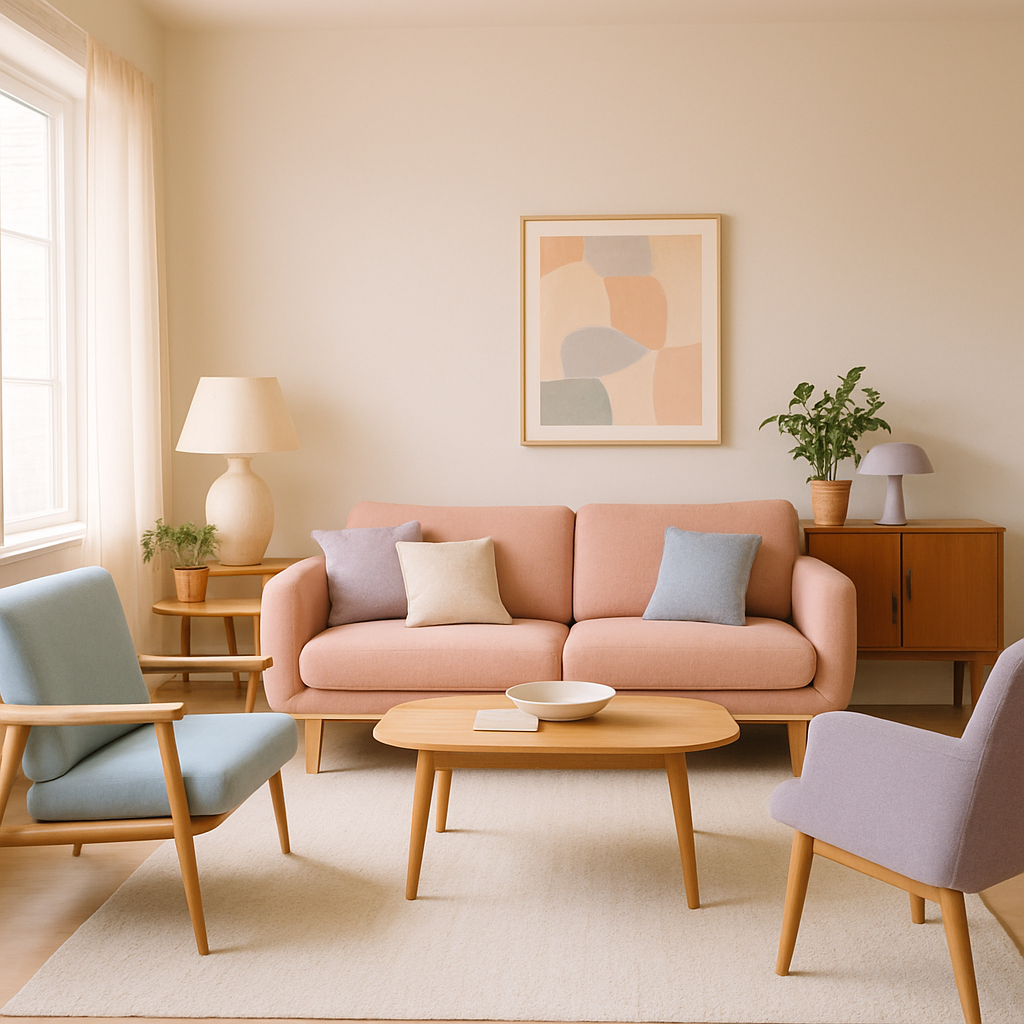
Have you ever walked into a room and felt an immediate sense of calm or excitement? This is the power of interior design, a discipline that goes beyond mere decoration. According to the American Society of Interior Designers (ASID), a well-executed design can increase a property's resale value by 5-15%. This guide will take you through the essentials of transforming your living spaces, helping you understand the foundational principles, explore deeper analyses with real data, and equip you with actionable strategies. Whether you're redesigning a single room or an entire home, understanding interior design can profoundly impact your life.
Understanding the Foundation of Interior Design
Interior design is more than selecting a color palette or arranging furniture; it's about creating environments that enhance the way you live. At its core, interior design combines art and science to create functional, aesthetically pleasing spaces. Certified interior designers often hold credentials like the NCIDQ (National Council for Interior Design Qualification), which ensures a high standard of practice. These professionals consider everything from spatial layout to lighting, ensuring that each element contributes to the overall harmony of the space.
One of the foundational concepts of interior design is balance, which can be achieved through symmetry or asymmetry. Symmetry brings a sense of order by mirroring elements across a central axis. In contrast, asymmetry introduces visual interest by juxtaposing different elements in a harmonious way. For instance, balancing a large sofa with a pair of smaller chairs can create an engaging focal point. Understanding these concepts is crucial, as balance affects how comfortable and inviting a space feels.
Another key element is proportion and scale, which relates to the size of objects in a room relative to each other and the space itself. A common mistake is choosing furniture that's too large or small, which can disrupt the flow of the room. By mapping out your space and considering how each piece fits together, you can achieve a cohesive design. Have you ever wondered why some rooms feel just right while others seem off? Mastering proportion and scale is often the answer.
The Impact of Interior Design: Data and Insights
Interior design is not just about aesthetics; it has tangible impacts on your well-being and even your home's market value. According to Houzz's annual survey, homeowners who invested in professional design services reported higher satisfaction rates, with 85% stating that their spaces better met their needs post-renovation. This statistic highlights how thoughtful design can transform a home beyond mere appearances.
Moreover, the financial implications of good design are significant. Well-designed homes typically sell faster and for more money. As mentioned earlier, a professionally designed interior can increase a property's resale value by 5-15%, a figure supported by various real estate studies. This makes investing in quality design not just a matter of personal enjoyment but a smart financial strategy as well. Are you looking to increase your home's value? Engaging with a certified interior designer could be a wise decision.
Incorporating sustainable practices is another emerging trend with measurable benefits. The use of eco-friendly materials and energy-efficient lighting not only reduces environmental impact but can also lower utility costs. According to a study by the International Interior Design Association (IIDA), sustainable design choices are increasingly influencing buyers' decisions, making them a critical consideration for anyone looking to modernize their home.
Actionable Strategies for Transforming Your Space
Transforming your space effectively requires a step-by-step approach. Start by conducting a thorough needs assessment. Ask yourself: How do I use this space daily? What are my biggest frustrations? This introspection will lay the groundwork for a design that truly serves your lifestyle. Experienced professionals often note that understanding the client's daily activities is crucial in creating functional, satisfying spaces.
Next, develop a clear concept. This includes choosing a style that resonates with your personality and complements the architecture of your home. Whether you are drawn to the clean lines of Japandi or the warm textures of biophilic design, defining your style will guide all subsequent decisions. Gather inspiration from platforms like Pinterest and Instagram, where you can explore countless examples of these styles in action.
Finally, focus on details and execution. This phase involves selecting materials, colors, and furnishings, as well as managing the project timeline and budget. Many designers use AR/VR room visualization tools to help clients preview design changes before committing. This technology can be particularly useful in avoiding costly mistakes and ensuring that the final result aligns with your vision. Have you considered using these tools to visualize your design ideas?
Expert-Level Insights into Interior Design
For those looking to delve deeper into interior design, understanding the nuances of color theory and lighting is essential. Color can influence mood and perception, making it a powerful tool in design. Warm colors like reds and oranges can create a cozy, inviting atmosphere, while cool colors like blues and greens tend to be calming. Lighting, both natural and artificial, plays a significant role in how colors appear and how spaces feel.
Experts also emphasize the importance of texture and materials in adding depth and interest to a room. Combining different textures-such as a plush velvet sofa with a sleek glass coffee table-can create a visually captivating environment. According to Architectural Digest, using a mix of materials like reclaimed wood and natural stone is a hallmark of current design trends, adding both sustainability and style.
Another advanced strategy involves smart home integration. This includes automated lighting, climate control, and window treatments that can be adjusted with a touch of a button. The integration of technology into design not only enhances convenience but also contributes to energy efficiency. Embracing these innovations can significantly elevate the functionality and enjoyment of your home.
Gaining Additional Depth: Budgeting and Professional Guidance
Budgeting is a fundamental aspect of any design project. Understanding the various fee structures-such as flat fees, hourly rates, or a percentage of the total project cost-is essential for effective financial planning. Typically, designers charge between $150-$500 per hour, or 10-25% of the overall project cost. This knowledge helps set realistic expectations and ensures your project remains on track financially.
Engaging with certified professionals can provide significant advantages. Certified interior designers, recognized by credentials such as ASID or NCIDQ, bring a wealth of expertise and resources. They can facilitate procurement, ensuring that you receive quality materials and furnishings at competitive prices. Their industry connections often allow them to access exclusive products and discounts, ultimately enhancing the value of your investment.
Finally, consider the long-term impact of your design choices. By focusing on timeless styles and durable materials, you can create a space that remains elegant and functional for years to come. This approach not only benefits your immediate living experience but also supports the property's value over time. Are your design choices built to last?
Final Perspectives on Interior Design
Interior design is a multifaceted discipline that combines creativity, functionality, and strategy. By understanding its foundational principles and leveraging expert insights, you can transform your home into a space that truly reflects your lifestyle and aspirations. The process begins with a clear vision and is brought to life through careful planning and execution.
As you embark on your design journey, remember that the most successful projects are those that balance aesthetic appeal with practicality. Whether you're working with a professional or tackling a DIY project, the key is to remain flexible and open to new ideas. How will you apply these insights to your own home transformation?
In conclusion, the world of interior design offers endless possibilities for enhancing your living environment. By staying informed and embracing both traditional and innovative approaches, you can create a space that is not only beautiful but also functional and enduring.
Conclusion
In summary, interior design is an art and science that can drastically improve your living space's functionality and aesthetic appeal. With thoughtful planning and execution, you can transform any room into a sanctuary that meets your needs and enhances your lifestyle. Start your journey by exploring design portfolios on platforms like Houzz to gather ideas and insights.
Remember, whether you're aiming for a full-scale redesign or a simple refresh, working with a certified interior designer can provide invaluable expertise and guidance. Begin by drafting a clear vision for your space, considering both your personal style and practical needs. Set aside time this week to research styles and trends, even if just for 20 minutes. You'll be surprised at how quickly your ideas crystallize.
Take action now-your dream space is within reach. Happy designing!


Comments
Post a Comment