What is Interior Design? A Beginner's Guide to Transforming Your Space
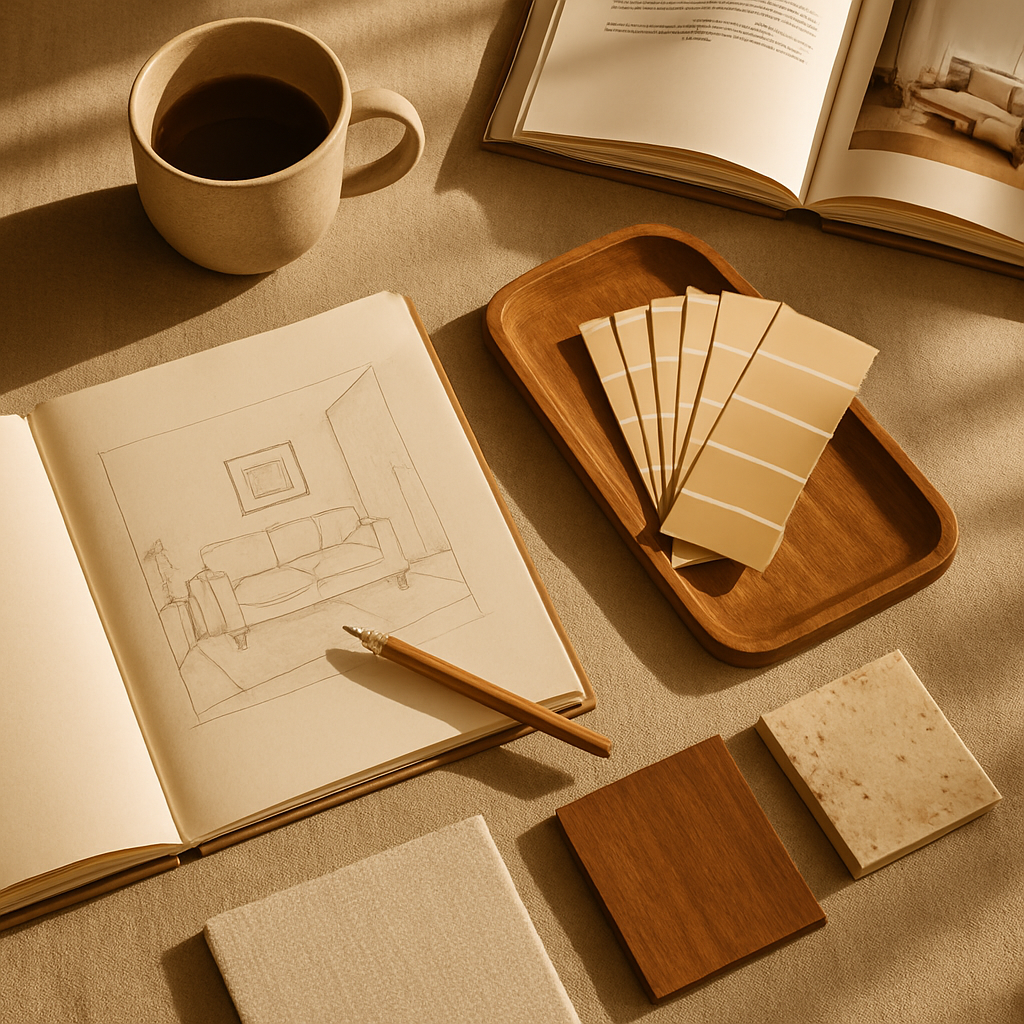
Have you ever walked into a room and instantly felt a sense of harmony and balance, yet couldn't quite put your finger on why? This is the magic of interior design, a field that artfully blends functionality with aesthetics to create spaces that inspire. According to the American Society of Interior Designers (ASID), a well-designed home can increase its resale value by up to 15%. But what exactly goes into transforming a space, and how can you, as a beginner, harness the principles of interior design to enhance your environment? In this guide, we'll explore the foundational concepts, delve into deeper analyses with data, and provide actionable strategies to help you start your journey into the world of interior design.
Understanding the Foundational Concepts of Interior Design
At its core, interior design is the art and science of enhancing the interior of a space to achieve a healthier and more aesthetically pleasing environment. It is not merely about choosing the right colors or furniture but involves a systematic approach to space planning and execution. Key elements include space, line, forms, light, color, texture, and pattern, each of which plays a crucial role in achieving a harmonious design.
Space is the foundation of interior design. It provides the canvas upon which designers work, and understanding how to manipulate this space is essential. For instance, an open floor plan can create a sense of flow and continuity, while strategically placed partitions can enhance privacy without compromising openness. Line, whether vertical, horizontal, or dynamic, guides the eye and influences how we perceive a room's dimensions.
Color is another fundamental concept that profoundly affects mood and perception. Warm colors like red and orange can energize a space, while cool colors such as blue and green are calming. Experienced professionals often note that the right color palette can make a small room feel larger or a cavernous space feel cozy. As you embark on your design journey, consider how these elements can work together to create an environment that reflects your personal style.
The Importance of Data in Interior Design
While aesthetic appeal is a significant aspect of interior design, data-driven insights are increasingly shaping the industry. According to Houzz's annual survey, more homeowners are investing in home renovations, with spending on interior design projects rising steadily. This trend underscores the value that well-designed spaces bring to a home, both in terms of functionality and financial return.
Data also plays a critical role in understanding client needs and preferences. Designers often utilize surveys and feedback to gather insights into what clients find most appealing or functional in a space. For example, the growing popularity of biophilic design, which incorporates natural elements into interiors, is supported by data suggesting that exposure to nature can enhance well-being and productivity.
Furthermore, technological advancements are allowing designers to leverage data in innovative ways. AR/VR tools enable clients to visualize spaces before changes are made, ensuring that design decisions align with client expectations. This technology is transforming how designers present their ideas and how clients engage with the design process. As you consider your interior design project, think about how data can inform your decisions and lead to more effective outcomes.
Actionable Strategies for Transforming Your Space
Ready to start transforming your space? Begin by assessing your current environment and identifying areas that need improvement. Consider creating a mood board using platforms like Pinterest or Houzz to collect images that inspire you. This visual reference will help you clarify your style preferences and guide your design choices.
Next, map out how you actually use each room. Where do you drop your keys? Where do the kids do homework? Understanding the functional flow of your space is crucial in creating a design that works for your lifestyle. This step also involves determining the focal point of each room, whether it's a stunning piece of artwork, a fireplace, or a beautiful window view.
Finally, consider the practical aspects of your design. Do you need more storage? Is the lighting adequate for both ambiance and tasks? Addressing these questions will ensure that your design is not only beautiful but functional. Don't forget to incorporate personal touches, such as family photos or heirloom pieces, to make the space uniquely yours. As you implement these strategies, remember that a well-thought-out design can enhance your daily life and increase your home's value.
Expert-Level Insights into Interior Design
For those looking to delve deeper into the field, understanding the distinction between certified interior designers and decorators is essential. Certified designers often hold credentials such as the NCIDQ (National Council for Interior Design Qualification), which signifies rigorous training and expertise. In contrast, decorators may not have formal certification but can still offer valuable aesthetic guidance.
Fee structures are another critical aspect to understand. Designers may charge a flat fee, an hourly rate ranging from $150 to $500, or a percentage of the total project cost, typically between 10-25%. Understanding these options can help you budget effectively for your project. Additionally, designers may mark up the cost of furniture and materials, a common practice that reflects the value of their professional procurement services.
Experienced professionals often emphasize the importance of the design process, which typically includes concept development, design presentation, procurement, installation, and styling. Each phase requires careful planning and execution to ensure a successful outcome. As you explore the world of interior design, consider how these expert insights can enhance your understanding and approach to your projects.
Diving Deeper into Design Trends and Techniques
Staying informed about current design trends can inspire and inform your projects. One notable trend is the rise of quiet luxury, which emphasizes understated elegance and high-quality materials. This approach often incorporates minimalist design principles, creating spaces that are both luxurious and serene.
Sustainability is another trend gaining traction. More designers are utilizing reclaimed materials and eco-friendly products to create spaces that are not only beautiful but environmentally responsible. This trend reflects a broader industry shift towards sustainability, driven by consumer demand for greener practices.
Lastly, smart home integration is transforming how we interact with our spaces. Automated lighting, climate control, and window treatments are becoming standard features in modern designs. These technologies enhance convenience and energy efficiency, making them a worthwhile consideration for anyone looking to modernize their home. As you explore these trends, think about how they can be incorporated into your design projects to create spaces that are both current and timeless.
Final Perspectives on Transforming Your Space
Embarking on an interior design project can be a rewarding journey that transforms not only your space but also your way of living. As you apply the concepts and strategies discussed in this guide, remember that the ultimate goal is to create an environment that reflects your personality and meets your needs.
Consider seeking inspiration from professional organizations such as ASID or IIDA (International Interior Design Association), which offer resources and directories to help you connect with certified designers. Engaging with these professionals can provide valuable insights and elevate the quality of your project.
Ultimately, successful interior design is about balance-between aesthetics and functionality, personal style and timeless trends. As you refine your design skills, keep this balance in mind to achieve spaces that are not only visually stunning but also enhance your daily life. Ready to take the next step? Start by browsing portfolios on Houzz or Pinterest this week-just 20 minutes of research can sharpen your eye for what you want.
More Articles You May Like



Comments
Post a Comment