Understanding Interior Design: A Beginner's Guide to Transforming Spaces
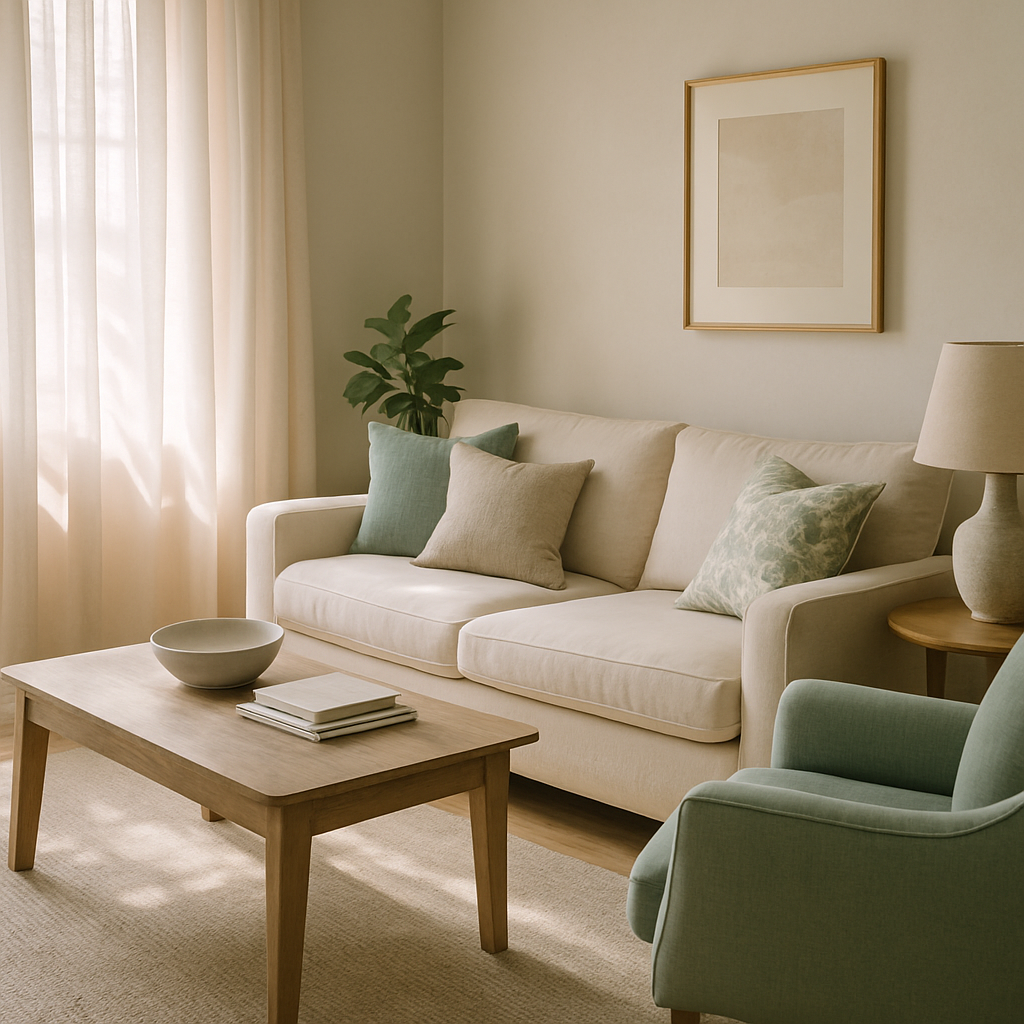
Imagine walking into a room and feeling an immediate sense of calm and inspiration. What if you could create that feeling in your own home? According to the American Society of Interior Designers (ASID), a well-designed space can significantly enhance your quality of life while boosting property value by up to 15%. This beginner's guide will demystify interior design principles, offering you a roadmap to transform your spaces with confidence and creativity. We'll explore foundational concepts, delve into data-backed insights, discuss actionable strategies, and provide expert-level guidance. By the end, you'll be equipped to turn any room into a personalized sanctuary.
Foundational Concepts of Interior Design
At its core, interior design is about creating spaces that are both functional and aesthetically pleasing. The National Council for Interior Design Qualification (NCIDQ), a leading authority on design certification, emphasizes the importance of understanding spatial relationships, color theory, and the principles of balance and harmony. These foundational concepts are crucial for creating environments that not only look good but also serve the intended purpose of the space.
Color theory is often where many designers start. The choice of colors can influence mood and perception, with warm colors like reds and yellows evoking energy and cool colors like blues and greens providing a calming effect. Understanding how colors interact can help you make informed decisions on paint, furniture, and decor. Professionals often recommend starting with a neutral palette, then adding pops of color through accessories to create a dynamic yet cohesive look.
Another key principle is balance, which refers to the distribution of visual weight within a space. There are three types of balance to consider: symmetrical, asymmetrical, and radial. Symmetrical balance uses mirrored elements on either side of a central point, creating a formal and orderly look. Asymmetrical balance, on the other hand, involves different objects that have equal visual weight, offering a more dynamic feel. Radial balance is arranged around a central focal point, like a round dining table with chairs. Understanding these principles helps you design spaces that feel stable and inviting.
As you grasp these foundational concepts, you'll be better prepared to explore the data and trends shaping the industry today.
Insights and Data in Interior Design
Interior design is not just about aesthetics; it's also informed by data and trends. For instance, Houzz's annual survey data reveals that homeowners are increasingly investing in sustainable and smart home technologies. In 2023, over 40% of renovation projects included smart lighting or climate control systems, reflecting a growing demand for integrated, tech-savvy homes.
Biophilic design is another trend gaining traction. This approach incorporates natural elements like plants and water features into indoor spaces, promoting well-being and connectivity with nature. Studies suggest that biophilic design can reduce stress and improve cognitive function, making it a popular choice for both residential and commercial projects. Incorporating natural materials such as wood, stone, and living walls can transform a sterile environment into a vibrant, life-enhancing space.
Additionally, the concept of "quiet luxury" is emerging as a prominent theme. This design philosophy prioritizes understated elegance and high-quality materials over ostentatious displays. Industry professionals often note that this trend appeals to those seeking timeless and sophisticated interiors that prioritize quality over quantity. When planning your designs, consider how these trends might resonate with your personal style and lifestyle needs.
Armed with these insights, you're ready to explore actionable strategies for applying these concepts to your own home.
Actionable Strategies for Transforming Spaces
Transforming your living space doesn't have to be an overwhelming endeavor. Start by assessing your current environment and identifying areas that need improvement. Ask yourself: Where do you spend the most time? Which rooms feel cluttered or poorly organized? This self-reflection can guide your design decisions, ensuring that changes enhance your day-to-day life.
Once you've identified key areas of focus, consider developing a mood board. Platforms like Pinterest and Instagram are excellent for gathering inspiration and visualizing your ideas. Collect images of colors, furniture, and layouts that resonate with your vision. This will serve as a reference point as you move forward, helping to maintain a consistent theme throughout your project.
Budgeting is another critical step. Interior design costs can vary widely, with a single-room redesign typically ranging from $5,000 to $15,000. Consider setting a realistic budget and exploring cost-effective options like DIY projects or second-hand furniture. Remember, even small changes, such as updating light fixtures or painting an accent wall, can have a significant impact. By prioritizing key elements and being resourceful, you can achieve remarkable transformations without breaking the bank.
With these strategies in mind, you're ready to delve into expert-level details that will elevate your design approach.
Expert-Level Insights on Interior Design
As you refine your interior design skills, it's important to understand the distinctions between professional roles in the industry. Certified interior designers, who hold credentials such as NCIDQ, ASID, or IIDA, have formal training in design principles, building codes, and safety regulations. In contrast, decorators may focus more on aesthetics without the same technical expertise. Knowing the difference can help you decide when to seek professional help.
Experienced professionals often emphasize the importance of the design process, which typically includes phases like concept development, design presentation, procurement, installation, and styling. Each phase requires careful planning and coordination to ensure a successful outcome. For instance, during the procurement phase, designers may leverage industry connections to source unique pieces at competitive prices, adding value to your project.
Moreover, technological advancements are transforming the design landscape. Augmented reality (AR) and virtual reality (VR) tools now allow designers to create immersive room visualizations, offering clients a realistic preview of the final result. These technologies can be particularly useful for visualizing layout changes and experimenting with different color schemes or furniture configurations. As you embark on your design journey, consider how these tools can enhance your planning and execution.
Building on these expert insights, the next section will provide additional depth to further your understanding.
Additional Depth: Trends and Tools
Keeping up with the latest trends and tools is crucial for staying ahead in the interior design world. One of the most notable trends for 2026 is the fusion of Japandi, which combines Japanese minimalism with Scandinavian warmth. This style focuses on simplicity, functionality, and natural materials, creating serene and inviting spaces. It's an ideal choice for those seeking a clutter-free environment that promotes relaxation and mindfulness.
Smart home integration continues to evolve, with automated window treatments, climate control, and lighting systems becoming standard in contemporary design. These technologies not only enhance convenience but also improve energy efficiency. By incorporating smart systems into your design, you can create a home that's both modern and sustainable. As these technologies become more accessible, they offer exciting opportunities for customization and personalization.
When sourcing materials and furnishings, sustainability should be a key consideration. Reclaimed wood, recycled metal, and eco-friendly textiles are increasingly popular choices. These materials not only reduce environmental impact but also add unique character and texture to your space. Investigating local suppliers and artisans can also yield distinctive pieces that support community economies. By integrating sustainable practices into your design, you can contribute to a more responsible and conscious lifestyle.
Armed with these additional insights, the final section will wrap up the topic with a broader perspective.
Final Perspectives on Interior Design
As you venture into the world of interior design, remember that the journey is as important as the destination. Every decision, from color palettes to furniture placement, contributes to the overall harmony of your home. Interior design is not just about following trends but about creating spaces that reflect your personality and lifestyle.
Consider engaging with professional organizations such as the ASID or IIDA to access resources and connect with experienced designers. These communities offer valuable insights and networking opportunities that can enhance your design knowledge and skills. Whether you choose to work independently or with a professional, staying informed and inspired is key to successful design projects.
Ultimately, your home should be a reflection of who you are and how you live. By applying the principles and strategies discussed in this guide, you can create spaces that are both beautiful and functional, enhancing your daily life and well-being.
Conclusion
Interior design is a dynamic field that blends creativity with practicality. By understanding foundational concepts, leveraging data-driven insights, and employing actionable strategies, you can transform any space into a personalized haven. As you've learned, engaging with trends and expert advice can elevate your design approach, ensuring that your home reflects your unique style and needs.
Ready to begin your transformation? Start by browsing designer portfolios on platforms like Houzz or Instagram this week. Even 20 minutes of research will sharpen your eye for what you want. Dive into the world of interior design with confidence, knowing that each choice you make contributes to a more harmonious and inspiring environment.



Comments
Post a Comment