What Is Interior Design? Unveiling the Secrets Behind Beautiful Spaces
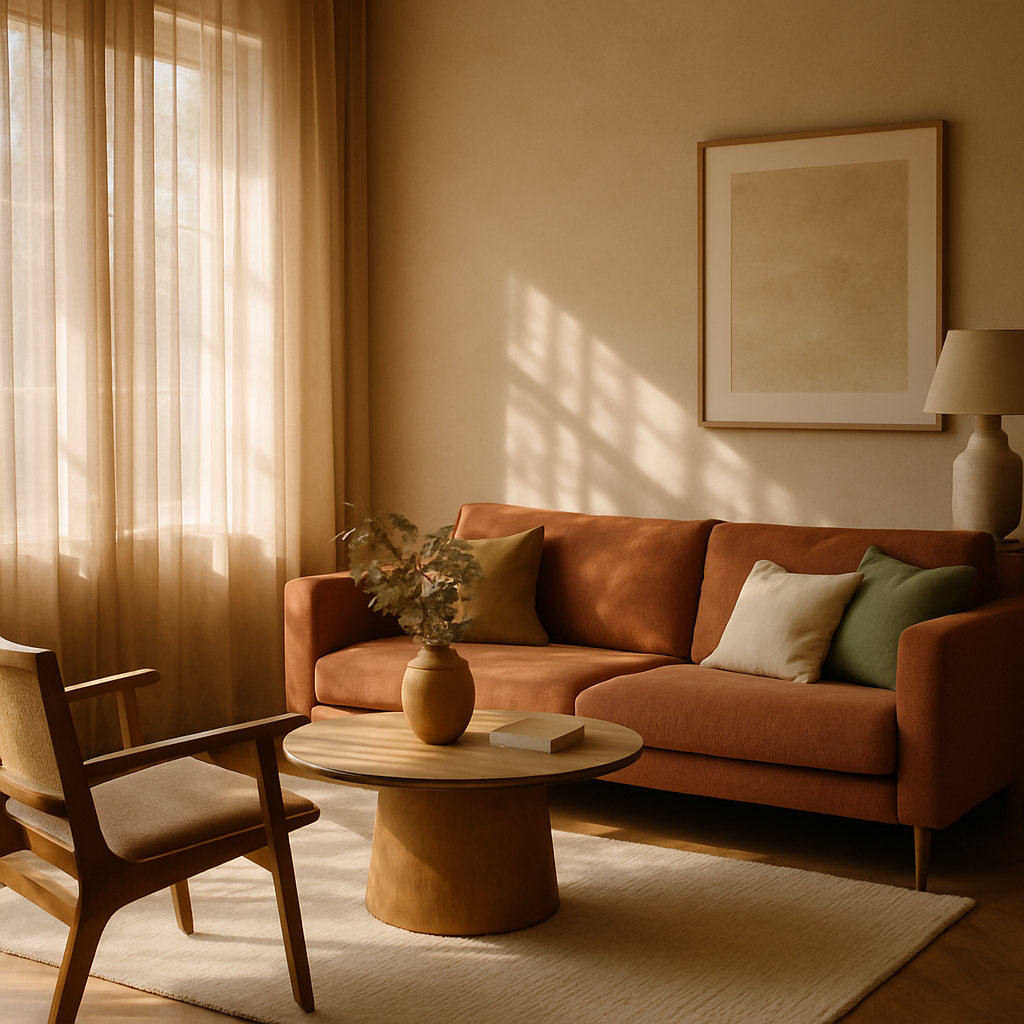
Imagine walking into a room where every element feels perfectly in place - the colors harmonize, the furniture flows seamlessly, and the atmosphere exudes both comfort and elegance. This is the magic of interior design, a discipline that turns ordinary spaces into extraordinary experiences. But what exactly is interior design, and how do professionals create these beautiful spaces that captivate and inspire? In this article, we will explore the foundational concepts of interior design, delve into deeper analytical insights, and reveal actionable strategies that can transform any space. We will also provide expert-level details and additional depth to help you understand the nuances of this fascinating field.
Understanding the Foundations of Interior Design
At its core, interior design is the art and science of enhancing the interior of a building to achieve a healthier and more aesthetically pleasing environment for the people using the space. The process involves a systematic and coordinated methodology, including research, analysis, and integration of knowledge into the creative process. Interior designers are trained to conceptualize spaces that not only look good but also function effectively, meeting the needs and preferences of their clients.
One fundamental aspect of interior design is the balance between aesthetics and functionality. Designers must consider how a space will be used, who will use it, and what activities will occur there. According to the National Council for Interior Design Qualification (NCIDQ), a key credential for professionals, successful interior design requires a thorough understanding of human behavior and the ability to create environments that support those behaviors. This balance ensures that spaces are not only beautiful but also practical.
Color theory, spatial arrangement, and material selection are just a few of the foundational elements that interior designers manipulate to create cohesive and inviting spaces. Whether working on a residential project or a commercial space, designers must employ these principles to achieve a harmonious balance that enhances both form and function. As we delve deeper, we'll see how these foundational concepts are applied in real-world scenarios.
Diving Deeper: The Role of Data in Interior Design
In the world of interior design, data plays a crucial role in shaping decisions and outcomes. Industry surveys, such as those conducted by Houzz, provide valuable insights into homeowner preferences, spending habits, and satisfaction with completed projects. For example, according to a recent Houzz survey, homeowners who invested in professional interior design services reported a 90% satisfaction rate, highlighting the impact of expert guidance on project success.
Data-driven design is not just about aesthetics; it also involves understanding the financial implications of design choices. The American Society of Interior Designers (ASID) often cites that well-designed interiors can yield a 5-15% higher resale value for homes. These statistics underscore the tangible benefits of investing in professional design services, making it clear why hiring certified interior designers with credentials like NCIDQ or ASID is so valuable.
Experienced professionals often note that leveraging data can lead to more informed design decisions that align with current trends and client expectations. By analyzing data on materials, color schemes, and spatial configurations, designers can create spaces that are not only visually appealing but also aligned with market demands. This approach ensures that design projects are both innovative and grounded in practicality.
Actionable Strategies for Transforming Spaces
For those eager to transform their spaces, there are several actionable strategies that can make a significant difference. One effective approach is to start with a clear design vision. Mapping out how you actually use each room and identifying key activities can help you prioritize changes that will have the most impact. Consider where you drop your keys, where the kids do homework, and where you relax at the end of the day. This practical assessment can guide your design decisions.
Another strategy is to embrace the principles of biophilic design, which emphasizes the use of natural materials, living walls, and an indoor-outdoor flow. This approach not only enhances the aesthetic appeal of a space but also promotes well-being by connecting occupants with nature. Are you making the most of natural light in your home? Incorporating elements like large windows, skylights, or even strategically placed mirrors can amplify natural light and create a more inviting atmosphere.
Leveraging technology, such as AR/VR room visualization tools, can also be a game-changer in the design process. These tools allow you to preview design changes before committing, providing a virtual glimpse into the future of your space. This can be particularly useful when considering major renovations or deciding on complex design elements. By employing these strategies, you can take a proactive role in shaping your environment.
Expert-Level Insights into Interior Design
For those looking to dive deeper into the intricacies of interior design, understanding the difference between certified interior designers and decorators is essential. Certified interior designers have undergone rigorous education and testing, often holding credentials like NCIDQ, ASID, or membership with the International Interior Design Association (IIDA). These credentials signify a high level of expertise and adherence to industry standards.
Fee structures in interior design vary and can impact your project budget significantly. Designers may charge a flat fee, an hourly rate (ranging from $150 to $500 per hour), a percentage of the total project cost (typically 10-25%), or procurement markups on furniture and materials. Understanding these structures can help you plan and allocate resources effectively. Have you considered how these costs align with your overall budget?
Another expert insight is the importance of the design process, which typically includes phases like concept development, design presentation, procurement, installation, and styling. Each phase requires careful coordination and communication to ensure the final result aligns with the client's vision. By familiarizing yourself with these phases, you can better engage with your designer and contribute to a successful outcome.
Additional Depth: Emerging Trends in Interior Design
Staying informed about current and emerging trends can elevate your design projects. One such trend is quiet luxury, which focuses on understated elegance and subtle sophistication. This style is characterized by high-quality materials, simple lines, and a restrained color palette, creating spaces that exude calm and refinement.
Another popular trend is Japandi, a fusion of Japanese minimalism and Scandinavian warmth. This design philosophy emphasizes simplicity, functionality, and a connection to nature, resulting in spaces that are both serene and functional. Are you drawn to the clean lines and neutral tones of Japandi style? Incorporating these elements can transform your living spaces into tranquil retreats.
Sustainability is also a key consideration in modern interior design. The use of reclaimed materials, energy-efficient lighting, and sustainable textiles can reduce environmental impact while enhancing the aesthetic appeal of a space. By prioritizing sustainable practices, you can create interiors that are not only beautiful but also environmentally responsible. As we conclude, consider how these trends could influence your next design project.
Final Perspectives on Interior Design
Interior design is a multifaceted discipline that combines creativity, technical knowledge, and a deep understanding of human behavior. Whether you're embarking on a small room makeover or a full-home renovation, the principles and strategies outlined in this article can serve as a valuable guide. From foundational concepts to expert-level insights, these elements are integral to creating spaces that are both beautiful and functional.
As you explore the world of interior design, remember that each space is unique, and the most successful projects are those that reflect the personality and lifestyle of their occupants. Are you ready to transform your environment into a space that truly resonates with you? By applying the insights from this article, you can embark on a journey to create interiors that inspire and delight.
Conclusion: Embrace the Art of Interior Design
In the world of interior design, the transformation of spaces is both an art and a science. By understanding the foundational concepts, leveraging data, and applying actionable strategies, you can create environments that are not only visually stunning but also highly functional. As you consider your own design projects, remember the key insights and emerging trends we've discussed.
Ready to take the next step? Start by browsing portfolios on platforms like Houzz this week - even 20 minutes of research will sharpen your eye for what you want. As you gather inspiration and refine your vision, you'll be well-equipped to engage with professionals and bring your design dreams to life. Embrace the art of interior design and unlock the potential of your spaces.



Comments
Post a Comment