Walk-In Tub Selection With Doors That Seal Without Leaking
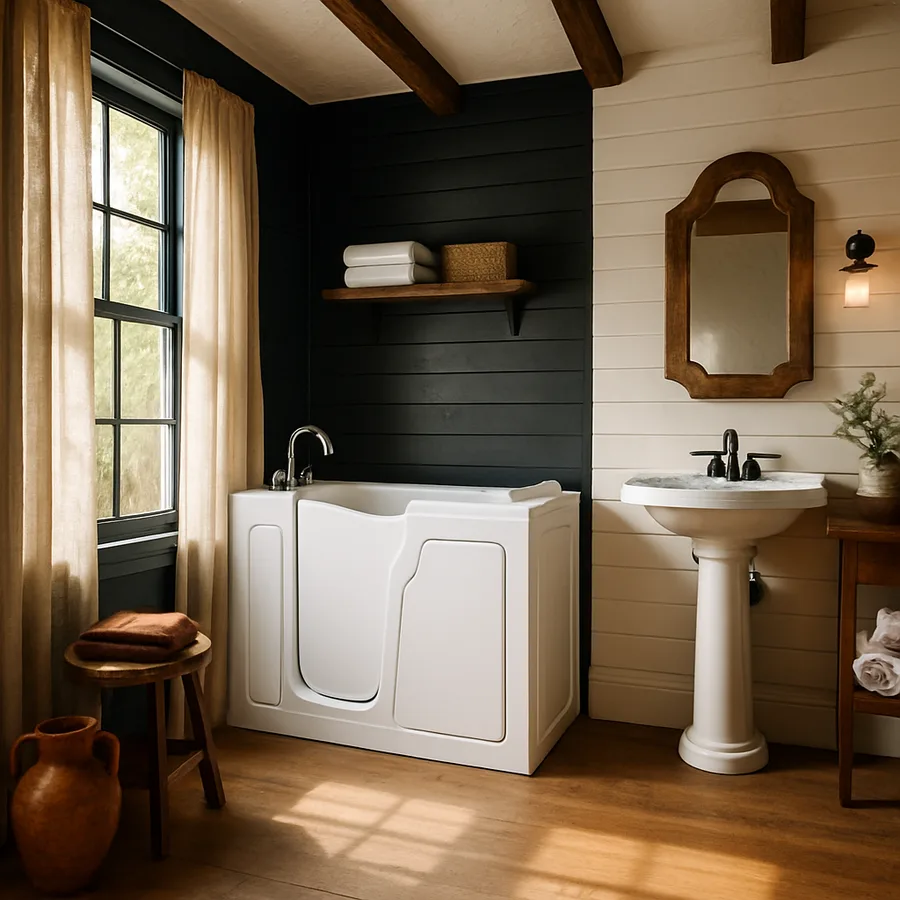
The walk-in tub category has a deserved reputation problem. For every homeowner happy with their purchase, there seems to be one with a horror story about a $12,000 installation that leaked within six months, a door that stopped sealing after the first thousand uses, or a bathroom remodel that turned into a year-long warranty dispute. The category is not inherently bad; the issue is that the industry has historically been dominated by aggressive direct sales and underwhelming engineering. Choose carefully and a walk-in tub can extend independent bathing by twenty years. Choose poorly and you have an expensive bathroom decoration with a wet floor.
The single most important factor in walk-in tub reliability is the door, specifically how its sealing system holds up under thousands of cycles, varying water temperatures, and the inevitable settling of the tub frame over time. According to industry surveys, door-related issues account for roughly 60% of all warranty claims on walk-in tubs, far ahead of jets, heating elements, or surface finishes. If you understand door seal engineering before you buy, you have already avoided the most common failure mode in the category.
Inward vs Outward Swing Doors
Walk-in tub doors swing in one of two directions, and the choice has significant implications for both safety and seal reliability. Inward-swinging doors are the older and more common design. The door opens into the tub interior, which means the user has to pull it closed, sit down, and let the water rise around the door. The water pressure inside the tub presses the door against its frame, helping create the seal. This is mechanically elegant: the more water you have, the tighter the seal.
The drawback is emergency egress. If the user has a medical emergency while bathing, an inward-swinging door cannot be opened until the water has fully drained, which can take 90 to 180 seconds depending on the drain system. For users with cardiac conditions, severe arthritis, or panic disorders, that wait is genuinely dangerous. Many independent advisors, including the American Occupational Therapy Association, now recommend outward-swinging doors specifically for users with conditions that might require quick exit.
Outward-swinging doors open out of the tub, allowing the user to step out at any water level. The catch is that the door cannot rely on water pressure to maintain its seal; instead, it depends entirely on the latching mechanism and gasket compression. This places much higher demands on the engineering, and it is where lower-tier manufacturers tend to fail. A high-quality outward-swing door uses multiple latch points, a precision-machined frame, and a compression gasket that is designed for tens of thousands of cycles. A low-quality outward-swing door uses a single latch and a generic rubber strip that flattens within months.
Gasket Materials and Why They Matter
The gasket is the soft material that compresses between the door and the frame to create a watertight seal. Three gasket materials dominate the market, and they perform very differently over time. EPDM rubber is the most common because it is inexpensive and reasonably durable, but it tends to take a permanent set after a few years of use, meaning it stops springing back to its original shape and starts allowing slow leaks. Most budget walk-in tubs use EPDM and most begin leaking within three to five years.
Silicone gaskets are the mid-tier option. They handle temperature swings better than EPDM, resist mold and mildew growth, and maintain their compressibility for considerably longer. Expect a silicone gasket to last 8 to 12 years before it needs replacement. The catch is that silicone is softer than EPDM, which means it depends even more on a precisely engineered frame and door fit. A silicone gasket in a sloppy frame will leak from day one.
The premium option is a thermoplastic elastomer (TPE) gasket, often combined with a metal-reinforced core. TPE gaskets resist permanent set almost entirely, handle thousands of cycles without degrading, and can typically be expected to last the full life of the tub. The downside is cost: tubs with TPE gaskets typically run $2,000 to $4,000 more than equivalent silicone-gasket models. For a homeowner planning to age in place for two or more decades, the math usually works in favor of TPE.
The Drain Speed Problem
Even with an outward-swinging door, drain speed matters because it determines how long the user sits in cooling water after bathing. A slow drain is uncomfortable, can lead to chills (which is a falls risk in itself when the user finally stands), and wastes the heated water faster. Standard residential drain plumbing handles about 1.5 gallons per second on a 2-inch drain, which means a 60-gallon walk-in tub takes roughly 6 to 7 minutes to fully empty.
Premium walk-in tubs offer fast-drain systems that use a 3-inch drain plus an air-assist or pump system to evacuate the tub in 60 to 90 seconds. This is a meaningful upgrade for a few reasons. The user spends less time in cooling water. The bathroom is unlikely to fog over from the extended evaporation of warm water. And, critically, an outward-swing door can be opened with less risk of a few gallons of water sloshing onto the bathroom floor if the drain is nearly empty.
When evaluating drain speed, ask the manufacturer for the specific time from full tub to fully drained, not just "fast drain." Also ask whether the fast drain system requires a dedicated electrical circuit, since some pump-assisted drains do. The National Kitchen and Bath Association publishes a guide on residential drain plumbing standards that is helpful when comparing manufacturer claims to real-world performance.
Frame Materials and Long-Term Stability
A walk-in tub door can only seal reliably if the frame holding it stays square over time. Tubs flex slightly under the weight of water and a bathing user, and any flex telegraphs to the door frame. If the frame is built from cheap steel that is then surrounded by a thin acrylic shell, the flex can cause the door to misalign within a few years, and no gasket on the market will compensate for a frame that is no longer square.
The best walk-in tubs use a welded steel or stainless steel structural frame rated for the weight of the tub, the water, and the user combined, with a substantial safety margin. Look for manufacturers who publish their frame load ratings rather than vague "heavy-duty" marketing language. Stainless steel resists corrosion in the wet environment of a bathroom, which matters because corrosion of internal frame components is a quiet failure mode that often does not show up until the door starts misaligning.
Have you asked your sales representative what the frame is made of? Many representatives genuinely do not know, and the answer is buried in technical documentation rather than the consumer brochure. If the answer is a long pause or vague language about "premium materials," that is a signal to keep looking. A confident manufacturer will tell you the gauge, the material, and the load rating without hesitation.
Warranty Reality and How to Read It
Walk-in tubs are routinely advertised with "lifetime warranties." Read the actual warranty document, not the brochure, before you sign anything. Lifetime warranties typically cover the tub shell against cracking and the frame against structural failure, but exclude the most common failure modes: gaskets, seals, latches, jets, heaters, and pump components. These wear parts often have separate warranties of one to five years, which is closer to the real-world reliability window.
Also read the labor warranty separately from the parts warranty. Many manufacturers cover replacement parts but require the homeowner to pay labor for any service call after the first year. Replacing a gasket on a walk-in tub is not a 30-minute job; it can require partial disassembly of the door frame and may run $400 to $800 in labor alone. A "lifetime parts" warranty without labor coverage is not the deal it appears to be.
Look for manufacturers with strong third-party validation. Check the Better Business Bureau rating, search for class-action history, and read complaints filed with state attorneys general. The National Association of Home Builders maintains general guidance on evaluating home improvement contractors and product manufacturers, and a few hours of research before signing can save tens of thousands of dollars in regret.
Installation Quality Determines Seal Performance
Even the best-engineered walk-in tub will leak if it is installed badly. The tub must sit on a perfectly level surface, plumb to within a small tolerance in both directions, with proper support under the entire footprint and not just at the corners. A tub installed on an out-of-level floor will eventually develop door alignment problems even if it sealed perfectly on day one.
The supply and drain plumbing must be installed without putting any stress on the tub fittings. Cross-threaded drain connections, over-tightened supply lines, or improperly aligned trap arms all telegraph stress into the tub structure and can compromise door alignment over time. The AARP Age-Friendly Bathroom Guide includes a useful checklist for homeowners hiring an installer, including questions to ask about previous walk-in tub experience.
Ask any prospective installer how many walk-in tubs they have installed in the last twelve months and request references from at least three of those installations. A general remodeler with two walk-in tubs to their name is far less likely to deliver a leak-free result than a specialist who installs them weekly. Also ask whether the installer is certified by the manufacturer of the specific tub you are buying, since most manufacturers offer training programs and only some installers complete them.
Conclusion
A walk-in tub that seals reliably for twenty years is absolutely achievable, but it is not the median outcome in the current market. The category includes excellent products from a handful of serious manufacturers and a much larger pool of mediocre products sold aggressively to homeowners who do not know what to ask. The difference between the two outcomes is mostly knowable in advance, if you commit a few hours to reading specifications, warranty documents, and independent reviews before you sign a contract.
Focus your evaluation on three areas. First, the door swing direction and the engineering of its sealing system, particularly the gasket material and latching mechanism. Second, the structural frame material and its load rating, since a tub that stays square in year fifteen is a tub whose door can still seal. Third, the installer's track record specifically with walk-in tubs, not just bathrooms in general. Get those three right and you have eliminated most of the common failure modes that haunt the category.
Budget realistically. A high-quality walk-in tub with TPE gaskets, a stainless frame, fast drain, and certified installation typically runs $9,000 to $18,000 installed, depending on the bathroom configuration and any structural changes required. That is a lot of money, but it is a fraction of the cost of assisted living, which the Genworth Cost of Care Survey places at over $54,000 per year nationally. A $15,000 tub that buys five additional years of independent living is a financial winner, in addition to a quality-of-life winner.
Before you sign anything, do this: get written quotes from at least three manufacturers, ask each of them to specify gasket material, frame material, drain time, and complete warranty terms in writing, and search the manufacturer name plus "lawsuit" and "complaints" online. The hour you spend on that research will tell you more about the reliability of your purchase than any sales presentation ever could. Insist on a sit-in demonstration before you commit, ideally in a showroom where the actual user can experience the door swing, the seat height, the controls, and the entry geometry firsthand. Sales literature and even high-quality videos cannot substitute for the physical experience of stepping into the tub, lowering yourself onto the seat, and assessing whether the controls and the egress feel safe. If a vendor cannot arrange a hands-on demonstration anywhere within reasonable driving distance, treat that limitation as a serious negative in your overall evaluation of the brand.
More Articles You May Like



Comments
Post a Comment