Transform Your Space: 10 Timeless Room Interior Design Tips for Every Home
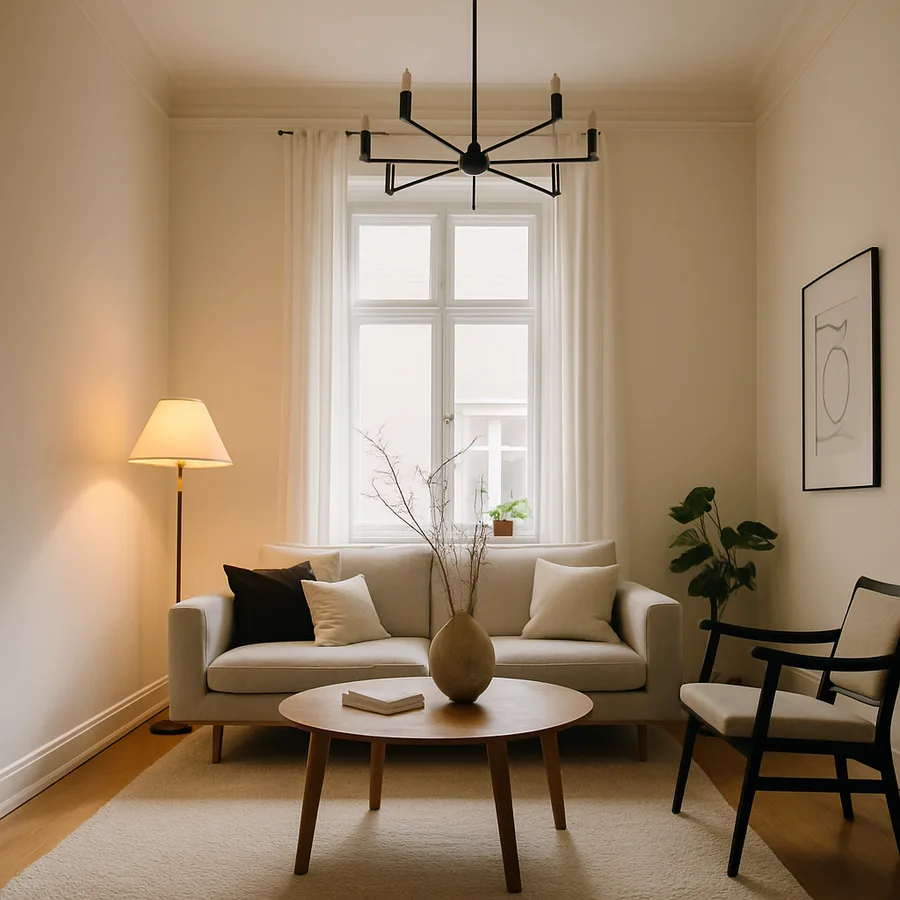
Have you ever walked into a room and felt instantly at ease, captivated by the space's harmony and balance? That's the power of effective interior design, which is not only about aesthetics but also about functionality and personal expression. This comprehensive guide will arm you with ten timeless room interior design tips that can elevate any space in your home. Whether you're redecorating a single room or planning a full-home makeover, understanding these foundational principles is crucial. With insights from industry experts and strategies that stand the test of time, you're about to embark on a transformative journey that turns your living space into a true reflection of your style and needs.
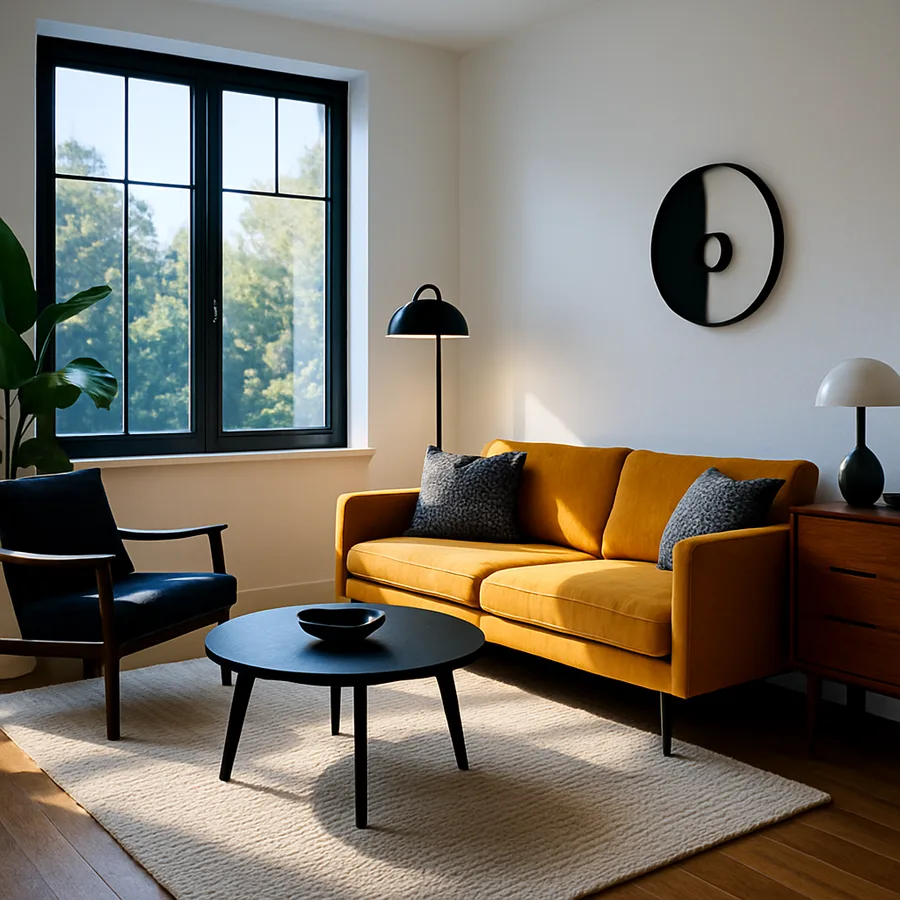
What You Need to Know First
Before diving into the specifics of room design, it's essential to understand the basics. Firstly, knowing your style is crucial. Are you drawn to the clean lines of modern design, or do the cozy elements of rustic decor appeal more to you? According to a survey by Houzz, most homeowners begin their interior design journey by exploring online platforms like Houzz and Pinterest for style inspiration. These platforms offer a plethora of images and ideas to help you pinpoint your aesthetic preferences.
Next, it's important to assess the functionality of your space. Consider how you use each room daily. Where do you spend the most time? Do you need more storage, or perhaps better lighting? Experienced professionals often note that the most successful designs marry form and function seamlessly. As a practical step, map out your routine and the flow of each room to identify what changes could improve your lifestyle.
Finally, consider the long-term investment. Well-designed interiors can increase the resale value of your home by up to 15%, according to industry surveys. This is not just about beautifying your space but also about enhancing your property's marketability. Understanding the potential return can help justify the costs associated with hiring professionals or purchasing high-quality materials.
Step-by-Step Process
Transforming your space begins with a clear plan. Start with a mood board - a collection of images, textures, and colors that represent your desired aesthetic. This not only helps to clarify your vision but also serves as a communication tool with designers or contractors. Platforms like Pinterest allow you to create digital mood boards effortlessly, which can be shared for collaborative input.
Once your vision is clear, move on to the layout. Measure your space meticulously and sketch a floor plan. Tools like SketchUp or RoomSketcher offer user-friendly options for creating detailed layouts that consider furniture placement and traffic flow. Remember, a well-planned layout can maximize space and improve practicality, making it a critical step in the design process.
With your layout in place, focus on selecting materials and finishes. Opt for timeless elements such as hardwood floors, neutral paint colors, and classic fixtures that won't quickly go out of style. According to the American Society of Interior Designers (ASID), materials like natural stone and sustainable woods are not only trendy but also durable, making them wise investments for any home.
Finally, consider lighting as a key design element. Layered lighting, which includes ambient, task, and accent lighting, can dramatically change the mood of a room. Use dimmers for flexibility and consider smart home systems to integrate lighting control seamlessly.
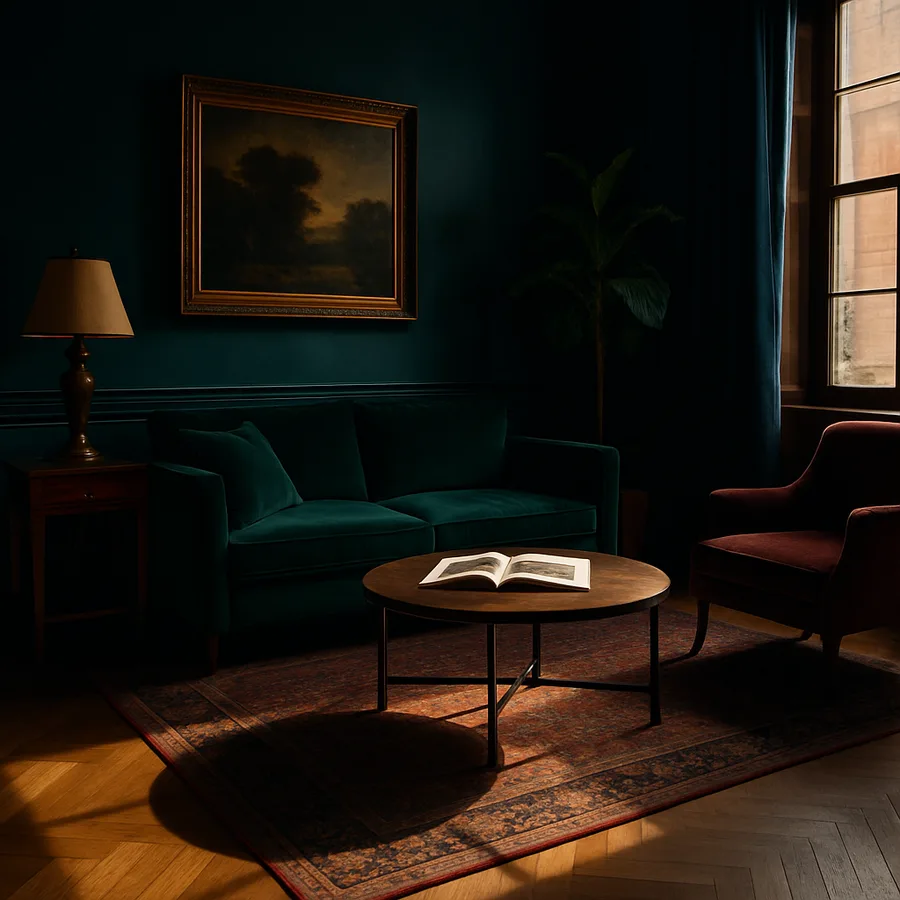
Common Mistakes to Avoid
Even the best intentions can lead to design missteps. One common mistake is overcrowding a room with furniture. This not only impacts the room's functionality but also creates a cluttered appearance. To avoid this, focus on scaling your furniture to fit the room's dimensions. A large sectional might overwhelm a small living room, whereas a sleek sofa could be the perfect fit.
Another pitfall is neglecting the importance of color balance. While bold colors can make a statement, using them excessively can overwhelm the senses. Instead, utilize the 60-30-10 rule: 60% of the room should be a dominant color, 30% a secondary color, and 10% an accent color. This formula creates harmony and allows for creative expression without chaos.
Lastly, don't overlook the power of personal touches. Rooms that feel generic often lack the unique elements that reflect the homeowner's personality. Incorporate personal artifacts, family photos, or travel souvenirs into your design. These elements tell a story and make a space uniquely yours.
Pro Tips from Industry Experts
Experienced designers often emphasize the significance of investing in quality over quantity. High-end pieces, even if few, can anchor a room and elevate its overall aesthetic. According to the International Interior Design Association (IIDA), items like a designer chair or a statement light fixture can become focal points that draw the eye and set the tone for the entire room.
Another expert tip is to embrace biophilic design, which incorporates natural elements like plants, water, and natural light into interiors. This approach not only enhances aesthetic appeal but also promotes well-being. Research suggests that environments with biophilic elements can reduce stress and improve productivity-a compelling reason to include greenery in your home.
Finally, consider using technology to your advantage. Augmented Reality (AR) and Virtual Reality (VR) tools are becoming increasingly popular for visualizing design changes before they are physically made. Platforms like Modsy and Houzz offer these services, allowing you to experiment with different styles and layouts virtually, thus minimizing costly mistakes.
Budget and Timeline Considerations
Establishing a realistic budget is a cornerstone of successful interior design. For a single room redesign, expect to spend between $5,000 and $15,000, while full-home projects can range from $50,000 to $150,000 or more. These estimates cover materials, labor, and potential design fees, ensuring you are prepared for all financial aspects of your project.
When it comes to timelines, patience is key. Most redesigns follow a typical project phase: concept development, design presentation, procurement, installation, and styling. Each phase has its own timeline, often stretching over several months for larger projects. According to experts from the NCIDQ (National Council for Interior Design Qualification), allowing adequate time for each phase ensures quality results and reduces the risk of unforeseen delays.
Communicate openly with your designer about your timeline expectations. This ensures alignment and helps manage any potential disruptions, such as back-ordered materials or scheduling conflicts. Remember, a well-planned project timeline is as important as the design itself for achieving your dream space.
Real-World Examples and Case Studies
Consider the transformation of a dated suburban home into a chic, modern retreat. By focusing on open-plan living, the design team increased natural light and improved flow between spaces. This not only enhanced the home's visual appeal but also increased its market value by over 10%, demonstrating the financial benefits of thoughtful design.
Another example involves a small city apartment that utilized multipurpose furniture to maximize space. The inclusion of a Murphy bed and collapsible dining table allowed the owner to maintain an open living area without sacrificing functionality. These strategic choices illustrate how innovative design solutions can overcome spatial limitations.
Finally, a case study from Houzz highlights a family home where biophilic design principles played a key role. By incorporating a vertical garden and large windows, the designers created a seamless indoor-outdoor experience, which the homeowners credit with improving their overall well-being and connection to nature.
Conclusion
Transforming your space is not just about updating decor; it's about enhancing your environment to better suit your lifestyle and preferences. By understanding foundational design principles, avoiding common pitfalls, and leveraging expert strategies, you can achieve a timeless, functional, and beautiful home. Are you ready to start your design journey? Begin by exploring designer portfolios on platforms like Houzz this week-just 20 minutes of research can refine your vision and inspire your next steps. Remember, a thoughtful approach today can lead to a lasting transformation that you'll enjoy for years to come.
More Articles You May Like


Comments
Post a Comment