Transform Your Space: 10 Innovative Room Interior Design Ideas for Every Style
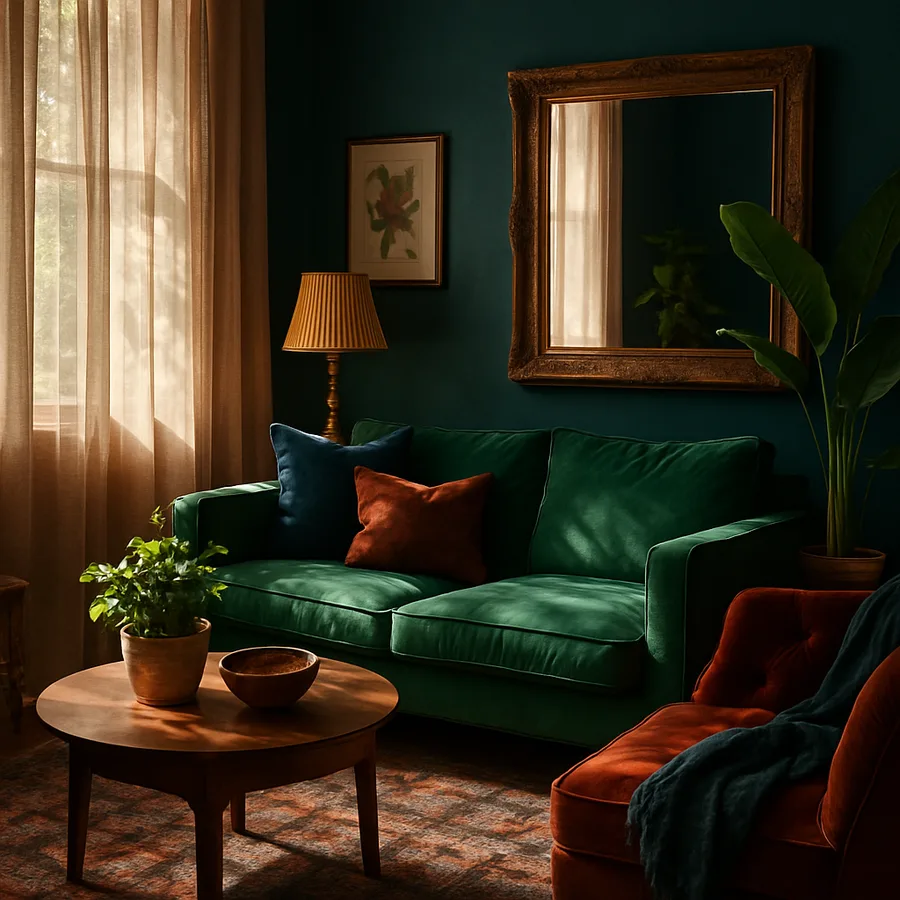
Have you ever walked into a room and felt an instant sense of calm and inspiration? That's the magic of well-executed interior design. Whether you're aiming to refresh a single room or overhaul your entire home, understanding the principles and ideas that drive successful design can be transformative. In this guide, we'll explore ten innovative room interior design ideas that cater to every style, offering you the tools to create spaces that not only look stunning but also function seamlessly. From understanding prerequisites to learning from real-world examples, this article will equip you with the knowledge to embark on your interior design journey confidently.
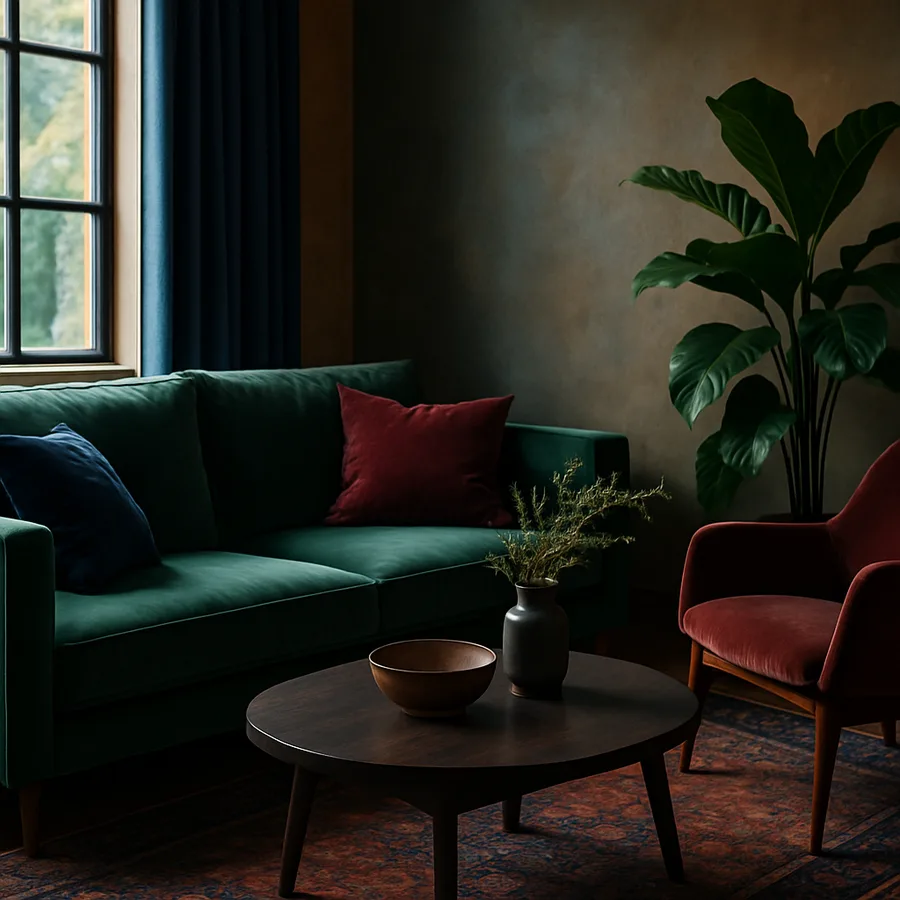
What You Need to Know First
Before diving into the world of interior design, it's crucial to understand the foundational elements that will guide your project. For starters, distinguishing between a certified interior designer and a decorator can impact the outcome significantly. Certified designers, often holding NCIDQ (National Council for Interior Design Qualification) or ASID (American Society of Interior Designers) credentials, bring a depth of expertise that encompasses both aesthetics and functionality. This distinction matters because certified designers are trained to create spaces that not only look good but also comply with building codes and accessibility standards.
Next, consider the latest design trends that could influence your choices. For instance, the concept of biophilic design, which emphasizes natural materials and indoor-outdoor integration, is gaining traction. Such trends are not just about aesthetics; they reflect a broader shift towards sustainable living. According to Houzz's annual survey, homeowners are increasingly investing in eco-friendly materials and smart home technologies. This trend suggests that aligning your design with these principles could enhance both the environmental impact and the long-term value of your home.
Finally, setting realistic expectations about budget and timeline is essential. A single room redesign typically costs between $5,000 and $15,000, while full-home projects can range from $50,000 to $150,000 or more. Understanding these figures upfront helps you plan effectively and avoid costly surprises down the line. With these fundamentals in mind, you're ready to explore the step-by-step process of transforming your space.
Step-by-Step Process
The first step in any interior design project is concept development. This phase involves gathering inspiration and defining your vision. Platforms like Houzz and Pinterest are invaluable for curating ideas and understanding what resonates with you. Once you've identified your aesthetic preferences, it's time to consider the functionality of the space. Map out how each room will be used, noting areas that need improvement, such as lighting, storage, or flow.
Next comes the design presentation stage, where you'll work with a designer to create detailed plans and 3D renderings. This is where tools like AR/VR visualization can be a game-changer, allowing you to see potential changes in real time. These advanced technologies help bridge the gap between concept and reality, ensuring that your vision aligns with practical considerations. After finalizing the design, the procurement phase begins. This involves ordering materials and furniture, which can take several weeks, depending on supplier lead times.
Installation is the penultimate step, where the design comes to life. It's crucial to have a clear timeline and contingency plans in place, as unexpected delays can occur. Finally, styling is the finishing touch that brings personality and warmth to your space. This stage allows for personalization with art, plants, and textiles, adding layers that reflect your unique style. With the process laid out, let's turn our attention to common mistakes to avoid.
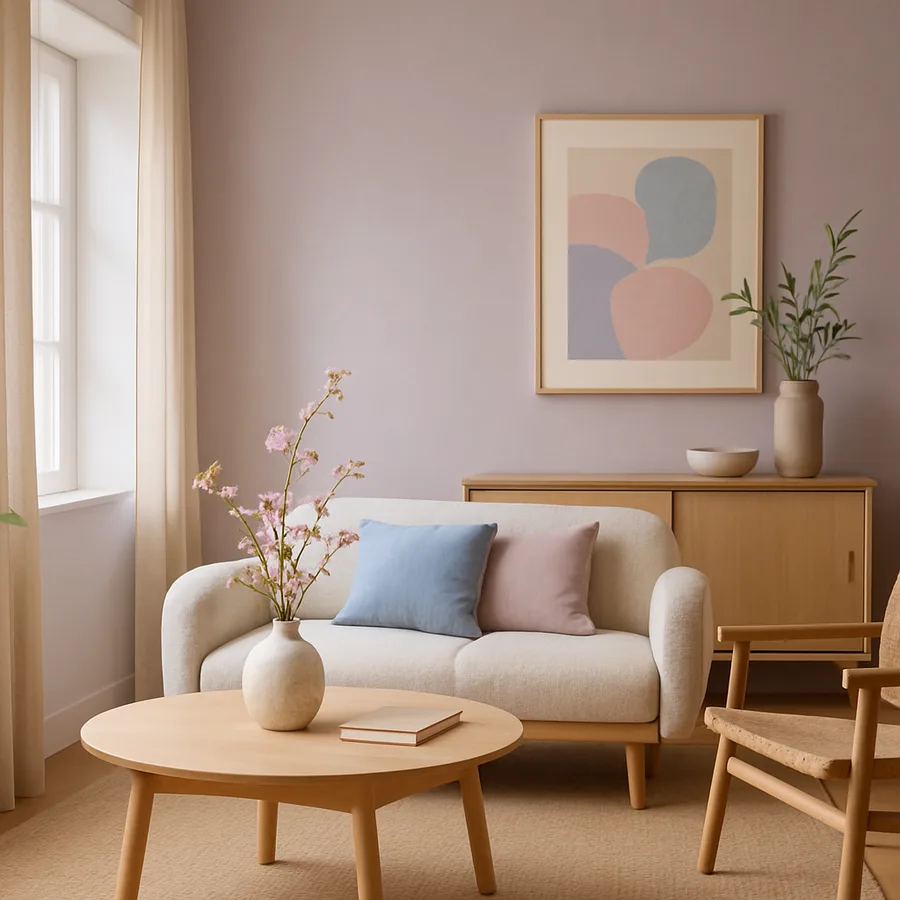
Common Mistakes to Avoid
One of the most frequent pitfalls in interior design is neglecting the importance of scale and proportion. It's easy to fall in love with a piece of furniture, only to find it overwhelms the room once installed. To avoid this, always measure your space and consider how new items will fit within the existing layout. Experienced professionals often note that balance is key; a large sofa might need to be countered with substantial artwork or lighting to maintain harmony.
Another common mistake is ignoring lighting. A well-designed space relies on a combination of ambient, task, and accent lighting to create depth and mood. Relying solely on overhead lights can leave a room feeling flat and uninspired. Instead, incorporate various light sources and use dimmers to adjust the ambiance according to different needs and times of day.
Lastly, many DIY designers overlook the importance of a cohesive color palette. While it can be tempting to experiment with bold hues, a disjointed color scheme can disrupt the flow of your home. Use a color wheel to guide your choices, ensuring that colors complement each other and reflect the mood you wish to create. Avoiding these mistakes will set the stage for a more successful and satisfying design experience.
Pro Tips from Industry Experts
Industry experts emphasize the value of investing in quality over quantity. While it might be tempting to fill a space quickly with budget-friendly items, choosing fewer, high-quality pieces can lead to a more lasting and luxurious feel. This approach aligns with the trend of "quiet luxury," which focuses on understated elegance and enduring style. As noted by the Architectural Digest, investing in craftsmanship not only elevates the aesthetic but also adds value to your home.
Another pro strategy is to incorporate personal touches that tell a story. Whether it's a piece of art collected on travels or a family heirloom, these elements add depth and character to your design. Experienced designers often suggest starting with a neutral base and layering in these personal items, allowing them to stand out without overwhelming the space.
Finally, leveraging technology can streamline the design process. Tools like SketchUp or RoomSketcher enable you to play with layouts and visualize changes before committing. This not only reduces the risk of costly mistakes but also allows for greater creativity and experimentation. The integration of smart home technology, such as automated lighting and climate control, can further enhance the functionality of your space, making it both beautiful and efficient.
Budget and Timeline Considerations
When planning your design project, understanding budget constraints and timeline expectations is crucial. Allocating a realistic budget at the outset helps prioritize spending and ensures that essential elements are not compromised. According to ASID, a well-planned budget typically includes a cushion for unexpected expenses, which often arise during renovation projects.
In terms of timeline, it's important to account for each phase of the project. Concept development and design presentation can take several weeks, depending on the complexity and scale. Procurement often presents the most significant delays, as supply chain issues can extend lead times for furniture and materials. Installation and styling are generally quicker phases, but scheduling conflicts with contractors can sometimes slow progress.
To keep your project on track, consider creating a detailed project management plan with milestones and deadlines. Regular check-ins with your designer or contractor can help identify potential issues early and adjust plans as needed. This proactive approach not only saves time and money but also minimizes stress, allowing you to enjoy the process of transforming your space.
Real-World Examples and Case Studies
Let's explore some real-world examples to see these principles in action. A recent project featured in IIDA publications transformed a dated suburban home into a modern oasis. By integrating biophilic design elements, such as large windows and indoor plants, the designer created a seamless connection between the indoor and outdoor environments. This approach not only enhanced the aesthetic appeal but also improved the home's energy efficiency.
Another compelling case study involved a small urban apartment where the challenge was maximizing space without sacrificing style. The designer employed smart storage solutions, such as built-in shelving and multifunctional furniture, to make the most of the limited square footage. By maintaining a cohesive color palette and incorporating mirrors to reflect light, the space felt larger and more inviting.
Lastly, consider a luxury penthouse redesign that embraced the "quiet luxury" trend. With a focus on bespoke furniture and high-end finishes, the space exuded sophistication and comfort. The project underscored the impact of quality craftsmanship and attention to detail, resulting in a timeless interior that will remain stylish for years to come. These examples illustrate the transformative power of thoughtful design, offering inspiration for your own projects.
Conclusion
Transforming your space with innovative interior design ideas can dramatically enhance both the aesthetics and functionality of your home. By understanding foundational principles, avoiding common pitfalls, and applying expert tips, you can create environments that reflect your style and meet your practical needs. As you embark on your design journey, begin by browsing portfolios on platforms like Houzz or consulting with certified professionals to refine your vision. Even a short investment of time in research can significantly sharpen your eye for design and clarify your preferences. Start today-your dream space awaits.
More Articles You May Like



Comments
Post a Comment