Transform Your Space: 10 Must-Try Interior Design Ideas for Every Home
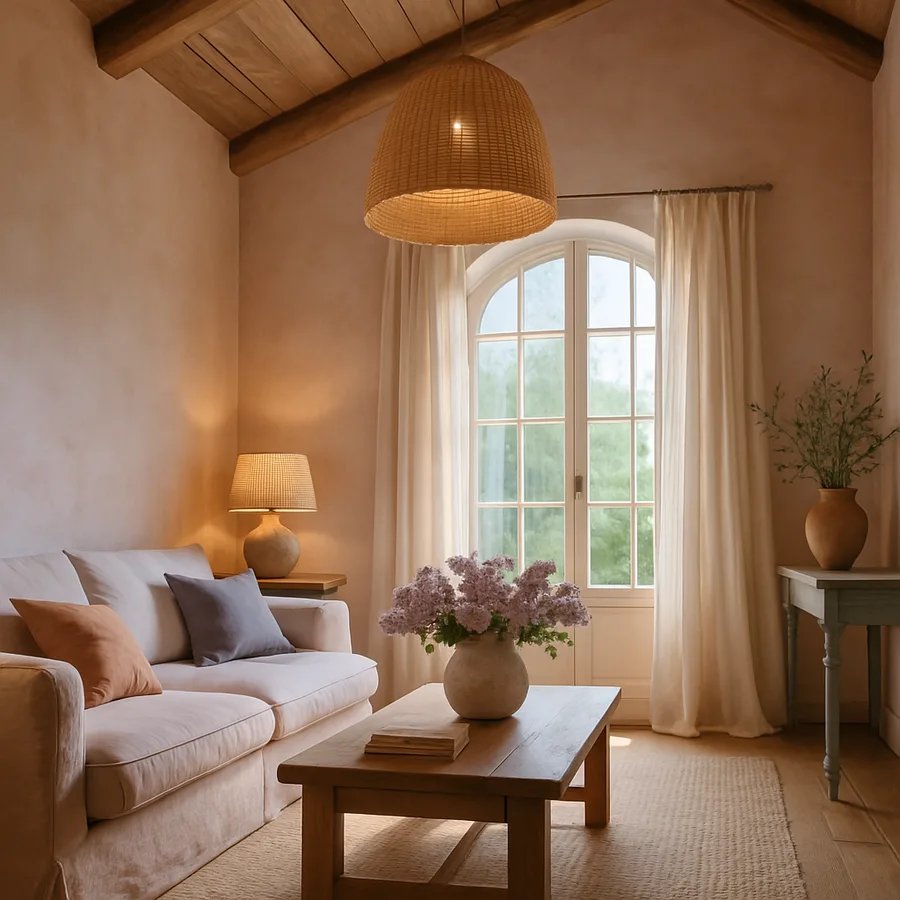
Have you ever walked into a room and instantly felt a sense of peace, as if the space itself was whispering "welcome home"? That's the power of thoughtful interior design. In today's fast-paced world, your home should be a sanctuary. It's where you relax, recharge, and reconnect. But transforming your space doesn't have to be a daunting task. With the right insights and inspiration, you can create a stunning environment that reflects your style and meets your needs. This article will explore 10 must-try interior design ideas that are shaping homes today, backed by industry trends and expert opinions. We'll dive into the current landscape, the factors driving change, what research reveals, practical applications, expert perspectives, and what's on the horizon. Ready to discover how you can enhance your living space?
The Current Landscape
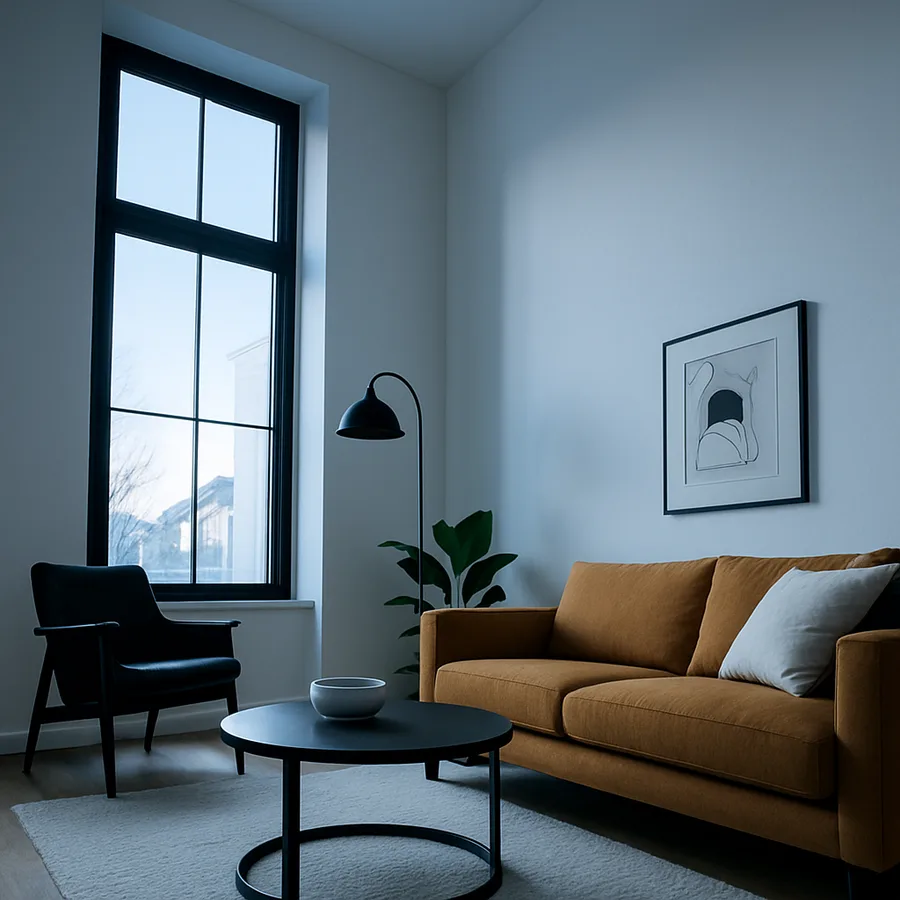
The interior design world is experiencing a significant shift as homeowners seek spaces that are not only aesthetically pleasing but also functional and sustainable. Today, there is a strong focus on creating environments that promote well-being and reflect personal values. This shift is largely driven by a growing awareness of how our surroundings affect our mental and physical health. According to the American Society of Interior Designers (ASID), more people are prioritizing spaces that support their lifestyle and enhance their quality of life.
One of the most notable trends is the rise of biophilic design, which integrates natural elements into interiors. This trend emphasizes the use of natural materials, plenty of greenery, and designs that blur the line between indoor and outdoor spaces. The aim is to create environments that foster connections with nature, which studies have shown can reduce stress and increase productivity. Platforms like Houzz offer endless inspiration for incorporating these concepts into your home.
Another significant trend is the emphasis on sustainability. More designers and homeowners are opting for sustainable materials and practices, such as using reclaimed wood or choosing energy-efficient appliances and fixtures. This shift not only reflects a growing environmental consciousness but also a desire for longevity and resilience in design. As we move forward, these elements are set to become staples in every well-designed home.
Key Factors Driving Change
Several factors are driving the evolution of interior design, both in terms of aesthetics and functionality. One major driver is technology. With advancements in smart home technology, homeowners can now integrate lighting, climate control, and even window treatments into their home designs. These innovations offer convenience and can significantly enhance the comfort and energy efficiency of a home.
Demographic shifts also play a crucial role. As millennials become the largest group of homebuyers, their preferences for minimalism, flexibility, and functionality are influencing design trends. According to a survey by the International Interior Design Association (IIDA), this generation values open floor plans, multipurpose spaces, and technology integration, which are all reflected in current design concepts.
Furthermore, the global pandemic has redefined our relationship with our homes. With more people working remotely, there is an increased demand for home offices that are both functional and stylish. This has led to a surge in demand for furniture and design solutions that accommodate work-from-home lifestyles without sacrificing aesthetic appeal. These factors combined are shaping the future of interior design in profound ways.
What the Research Shows
Research provides valuable insights into the effectiveness of various design strategies. For instance, studies have shown that well-designed interiors can enhance a home's resale value by 5-15%. This is a compelling statistic for homeowners considering renovations or redesigns. The National Council for Interior Design Qualification (NCIDQ) underscores the importance of certified designers in achieving these results, as they bring expertise that can maximize both aesthetic and financial returns.
Another critical finding from Houzz's annual surveys is that homeowners are increasingly satisfied with projects that incorporate elements of personalization and sustainability. These projects not only meet immediate functional needs but also align with long-term goals and values. This satisfaction is often linked to the use of innovative tools like AR/VR room visualization, which allows homeowners to see potential designs in their space before making a commitment.
Moreover, studies suggest that incorporating elements like natural light and eco-friendly materials can lead to improved mental health outcomes. This aligns with the principles of biophilic design, which aims to create harmony between human beings and their environments. Such research highlights the importance of thoughtful design choices that go beyond mere aesthetics.
Practical Implications for You
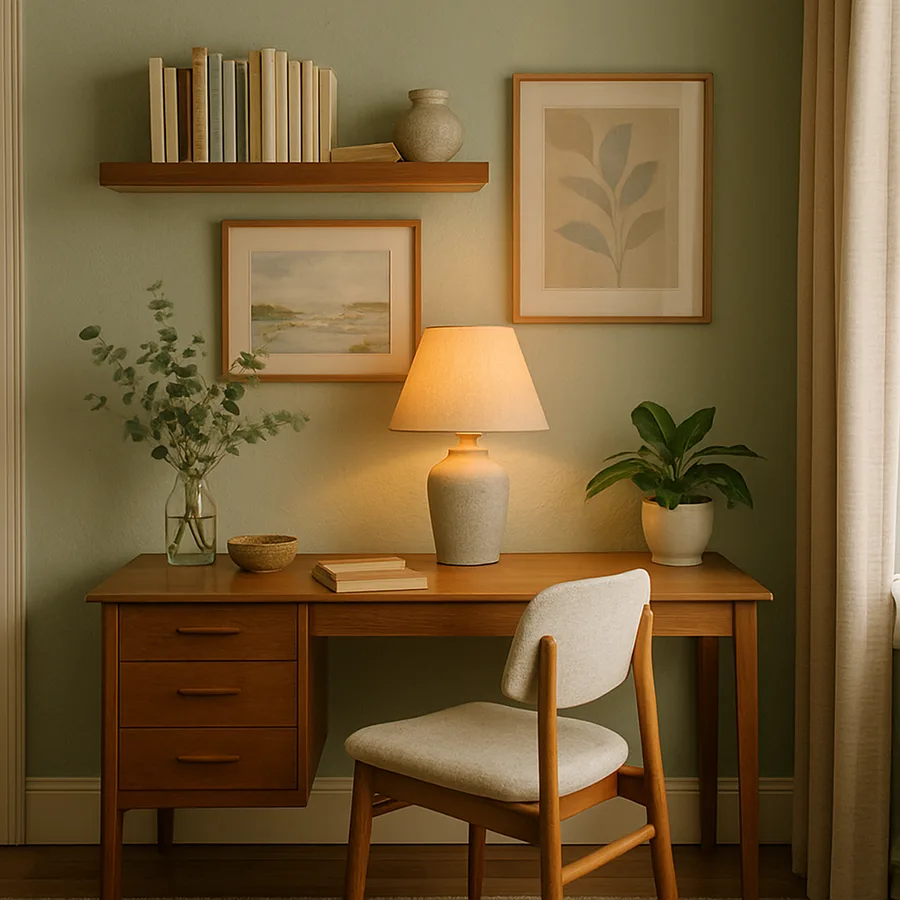
So, how can these insights be applied to your home? Start by assessing your needs and priorities. Consider how you use each room and what changes could enhance its functionality and appeal. For instance, if you work from home, creating a dedicated office space with ergonomic furniture and good lighting could boost your productivity and comfort.
Next, think about integrating technology to enhance your living experience. Smart home devices can streamline daily tasks and improve energy efficiency. Whether it's smart lighting that adjusts based on natural light levels or automated thermostats that optimize heating and cooling, these tools can make your home more comfortable and convenient.
Finally, embrace the principles of sustainability and biophilic design. Incorporate natural materials, such as wood and stone, and add greenery to your interiors. Not only will this create a more inviting and calming atmosphere, but it can also improve air quality and support your overall well-being. Have you considered how these elements could transform your space?
Expert Perspectives
Experienced professionals often note that the key to successful interior design lies in personalization. According to industry consensus, spaces that reflect the homeowner's personality and lifestyle tend to be the most successful. This means going beyond trends to create a home that truly feels like yours. Certified interior designers, particularly those with NCIDQ credentials, can guide you in making these personalized choices while ensuring that practical needs are met.
Experts also emphasize the importance of staying informed about industry trends and innovations. For instance, the integration of AR/VR tools in the design process is becoming more commonplace, allowing for a more immersive and accurate planning experience. This technology can help bridge the gap between your vision and reality, ensuring that the final result aligns with your expectations.
Furthermore, professionals underscore the significance of working with skilled tradespeople and craftsmen. A well-designed space is a collaborative effort that involves input from various experts, including architects, builders, and artisans. Engaging with professionals who have a strong reputation and proven expertise can make all the difference in the outcome of your project.
Looking Ahead
As we look to the future of interior design, several trends are set to continue shaping the industry. The emphasis on sustainability and wellness will persist, driven by an increasing awareness of environmental and health issues. Designers will continue to explore innovative ways to create spaces that are both beautiful and beneficial to their inhabitants.
Additionally, the role of technology in design will likely expand. With advancements in smart home systems and virtual reality, the possibilities for customization and convenience are endless. These tools will allow homeowners to experiment with designs and create spaces that are perfectly tailored to their needs.
Ultimately, the future of interior design promises to be exciting and dynamic, characterized by a blend of tradition and innovation. Are you ready to embrace these changes and transform your home into a space that reflects both your style and your values?
Conclusion
Transforming your space doesn't have to be an overwhelming task. By staying informed about current trends, understanding the factors driving change, and applying research-backed strategies, you can create a home that is both functional and aesthetically pleasing. Remember, the key is personalization-your home should reflect who you are and support your lifestyle.
To get started, consider exploring design platforms like Houzz for inspiration, or consult with certified professionals for expert guidance. Start by browsing portfolios on these platforms this week - even 20 minutes of research will sharpen your eye for what you want. Your journey to a beautifully designed home is just beginning. Are you ready to take the first step?
More Articles You May Like



Comments
Post a Comment