Minimalist vs. Maximalist: Which Interior Design Style Suits Your Home Best?
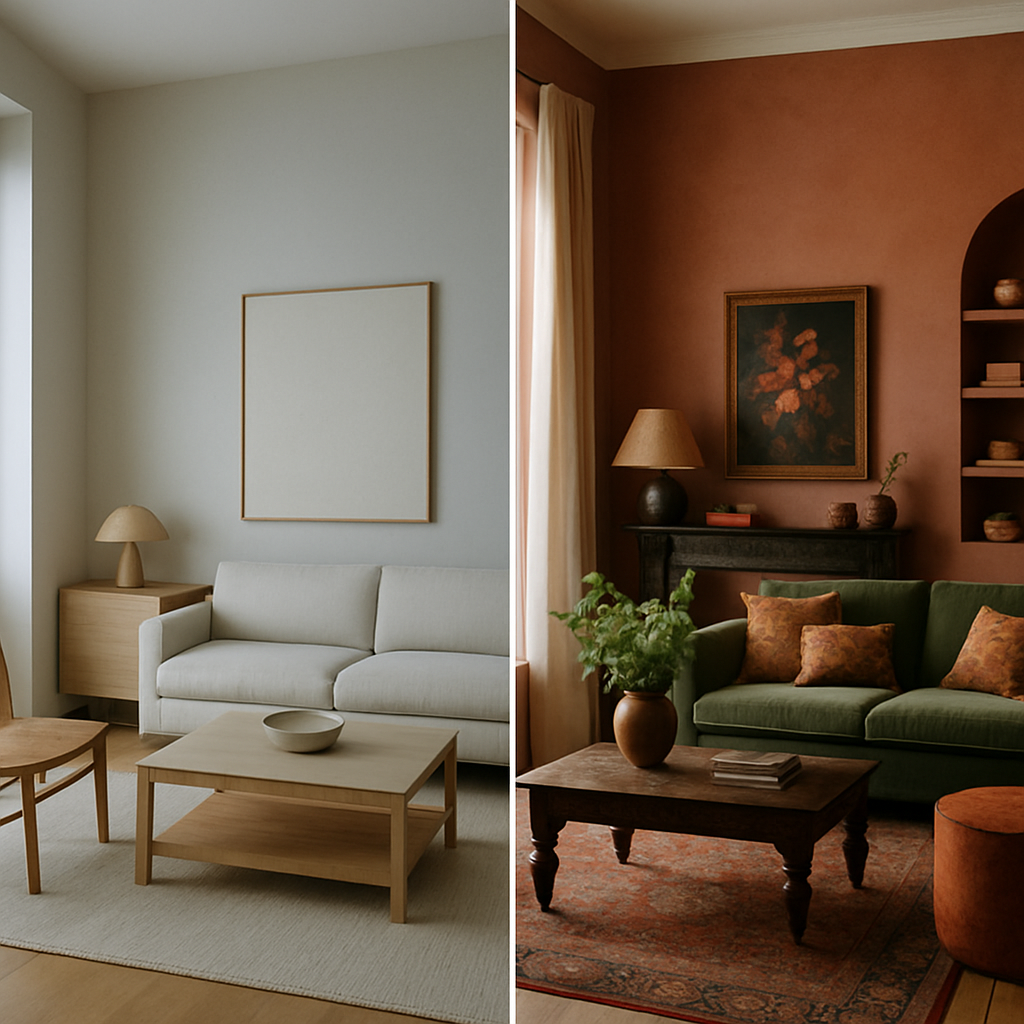
Have you ever walked into a room and felt an overwhelming sense of peace or, conversely, a thrilling rush of energy? These contrasting emotions often stem from the design philosophy of the space. As starkly different as night and day, the minimalist and maximalist interior design styles have captured the imaginations of homeowners worldwide. According to recent data from the American Society of Interior Designers (ASID), nearly 60% of homeowners are exploring new styles to refresh their living spaces. This article will delve into the core principles of both minimalist and maximalist styles, analyze their impacts, and provide guidance on choosing the right aesthetic for your home.
Understanding the Core of Minimalism and Maximalism
At its heart, minimalism is about the essence of simplicity. This style prioritizes clean lines, a restrained color palette, and the idea that "less is more." The focus is on functionality and the careful curation of each piece within a space. This approach not only fosters a sense of calm but also makes rooms appear larger and more open. Minimalism is ideal for those who find peace in uncluttered environments and appreciate the beauty of negative space.
On the opposite end of the spectrum is maximalism, a style characterized by an abundance of color, texture, and patterns. Maximalism embraces the idea that "more is more," encouraging a bold mix of styles and elements. This approach allows for personal expression and creativity, often resulting in spaces that are vibrant and full of life. Maximalism is perfect for those who thrive in energetic environments and want their homes to reflect their eclectic tastes.
Both styles hold their unique appeal and can transform a home in dramatically different ways. Deciding between them often comes down to personal preference and lifestyle. But what drives someone toward one style over the other? Understanding these foundational elements will set the stage for a deeper exploration into their practical applications.
The Impact of Design Style on Your Space
Choosing between minimalism and maximalism can significantly impact your home's ambiance and functionality. According to Houzz's annual survey, minimalist designs often result in a 15% increase in perceived space, allowing smaller areas to breathe and feel more expansive. This is particularly beneficial in urban settings where space is at a premium. Minimalist interiors create a serene environment, making them ideal for those who lead busy lives and seek refuge at home.
On the other hand, maximalist spaces are known for their ability to energize and inspire. A study by the International Interior Design Association (IIDA) found that vibrant, richly decorated spaces can boost creativity and mood, making them perfect for creative professionals or anyone who enjoys a lively home setting. The layered textures and colors can stimulate conversation and provide a dynamic backdrop for entertaining.
When considering your design direction, reflect on how you use your space. Do you need a calming retreat or a space buzzing with creativity? This question can guide your decision and ensure your home reflects your lifestyle and aspirations. The next step is to translate these styles into practical strategies for your living space.
Practical Strategies for Implementing Your Chosen Style
Once you've determined which design philosophy resonates with you, it's time to apply it practically. For those leaning toward minimalism, start by decluttering your space. Remove items that don't serve a purpose or bring joy, a concept popularized by Marie Kondo. Consider investing in multifunctional furniture pieces that maximize utility without sacrificing style. For example, a sleek storage ottoman can offer both seating and storage.
If maximalism is more your style, focus on layering textures and patterns to create depth and interest. Begin with a bold statement piece, such as an oversized artwork or a vibrant rug, and build your design around it. Remember, maximalism is about personal expression, so don't shy away from mixing styles, eras, and materials. A vintage armchair paired with a modern sofa can create a delightful contrast.
Both styles benefit from thoughtful lighting design. Minimalist spaces often use natural light to enhance their airy feel, while maximalist rooms can employ dramatic lighting fixtures that double as art pieces. As you experiment, ask yourself, "Does this represent who I am?" This self-reflection ensures your space remains authentic and aligned with your personal aesthetic.
Expert Insights into Achieving Balance
Experienced professionals often note that balance is key, even within distinct design philosophies. For minimalists, the challenge lies in maintaining simplicity without veering into starkness. According to the National Council for Interior Design Qualification (NCIDQ), incorporating natural elements like wood, stone, and plants can add warmth to minimalist spaces, preventing them from feeling too cold or impersonal.
In maximalist design, balance is achieved by creating focal points. Too many competing elements can overwhelm the senses. Experts suggest using a cohesive color palette to unify diverse patterns and textures. This approach allows for bold expression without sacrificing harmony. Consider the use of a dominant color to tie various elements together, ensuring the space feels intentional rather than chaotic.
Whether you're drawn to minimalism or maximalism, understanding these nuances can help you create a home that not only looks stunning but also functions seamlessly. As we explore further, we'll delve into additional expert tips to perfect your chosen style.
Additional Depth: Integrating Trends and Personal Touches
Integrating current design trends can refresh your space and keep it feeling modern. For minimalists, the biophilic design trend-emphasizing natural materials and indoor-outdoor flow-can enhance the tranquility of the space. Incorporating elements like living walls or large windows can merge the indoor with the natural world, creating a serene environment.
Maximalists might find inspiration in the "quiet luxury" trend, which embraces understated elegance through high-quality materials and bespoke furnishings. This trend allows maximalists to indulge in opulence while maintaining an air of sophistication. Additionally, incorporating smart home technology can enhance both styles, offering convenience and modernity.
Ultimately, your home should be a reflection of your personality. Mixing family heirlooms with contemporary pieces or displaying travel souvenirs in a curated manner can add a unique touch to any design style. How can you incorporate elements that tell your story? This personal touch will ensure your home is not only stylish but also deeply personal.
Final Perspectives on Choosing Your Style
Choosing between minimalism and maximalism is not merely a decision about aesthetics; it's about creating an environment that supports your lifestyle and well-being. Reflect on your daily routines, the emotions you want your space to evoke, and the practical needs of your household. This holistic approach will guide you to a style that feels both comfortable and inspiring.
Remember, design is not static. As your tastes evolve, so can your space. Whether you start minimal and gradually add maximalist elements, or vice versa, your home can adapt to reflect your changing preferences. How do you envision your space evolving over time? Consider this as you make your design choices, ensuring your home remains a true reflection of you.
Conclusion: Making the Right Choice for Your Home
In the end, the choice between minimalism and maximalism comes down to what feels right for you and your household. Each style offers unique benefits and challenges, but both can create beautiful, functional spaces. As you embark on this journey, consider starting with small changes-rearrange a room or update your decor-to see what resonates. Begin by exploring designer portfolios on platforms like Houzz or Instagram to gather inspiration.
Ready to transform your home? Start by browsing portfolios on Houzz this week-even 20 minutes of research will sharpen your eye for what you want. Remember, your home is a canvas for your personal expression. With thoughtful consideration and creativity, you can create a space that is truly yours.
More Articles You May Like



Comments
Post a Comment