Tea Ceremony Room Japanese Tatami Floor Setup
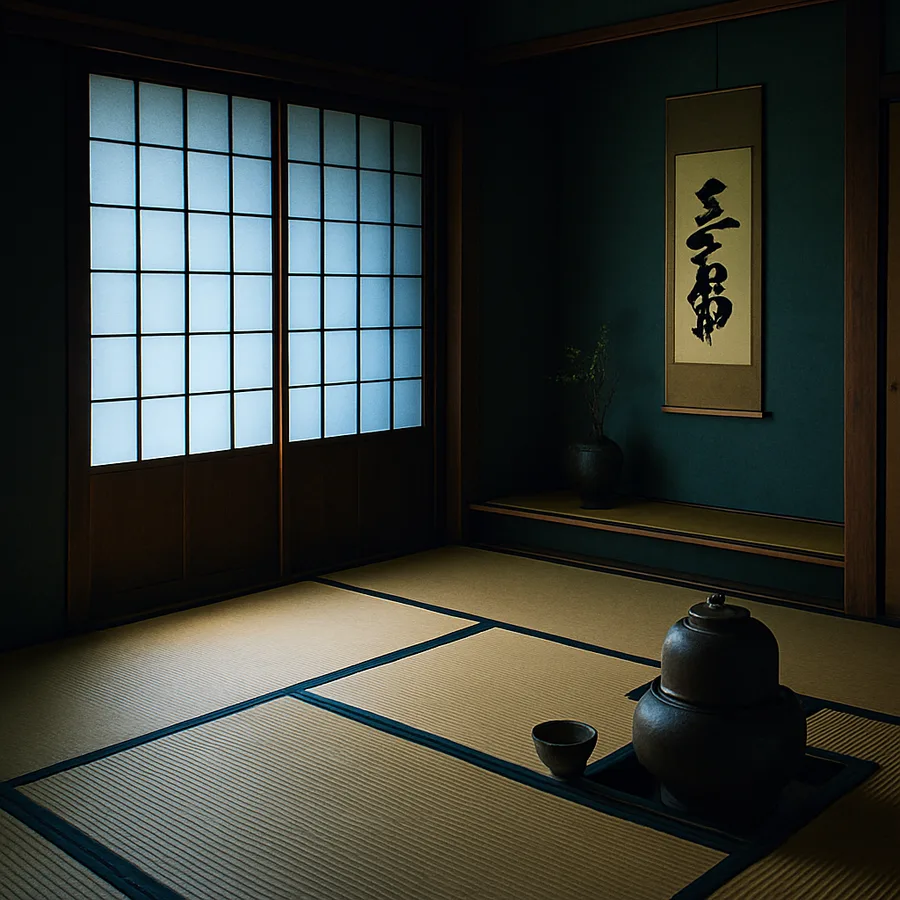
The Japanese tea ceremony - chanoyu, or "the way of tea" - has been refined over more than five centuries into one of the most rigorously designed rituals in human culture. The room that hosts it, the chashitsu, is correspondingly precise. Every dimension, every material, every threshold has a reason rooted in the philosophy of wabi-sabi, the aesthetic of impermanent, humble, imperfect beauty. To build a tea room in a contemporary American home is to take on a quiet but exacting design project that rewards study and punishes shortcuts.
According to the Smithsonian Magazine coverage of Japanese aesthetic traditions, more than 60% of Japanese households once maintained a dedicated washitsu (Japanese-style room), though that share has fallen sharply in postwar urban housing. The renewed interest in slow rituals, mindful design, and authentic craftsmanship has driven a measurable uptick in American homeowners commissioning tea rooms or tatami nooks, particularly in the Pacific Northwest and parts of California where Japanese architectural traditions have long had influence.
Understanding Tatami: The Module That Defines The Room
A tatami mat is not flooring in the Western sense. It is the dimensional module from which the entire Japanese room is calculated. A standard Kyoto-style mat measures roughly 0.91 meters by 1.82 meters (about three feet by six feet), and rooms are sized in mats: a 4.5-mat room, a 6-mat room, an 8-mat room. The traditional tea room is most often yojohan, four-and-a-half mats, a size codified by the sixteenth-century tea master Sen no Rikyu as the ideal scale for intimate practice.
Tatami construction is itself a craft. The core is tightly packed rice straw (or, in modern versions, compressed wood fiber or polystyrene), the surface is woven igusa rush grass, and the long edges are bound in fabric called heri. Authentic igusa mats have a fresh, slightly sweet grass scent that fades over the first year and then settles into a subtle hay-like aroma that intensifies in summer humidity. Quality varies enormously; a hand-bound mat from a Kyoto craftsman costs five to ten times what a mass-produced import does, and the difference is immediately apparent underfoot.
Lay tatami in the shugi arrangement for the tea room - mats positioned in an auspicious pattern with no four corners meeting at a single point. The half-mat at the center supports the ro (sunken hearth) in winter or sits closed in summer when the portable furo brazier is used. The orientation of mats is itself meaningful and not arbitrary; consult a tea practitioner or qualified designer before installation.
The Tokonoma: The Alcove That Centers The Room
The tokonoma is a recessed alcove, typically half a mat to one full mat in width and roughly six to twelve inches deep, that serves as the spiritual focal point of the tea room. It displays a single hanging scroll (kakemono) and a seasonal flower arrangement (chabana), and nothing else. The discipline of one scroll, one flower, and bare wood is the most concentrated expression of wabi-sabi in the entire room.
Construction details matter. The floor of the tokonoma is traditionally a single board of polished wood, often a contrasting species to the rest of the room - paulownia, zelkova, or aged cedar. The back wall is rough plaster with subtle natural pigment, often a warm ochre or a soft grey-green. The supporting post on one side, the tokobashira, is frequently an unmilled tree trunk left with its bark or natural curve intact, a single deliberate imperfection that anchors the room's commitment to natural form.
Place the tokonoma on the wall farthest from the entry, so it is the first sustained sight a guest experiences after settling onto a mat. The scroll and flower arrangement should be at the eye level of a seated guest, approximately three feet off the floor. Rotate the scroll seasonally and the flower weekly, choosing both to reflect the time of year and the spirit of the gathering. Have you considered how the changing of these two objects might mark time more meaningfully than a calendar?
Walls, Ceiling, And The Logic Of Materials
Walls in a chashitsu are traditionally hand-applied clay plaster (juraku) over a bamboo lath. The plaster carries the subtle imperfections of the trowel and the muted color of natural earth pigments - sand, ochre, soft grey, occasionally a faint pink. These colors absorb light rather than reflect it, which is why a tea room feels intimate even when the door slides open onto a bright garden.
Ceilings in the smallest tea rooms are deliberately low, often only six and a half to seven feet. This forces guests to bow slightly upon entry through the nijiriguchi, the famous low crawl-in entry that historically required samurai to leave their swords outside. The ceiling itself is often constructed in two zones: a flat panel of woven bamboo or cedar over the host's area and a sloped, exposed-beam section over the guest area, marking the social geometry of the room.
Wood throughout the room is left in its natural state - unpainted, unstained, sometimes only lightly oiled. Cedar, cypress (hinoki), and pine are the dominant species, chosen for grain, scent, and how they age. Avoid glossy finishes; the entire room should absorb light, never bounce it. Designers featured in Architectural Digest retrospectives of Japanese interiors consistently note that the apparent simplicity of these rooms masks enormous craft expense, particularly in the joinery and the hand-finished surfaces.
Light, Shoji Screens, And The Treatment Of Windows
Light in a tea room is filtered, never direct. The defining element is the shoji screen - a wooden lattice frame covered in translucent washi paper that diffuses daylight into a soft, even glow. Shoji screens slide rather than swing, sit flush with the wall, and serve double duty as both windows and walls. They turn even a small room into a space that feels lit by a cloudy sky.
Window placement is deliberate. Small windows positioned low to the floor or unusually high on the wall reframe the view into a deliberate composition - a single branch, a patch of sky - rather than a panoramic landscape. The Japanese term for this is shakkei, "borrowed scenery," and the principle applies even to a tea room overlooking a small urban garden or a courtyard. A single thoughtful window outperforms a wall of glass every time.
Supplemental lighting is minimal: a single paper lantern (andon) in the corner for evening practice, perhaps a recessed warm LED hidden in the ceiling beams for cleaning. The room should never feel brightly lit. Tanizaki's classic essay In Praise of Shadows, often cited in design discussions of Japanese interiors, argues that the entire aesthetic depends on what is half-seen and half-shadowed, and the tea room is its purest expression.
The Sunken Hearth, The Brazier, And Functional Furnishings
At the center of the tea room sits either the ro, a sunken hearth roughly 14 inches square recessed into a tatami half-mat, used from November through April, or the portable furo brazier placed atop the tatami, used from May through October. The hearth holds the iron kettle (kama) over a small charcoal fire, and the seasonal switch between ro and furo is one of the most important rhythms in the tea calendar.
For a residential American tea room without the means to build a true sunken hearth, an electric kama with a hidden cord and a faux-recessed surround offers a credible compromise. Companies specializing in tea-ceremony equipment now produce these for home practitioners, and they preserve the visual and procedural logic of the ceremony without requiring a gas line or fire-safe sub-floor. A purist will quibble; a practitioner will simply make tea.
The room contains almost no other furniture. A small mizuya, the host's preparation area, sits adjacent to or behind the tea room itself, with cabinets for the bowls, scoops, whisks, and water containers. Inside the tea room proper, only the kettle, the brazier or hearth, the season's specific utensils set out for the gathering, and the guests themselves occupy the space. The emptiness is the design. Two stats worth knowing: traditional Japanese homes average just under 1,000 square feet, and the tea room within them rarely exceeds 80 square feet, a powerful argument that small can be sufficient.
Etiquette, Maintenance, And Living With A Tea Room
A tea room is maintained as a daily practice, not a periodic chore. Tatami is swept with a soft hand broom every morning, always along the grain of the woven rush, never across it. Shoji paper is dusted weekly with a feather duster and replaced annually as it yellows; the act of repapering is itself a meditative ritual many practitioners look forward to each spring. Wood surfaces are wiped with a dry cloth daily and occasionally with a lightly damp one. Avoid all chemical cleaners; the room should smell of grass, wood, and charcoal smoke, never of citrus or pine spray.
Shoes are removed before stepping onto the tatami; this is non-negotiable. Specific clean slippers are worn in the corridor leading to the room and removed at the threshold. Tatami stains permanently and disintegrates under repeated foot abrasion from hard-soled shoes, so this rule is practical as well as ceremonial. If the room hosts children or pets, plan for periodic mat replacement every five to seven years; full mat replacement in a four-and-a-half-mat room typically runs several thousand dollars.
Living with a tea room means accepting its discipline as part of the household's rhythm. Visitors are introduced to the etiquette; storage stays in the mizuya and out of the tea room itself; the seasonal switch of hearth and brazier is observed. In return, the room offers a daily threshold - a place to bow, slow down, and prepare a single bowl of matcha with full attention. The reward is not the room but the practice the room makes inevitable.
Conclusion
A tea ceremony room is the most disciplined design project in the residential vocabulary. Its dimensions are inherited, its materials are specified, its rituals are codified. To build one is to opt into a tradition that has outlasted dynasties and continues to refine the same rooms today that it refined four hundred years ago. There is something deeply countercultural about that commitment in an era of biannual home refreshes and trending color palettes.
The benefits are quiet but significant. The room becomes a place where the household practices attention - to season, to material, to the small motions of pouring water and whisking tea. Guests entering through the low nijiriguchi bow and leave their phones, their hierarchies, and their hurry outside. For an hour, the room hosts a conversation no other room in the house can host.
If a full chashitsu is beyond budget or square footage, a single tatami mat in a corner, paired with a small alcove holding a scroll and a seasonal flower, captures most of the principle at a fraction of the cost. A tatami nook can be installed in a 36-square-foot section of a guest room or finished basement, with sliding shoji screens that close it off when not in use. The compromise is worth making; the principle survives the scaling down.
One last note for those weighing the project: study before building. The principles outlined here only scratch the surface of a tradition with centuries of literature, lineage, and craft. Read Okakura Kakuzo's The Book of Tea, Tanizaki's In Praise of Shadows, and the writings of A. L. Sadler before finalizing a single dimension. Visit a working tea room in your region if one is open to the public; many Buddhist temples and Japanese cultural centers in major American cities host monthly public tea gatherings, and even a single visit will recalibrate expectations. The tradition is generous to careful students and unforgiving of ornamental imitation, and most experienced practitioners are happy to advise on dimensions, materials, and orientation when approached with humility. The investment of study before the investment of construction is the single best protection against an expensively built room that misses the point.
Whether you commission a full four-and-a-half-mat room from a Japanese craftsman or simply lay a single mat in a quiet corner, the invitation is the same: design a space where one task is performed with full attention, daily, for years. Subscribe to Interior Bliss for more deep-dive guides on traditional and contemplative interior design, and share this article with anyone in your life who has been studying tea, Zen practice, or Japanese aesthetics.
More Articles You May Like



Comments
Post a Comment