Transform Your Space: 10 Trending Home Interior Design Ideas for 2023
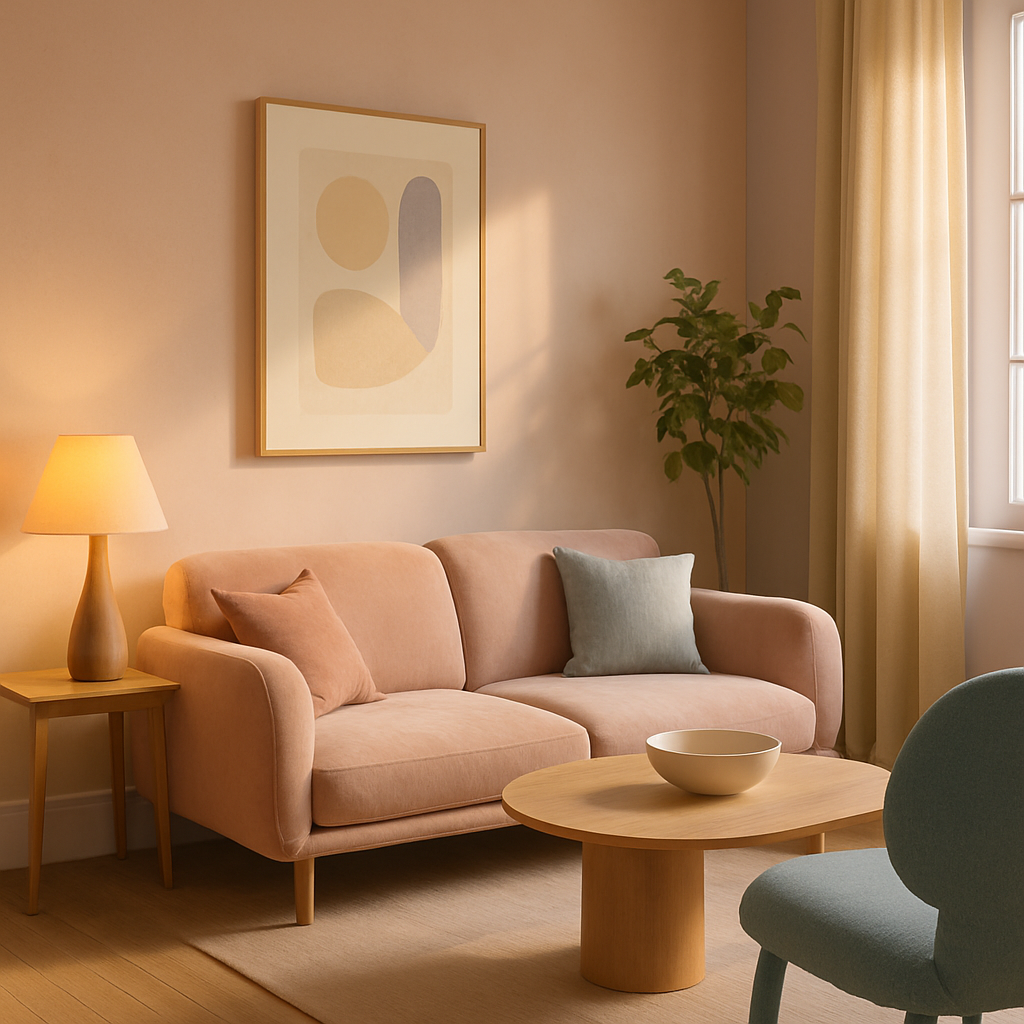
Have you ever walked into a room that instantly felt like a sanctuary, perfectly reflecting both tranquility and style? According to the American Society of Interior Designers (ASID), a well-designed space can enhance your well-being and even increase your home's resale value by 5-15%. As 2023 unfolds, fresh design trends are emerging, offering a perfect opportunity to transform your space into a modern retreat. This article explores ten trending home interior design ideas, delving into foundational concepts, expert insights, and actionable strategies to help you make informed design choices. Whether you're redesigning a single room or your entire home, these trends will inspire your journey. Ready to explore how you can elevate your home this year?
1. Embracing Biophilic Design
Biophilic design, an approach that seeks to connect interiors with nature, continues to gain momentum in 2023. The concept is rooted in the idea that humans have an innate connection to the natural world, and incorporating elements like natural light, greenery, and organic materials can enhance our living spaces. For instance, living walls and large windows that invite nature indoors are being integrated into homes to create a calming environment. This approach not only enhances aesthetic appeal but also contributes to mental well-being by reducing stress levels.
Biophilic design isn't just about aesthetics; it also involves practical elements like air quality and acoustics. By using natural materials such as wood and stone, and installing plants that purify the air, this design trend promotes a healthier living environment. Data from the International WELL Building Institute shows that biophilic elements can significantly improve indoor air quality, which is a crucial factor for homes in urban settings.
When planning your redesign, consider mapping out areas where natural elements can be introduced. Could a wall be turned into a vertical garden, or might a space benefit from the calming effect of a water feature? By strategically incorporating these elements, you can create a space that not only looks beautiful but also feels rejuvenating. This foundational concept sets the stage for the subsequent innovative trends in home design.
2. The Rise of Quiet Luxury
Quiet luxury, characterized by understated elegance and minimalistic sophistication, is a key trend for 2023. Unlike ostentatious designs of the past, quiet luxury focuses on high-quality materials, craftsmanship, and subtle details. The trend is prominent in spaces that prioritize comfort and timelessness over fleeting fashion. According to Architectural Digest's AD PRO network, this approach often involves using neutral color palettes, plush textiles, and artisanal decor to create a serene atmosphere.
This trend appeals to those who appreciate the finer things without the need for flashy displays. For example, choosing a handcrafted wool rug over a synthetic alternative not only enhances the tactile experience but also aligns with sustainable practices. Experienced professionals often note that investing in fewer, high-quality pieces can lead to a more cohesive and elegant design.
As you consider your home's interior, ask yourself: How can you incorporate elements of quiet luxury into your space? Perhaps it's by selecting bespoke furniture or incorporating vintage pieces with a rich history. This subtle yet impactful trend invites you to craft a space that reflects personal luxury, moving seamlessly into the realm of smart home integration.
3. Smart Home Integration
Incorporating smart technologies into home design is no longer a futuristic concept but a present-day reality. Smart home integration allows for seamless control over lighting, climate, and even window treatments, enhancing both convenience and energy efficiency. According to a Houzz survey, 41% of homeowners are incorporating smart features during renovations.
Consider installing smart lighting systems that adjust based on the time of day or occupancy. Not only do these systems offer convenience, but they can also significantly reduce energy consumption. Imagine controlling all your household systems from your smartphone-turning off the lights, adjusting the thermostat, or even closing the curtains with a single tap.
When planning your smart home upgrades, prioritize systems that offer both functionality and aesthetic appeal. For instance, automated window treatments that complement your design scheme can provide a modern yet cohesive look. As you implement these technologies, remember that the goal is to enhance your living experience, seamlessly integrating technology with design. This forward-thinking approach naturally leads to the next trend: sustainability.
4. Sustainability and Reclaimed Materials
Sustainability is no longer just a buzzword; it's an essential component of modern interior design. Homeowners are increasingly prioritizing eco-friendly materials and practices to reduce their environmental impact. Utilizing reclaimed wood, recycled metals, and sustainable textiles not only contributes to a greener planet but also adds unique character to your home.
According to the National Council for Interior Design Qualification (NCIDQ), incorporating sustainable materials can also be a cost-effective strategy. For instance, reclaimed wood flooring often costs less than new hardwood but provides a similar aesthetic appeal. This approach is not just about reducing waste; it's about creating a distinctive style that tells a story.
As you plan your next renovation, consider how you can integrate sustainable practices. Could you repurpose existing furniture pieces or source materials locally to reduce your carbon footprint? By focusing on sustainability, you not only contribute positively to the environment but also craft a home that reflects conscientious design choices. This thoughtful approach dovetails into the Japandi style, a fusion of Japanese minimalism and Scandinavian warmth.
5. Japandi Style: A Harmonious Fusion
Japandi style, a blend of Japanese minimalism and Scandinavian warmth, continues to captivate interior design enthusiasts in 2023. This aesthetic combines clean lines, natural materials, and a neutral color palette to create spaces that are both functional and serene. The IIDA (International Interior Design Association) highlights Japandi as a style that balances simplicity with coziness, making it perfect for modern living.
Key elements of Japandi include low-profile furniture, natural textures like bamboo and linen, and a focus on craftsmanship. This style encourages a decluttered environment, allowing for a peaceful and harmonious atmosphere. For example, a living room designed in Japandi style might feature a minimalist sofa with soft, inviting throws and a few carefully selected decor pieces.
When embracing Japandi in your home, consider how this style can enhance your daily life. Could adopting this aesthetic help you create a more organized, stress-free environment? Reflect on how the fusion of these two design philosophies could bring both functionality and beauty to your space, setting the stage for the final trend: AR/VR room visualization tools.
6. AR/VR Room Visualization Tools
As technology continues to evolve, augmented reality (AR) and virtual reality (VR) tools are revolutionizing the way we approach interior design. These technologies allow homeowners to visualize design changes before they happen, making it easier to experiment with different styles and layouts. According to industry experts, these tools can significantly reduce the time and cost associated with trial-and-error design.
Imagine being able to walk through a virtual version of your redesigned living room, adjusting colors, furniture placement, and decor in real-time. Platforms like Houzz offer such tools, enabling users to preview potential changes and make informed decisions. Experienced professionals often recommend using these tools during the concept development and design presentation phases of a project.
As you consider incorporating AR/VR into your design process, think about how these tools could enhance your ability to envision the final outcome. Could this technology help you avoid costly mistakes or ensure your design aligns with your vision? By embracing these innovative tools, you can confidently transform your space into the home of your dreams, leading us to an actionable conclusion.
Conclusion: Bringing It All Together
In 2023, the world of home interior design is brimming with exciting trends that offer both aesthetic and practical benefits. From biophilic design and quiet luxury to smart home integration and sustainable practices, each trend provides a unique opportunity to personalize and enhance your living space. As you embark on your design journey, consider how these trends can be woven into your home to reflect your personal style and values.
Are you ready to redefine your living space? Start by exploring designer portfolios on Houzz or consulting with a certified professional from ASID or IIDA. Even dedicating 20 minutes a week to research can sharpen your eye for what you truly desire in a home. Embrace these trends with confidence, knowing that your thoughtfully designed space will not only meet your needs but also inspire those who enter it.



Comments
Post a Comment