Transform Your Space: 10 Innovative Interior Design Ideas for Every Room
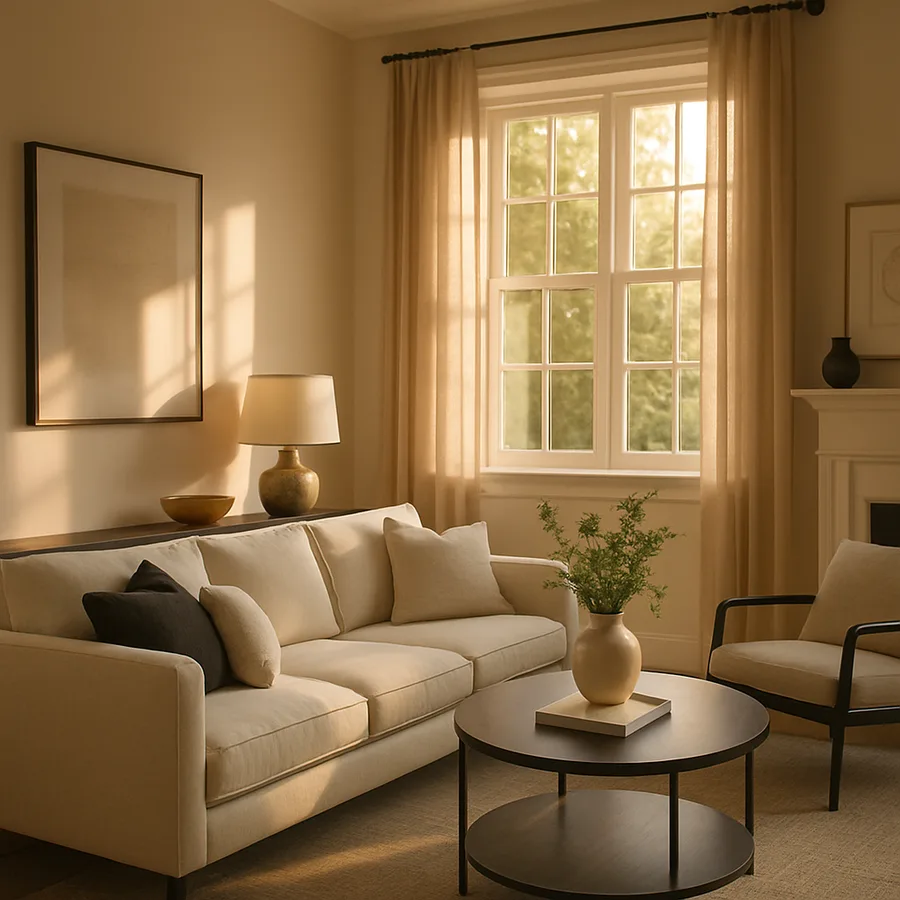
Rethinking How Rooms Function in Modern Living
The relationship between how we use our homes and how we design them has never been more dynamic. Spaces that once served a single purpose now need to accommodate work, relaxation, exercise, socializing, and solitude, sometimes within the same room and the same day. This shift demands a more thoughtful approach to interior design, one that prioritizes flexibility and intentional zoning over rigid room assignments. The ten ideas presented here address specific challenges that homeowners face across different rooms, offering practical solutions grounded in professional design principles.
According to the American Society of Interior Designers (ASID), the most common complaint homeowners bring to designers is that their rooms feel either too cluttered or too empty, rarely balanced. This dissatisfaction stems from a disconnect between how rooms are furnished and how they are actually used. A formal dining room that hosts meals twice a year wastes valuable square footage, while a living room crammed with furniture to serve multiple functions can feel chaotic. Addressing these mismatches requires creativity and a willingness to challenge conventional room definitions.
Each idea in this guide targets a specific room or area in the home and proposes a design approach that responds to contemporary needs without requiring major structural renovation. These are concepts you can implement progressively, starting with the room that causes you the most frustration and expanding to other areas as time and budget allow. Some require investment in new furniture or materials, while others involve rearranging what you already own with a fresh perspective on spatial organization.
The common thread connecting all ten ideas is the principle that good design serves daily life. An innovative design is not one that looks striking in a photograph but fails to function when real people live in it. Rather, the most successful residential interiors are those where beauty emerges from thoughtful solutions to practical problems. Every suggestion here is evaluated through that lens of lived functionality.
Idea 1: The Zoned Living Room
Open-plan living areas are now standard in modern homes, but many homeowners struggle to make these large, undifferentiated spaces feel coherent. The solution lies in intentional spatial zoning using furniture arrangement, rugs, lighting, and subtle changes in floor or wall treatment to define distinct areas within a single room. A well-zoned living room might include a conversation area centered on a sectional sofa, a reading nook defined by a floor lamp and armchair near a window, and a media zone where the television lives without dominating the entire space.
Rugs are the most effective zoning tool available because they define boundaries visually without creating physical barriers. A large area rug under the main seating arrangement anchors that grouping as a distinct zone, while a smaller rug under a desk or reading chair signals that this area serves a different purpose. The key is choosing rugs that complement each other without matching exactly, creating visual variety that reinforces the sense of separate zones while maintaining overall cohesion through shared color notes.
Lighting plays an equally important role in zone definition. Instead of relying on a single overhead fixture to illuminate the entire room, layer your lighting with a combination of ambient, task, and accent sources placed strategically within each zone. A pendant light over a dining table, a reading lamp beside an armchair, and recessed accent lights highlighting artwork each contribute to the feeling that the room contains multiple purposeful areas rather than one large undifferentiated space.
Freestanding shelving units and console tables can serve as room dividers without the visual weight of walls. A low bookshelf placed behind a sofa creates a natural boundary between living and dining zones while providing storage and display space. The transparency of an open shelving unit allows sightlines and light to pass through, maintaining the airy feel of an open plan while establishing a clear spatial hierarchy. This approach works particularly well in studio apartments and loft spaces where every square foot must serve multiple purposes.
Idea 2: The Multifunctional Kitchen Island
The kitchen island has evolved from a simple food preparation surface into the social and functional heart of modern homes. A thoughtfully designed multifunctional island can incorporate seating for casual meals, integrated storage for cookware and pantry items, built-in appliances like wine coolers or microwave drawers, and even a secondary sink for food prep. The key to a successful island design is understanding your specific usage patterns and configuring the island to support them rather than defaulting to a generic rectangular counter.
Consider the island's relationship to the rest of the kitchen in terms of workflow. The National Kitchen and Bath Association (NKBA) recommends maintaining at least 42 inches of clearance around an island to allow comfortable movement when multiple people are in the kitchen simultaneously. If your kitchen cannot accommodate this clearance, a mobile butcher block cart that can be repositioned as needed may serve you better than a fixed island that creates permanent traffic bottlenecks.
The seating side of an island offers an opportunity to introduce materials and design details that bridge the kitchen and adjacent living areas. An island with a waterfall-edge stone countertop that extends to the floor on the seating side creates a dramatic visual statement while providing a durable surface that withstands daily use. Alternatively, a wood or butcher-block section on the dining side softens the appearance and provides a warm contrast to stone or quartz work surfaces on the prep side.
Under-island storage deserves more creative attention than it typically receives. Instead of filling the entire base with standard cabinets, consider incorporating open shelving for cookbooks and decorative items, pull-out recycling and composting bins, a built-in pet feeding station, or a dedicated baking supplies drawer with custom compartments for measuring tools and spices. Have you considered how much daily friction could be eliminated by placing your most-used items exactly where you use them most frequently? The island's central position makes it the ideal location for items that support your most common kitchen activities.
Idea 3: The Biophilic Bedroom Retreat
Biophilic design, which integrates natural elements into built environments, has particular relevance in bedrooms where the goal is creating conditions conducive to rest and recovery. This approach goes beyond placing a potted plant on a nightstand. A genuine biophilic bedroom incorporates natural materials throughout, including wood furniture with visible grain, linen or cotton textiles, stone or ceramic accessories, and a color palette drawn from landscapes rather than synthetic sources.
Living plants contribute to bedroom air quality and visual tranquility, but species selection matters. Snake plants, pothos, and peace lilies are among the varieties that the National Aeronautics and Space Administration (NASA) identified in research as effective at filtering common indoor air pollutants. These species also thrive in the lower light conditions typical of bedrooms and require minimal maintenance, making them practical choices for people who want the benefits of greenery without a demanding care routine. Grouping several plants of varying heights on a plant shelf or window ledge creates a more impactful visual moment than scattering individual pots around the room.
Natural light management is central to biophilic bedroom design. Layered window treatments that offer both sheer and blackout options allow you to modulate daylight throughout the day, welcoming morning sun while ensuring complete darkness for sleep. Consider the orientation of your bedroom windows and position the bed to take advantage of natural light patterns that align with your wake-up preferences. If your bedroom faces west, the bed might be positioned so evening light warms the space during wind-down hours without creating glare on screens.
Texture plays a significant role in making a biophilic bedroom feel genuinely connected to nature rather than superficially decorated with nature-themed accessories. A headboard upholstered in raw linen, a jute or sisal rug underfoot, cotton waffle-weave blankets, and ceramic bedside lamps with unglazed finishes collectively create a sensory environment that feels organic and grounding. The variety of textures also adds visual interest to a room that benefits from a restrained color palette, proving that calm spaces need not be boring spaces.
Idea 4: The Statement Bathroom
Bathrooms have historically been treated as purely functional spaces that received the least design attention in a home. The contemporary approach recognizes that bathrooms, particularly primary bathrooms, are spaces where you begin and end each day, and their design directly influences your daily experience. A statement bathroom combines high-impact design choices with practical upgrades that enhance comfort and efficiency. This does not require a gut renovation; even selective material and fixture upgrades can transform an ordinary bathroom into a space you genuinely look forward to using.
Wall tile offers the highest impact-to-effort ratio of any bathroom upgrade. Replacing basic subway tile with a bold geometric pattern, a richly veined marble, or handmade zellige tiles with their characteristic slight irregularities instantly changes the character of the room. You do not need to tile every wall to make an impact; a single accent wall behind the vanity or within the shower enclosure creates a focal point that anchors the entire room's aesthetic. The Tile Council of North America provides guidance on selecting appropriate tile materials for wet environments to ensure your design choices are durable as well as beautiful.
Fixture upgrades deliver both aesthetic and functional improvements. A rainfall showerhead, a wall-mounted faucet with an architectural profile, or a freestanding bathtub with sculptural lines serves as functional art that defines the room's personality. Matte black and brushed brass finishes have largely replaced polished chrome as the dominant choices in current design, offering warmth and visual weight that complement both contemporary and traditional settings. When selecting fixtures, consider the finish of hardware elsewhere in the room, including towel bars, cabinet pulls, and mirror frames, to create a cohesive metallic story.
Lighting in bathrooms requires particular attention because it must serve both practical grooming tasks and atmospheric relaxation. Vanity lighting positioned at face height on either side of the mirror provides the even, shadow-free illumination needed for shaving, makeup application, and skincare. A separate ambient circuit with dimmable capability allows you to reduce light levels for evening baths or middle-of-the-night visits. What would your morning routine feel like if your bathroom was designed as intentionally as your living room? That question drives the philosophy behind the statement bathroom approach.
Idea 5: The Productive Home Office
The home office has become a permanent feature of residential design for millions of workers, yet many are still operating in makeshift setups that were never intended for sustained daily use. A properly designed home office addresses ergonomics, acoustics, lighting, and visual distraction in a coordinated way. The goal is creating a space that supports focused work without feeling institutional or disconnected from the home's overall design language.
Desk placement relative to windows and doors is the foundational decision in home office design. Positioning the desk so that natural light enters from the side rather than directly behind or in front of the screen reduces glare while providing the visual connection to the outdoors that supports sustained concentration. The International Interior Design Association (IIDA) emphasizes that access to natural light in workspaces correlates with improved productivity and reduced eye strain, findings supported by extensive workplace research. If your only available office location lacks natural light, full-spectrum task lighting can partially compensate by mimicking the qualities of daylight. Find additional workspace design resources at iida.org.
Acoustic management is often overlooked in home office design but significantly affects the ability to concentrate and participate in video calls. Soft furnishings like upholstered chairs, curtains, and area rugs absorb sound reflections that hard surfaces amplify. A bookshelf filled with books functions as an effective sound absorber while serving its primary storage purpose. For offices in open areas or shared rooms, a tall plant screen or a semi-transparent curtain panel can create a psychological boundary that supports focus even without providing complete sound isolation.
Storage and organization systems determine whether an office remains functional over time or gradually deteriorates into clutter. Wall-mounted shelving keeps the desk surface clear for active work. A filing cabinet or storage ottoman provides a place for documents and supplies that need to be accessible but not visible. Cable management solutions, including under-desk trays, cord clips, and wireless charging pads, address the tangle of power cables and device chargers that can undermine even the most carefully designed workspace. The most productive home offices are those designed with specific organizational systems from the start rather than organized retroactively after clutter has accumulated.
Five More Ideas Across Dining, Entry, Kids, Outdoor, and Laundry Spaces
Idea 6: The Flexible Dining Room. Replace the traditional dining table and six chairs with a system that adapts to your actual hosting patterns. An extendable table with a compact everyday footprint that expands for gatherings, combined with a mix of bench seating along one side and individual chairs on the other, maximizes seating capacity while reducing the room's footprint during daily use. A sideboard that doubles as a bar, buffet surface, and storage unit completes the room without overwhelming it. Consider replacing a formal chandelier with a series of pendant lights on a dimmer, which can create intimate dinner party lighting or bright task lighting for homework and craft projects with equal ease.
Idea 7: The Curated Entryway. The entry area sets the tone for the entire home and handles the practical demands of transition between outdoors and indoors. A narrow console table with a drawer for keys and mail, hooks at multiple heights for both adult and children's coats, a bench with shoe storage beneath, and a mirror that makes the space feel larger compose a functional entry system that welcomes rather than clutters. According to Houzz research, entryway organization is among the top five home improvements that residents report using and appreciating daily, ranking alongside kitchen and bathroom upgrades in terms of daily impact. Explore more entryway design inspiration at houzz.com.
Idea 8: The Evolving Children's Room. Designing for children means designing for change, since the needs of a toddler differ radically from those of a teenager. Choose foundational pieces, including bed frame, dresser, and desk, in neutral finishes that can transition across developmental stages. Layer personality through easily changeable elements like bedding, wall art, removable wallpaper, and textiles that can be updated as interests evolve. Low open storage encourages independence in younger children, while a loft bed with a desk underneath maximizes usable floor space for older kids who need both study and recreation areas within limited square footage.
Idea 9: The Indoor-Outdoor Transition. Blur the boundary between interior and exterior spaces to effectively expand your living area. Large sliding or folding glass doors create a physical connection, while extending interior flooring materials or colors onto a covered patio reinforces visual continuity. Outdoor furniture that matches the comfort and style standards of indoor pieces encourages actual use of exterior spaces rather than treating them as seasonal afterthoughts. Weather-resistant fabrics from companies like Sunbrella now mimic the textures and colors of indoor upholstery materials, making it possible to furnish a covered outdoor room that feels as intentional as any interior space.
Idea 10: The Elevated Laundry Room. The laundry room processes more daily traffic than most homeowners acknowledge, and investing in its design pays dividends in daily satisfaction. Counter space above front-loading machines provides a folding surface that prevents the wrinkle-inducing pile of clean laundry on the bed. A hanging rod or retractable drying rack handles delicates and air-dry items without commandeering space in other rooms. Bright, cheerful wall color or patterned tile transforms the space from a dreaded chore zone into one that feels intentional and cared for. Small upgrades like a pull-out ironing board, a built-in hamper sorter, and adequate lighting make the mechanical tasks of laundry measurably more pleasant.
Conclusion: Starting Your Room-by-Room Transformation
The ten ideas outlined here share a common philosophy: that every room in your home deserves design attention calibrated to how you actually use it. The rooms that cause the most daily friction, whether that is the cluttered entryway, the dark home office, or the chaotic children's room, are the rooms where thoughtful design intervention will have the greatest impact on your quality of life. Starting with the room that frustrates you most ensures that your first project delivers immediate, tangible improvement that motivates continued progress.
Implementation does not need to happen all at once. Each of these ideas can be executed incrementally, beginning with the highest-impact changes and adding refinements over time. Rearranging furniture costs nothing. Adding a rug or upgrading lighting fixtures represents a moderate investment. Tile work and fixture replacement require more significant budgets but produce lasting transformations. By scaling your approach to match your current resources, you avoid the financial stress that causes many renovation projects to stall midway.
The professional design community, including organizations like the ASID and IIDA, consistently advocates for approaching residential design as an ongoing process rather than a one-time event. Homes evolve as families grow, work patterns shift, and personal tastes develop. The most satisfying interiors are those that can adapt gracefully to these changes because they were designed with flexibility as a core principle rather than an afterthought.
Which room in your home would benefit most from a fresh design approach? Pick one idea from this list, commit to implementing it within the next month, and observe how a single well-designed room changes the way you feel about your entire home. That positive experience will build the momentum and confidence needed to tackle the next room on your list.
More Articles You May Like



Comments
Post a Comment