How to Incorporate Mediterranean Interior Design into Modern Living Spaces
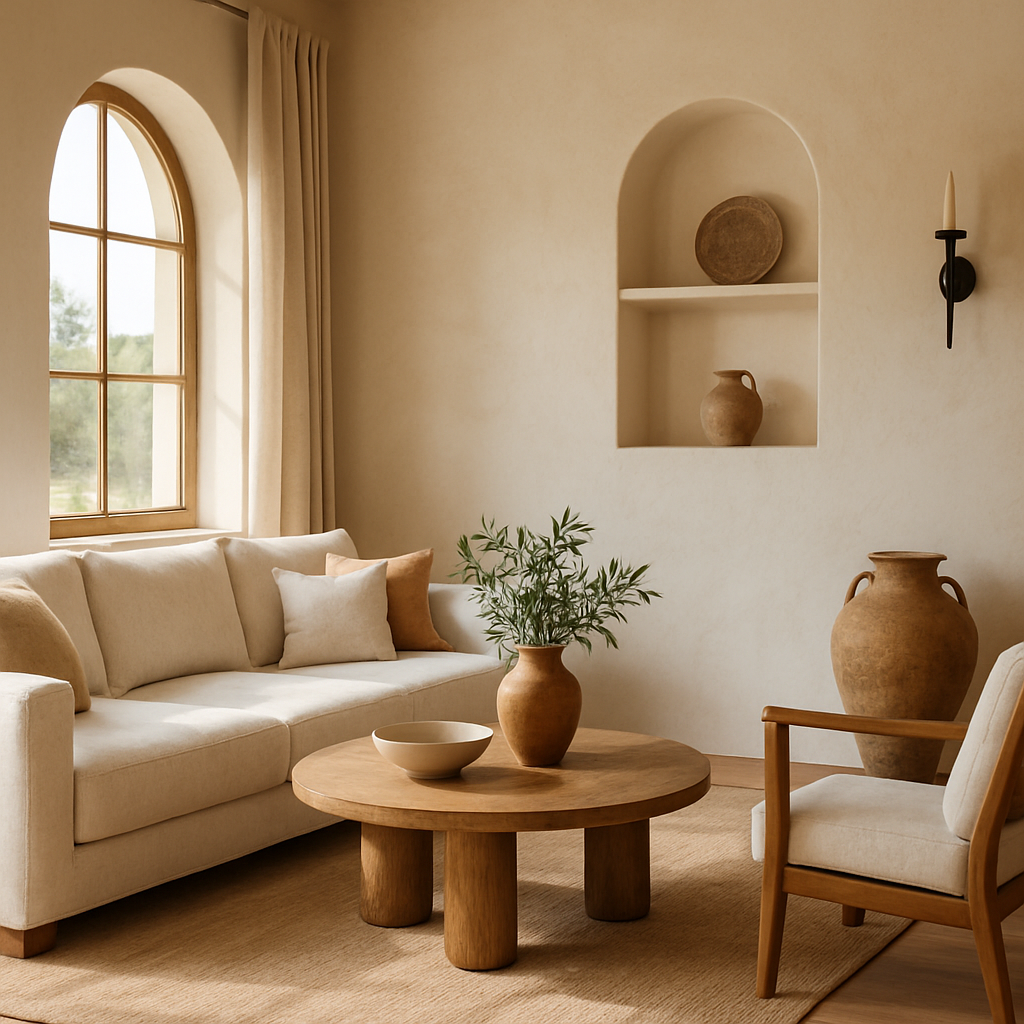
The charm of Mediterranean interior design is undeniable. Did you know that according to industry surveys, homes with Mediterranean design elements can see an increase in resale value by 5-15%? This style, characterized by its warmth, rustic charm, and emphasis on natural elements, offers a timeless appeal. But how can you blend these classic elements into modern living spaces without clashing styles? In this article, we'll explore the foundational concepts of Mediterranean design, provide expert insights and strategies for integration, and dive into the nuances that make this style so enduring. Whether you're planning a full remodel or just a subtle refresh, you'll find actionable advice to create a harmonious blend of Mediterranean and modern aesthetics.
Understanding the Foundations of Mediterranean Design
Mediterranean interior design is inspired by the coastal regions of Spain, Greece, and Italy, characterized by earthy tones, natural materials, and a relaxed atmosphere. At its core, this style emphasizes a connection to nature, often incorporating elements such as terracotta tiles, wrought iron details, and wooden beams. These materials not only add texture but also bring warmth and authenticity to a space. The color palette typically includes rich earth tones like ochre, olive green, and deep blue, reflecting the natural landscapes of the Mediterranean coast.
The importance of open, airy spaces cannot be understated in Mediterranean design. This style often features large windows, arches, and open floor plans that invite plenty of natural light, creating a seamless indoor-outdoor connection. This approach aligns with the biophilic design trend, which emphasizes natural light and ventilation to enhance well-being. To further enhance this connection, designers often incorporate indoor plants and natural textiles like linen and cotton.
Textures also play a crucial role in Mediterranean interiors. From rough plaster walls to rustic wooden furniture, the emphasis is on tactile surfaces that invite touch and convey a sense of history and craftsmanship. How can you incorporate these elements into your own home? Consider starting with simple additions such as a rustic wooden coffee table or terracotta pots, which can instantly evoke a Mediterranean feel. As we move forward, we'll delve into how these foundational elements can be expertly combined with modern design principles.
Integrating Mediterranean Style with Modern Elements
Integrating Mediterranean style into modern living spaces requires a thoughtful balance of old and new. An effective way to achieve this is by focusing on the architecture and materials. According to the American Institute of Architects (AIA), incorporating arches or rounded corners in doorways and windows can instantly add a Mediterranean touch while maintaining a modern aesthetic. Consider using modern materials like glass and steel in conjunction with traditional elements like stone and wood to create a harmonious blend.
Data from Houzz reveals that homeowners increasingly favor Mediterranean-inspired kitchens, where modern appliances are seamlessly integrated with traditional cabinetry and tiling. For instance, you might pair sleek, stainless steel appliances with rustic wooden cabinets and a colorful tiled backsplash. This combination not only enhances functionality but also maintains the warmth and character associated with Mediterranean design.
Lighting is another critical component when blending these styles. In modern Mediterranean spaces, lighting fixtures often serve as statement pieces. Think wrought iron chandeliers or pendant lights with intricate designs that contrast with minimalist furniture. This juxtaposition creates visual interest and highlights the unique features of both design philosophies. As we explore further, we'll provide actionable strategies to incorporate these elements into your home seamlessly.
Actionable Strategies for a Mediterranean-Modern Fusion
Ready to transform your space with Mediterranean charm? Start by evaluating your current layout and identifying areas that could benefit from Mediterranean influences. Experienced professionals often note that starting with a focal point, such as a fireplace or a large piece of artwork, can serve as an anchor for the design. Once you have a focal point, build around it with complementary textures and colors.
Another strategy involves the deliberate use of textiles to introduce Mediterranean warmth. Consider incorporating woven rugs, patterned curtains, or textured throw pillows. These elements can add visual depth and comfort to modern furniture. According to the International Interior Design Association (IIDA), textiles are an effective way to introduce color and pattern without overwhelming a space. By choosing natural fibers and earthy hues, you can subtly weave Mediterranean aesthetics into your décor.
Finally, consider the role of outdoor spaces in Mediterranean design. Is there a way to create an indoor-outdoor flow in your home? Perhaps through French doors leading to a patio or a small balcony garden. These spaces can be styled with Mediterranean flair using terracotta pots, mosaic tables, and lush greenery, creating a sanctuary that extends your living area. Next, we'll delve into expert-level details that can elevate your design to the next level.
Expert Insights into Mediterranean Design Integration
For those eager to delve deeper into the integration of Mediterranean design into modern spaces, it's crucial to understand the nuances that seasoned designers bring to the table. Certified interior designers, particularly those with NCIDQ (National Council for Interior Design Qualification) credentials, often recommend a phased approach to design integration. This involves first establishing a clear vision through mood boards and AR/VR tools that can visualize potential room layouts in 3D.
A unique aspect of Mediterranean design is the layering of textures and patterns. Professionals suggest starting with a neutral base and gradually adding elements like hand-painted tiles or a patterned area rug. These additions should be carefully curated to avoid visual clutter, ensuring each piece contributes to the overall harmony of the room. According to ASID (American Society of Interior Designers), this method not only preserves the aesthetic balance but also allows for personalization.
Moreover, experienced designers often stress the importance of sustainability in modern Mediterranean design. This aligns with current trends towards eco-friendly materials and practices. Incorporating reclaimed wood, sustainably sourced textiles, and energy-efficient lighting can enhance the authenticity and ethicality of your design. As we continue, we'll provide additional depth on cost considerations and practical tips for achieving your desired look.
Budgeting for a Mediterranean-Modern Makeover
Understanding the financial aspect of a Mediterranean-modern transformation is crucial. Depending on the scope of your project, costs can vary significantly. Homeowners typically spend between $5,000 and $15,000 for a single room redesign, while a full-home renovation can exceed $50,000. It's important to set a realistic budget and prioritize elements that will have the most impact.
One cost-effective strategy is to focus on high-impact areas like the kitchen or living room. These spaces not only serve as the heart of the home but also offer opportunities to showcase Mediterranean flair. Opting for a flat fee or percentage of total project cost with your designer can help manage expenses. Additionally, procurement markups on furniture should be considered, as these can range from 10-25%.
Incorporating Mediterranean design doesn't have to break the bank. By sourcing materials and furnishings from platforms like Houzz or local artisan markets, you can find unique pieces that add character without inflating your budget. Up next, we'll wrap up with final perspectives on achieving harmony between Mediterranean and modern styles.
Final Perspectives on Mediterranean-Modern Design
As you embark on the journey of integrating Mediterranean style into your modern living spaces, remember that the key lies in balance. Don't be afraid to experiment with different elements until you find a combination that resonates with your personal taste and lifestyle. Are there specific areas in your home that could benefit from a Mediterranean touch?
Consider the ways in which this design philosophy can enhance not just the aesthetics of your space but also your overall quality of life. A well-designed interior can improve functionality, elevate mood, and even increase your home's value. By carefully selecting and integrating Mediterranean elements, you can create a space that feels both timeless and contemporary.
Ultimately, the fusion of Mediterranean and modern design offers a unique opportunity to blend the warmth of tradition with the sleekness of contemporary style. In the conclusion, we'll summarize key takeaways and offer a specific call to action to get you started on your design journey.
Conclusion: Your Mediterranean-Modern Journey Begins
Incorporating Mediterranean interior design into modern living spaces is a rewarding endeavor that combines the elegance of tradition with the innovation of modernity. By understanding the foundational concepts, integrating traditional elements with modern materials, and implementing actionable strategies, you can achieve a harmonious fusion in your home. We've explored the importance of texture, color, and layout, providing expert insights and practical tips along the way.
Now, it's time to put these insights into action. Start by browsing designer portfolios on platforms like Houzz and Pinterest - even 20 minutes of research will sharpen your eye for what you want. As you gather inspiration, consider consulting with a certified interior designer to bring your vision to life. Remember, the journey to a beautifully designed home is as much about the process as it is the final result. Embrace the creativity and enjoy the transformation.



Comments
Post a Comment