Transform Your Space: 10 Must-Have Elements of Modern Interior Design
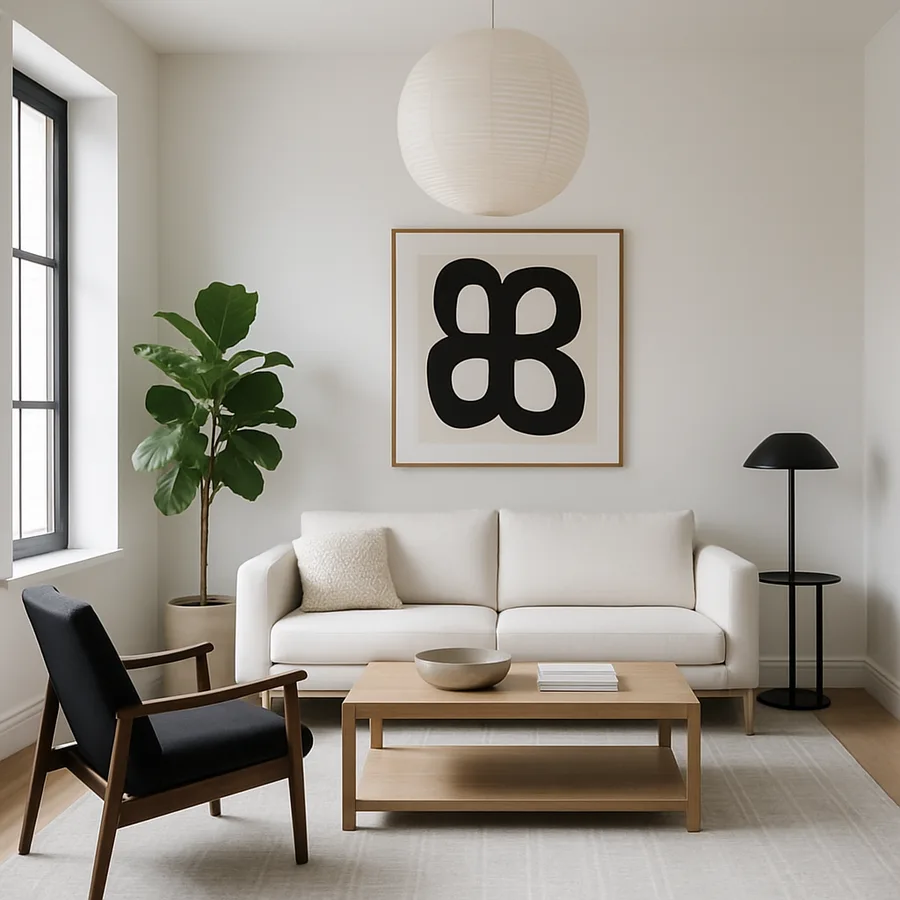
Modern interior design has evolved into a blend of functionality, elegance, and sustainability. Whether you're redesigning a single room or an entire home, integrating essential modern elements can elevate your living space and enhance its value. According to a survey by Houzz, well-designed interiors can increase a property's resale value by 5-15%, making the investment worthwhile. This article will guide you through the must-have elements of modern interior design, providing expert advice and actionable steps to transform your space into a contemporary haven.
What You Need to Know First
Before diving into the specifics of modern interior design, it's crucial to understand the foundational principles that guide this style. Modern design emphasizes clean lines, open spaces, and a focus on form and function. This approach often incorporates natural materials and a neutral color palette, creating a serene and uncluttered environment. Have you ever considered how the flow of your home affects your daily life? The layout should facilitate easy movement and promote a sense of harmony throughout.
Understanding the difference between certified interior designers and decorators is also essential. Designers, such as those certified by the NCIDQ (National Council for Interior Design Qualification), have formal training and a deep understanding of building codes and safety regulations. In contrast, decorators focus more on aesthetics. Engaging a certified professional ensures that your space not only looks good but also functions optimally and complies with any relevant standards.
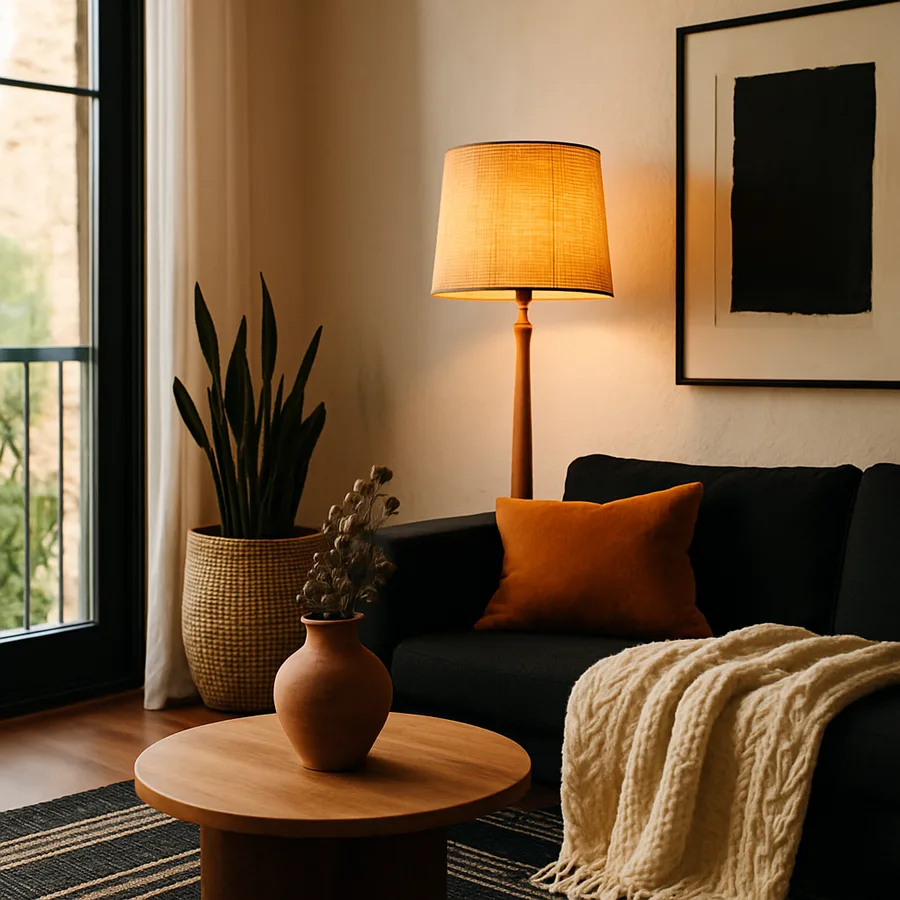
Finally, be aware that modern interior design is deeply influenced by sustainability. Incorporating eco-friendly materials and energy-efficient designs is not only trendy but also responsible. The American Society of Interior Designers (ASID) highlights sustainability as a core component of modern design, urging homeowners to consider the environmental impact of their choices. With these essentials in mind, you can begin planning your modern interior transformation with confidence.
Step-by-Step Process
Embarking on a modern interior design project requires a clear plan. Start by assessing your current space. This involves identifying areas that need improvement and establishing a realistic budget. Are you aware of how much you're willing to invest in this transformation? Determining your financial parameters early on will help you make informed decisions about materials and furnishings.
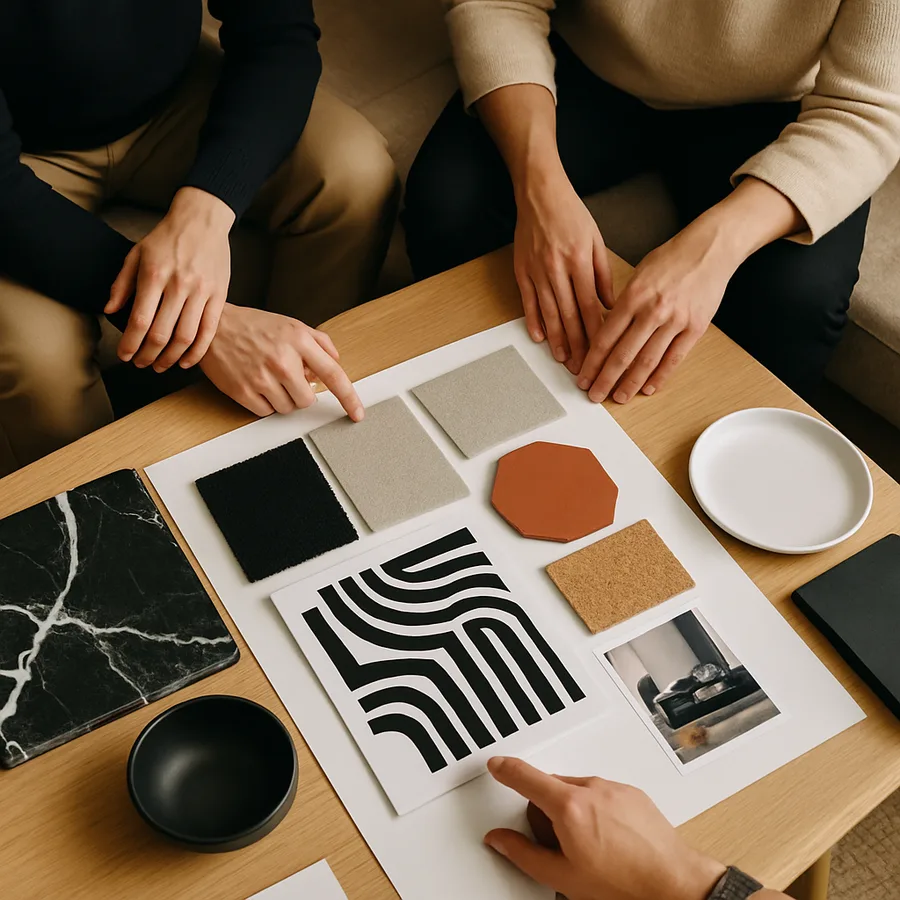
Once your assessment is complete, move on to the concept development phase. This is where you decide on the overall look and feel of your space. Popular modern styles include Japandi, which merges Japanese minimalism with Scandinavian warmth, and biophilic design, which brings nature indoors through elements like living walls and natural materials. Utilize platforms like Houzz to explore design inspiration and compile a mood board that aligns with your vision.
After finalizing your concept, proceed with design presentation and procurement. This stage involves detailed drawings, selecting materials, and purchasing furnishings. Ensure your selections align with your initial budget and timelines. The installation phase follows, where your plans come to life. Finally, complete the project with styling, adding personal touches and decor to make the space uniquely yours. Each step, from concept to styling, builds upon the last, creating a cohesive and stylish modern interior.
Common Mistakes to Avoid
Even with the best intentions, common mistakes can derail your modern interior design project. One frequent pitfall is over-cluttering. Modern design is about simplicity and functionality, so avoid filling every space with decor or furnishings. Instead, focus on a few statement pieces that enhance the room's aesthetic without overwhelming it. Have you ever felt overwhelmed by too many design elements in a space? Simplifying your approach can create a more inviting atmosphere.
Another mistake is neglecting lighting. Proper lighting is crucial in modern design, as it highlights architectural features and sets the mood. Consider integrating smart lighting systems that allow you to adjust brightness and color. These systems not only add convenience but also enhance the overall design. According to industry experts, strategic lighting can transform a space, making it feel larger and more dynamic.
Lastly, failing to plan for functional needs can result in a visually appealing but impractical space. Think about how you use each room daily. Do you need ample storage, or is an open layout more important? By balancing design with function, you ensure that your modern interior is both beautiful and livable. Understanding these common errors allows you to anticipate challenges and steer clear of them, paving the way for a successful project.
Pro Tips from Industry Experts
Experienced professionals often note that integrating technology is a game-changer in modern interior design. Smart home features such as automated window treatments, climate control, and integrated sound systems can elevate your space's sophistication and convenience. The International Interior Design Association (IIDA) suggests that these technologies should be seamlessly incorporated into the design, enhancing functionality without detracting from the aesthetic.
Another expert tip is to invest in quality over quantity. High-quality materials and furnishings may require a higher upfront cost but often prove more durable and timeless. This approach not only enhances the value of your design but also reduces long-term maintenance costs. Are you considering the longevity of your design choices? Opting for quality ensures your space remains elegant and relevant for years to come.
Finally, incorporating elements of nature can significantly impact the ambiance of your space. Biophilic design, which emphasizes natural light and materials, has been shown to improve mood and productivity. Industry surveys suggest that spaces with natural elements are more inviting and can increase occupant happiness and well-being. These advanced strategies can help you achieve a modern interior that is both cutting-edge and comfortable.
Budget and Timeline Considerations
When planning a modern interior design project, budgeting and timing are crucial elements. The cost of modern design can vary significantly, with single-room redesigns typically ranging from $5,000 to $15,000, while full-home renovations may exceed $150,000. Establishing a clear budget helps prioritize spending and avoid overspending. Are you prepared to manage your budget throughout the project? Regularly reviewing costs prevents surprises and keeps the project on track.
Regarding timelines, understanding the typical project phases-concept development, design presentation, procurement, installation, and styling-helps set realistic expectations. Each phase requires careful coordination and can be influenced by factors such as material availability and contractor schedules. Experienced designers recommend allowing extra time for potential delays, ensuring the project progresses smoothly without unnecessary stress.
Finally, consider the impact of seasonal trends and material availability on your timeline. Certain materials may have longer lead times, particularly if they are imported or custom-made. Planning around these factors ensures your project remains on schedule. By carefully considering budget and timeline, you can approach your modern interior design project with confidence and clarity.
Real-World Examples and Case Studies
To illustrate the impact of modern interior design, consider the transformation of a dated suburban home into a sleek contemporary space. By incorporating elements like open-concept layouts, neutral color palettes, and minimalistic furnishings, the homeowners achieved a more spacious and inviting atmosphere. This redesign not only increased the home's value but also enhanced their daily living experience.
In another case, a city apartment utilized smart home technologies to maximize efficiency in a limited space. Automated lighting and climate control allowed for a customizable living environment that adapted to the residents' needs. This integration of technology exemplified how modern design can improve both functionality and aesthetics, making city living more comfortable and efficient.
Finally, a coastal retreat embraced biophilic design principles, incorporating natural materials and large windows to blur the lines between indoor and outdoor spaces. The result was a serene sanctuary that promoted relaxation and connection with nature. These examples demonstrate the diverse possibilities of modern interior design and inspire new ideas for your own projects. As you reflect on these scenarios, what elements resonate most with your vision?
Conclusion
Transforming your space with modern interior design involves understanding essential elements, avoiding common pitfalls, and embracing expert strategies. By focusing on key aspects such as simplicity, technology integration, and sustainability, you can create a stylish and functional environment that enhances your quality of life. Ready to begin your design journey? Start by exploring designer portfolios on platforms like Houzz this week. Even 20 minutes of research will sharpen your eye for what you want and set you on the path to a modern interior transformation.
More Articles You May Like



Comments
Post a Comment