10 Must-Have Elements for a Modern House Interior Design
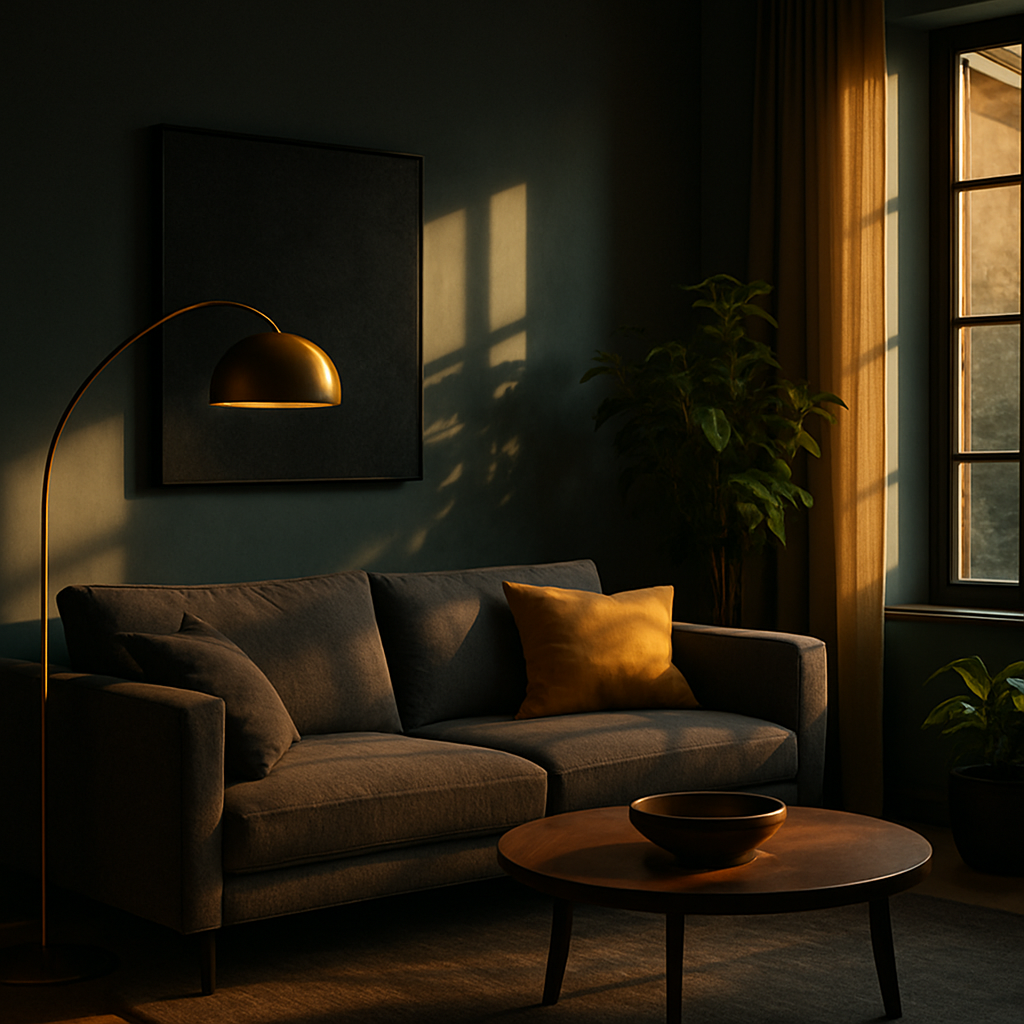
Walking into a beautifully designed modern home feels like stepping into a space where every detail has been carefully considered, every texture intentionally chosen, and every piece of furniture placed with precision. But what separates an ordinary room from a truly exceptional interior? The answer lies in understanding the fundamental elements that define contemporary residential design. Whether you are renovating a single room or reimagining your entire home, knowing which components create the greatest visual and functional impact can save you both time and money. According to the American Society of Interior Designers (ASID), homeowners who invest in professional design consultation report significantly higher satisfaction with their living environments. The following ten elements represent the cornerstone of modern house interior design, each contributing a distinct layer of sophistication, comfort, and personality to your space. From the subtle power of natural light to the quiet confidence of curated material palettes, these are the non-negotiable building blocks of contemporary living.
Open-Concept Floor Plans That Encourage Flow
The open-concept floor plan remains one of the most transformative elements in modern house interior design. By removing unnecessary walls and barriers between the kitchen, dining, and living areas, designers create a sense of expansiveness that makes even modest square footage feel generous and inviting. This architectural approach encourages natural movement through the home, allowing family members and guests to interact freely without the constraints of compartmentalized rooms. The philosophy behind open layouts draws from the Japandi design tradition, which values simplicity, clean lines, and intentional spatial arrangements that promote calm and connection.
Implementing an open-concept design requires thoughtful zoning to prevent the space from feeling chaotic or undefined. Interior designers certified by the National Council for Interior Design Qualification (NCIDQ) often recommend using area rugs, lighting variations, and furniture groupings to create distinct functional zones within a single open area. A low-profile sectional sofa might anchor the living zone, while a statement pendant light delineates the dining space. These subtle visual cues guide inhabitants through the space without the need for physical walls, maintaining the airy quality that makes open plans so appealing. Have you ever noticed how much more connected you feel to your household when cooking dinner in full view of the living area rather than tucked away behind a closed kitchen door?
The practical benefits of open-concept living extend beyond aesthetics. Natural light flows unimpeded from window to window, reducing the need for artificial lighting during daytime hours and creating dynamic shadow patterns that shift throughout the day. Sightlines from the kitchen to the front door or backyard provide parents with passive supervision of children and pets. Entertaining becomes effortless when the host can prepare food while participating in conversation. For smaller homes, the visual expansion alone can add perceived square footage that makes the entire property feel more valuable and livable. The key is ensuring that structural support is properly addressed during renovation, as removing load-bearing walls requires engineering expertise and appropriate permits.
Biophilic Design and the Power of Natural Elements
Biophilic design has moved from a niche architectural concept to a mainstream interior design essential, driven by mounting evidence that connecting with nature indoors improves mental health, productivity, and overall wellbeing. The International Interior Design Association (IIDA) has highlighted biophilic principles as a defining direction in residential design, noting that homes incorporating natural elements consistently receive higher livability ratings from occupants. This approach goes far beyond placing a potted plant on a windowsill. True biophilic design integrates natural materials, organic shapes, water features, and living walls into the architectural DNA of a space.
Incorporating biophilic elements into your modern interior can take many forms, from the structural to the decorative. Reclaimed wood accent walls bring warmth and texture that manufactured materials cannot replicate. Stone countertops and natural fiber rugs ground a room in the earth. Indoor herb gardens mounted on kitchen walls serve both aesthetic and culinary purposes. Large-format windows or sliding glass doors that blur the boundary between interior and exterior spaces represent perhaps the purest expression of biophilic design. Even the color palette draws from nature: sage greens, warm terracottas, ocean blues, and sandy neutrals create environments that feel instinctively calming and restorative.
The science behind biophilic design is compelling enough to justify the investment. Research published in environmental psychology journals indicates that exposure to natural elements in the home can reduce stress hormones by measurable percentages and improve sleep quality. A study conducted across residential environments found that participants in biophilic-designed rooms reported lower anxiety scores and improved cognitive performance compared to those in conventional settings. For homeowners considering where to allocate their design budget, biophilic elements offer a rare combination of aesthetic beauty and evidence-based wellness benefits. Consider starting with a living wall installation in your entryway or a skylight in a previously dim hallway to experience the transformative effect firsthand.
Smart Home Technology Seamlessly Integrated
Smart home technology has evolved from a futuristic novelty into an indispensable component of modern interior design, and the most successful implementations are those where the technology is practically invisible. Gone are the days of conspicuous control panels and tangled wires dominating a room. Contemporary smart home design prioritizes concealment and integration, embedding sensors, speakers, and control interfaces into the architecture itself. Motorized window treatments that respond to sunlight levels, lighting systems that adjust color temperature based on time of day, and climate controls that learn occupant preferences all operate quietly in the background, enhancing comfort without demanding attention.
The design challenge with smart home technology lies in maintaining aesthetic integrity while accommodating the infrastructure these systems require. Leading designers featured on Houzz recommend planning technology integration during the design phase rather than retrofitting after construction. This foresight allows for hidden wiring channels, recessed device mounting points, and furniture designs that incorporate wireless charging surfaces. Voice-activated controls eliminate the need for visible switches and panels, while smart mirrors in bathrooms can display weather, news, and calendar information without revealing any technology when powered off. The result is a home that feels effortlessly intelligent rather than aggressively technological.
From a practical standpoint, smart home integration adds measurable value to a modern interior. Automated lighting and climate systems can reduce energy consumption substantially, lowering utility bills while maintaining optimal comfort. Security systems with smart locks, cameras, and motion sensors provide peace of mind without the visual intrusion of traditional security hardware. For those working with interior designers, who typically charge between $150 and $500 per hour depending on experience and location, discussing smart home integration early in the planning process ensures that technology serves the design vision rather than competing with it. What smart home feature would make the biggest difference in your daily routine?
Material Palettes That Balance Warmth and Sophistication
The material palette of a modern interior tells a story about the homeowner's values, aesthetic sensibility, and relationship with their environment. Contemporary design has moved decisively away from the cold, sterile minimalism of earlier decades toward a richer, more layered approach that the industry often describes as quiet luxury. This philosophy emphasizes high-quality natural materials, subtle textures, and understated elegance over flashy statement pieces or trend-driven furnishings. Think honed marble rather than high-gloss granite, hand-loomed textiles rather than mass-produced synthetics, and solid hardwood rather than laminate imitations.
Building a cohesive material palette requires an understanding of how different surfaces interact visually and tactilely within a space. A successful modern interior typically combines three to five primary materials, each serving a distinct role. A warm wood species like white oak might provide the base through flooring and cabinetry, while polished concrete or natural stone introduces a cooler counterpoint on countertops or feature walls. Soft textiles in linen, wool, or bouclé add comfort and acoustic absorption, and metallic accents in brushed brass or blackened steel provide small moments of contrast and refinement. The interplay between rough and smooth, matte and reflective, warm and cool creates the visual depth that distinguishes a designed space from a decorated one.
Investing in quality materials represents one of the most impactful decisions in modern interior design. While the initial cost may exceed that of budget alternatives, premium materials age gracefully, developing character over time rather than deteriorating. A solid walnut dining table develops a richer patina with each passing season. Natural stone tiles acquire subtle variations that tell the story of daily life. Architectural Digest (AD PRO) has consistently advocated for this invest-once approach, noting that interiors built around quality materials maintain their relevance and beauty far longer than those relying on trendy but disposable furnishings. The environmental benefit is equally significant, as durable materials reduce the frequency of replacement and the associated waste.
Lighting Design as an Architectural Element
Lighting is arguably the single most underestimated element in residential interior design, yet it possesses the power to completely transform the character of a room without changing a single piece of furniture. Modern lighting design operates on the principle of layering: ambient light provides overall illumination, task lighting serves specific functional needs, and accent lighting highlights architectural features or artwork. When these three layers work in harmony, they create a dynamic environment that can shift from energizing morning brightness to intimate evening warmth at the touch of a button or through automated programming.
The fixtures themselves have become important design objects in contemporary interiors. Sculptural pendants above dining tables, linear LED profiles integrated into ceiling coves, and minimalist wall sconces that cast geometric shadow patterns all contribute to the aesthetic narrative of a space. Recessed downlights, once the default solution for every ceiling, are now used more judiciously, supplemented by indirect lighting techniques that wash walls and ceilings with soft, diffused illumination. This approach reduces harsh shadows and creates a sense of openness that recessed cans alone cannot achieve. The color temperature of light sources has also become a critical consideration, with warmer tones in the range of 2700 to 3000 Kelvin favored for living spaces and slightly cooler temperatures reserved for task-oriented areas like kitchens and home offices.
Professional lighting design has become so specialized that many ASID-certified designers collaborate with dedicated lighting consultants for high-end residential projects. The investment in proper lighting planning pays dividends in both livability and property value. A well-lit room feels larger, more welcoming, and more functional than an identical space with poor lighting. Dimmer switches on every circuit provide flexibility throughout the day, allowing a single room to serve as a bright workspace in the morning and a cozy retreat in the evening. Consider conducting a lighting audit of your home: walk through each room at different times of day and note where shadows fall harshly, where glare creates discomfort, and where darkness pools unnecessarily. These observations form the foundation of a meaningful lighting redesign.
Artful Storage Solutions That Maintain Clean Lines
Storage is the invisible infrastructure that makes modern minimalism possible, and the most effective storage solutions are those that maintain the clean lines and uncluttered surfaces that define contemporary interior design. Built-in cabinetry that extends from floor to ceiling, push-to-open mechanisms that eliminate the need for visible hardware, and custom closet systems that assign every item a designated home all contribute to the effortless tidiness that characterizes well-designed modern interiors. The goal is not to own fewer things but to store them so intelligently that they disappear when not in use, allowing the design elements of the room to take center stage.
Innovative storage design has become a hallmark of the most admired contemporary homes featured across leading design publications and Houzz project galleries. Kitchen islands with concealed pull-out pantry sections, bathroom vanities with interior dividers precisely sized for grooming products, and living room media consoles that hide all equipment behind acoustically transparent panels demonstrate how storage can be both functional and beautiful. Mudroom designs have evolved into sophisticated entry sequences with bench seating that lifts to reveal shoe compartments, wall panels with retractable hooks, and overhead cabinets that store seasonal items out of sight. Every square inch of storage potential is evaluated and optimized.
The psychological impact of organized storage should not be underestimated. Research in environmental psychology suggests that visual clutter elevates cortisol levels and reduces the ability to focus, while organized environments promote feelings of control and relaxation. Modern storage design addresses this by creating systems that are easy to maintain, not just impressive when first installed. A storage solution that requires constant effort to keep organized will inevitably fail. The best designers create intuitive systems where returning items to their proper place feels natural and effortless, ensuring that the clean-lined aesthetic of the home endures long after the interior design project is complete. Do you find that your current storage solutions support or undermine the visual calm of your living spaces?
Conclusion
The ten elements explored throughout this guide represent more than just a checklist for modern interior design; they form an interconnected system where each component amplifies the impact of the others. Open floor plans allow natural light to reach biophilic elements in every corner. Smart technology enhances the performance of thoughtful lighting design. Quality material palettes gain their full visual power when displayed against the clean backdrop that artful storage provides. Understanding these relationships is what separates a collection of nice furnishings from a truly cohesive, intentionally designed home. The professionals at organizations like ASID and IIDA have long advocated for this holistic approach, recognizing that the most successful interiors are those where no single element dominates but all work in concert.
Whether you are embarking on a full renovation or simply looking to refresh a single room, begin by evaluating which of these ten elements your current space addresses well and where the most significant gaps exist. Often, the greatest transformation comes not from the most expensive change but from the most strategic one. Adding a lighting layer, introducing a biophilic accent, or reorganizing storage to reveal the clean lines hidden beneath clutter can each deliver outsized impact relative to their cost. Take the first step today by choosing one element from this list and exploring how it might elevate your home. Consult with a qualified interior designer to develop a prioritized plan that aligns with your budget, timeline, and personal vision for modern living.
More Articles You May Like



Comments
Post a Comment