Transform Your Space: Top 10 Modern Interior Design Trends for 2023
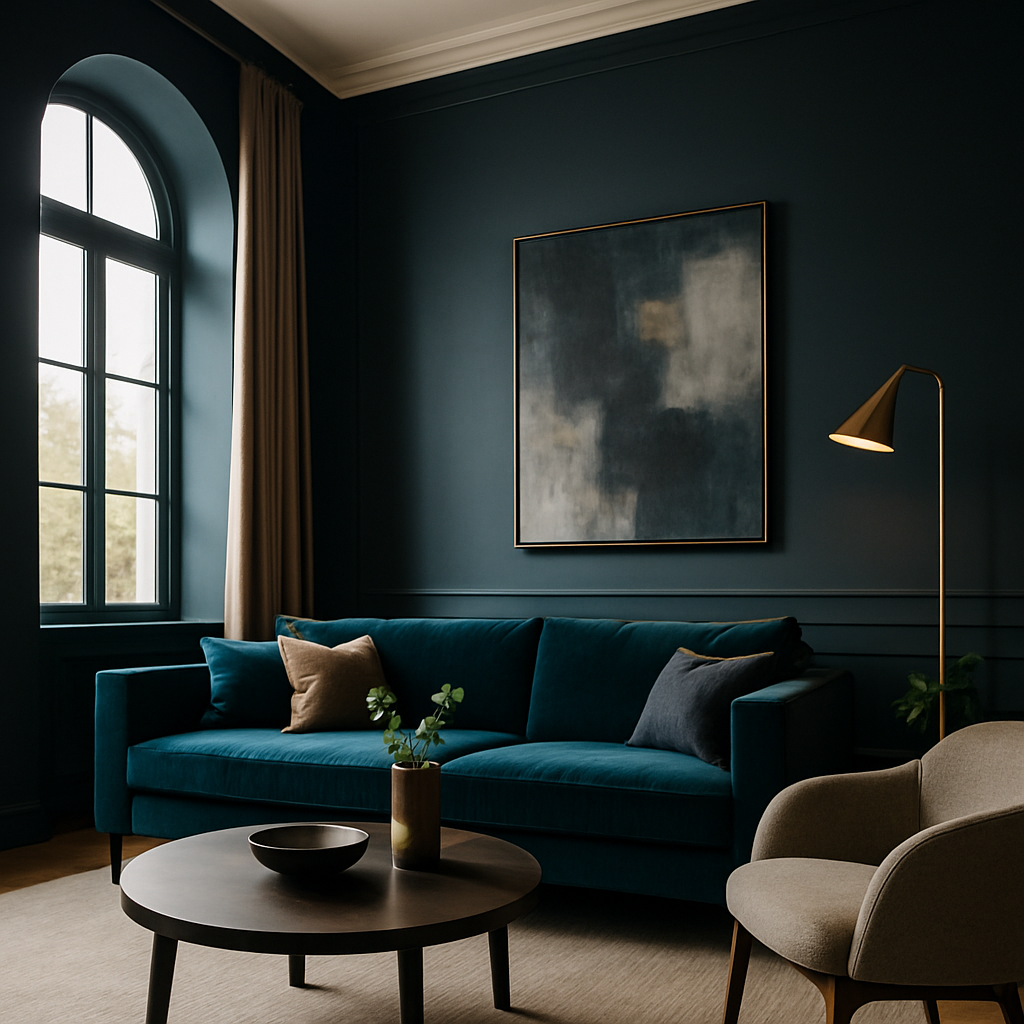
Imagine walking into a room that feels both serene and invigorating, a space where every element is in harmony. According to a recent survey by Houzz, 70% of homeowners plan to renovate this year, showcasing a growing desire to transform living spaces into personal sanctuaries. This wave of change brings with it exciting modern interior design trends for 2023, emphasizing sustainability, technology integration, and minimalist aesthetics. This article delves into the top 10 trends that are set to redefine interiors this year. From biophilic design to smart home innovations, discover how these trends can transform your home into a modern masterpiece.
Biophilic Design: Bringing Nature Indoors
Biophilic design, with its emphasis on integrating nature into indoor spaces, is gaining momentum. This trend uses natural materials, living walls, and large windows to create an indoor-outdoor flow. According to the American Society of Interior Designers (ASID), incorporating elements like wood, stone, and greenery can significantly enhance mental well-being and reduce stress levels. For example, a living room with a green wall and ample natural light not only looks stunning but also improves air quality and mood.
Experienced professionals often note that biophilic design isn't just about aesthetics. It's about creating a connection with nature, which studies have shown can increase productivity and creativity. Consider how your space can incorporate these elements, perhaps through a vertical garden or by using reclaimed wood for furniture. Such choices not only elevate the design but also contribute to a sustainable environment.
Are you ready to make your home a haven of tranquility? Think about the spaces where you can introduce natural elements. Perhaps your kitchen could benefit from a herb garden, or your bathroom from bamboo shelving. The goal is to create a continuous dialogue between your indoor environment and the natural world outside. As we move forward, sustainability and nature will remain at the forefront of interior design, seamlessly leading us to our next trend.
Quiet Luxury and Understated Elegance
Quiet luxury is a trend that favors quality over quantity, focusing on understated elegance and timeless design. This concept is not about opulence but about selecting pieces that exude sophistication. According to Architectural Digest's AD PRO network, this trend is characterized by the use of high-quality materials like cashmere, mohair, and linen, and a neutral color palette that includes soft grays, beiges, and whites.
Data from the International Interior Design Association (IIDA) suggests that homeowners are increasingly investing in fewer, but more luxurious items. This shift allows for a focus on craftsmanship and durability, ensuring that furnishings not only look exquisite but also stand the test of time. For instance, a living room might feature a handwoven wool rug as a focal point, paired with custom-made furniture that reflects the homeowner's personality.
How can you introduce quiet luxury into your own space? Start by decluttering and selecting a few statement pieces that resonate with you. Perhaps it's a velvet armchair or a marble coffee table. Remember, the key is to create a sense of calm and sophistication that feels both personal and inviting. As we explore further, technology's role in design becomes apparent, seamlessly blending with these luxurious spaces.
Smart Home Integration: The Future is Now
Smart home technology is revolutionizing how we interact with our spaces. From automated window treatments to voice-activated lighting, these innovations offer convenience and efficiency. According to industry surveys, homes with smart features have seen a 10-15% increase in resale value, making them not only modern but also a wise investment.
Platforms like Houzz showcase a variety of smart home integrations that have become increasingly popular. Imagine walking into a room where the lights adjust to your presence, or a thermostat that learns your schedule and preferences. These technologies not only enhance comfort but also contribute to energy savings, aligning with the growing emphasis on sustainability.
Are you considering incorporating smart home elements into your design? Begin with small changes, such as smart bulbs or a programmable thermostat, and gradually expand to more integrated systems. As these technologies become more user-friendly and accessible, they are no longer a luxury but a practical addition to modern living. Next, we delve into the fusion of Japanese and Scandinavian design principles, a trend known as Japandi.
Japandi: Minimalism Meets Warmth
Japandi, a blend of Japanese minimalism and Scandinavian warmth, is captivating designers worldwide. This trend combines the clean lines and functionality of Scandinavian design with the serene simplicity and natural elements of Japanese aesthetics. According to NCIDQ (National Council for Interior Design Qualification), Japandi emphasizes a clutter-free environment, focusing on functionality and form.
Incorporating Japandi into your home can start with choosing furniture that is both simple and practical. Look for pieces made from natural materials such as bamboo or oak, and opt for a muted color palette to enhance a sense of calm. The harmony between these elements creates a space that is both inviting and peaceful, ideal for relaxation or contemplation.
Consider how this aesthetic might transform your bedroom or living area. Could a low-profile bed frame or a minimalist dining set help achieve that balance of elegance and simplicity? As we continue, the trend towards sustainable and reclaimed materials further supports the Japandi ethos, providing eco-friendly options that don't compromise on style.
Sustainable and Reclaimed Materials
As environmental awareness grows, the demand for sustainable and reclaimed materials in interior design has surged. This trend marries aesthetics with responsibility, offering homeowners the chance to reduce their carbon footprint without sacrificing style. According to the AIA (American Institute of Architects), incorporating these materials can contribute significantly to a building's sustainability rating.
Reclaimed wood, recycled metal, and repurposed textiles are just a few examples of materials that are breathing new life into modern interiors. These elements add character and history to a space, creating a unique narrative that mass-produced items simply cannot replicate. For instance, a dining table made from reclaimed barn wood not only serves as a functional piece but also as a conversation starter.
Is your home ready for a sustainable makeover? Start by assessing the materials in your current decor. Can you replace synthetic fibers with natural ones, or incorporate vintage pieces that have been upcycled? This approach not only supports environmental goals but also aligns with the timeless appeal of quiet luxury and Japandi designs. In our final section, we explore how AR and VR technologies are transforming the design process itself.
AR/VR Technology in Interior Design
Augmented Reality (AR) and Virtual Reality (VR) are transforming the way designers and homeowners visualize spaces. These technologies allow users to see potential changes in real time, providing a clear picture of how alterations will impact the overall aesthetic. According to Houzz, the use of AR and VR can significantly reduce the time and cost associated with the design process by eliminating guesswork and minimizing errors.
Imagine being able to walk through a virtual rendition of your redesigned living room before a single piece of furniture is moved. This technology enables precise planning and helps avoid costly mistakes, ensuring that your vision aligns perfectly with the final outcome. As these tools become more accessible, they democratize the design process, allowing more people to engage in home improvement projects confidently.
Have you considered using AR or VR for your next renovation project? Many designers now offer these services as part of their packages, providing clients with a more interactive and engaging experience. As we conclude, it's clear that modern interior design trends are not only about aesthetics but also about enhancing functionality and sustainability.
Conclusion: Embrace the Future of Design
Transforming your space in 2023 involves embracing trends that prioritize sustainability, technology, and timeless elegance. From biophilic design to smart home integration, these trends offer a roadmap to creating interiors that are both beautiful and functional. As you consider these trends, ask yourself: What elements resonate most with your lifestyle and values?
Start by exploring designer portfolios on platforms like Houzz or AD PRO to gather inspiration and refine your vision. Even a short session can provide invaluable insights into what you truly want for your home. Whether you're planning a complete home renovation or a simple room refresh, integrating these modern interior design trends can elevate your space to new heights. Begin today by taking the first step towards a space that reflects who you are and where you want to be.



Comments
Post a Comment