Transform Your Space: Innovative Room Interior Design Ideas for Every Budget
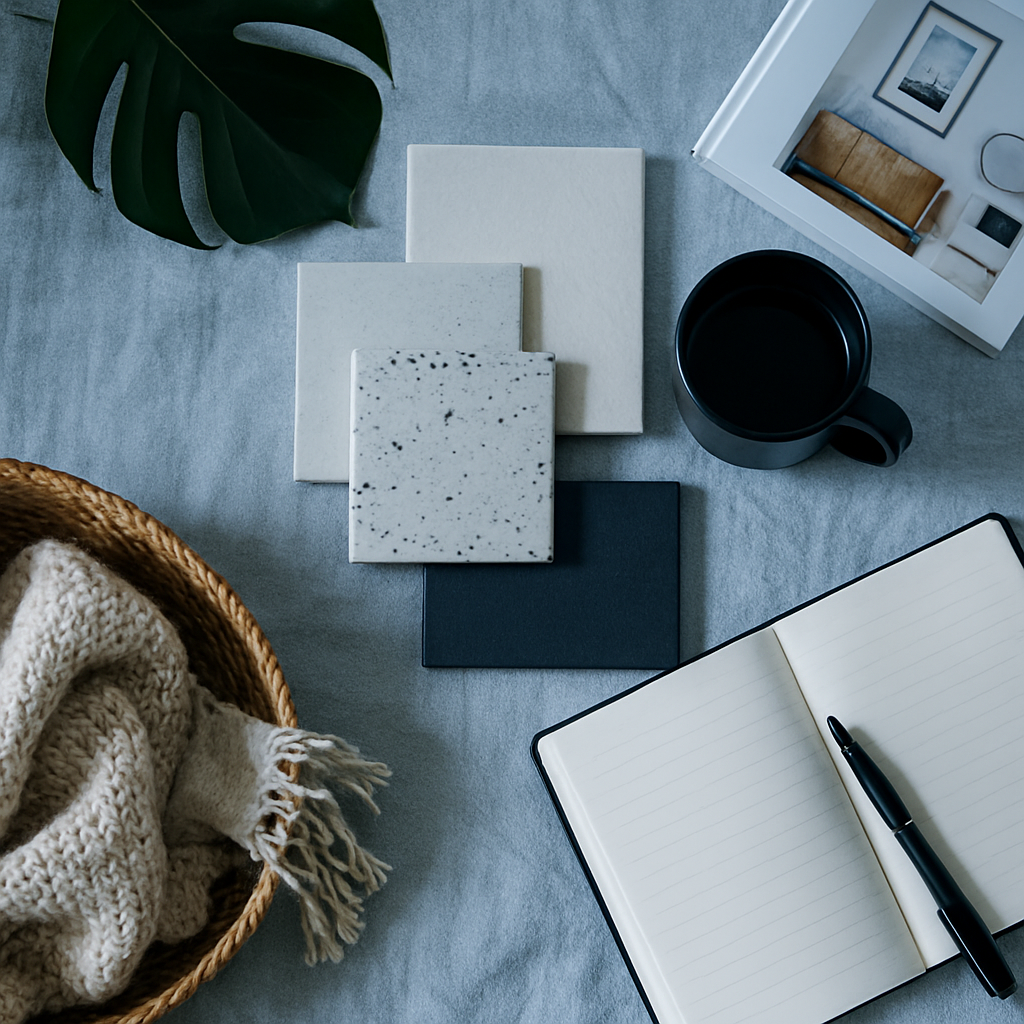
Ever walked into a room and felt instantly at ease, yet couldn't quite pinpoint why? This sense of harmony is no accident. According to a survey by the American Society of Interior Designers (ASID), 68% of homeowners feel a well-designed space significantly boosts their mood. Whether you're working with a shoestring budget or ready to make a substantial investment, there are innovative room interior design ideas that can transform your space into a sanctuary. In this article, we'll explore foundational concepts, delve into deeper analyses supported by data, and provide actionable strategies and expert insights. By the end, you'll have a comprehensive understanding of how to revamp your interiors effectively.
Understanding Foundational Design Concepts
Before diving into specific design ideas, it's crucial to understand the foundational concepts that underpin effective interior design. At its core, interior design is about creating a harmonious space that reflects your personal style while maximizing functionality. This involves an understanding of color theory, balance, and proportion. For instance, consider how a monochromatic color scheme can create a calm and cohesive environment. By using varying shades of a single color, you can add depth and interest without overwhelming the senses.
Another foundational concept is the use of space. Interior designers often emphasize the importance of negative space, or the empty areas around objects. This space allows the eye to rest and can make a room feel larger and more inviting. By carefully considering where each piece of furniture is placed, you can enhance the flow of movement within a room. Ask yourself: Is there enough space to move comfortably? Are the pathways clear? These considerations are essential for creating a functional and aesthetically pleasing environment.
Lighting is another critical component of foundational design. It can transform the mood and appearance of a space. Aim to incorporate layers of lighting, including ambient, task, and accent lighting, to create a dynamic and adaptable environment. For example, a well-placed floor lamp can highlight a reading nook, while strategically positioned ceiling lights can enhance the overall brightness of the room. As you plan your design, think about how natural light enters the space and how you can complement it with artificial light sources.
Deeper Analysis with Supporting Data
To make informed design decisions, it's beneficial to consider data that highlights trends and preferences among homeowners. According to a Houzz survey, 49% of homeowners prioritize improving the design aesthetic of their homes over other renovations. This underscores the importance of creating a visually appealing environment that resonates with your personal taste. When planning your design, consider which elements are most important to you and align them with current trends.
Budgeting is another critical aspect of interior design. The Houzz survey also found that the average cost of a living room renovation ranges from $5,000 to $15,000. However, even with a limited budget, you can achieve a significant transformation. For instance, repainting walls, updating lighting fixtures, and incorporating new textiles are cost-effective ways to refresh your space. What small changes can you make today that will have a big impact on the overall feel of your room?
In addition to budgeting, understanding the potential return on investment is vital. Well-designed interiors can lead to a 5-15% increase in home resale value. This statistic highlights the financial benefits of investing in thoughtful interior design. When selecting materials and finishes, consider their long-term value and appeal to potential buyers if you plan to sell your home in the future. By prioritizing quality and timeless design elements, you can enhance both your living experience and your property's marketability.
Actionable Strategies for Every Budget
Now that we've explored foundational concepts and supporting data, let's dive into actionable strategies you can implement regardless of your budget size. For those on a tight budget, consider focusing on the power of paint. A fresh coat of paint can completely transform a room's atmosphere. Opt for neutral tones to create a versatile backdrop that allows for easy updates with accessories and textiles. Additionally, consider DIY projects, such as creating your own artwork or refurbishing old furniture, to add a personal touch without breaking the bank.
If you have a moderate budget, investing in key furniture pieces can make a significant impact. Look for versatile items like a statement sofa or a multi-functional coffee table that can serve as both a storage solution and a focal point. Don't forget about the power of textiles, such as rugs and curtains, which can add texture and warmth to a space. Mixing high and low-priced items can also create an interesting and curated look. What statement piece could you add to your space to elevate its style?
For those with a larger budget, consider incorporating smart home technology to enhance both the functionality and luxury of your space. Automated lighting, climate control, and window treatments can create a seamless living experience. Investing in custom cabinetry and high-quality materials, such as marble or hardwood, can also add a touch of elegance and ensure durability. These elements not only improve daily living but also add significant value to your home.
Expert-Level Details and Insights
Experienced professionals often note that the devil is in the details when it comes to high-end interior design. Certified interior designers, such as those holding NCIDQ (National Council for Interior Design Qualification) credentials, emphasize the importance of tailoring design elements to your lifestyle and preferences. This might include custom storage solutions for a busy family or selecting hypoallergenic materials for a home with pets. By understanding your unique needs, designers can create personalized solutions that enhance your daily life.
Another expert strategy is the use of biophilic design, which incorporates natural elements to promote well-being. This can be achieved through the use of natural materials, like wood and stone, or by adding plants and greenery to your space. The connection to nature has been shown to reduce stress and improve mood, making it a valuable addition to any design plan. How can you bring a touch of nature into your home to create a more serene environment?
Furthermore, the integration of technology in interior design is becoming increasingly important. Virtual reality (VR) and augmented reality (AR) tools are now commonly used by designers to provide clients with immersive previews of their spaces. These tools allow for precise planning and customization, ensuring that the final result aligns with your vision. By embracing technology, you can make more informed decisions and achieve a design that truly reflects your personality.
Additional Depth: Industry Trends and Innovations
Staying informed about current industry trends can inspire and guide your design decisions. One notable trend is the rise of Japandi style, a blend of Japanese minimalism and Scandinavian warmth. This aesthetic focuses on simplicity, functionality, and a connection to nature, creating a calm and inviting atmosphere. By incorporating natural materials and a neutral color palette, you can achieve this look in your own home.
Another trend gaining popularity is the use of sustainable and reclaimed materials. As environmental consciousness grows, more homeowners are seeking eco-friendly options for their interiors. This might include reclaimed wood flooring, recycled glass tiles, or energy-efficient appliances. By choosing sustainable materials, you can reduce your carbon footprint and contribute to a healthier planet.
Quiet luxury, characterized by understated elegance and high-quality craftsmanship, is also a significant trend. This approach focuses on creating spaces that are comfortable and luxurious without being overtly opulent. By prioritizing quality over quantity and emphasizing subtle details, you can create a sophisticated and timeless environment. What elements of quiet luxury could you incorporate into your space to elevate its design?
Final Perspectives on Transforming Your Space
Transforming your space with innovative room interior design ideas is an exciting endeavor that can enhance your living environment and improve your quality of life. Whether you're working with a limited budget or have the means to invest in high-end design, there are countless ways to create a space that reflects your personal style and meets your functional needs. By understanding foundational concepts, leveraging data-driven insights, and implementing expert strategies, you can achieve a transformation that is both beautiful and practical.
Remember that design is a journey, not a destination. As your needs and preferences evolve, so too can your space. Embrace the process of experimentation and don't be afraid to make bold choices that reflect your unique personality. What small step can you take today to start transforming your space into a more inviting and inspiring environment?
By staying informed about industry trends and innovations, you can continue to refine and enhance your space over time. The possibilities are endless, and the rewards of a thoughtfully designed home are well worth the effort.
Conclusion
As you've discovered, transforming your space with innovative room interior design ideas is within reach, no matter your budget. From understanding foundational concepts and leveraging data-driven insights to implementing expert strategies and staying abreast of industry trends, there are numerous ways to create a space that enhances your life. Begin your design journey by identifying the elements that matter most to you and exploring affordable options to bring them to life.
Ready to take the next step? Start by browsing designer portfolios on platforms like Houzz and Pinterest this week. Even dedicating just 20 minutes to research will sharpen your eye for design and help you pinpoint what resonates with you. With the right mindset and resources, your dream space is closer than you think.



Comments
Post a Comment