Transform Your Space: Innovative Interior Design Ideas for Every Room
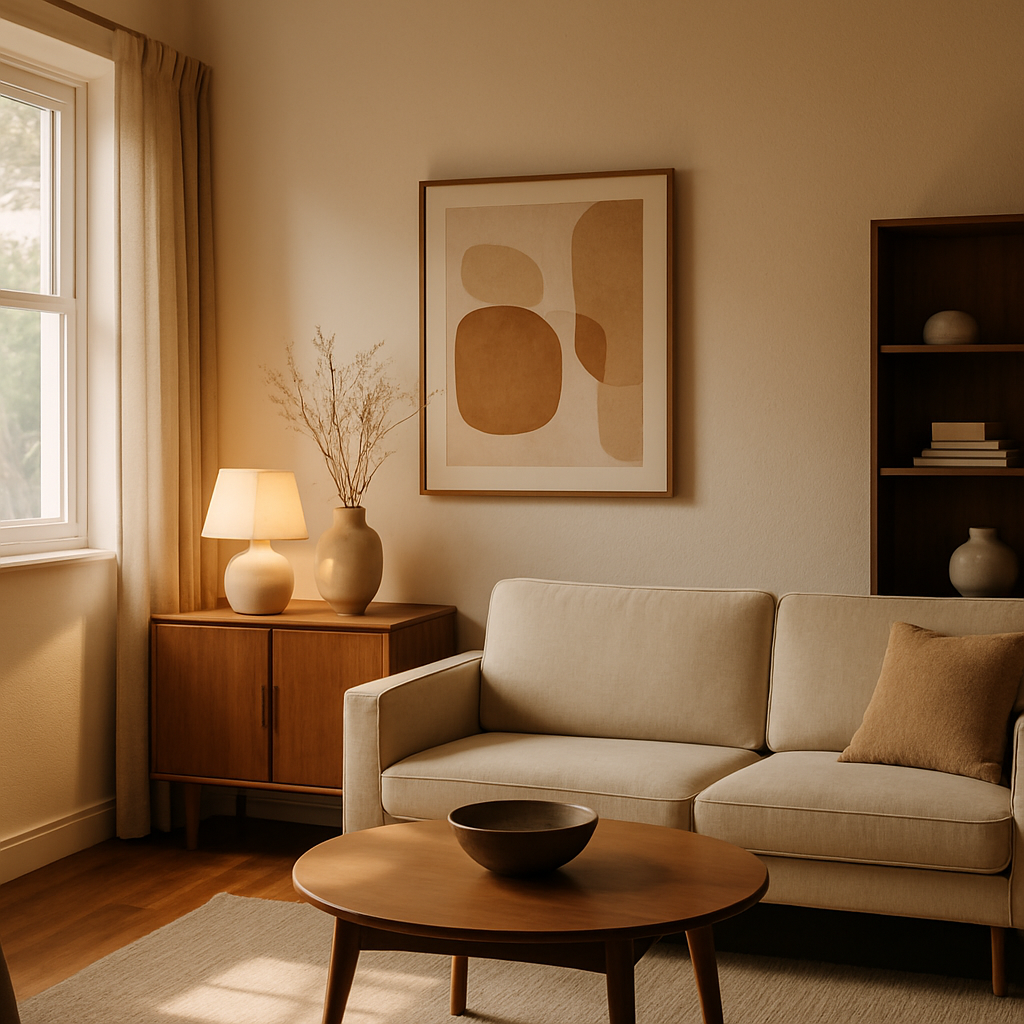
Have you ever stepped into a room and felt an immediate sense of calm or excitement? That transformative power of design can change not just spaces but lives. According to a Houzz survey, well-designed interiors can enhance property values by 5-15%. This article will guide you through innovative interior design ideas that can redefine every room in your home. From foundational concepts to expert strategies, you'll find actionable advice to transform your space. We will explore essential design principles, analyze current trends, offer practical tips, and introduce advanced techniques used by professionals, ensuring you can create rooms that are both stunning and functional.
Understanding Foundational Design Concepts
At the heart of any successful interior design project are foundational concepts that guide the overall aesthetic and functionality of a room. The principles of balance, harmony, and proportion are crucial in achieving a cohesive look. Balance involves distributing visual weight evenly across a space, which can be symmetrical or asymmetrical. Symmetrical balance provides a formal, traditional vibe, while asymmetrical balance offers a more dynamic and relaxed feel.
Harmony in design is achieved when all elements complement each other, creating a unified and pleasing aesthetic. This could mean selecting a color palette that flows seamlessly from one room to another or using textures that complement each other. Proportion relates to the size of elements in a room and their relationship to one another. For example, a large sofa should be paired with a substantial coffee table to maintain visual balance.
Experienced professionals often note that understanding these concepts is the key to designing spaces that feel both inviting and functional. As you embark on your design journey, consider how these principles can be applied to your home. Could your living room benefit from more asymmetrical balance? Are there elements that disrupt the harmony of your bedroom?
Analyzing Current Design Trends
Staying updated with current trends can inspire fresh ideas and keep your home looking contemporary. One of the most significant trends in 2026 is biophilic design, which emphasizes the connection between indoor spaces and nature. Incorporating natural materials, living walls, and maximizing indoor-outdoor flow are hallmarks of this trend. This design approach not only enhances aesthetics but also improves mental well-being by bringing nature closer.
Another trend gaining traction is the concept of quiet luxury, characterized by understated elegance and high-quality materials. This trend focuses on creating spaces that exude sophistication through simplicity. Think muted color palettes, clean lines, and luxurious textures like cashmere and silk. According to the International Interior Design Association (IIDA), this trend reflects a growing preference for spaces that prioritize comfort and quality over opulence.
Smart home integration continues to rise as technology becomes more accessible. Automated lighting, climate control, and window treatments are not just conveniences but integral parts of modern design. The American Society of Interior Designers (ASID) highlights the importance of integrating these technologies seamlessly into design plans to enhance both functionality and style. How can you incorporate these trends into your spaces to improve both form and function?
Implementing Actionable Design Strategies
With foundational concepts and current trends in mind, it's time to implement actionable strategies to transform your spaces. Start with a thorough assessment of each room's function. Ask yourself, how do you use this space daily? Mapping out the flow of activities can help identify design priorities, such as storage needs or seating arrangements.
Once you have a clear understanding of each room's purpose, focus on creating a focal point. This could be a statement piece of furniture, a bold artwork, or a distinctive architectural feature. Focal points draw the eye and set the tone for the rest of the space. For example, a fireplace can serve as a natural focal point in a living room, offering both visual and functional benefits.
Finally, consider the power of color and lighting to transform a room's atmosphere. The National Council for Interior Design Qualification (NCIDQ) suggests using a mix of ambient, task, and accent lighting to create depth and interest. Similarly, employing a strategic color palette can evoke different moods. Warm tones like reds and oranges create a cozy atmosphere, while cool tones like blues and greens can make a space feel calming and expansive.
Leveraging Expert-Level Interior Design Techniques
For those looking to take their design to the next level, leveraging expert-level techniques can make all the difference. One such technique is the use of AR/VR room visualization tools, which allow you to see potential design changes in real-time. These tools, popular among professionals, provide a virtual mock-up of your space, helping you make informed decisions before committing to any changes.
Another advanced strategy involves sustainable and reclaimed materials. As environmental consciousness grows, more designers are opting for eco-friendly options. Incorporating reclaimed wood, recycled metal, or sustainably sourced fabrics not only benefits the planet but also adds unique character to your home. The Architectural Digest's AD PRO network emphasizes that sustainable design choices are not just a trend but a necessary shift towards responsible living.
Experienced designers also utilize the Japandi style-a fusion of Japanese minimalism and Scandinavian warmth. This style is marked by simplicity, functionality, and a focus on natural elements. By combining these two aesthetics, you can create a serene yet inviting atmosphere that embodies the best of both worlds. How might these expert techniques elevate your current design plans?
Diving Into Additional Design Depth
Beyond the basics and expert techniques, there are many additional layers of design depth to explore. One such layer is the concept of spatial zoning, which involves dividing a room into distinct areas for different activities. This is especially useful in open-plan spaces where defining separate zones can enhance both functionality and aesthetics.
Another layer involves the strategic use of textiles. Rugs, curtains, and cushions can add color, texture, and warmth to a room. According to Houzz, homeowners often underestimate the impact of these elements in tying a room together. Consider how a new set of curtains could transform the light in your dining room, or how a textured rug might add depth to your living room floor.
Finally, don't overlook the importance of personal touches. Incorporating elements that reflect your personality and interests can make a space truly feel like home. Whether it's a collection of travel souvenirs or family photographs, these details add a layer of uniqueness that no designer can replicate. As you explore these additional layers, think about what personal touches could make your spaces more reflective of your identity.
Final Perspectives on Interior Design Innovation
Innovative interior design is about more than just aesthetics-it's about creating spaces that enhance your lifestyle. By understanding foundational concepts, embracing current trends, and applying expert techniques, you can transform your home into a space that not only looks beautiful but also functions seamlessly. Remember that design is an evolving process, and your home should reflect your growth and changing tastes.
As you consider these ideas, remember that even small changes can have a significant impact. Perhaps it's time to reimagine your living room layout or introduce a new color scheme in your bedroom. Whatever changes you choose to make, ensure they align with your personal style and the functional needs of your household. What will be your first step in this transformation journey?
Conclusion
In transforming your space, the possibilities are truly endless. From the application of foundational design principles to the integration of cutting-edge trends and technologies, there are myriad ways to innovate every room in your home. The key is to approach each project with a clear vision and an openness to explore new ideas.
As you embark on this design journey, start by browsing portfolios on platforms like Houzz or Instagram this week. Even 20 minutes of research will sharpen your eye for what you want. Take inspiration from the work of certified interior designers and decorators, and don't hesitate to reach out for professional guidance if needed. Your home is your canvas-how will you transform it?



Comments
Post a Comment