The Essential Role of Interior Hung Scaffolds in Modern Interior Projects
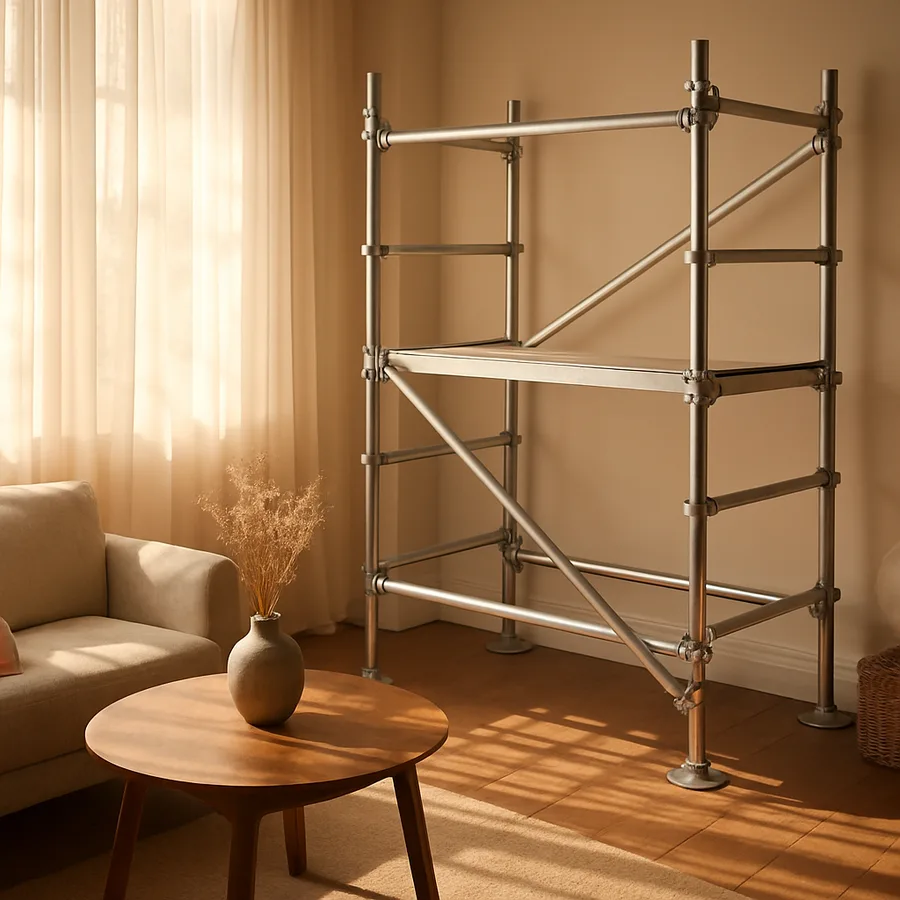
Imagine you're halfway through a major interior renovation, only to realize that reaching the ceiling to install recessed lighting or apply decorative moldings is more challenging than anticipated. The frustration of navigating ladders and makeshift platforms can derail timelines and inflate budgets. This is where the often-overlooked hero of interior renovations steps in - the interior hung scaffold. These scaffolds provide a stable, secure platform that allows design professionals to work at height efficiently, making them indispensable in today's complex interior projects. Let's delve into why interior hung scaffolds are so crucial and how they can transform your renovation strategy.
Why This Problem Matters
The scope of modern interior projects has expanded dramatically, encompassing more than just a fresh coat of paint or a new furniture layout. Today's designs often involve intricate ceiling work, such as installing chandeliers, ventilation systems, or even entire ceiling panels. Without the right equipment, achieving these design aspirations can become a logistical nightmare. According to a survey by the American Society of Interior Designers (ASID), projects that incorporate complex ceiling work see a 20% increase in project duration when inadequate scaffolding solutions are used.
Beyond just time inefficiencies, the lack of proper scaffolding can lead to safety concerns. The Occupational Safety and Health Administration (OSHA) reports that falls are one of the leading causes of injuries in construction-related fields, including interior renovations. Ensuring the safety of the workers and the integrity of the worksite is paramount. Interior hung scaffolds offer a safer alternative to ladders, providing a full platform for workers to maneuver freely and securely.
Moreover, the aesthetic demands of clients have increased. Homeowners are willing to invest substantially in their interiors, with Houzz revealing that 49% of homeowners plan to spend more on home renovations. With such investments, clients expect flawless execution, which makes the role of scaffolding even more critical. Without it, the risk of compromising on quality and design vision becomes significant, impacting client satisfaction and the project's overall success.
Understanding the Root Causes
To understand why interior hung scaffolds are so essential, we must first consider the challenges that interior projects face. One of the primary issues is the complexity of modern designs, which often require access to ceiling areas for lighting, HVAC systems, and decorative elements. These tasks demand precision and stability, something that traditional ladders simply cannot provide. The need for scaffolding becomes evident as designers push the boundaries of interior aesthetics.
Additionally, the shift towards more open and expansive spaces in modern architecture has contributed to the need for interior hung scaffolds. Larger rooms with high ceilings are now common in both residential and commercial properties. While visually appealing, these spaces necessitate the use of equipment that can reach significant heights safely. Interior hung scaffolds offer the flexibility to adjust to various heights and configurations, making them ideal for such environments.
Another root cause is the increasing trend towards sustainable and eco-friendly designs. Many modern renovations incorporate elements like living walls and biophilic designs, which require careful installation and maintenance at height. Without the proper scaffolding, these green installations could become difficult to manage, thus hindering the drive towards sustainability in interior design.
Solution #1: Implementing Interior Hung Scaffolds
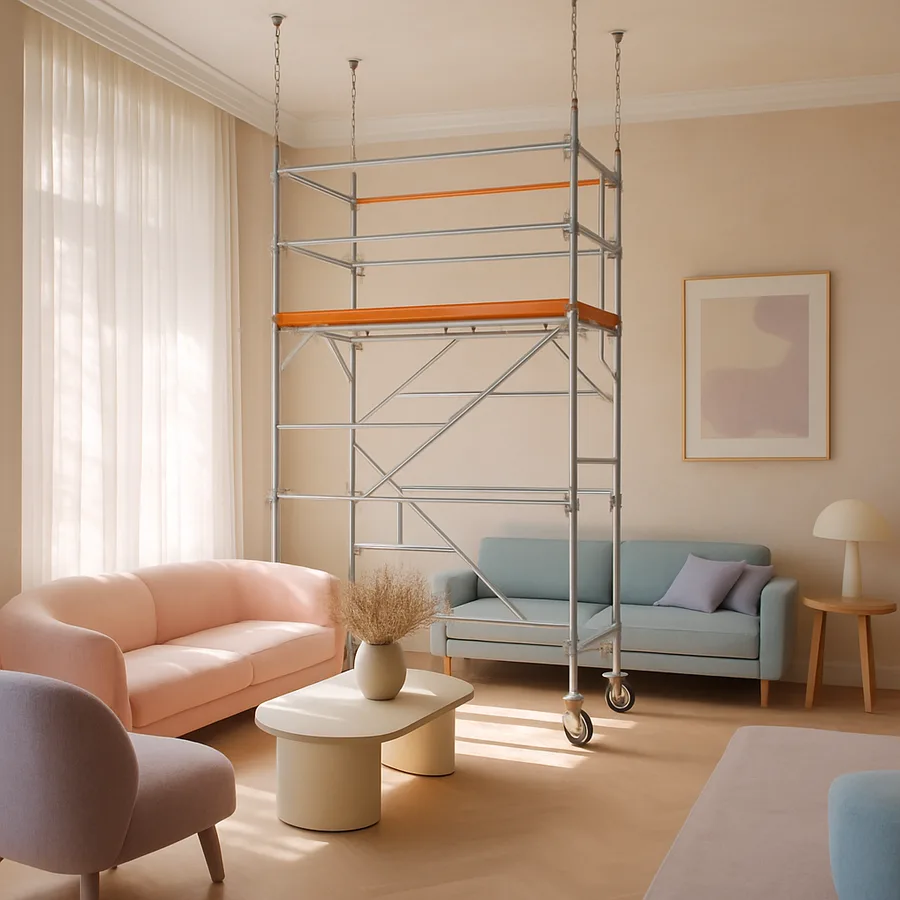
The first step in addressing these challenges is the strategic implementation of interior hung scaffolds in your projects. These scaffolds are designed to be suspended from above, providing a stable and adaptable platform. This solution is particularly effective for spaces with high ceilings or irregular architectural features, where traditional scaffolding might not fit. By using hung scaffolds, you ensure that all parts of the ceiling are accessible without the need for constant repositioning.
Experienced professionals often note the efficiency gained when using hung scaffolds. Not only do they reduce the time spent on setting up and adjusting equipment, but they also enhance the precision of work performed at height. This is crucial for intricate tasks such as the installation of detailed moldings or complex lighting systems. The ability to work seamlessly across the ceiling plane without interruption can drastically improve project timelines and quality.
Moreover, the use of interior hung scaffolds can lead to cost savings. While there is an initial investment in renting or purchasing the equipment, the decrease in labor hours and potential for reduced project delays can offset these costs. For projects with tight budgets, this solution offers a practical balance between upfront expenses and long-term benefits, ensuring that both time and quality demands are met.
Solution #2: Opting for Advanced Ladder Systems
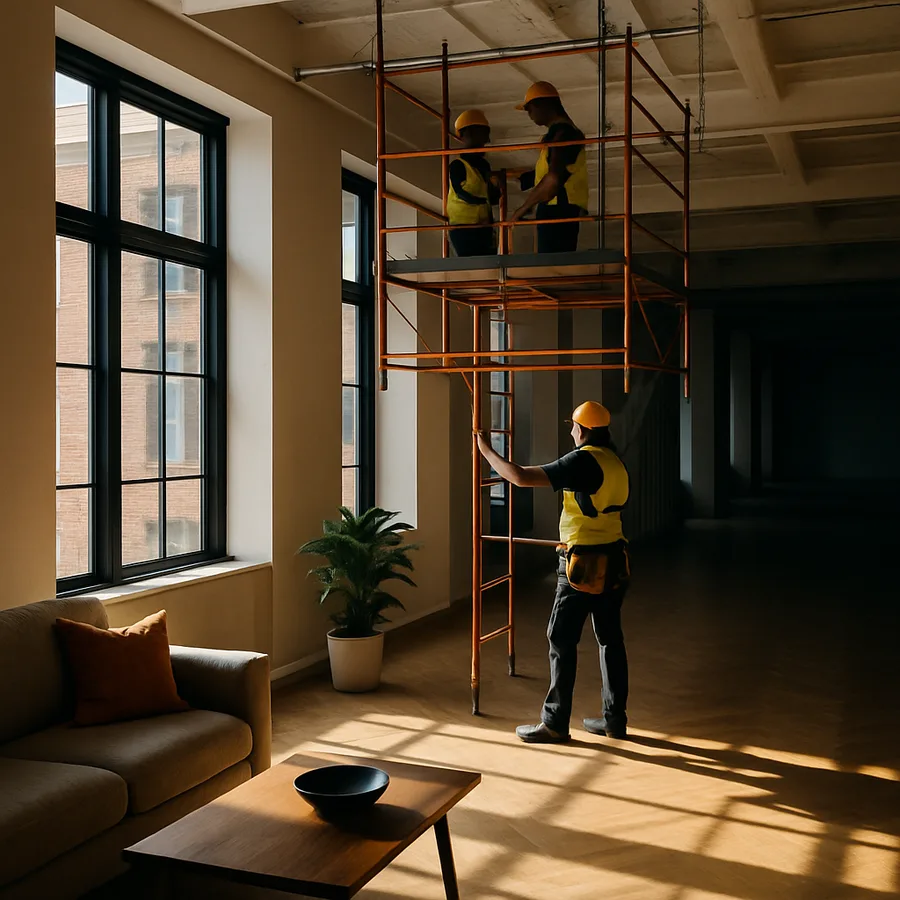
While interior hung scaffolds are highly effective, they may not always be feasible for smaller projects or those with limited budgets. In such cases, advanced ladder systems can serve as a viable alternative. These systems, which include adjustable and multi-position ladders, offer greater flexibility than traditional ladders while maintaining a smaller footprint than scaffolds.
Advanced ladder systems are particularly useful in residential settings where space may be constrained. They allow for quick repositioning and can be stored easily when not in use. This makes them ideal for projects that require intermittent access to ceiling areas, such as during the installation of ceiling fans or smoke detectors. These systems can often be rented from local hardware stores, reducing upfront costs.
However, it's important to weigh the limitations of ladder systems. While they offer convenience and cost-effectiveness, they don't provide the same level of stability and safety as scaffolds. The risk of accidents is higher, and the potential for worker fatigue increases when using ladders for prolonged periods. Therefore, when choosing this option, it's essential to implement strict safety protocols to mitigate these risks effectively.
Comparing Your Options
When deciding between interior hung scaffolds and advanced ladder systems, several factors need to be considered. The primary consideration should always be safety. Scaffolds offer a more stable and secure platform for extended work at height, significantly reducing the risk of falls and injuries. In contrast, ladders, while more affordable, require careful handling and adherence to safety guidelines to ensure worker protection.
Cost is another critical factor. Interior hung scaffolds involve higher upfront expenses, both in terms of rental or purchase and setup. However, they can lead to overall cost savings through reduced labor hours and improved project efficiency. On the other hand, ladders are more budget-friendly initially but may result in higher labor costs due to the increased time required to complete tasks at height.
Lastly, consider the nature of your project. For extensive renovations with complex ceiling work, scaffolds are the superior choice, providing the necessary reach and stability. For smaller projects or tasks that require temporary access, ladder systems can suffice. Evaluating these aspects will help you make an informed decision that aligns with both your project's needs and your budget constraints.
Implementation Guide
Implementing the right equipment effectively requires careful planning and execution. Begin by assessing the scope of your project and determining the height and areas that require access. This will help you decide whether interior hung scaffolds or advanced ladder systems are more appropriate. Once chosen, ensure that all equipment is sourced from reputable suppliers and meets safety standards.
Next, train your team on the proper use and safety protocols associated with the equipment. For scaffolds, ensure that they are correctly assembled and suspended according to manufacturer guidelines. Conduct regular safety checks to identify any potential hazards, such as loose fittings or wear and tear. For ladder systems, emphasize the importance of positioning and stability to prevent accidents.
Finally, incorporate the use of this equipment into your project timeline. Allocate time for setup and adjustments, particularly for scaffolds, which may require more extensive assembly. By planning ahead and integrating these tools into your workflow, you can enhance both the efficiency and quality of your interior projects, ensuring a seamless execution from start to finish.
Conclusion
In modern interior projects, the role of interior hung scaffolds cannot be overstated. They provide the safety, stability, and efficiency needed to meet the demands of today's intricate designs. While advanced ladder systems offer a viable alternative for smaller projects, the benefits of scaffolding in terms of safety and effectiveness make it the preferred choice for larger-scale renovations. Begin by evaluating your project needs and consider investing in scaffolds to enhance your renovation capabilities. Start by exploring suppliers and safety certifications, and integrate these tools into your project planning. By doing so, you'll set the stage for a successful and efficient interior transformation.
More Articles You May Like


Comments
Post a Comment