Master Interior Design: Essential Skills You'll Learn in Top Courses
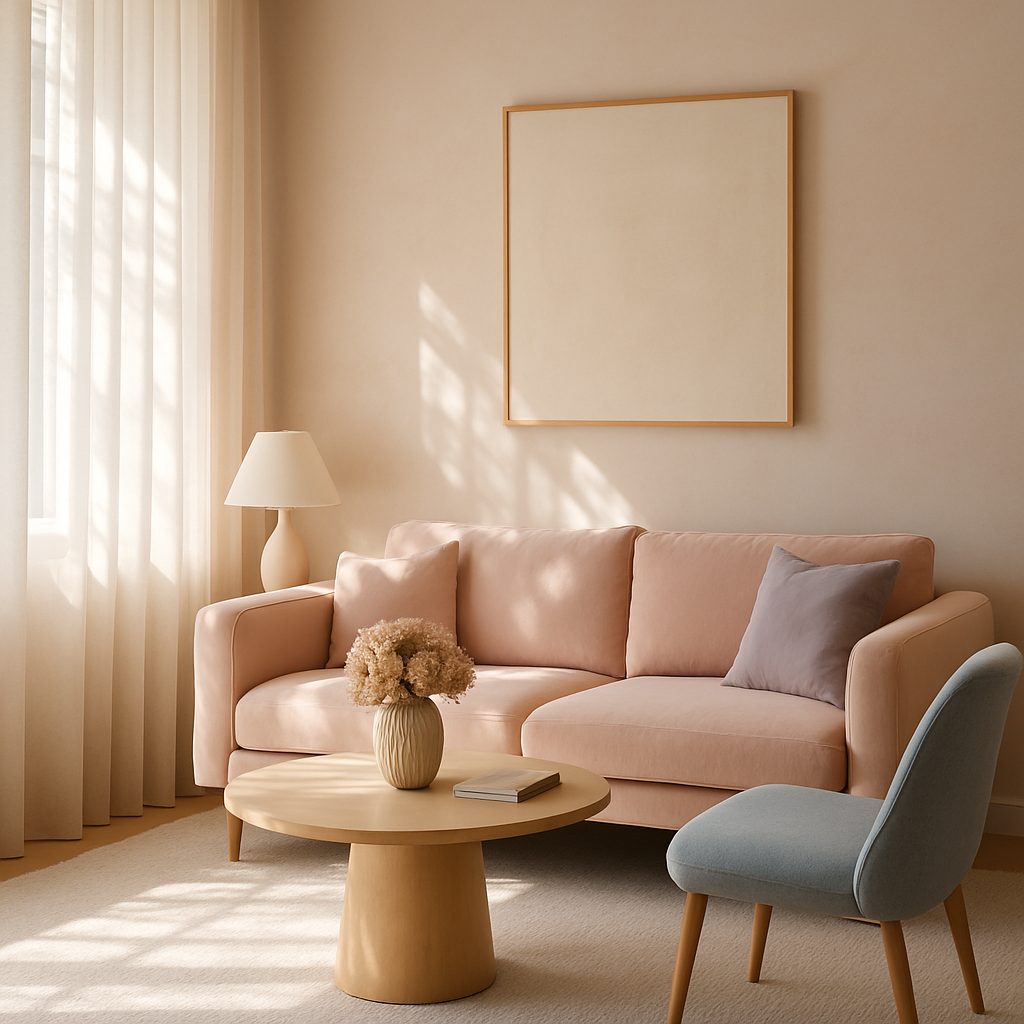
Interior design is far more than choosing attractive furniture and matching paint colors. It is a multifaceted discipline that blends artistic vision with technical precision, psychological understanding with practical problem-solving. The skills required to transform an empty room into a functional, beautiful space are both broader and deeper than most people realize. Top interior design courses recognize this complexity and build curricula that develop competencies across creative, technical, and business domains. Whether you are considering a career shift into professional design or want to elevate your personal projects beyond the amateur level, understanding what these courses teach will help you appreciate the depth of knowledge that separates trained designers from enthusiastic decorators. According to the American Society of Interior Designers (ASID), professionally trained designers bring measurable value to every project through skills that take deliberate study and practice to develop. This guide breaks down the essential skills you will acquire in a top-tier interior design program and explains why each one matters.
Spatial Planning and the Art of Functional Layouts
Spatial planning sits at the foundation of every successful interior design project. Before a single material is selected or a color palette is considered, a designer must understand how people will move through and use a space. Top courses teach students to analyze room dimensions, traffic flow patterns, and functional requirements with the same rigor an architect brings to building design. Students learn to create floor plans that balance aesthetic appeal with practical necessity, ensuring that beautiful rooms also work efficiently for the people who inhabit them. This skill distinguishes professional designers from amateurs who focus solely on visual impact without considering how a space functions in daily life.
The principles of spatial planning extend well beyond residential living rooms and bedrooms. Commercial spaces present unique challenges involving accessibility requirements, building codes, and the specific workflows of businesses. A well-designed medical office, for instance, must balance patient privacy with efficient staff movement. A restaurant layout must consider kitchen proximity, server pathways, and the acoustic experience of diners at different tables. Top courses expose students to these diverse spatial challenges, building the analytical thinking skills that allow designers to approach any space with confidence. Research conducted by the International Interior Design Association (IIDA) demonstrates that thoughtful spatial planning can improve workplace productivity by up to twenty percent, illustrating the tangible impact of this foundational skill.
Students also learn to work within constraints, which is perhaps the most practical aspect of spatial planning education. Real-world design rarely involves blank canvases. Existing architectural features, load-bearing walls, plumbing locations, and electrical systems all impose limitations that designers must work around creatively. Top courses present students with challenging scenarios that mirror professional reality, forcing them to develop creative solutions within genuine constraints. This problem-solving capability is what allows experienced designers to see potential where others see only obstacles, transforming awkward room shapes, low ceilings, and limited natural light into distinctive design features rather than liabilities. Have you ever looked at an oddly shaped room in your home and wondered what a trained designer might do with it?
Color Theory and Its Psychological Impact on Spaces
Color is the most immediately impactful element of any interior space, and understanding its principles requires far more study than browsing paint swatches at a hardware store. Top interior design courses dedicate significant time to color theory, teaching students the science behind how colors interact, influence mood, and create visual harmony or tension. Students learn about color wheels, complementary and analogous schemes, warm and cool tones, and the way natural and artificial lighting alters color perception throughout the day. This scientific foundation transforms color selection from guesswork into informed decision-making, allowing designers to predict with confidence how a color scheme will perform in a given space.
The psychological dimension of color in interior spaces is equally important and often underestimated. Research consistently demonstrates that color choices affect human emotions, energy levels, and even cognitive performance. Cool blues and greens promote calm and concentration, making them popular choices for bedrooms and home offices. Warm yellows and oranges stimulate energy and appetite, which is why they appear frequently in kitchens and dining areas. Top courses teach students to leverage these psychological associations intentionally, selecting colors that support the intended function and emotional atmosphere of each room. The quiet luxury trend in contemporary design relies heavily on sophisticated color work, using muted, tonal palettes that create depth and interest without overwhelming visual stimulation.
Advanced color instruction also covers the practical challenges of working with color in real environments. Students learn that a paint color appearing perfect on a small swatch can look dramatically different when applied across four walls. They study how flooring materials, furniture fabrics, and artwork all contribute to the overall color experience of a room. Courses teach techniques for creating cohesive color narratives that flow naturally from room to room, maintaining visual continuity throughout a home or commercial space. This ability to orchestrate color across multiple spaces is a hallmark of professional design work and one of the most visible differences between trained designers and do-it-yourself enthusiasts. What colors dominate your current living space, and do they support or work against how you want to feel in that room?
Material Selection and Sustainable Design Practices
Knowing how to select the right materials for each application is a skill that combines aesthetic judgment with practical knowledge about durability, maintenance, cost, and environmental impact. Top courses provide extensive education in materials, covering everything from hardwood species and stone varieties to synthetic composites and innovative bio-based alternatives. Students learn to evaluate materials based on performance characteristics appropriate to their intended use, understanding that a stunning marble countertop in a kitchen faces very different demands than the same stone in a bathroom. This knowledge prevents costly mistakes and ensures that beautiful design choices remain beautiful after months and years of daily use.
Sustainable design has evolved from a niche specialty into a core competency expected of every modern interior designer. Leading courses now integrate environmental considerations throughout their curricula rather than treating sustainability as an optional add-on. Students learn to evaluate the life cycle impact of materials, from raw material extraction through manufacturing, transportation, installation, use, and eventual disposal. They study certifications like LEED and WELL that provide frameworks for creating healthy, environmentally responsible interiors. Architectural Digest PRO reports that client demand for sustainable design solutions has increased by over sixty percent in recent seasons, making this knowledge essential for designers who want to remain competitive in a changing marketplace.
Biophilic design represents one of the most significant developments in material selection and sustainable practice. This approach, grounded in the human need for connection with nature, teaches designers to incorporate natural materials, living plants, water features, and nature-inspired patterns into interior spaces. Top courses cover the research supporting biophilic design, which demonstrates measurable improvements in occupant well-being, stress reduction, and cognitive performance. Students learn practical techniques for integrating these elements, from selecting reclaimed wood and natural stone to designing indoor gardens and green walls. The ability to create spaces that nurture human health while minimizing environmental impact represents the future of the profession, and courses that emphasize these skills prepare graduates for long-term success.
Lighting Design and Creating Atmosphere Through Illumination
Lighting is often called the unsung hero of interior design, and with good reason. Even the most thoughtfully designed space falls flat under poor lighting, while skilled illumination can elevate a modest room into something extraordinary. Top courses teach students to think about lighting in layers, combining ambient, task, and accent lighting to create depth, dimension, and visual interest. Students learn the technical specifications of different light sources, including color temperature, lumens output, and energy efficiency. They also study how natural light moves through spaces throughout the day and across seasons, understanding that a room's character can change dramatically from morning to evening depending on its orientation and window placement.
The integration of smart lighting technology has added new dimensions to this already complex discipline. Modern interior design courses cover automated lighting systems that adjust color temperature and intensity based on time of day, occupancy, or user preferences. Students learn to specify smart home lighting solutions that enhance comfort while reducing energy consumption. These systems can simulate natural light patterns in windowless rooms, gradually warm the light temperature as evening approaches to support healthy sleep patterns, and create instant mood changes at the touch of a button or voice command. Understanding these technologies allows designers to offer clients experiences that were impossible just a few seasons ago.
Practical lighting design also requires knowledge of fixture selection, placement calculations, and the interplay between light and surface materials. A glossy lacquer finish reflects light differently than a matte plaster wall, and designers must anticipate these interactions when developing lighting plans. Courses teach students to create lighting schedules that specify fixture types, locations, and control systems for every room in a project. They also address the aesthetic dimension of lighting fixtures themselves, which serve as both functional tools and decorative objects within a space. The ability to design lighting that is technically sound, aesthetically pleasing, and experientially transformative is among the most valued skills a professional designer can possess, and one that directly impacts a designer's ability to command fees in the $150 to $500 per hour range.
Client Communication and Professional Business Skills
Technical design skills mean little without the ability to communicate effectively with clients, contractors, and collaborators. Top interior design courses dedicate substantial time to professional communication, teaching students how to conduct client interviews, present design concepts persuasively, and manage the inevitable disagreements that arise during complex projects. Students learn to listen actively, translate vague client desires into concrete design solutions, and explain their creative decisions in language that non-designers can understand and appreciate. These interpersonal skills are often the factor that determines whether a talented designer builds a thriving practice or struggles to retain clients.
The business curriculum in top courses covers the practical realities of running a design practice or working within a design firm. Students learn about project budgeting, contract development, timeline management, and the various fee structures used in the industry. They study marketing strategies specific to design services, including portfolio development, social media presence, and networking within industry organizations like ASID and IIDA. Understanding the business side of design is essential because creative talent alone does not pay the bills. Designers who combine strong aesthetic skills with sound business practices build sustainable careers, while those who neglect the business dimension often struggle despite their creative abilities.
Courses also prepare students for the emotional and psychological dimensions of client relationships. Interior design is deeply personal work that involves entering people's homes and making decisions about the environments where they live their most private moments. Designers must navigate sensitive topics including budget limitations, conflicting preferences between partners, and the attachment clients feel to existing possessions that may not serve the new design vision. Learning to handle these situations with empathy, diplomacy, and professionalism is a skill that courses develop through role-playing exercises, case studies, and mentorship from experienced practitioners. The designers who build the strongest client relationships and receive the most referrals are invariably those who excel at the human dimensions of the profession as much as the creative ones.
Trend Awareness and Developing a Personal Design Aesthetic
The interior design industry evolves constantly, and staying current with emerging trends while developing a distinctive personal style is a balance that top courses help students achieve. Coursework covers major movements shaping contemporary design, from the clean simplicity of Japandi aesthetics that blend Japanese minimalism with Scandinavian functionality to the resurgence of maximalist expression that celebrates bold pattern mixing and rich color layering. Students learn not just what current trends look like but why they emerge, understanding the cultural, economic, and technological forces that drive shifts in design preferences. This deeper understanding allows designers to anticipate trends rather than simply react to them.
Developing a personal design aesthetic is distinct from trend awareness and arguably more important for long-term career success. While trends come and go, a designer's signature style becomes their brand identity and the basis for attracting clients who share their vision. Top courses guide students through a process of self-discovery, encouraging experimentation across multiple styles and periods to identify the aesthetic principles that resonate most deeply with each individual. Students study the work of influential designers past and present, analyzing what makes each distinctive voice recognizable while finding parallels with their own emerging preferences. The NCIDQ certification process itself evaluates a candidate's ability to articulate and defend design decisions, reflecting the profession's emphasis on intentional, informed aesthetic choices.
The practical application of trend awareness involves knowing when to embrace a current movement and when to exercise restraint. Experienced designers understand that incorporating trendy elements in easily changeable features like accessories, paint colors, and textiles allows spaces to feel current without requiring major renovations when tastes shift. Structural and architectural decisions should reflect more enduring principles that will age gracefully over decades. Courses teach this nuanced approach to trend integration, helping students develop the judgment that distinguishes thoughtful design from impulsive decorating. The Japandi philosophy of intentional simplicity, for example, offers principles about quality, purpose, and restraint that transcend any specific trend cycle and inform design decisions that remain relevant regardless of shifting fashions.
Conclusion
The essential skills taught in top interior design courses form an interconnected web of competencies that together produce professionals capable of transforming spaces and enriching lives. From the analytical rigor of spatial planning to the emotional intelligence required for client relationships, from the science of color and light to the ethics of sustainable material selection, the education a quality program provides is both broader and deeper than most people expect. These skills do not develop overnight, but the structured learning environment of a well-designed course accelerates growth in ways that self-teaching simply cannot replicate. The investment in formal education pays dividends throughout a designer's career, building the confidence and competence needed to tackle increasingly complex projects and command the premium fees that skilled professionals deserve. If you are drawn to the idea of creating beautiful, functional, and meaningful spaces, consider enrolling in a program that develops the full range of skills the profession demands. The design world needs voices with fresh perspectives and rigorous training, and your unique creative potential is waiting to be developed into professional mastery.
More Articles You May Like



Comments
Post a Comment