Transform Your Space: The Ultimate Guide to Choosing an Interior Design Company
Transform Your Space: The Ultimate Guide to Choosing an Interior Design Company
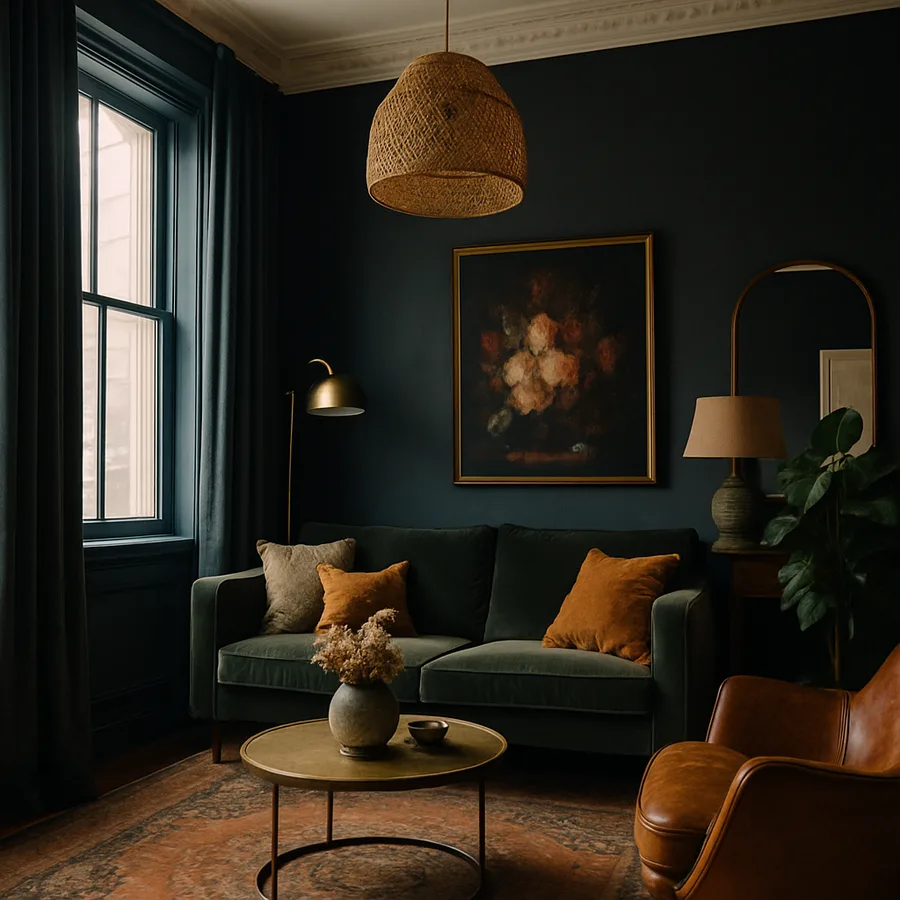
Imagine walking into your home, only to find that the layout feels all wrong, colors clash, and the overall vibe doesn't match the sanctuary you've always envisioned. It's a common frustration for many homeowners who feel trapped within their own four walls. According to a survey by the Houzz, over 36% of people who undertook home renovations were dissatisfied with their initial design choices. This highlights a critical need for professional guidance. Choosing the right interior design company can be the key to transforming your space into a haven that reflects your style and meets your functional needs. In this guide, we'll explore why this problem matters, understand its root causes, and provide actionable solutions to help you navigate the decision-making process.
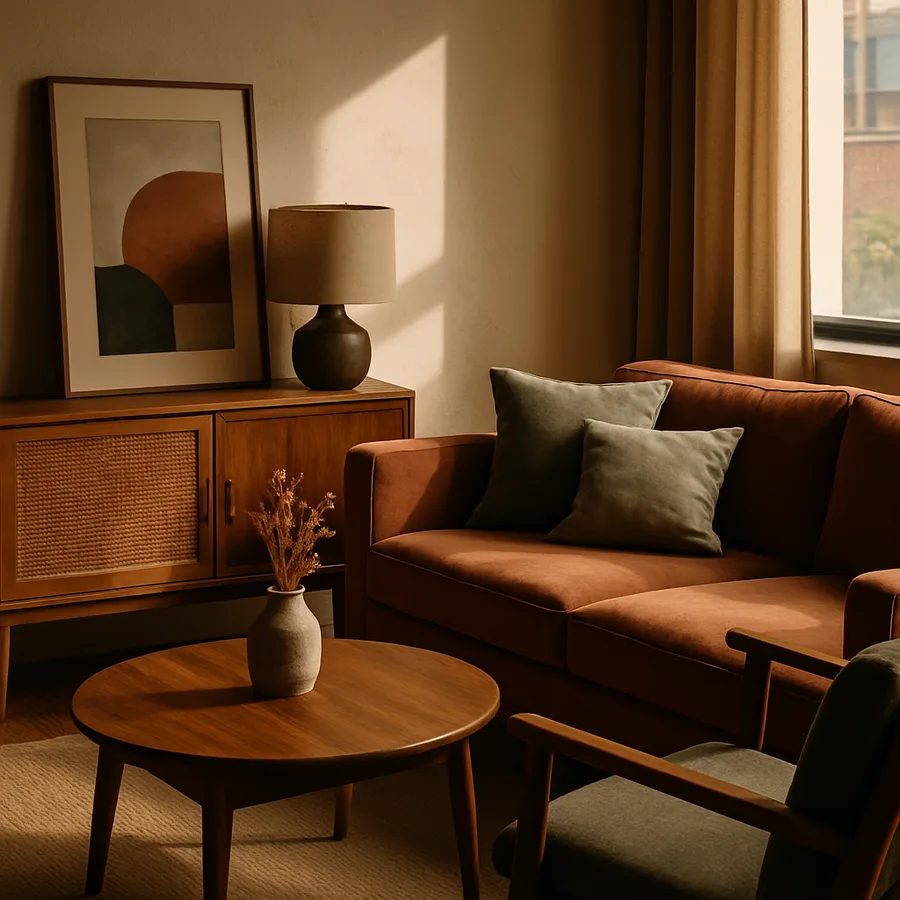
Why This Problem Matters
Many homeowners underestimate the impact that poor design choices can have on their daily lives. A chaotic or mismatched interior not only affects the aesthetic appeal of a home but can also influence your mood and productivity. According to research by the American Society of Interior Designers (ASID), well-designed interiors can increase a home's resale value by 5-15%. This statistic alone underscores the importance of making informed decisions when choosing an interior design company.
Moreover, the financial implications of a poorly executed design project can be significant. Homeowners often find themselves spending additional money on corrections or adjustments, which could have been avoided with professional insight from the start. The International Interior Design Association (IIDA) suggests that hiring an experienced interior designer can streamline the process and prevent costly mistakes, ultimately leading to greater satisfaction with the finished project.
Finally, a well-designed space can dramatically enhance your quality of life. From improved functionality to a more inviting atmosphere, the right design can transform your home into a place that not only looks beautiful but also supports your lifestyle and well-being. As we delve into the root causes of this problem, remember that the right design choice can be transformative, not just visually, but in how you experience your home every day.
Understanding the Root Causes
One of the primary reasons people struggle with interior design is a lack of understanding about what their space can achieve. Many homeowners focus solely on aesthetics without considering the functionality and flow of their home. This oversight can lead to spaces that may look attractive but are impractical for daily use. Experienced professionals often note that successful interior design balances beauty with purpose, ensuring that each element serves a practical function.
Another root cause is the overwhelming number of options available. From styles and materials to colors and furnishings, the choices can be paralyzing. Without a clear vision or plan, it's easy to make impulsive decisions that don't align with your overall goals. According to industry surveys, nearly 40% of design decisions are made on a whim, leading to regret and dissatisfaction.
Additionally, many people don't take the time to research and vet potential interior design firms thoroughly. This can lead to mismatches between clients and designers, resulting in frustration and unmet expectations. To avoid these pitfalls, it's crucial to understand what you're looking for in a design firm, from their style and expertise to their communication style and fee structure. This understanding sets the stage for finding the right solution.

Solution #1: Define Your Vision and Needs
The first step in choosing the right interior design company is to clearly define your vision and needs. Start by asking yourself some key questions: What is the primary purpose of the space? How do you want it to feel? What are your must-have features? By pinpointing these elements, you can begin to form a cohesive vision that will guide your design choices. Additionally, consider practical aspects such as budget and timeline to ensure your expectations align with reality.
Research and inspiration play a vital role in this process. Platforms like Pinterest and Instagram are invaluable resources for gathering ideas and identifying styles that resonate with you. Create a mood board to visualize your preferred aesthetics and share it with potential designers to communicate your vision effectively.
Finally, understanding your non-negotiables can streamline the selection process. Whether it's a specific color palette, sustainability, or smart home integration, knowing what you absolutely need will help eliminate firms that don't align with your goals. By defining your vision and needs upfront, you can ensure that the design company you choose is well-equipped to bring your dream space to life.
Solution #2: Research and Vet Potential Designers
Once you've defined your vision, the next step is to thoroughly research and vet potential interior design companies. Start by seeking recommendations from friends, family, or online reviews. Pay special attention to designers who have worked on projects similar to yours in both style and scope. Websites like Houzz offer extensive directories and reviews that can aid in this process.
When evaluating potential designers, look beyond their portfolios. While visual appeal is important, it's equally crucial to assess their professional credentials. Check if they hold certifications such as the NCIDQ (National Council for Interior Design Qualification) or are members of reputable organizations like the ASID. These credentials indicate a commitment to excellence and adherence to industry standards.
Additionally, conduct interviews with your shortlist of designers to gauge their communication style and approach to projects. Discuss your vision, budget, and any concerns you may have. This interaction can provide insight into how comfortable you feel working with them and whether they truly understand your needs. By conducting thorough research and vetting, you lay a solid foundation for a successful collaboration.
Comparing Your Options
With your list of potential designers in hand, it's time to compare your options carefully. Start by evaluating each designer's fee structure. Common models include flat fees, hourly rates (ranging from $150 to $500 per hour), and a percentage of the total project cost, typically between 10-25%. Understanding these costs upfront will help you budget effectively and avoid surprises later on.
Next, consider the pros and cons of each firm. Does one designer specialize in a style you love, such as Japandi or biophilic design? Does another have a reputation for completing projects on time and within budget? Weigh the strengths and weaknesses of each option based on your priorities and vision.
Finally, don't overlook the importance of personal rapport. A successful project requires open communication and trust. Reflect on your interactions with each designer and consider who made you feel heard and respected. By comparing your options thoroughly, you can make an informed choice that aligns with both your aesthetic goals and practical needs.
Implementation Guide
Having chosen your ideal interior design company, it's time to move forward with implementation. Begin by setting clear expectations with your designer. Outline your vision, budget, and timeline in detail. This transparency will help prevent misunderstandings and ensure a smooth process.
Next, familiarize yourself with the typical project phases: concept development, design presentation, procurement, installation, and styling. Knowing what to expect at each stage will help you stay organized and proactive. Regular check-ins with your designer can keep the project on track and address any issues promptly.
Lastly, embrace flexibility. While it's important to have a clear vision, being open to your designer's professional insights can lead to unexpected and delightful results. Experienced designers often have creative solutions to challenges that arise. By approaching the process with an open mind and collaborative spirit, you can achieve a space that exceeds your expectations.
Conclusion
Choosing an interior design company is a significant decision that can transform your living space and enhance your quality of life. By defining your vision, researching potential designers, and comparing your options, you can ensure a successful partnership that aligns with your goals. Remember, the right choice can lead not only to a beautifully designed home but also to a more functional and satisfying living environment.
Ready to take the next step? Start by browsing portfolios on Houzz this week - even 20 minutes of research will sharpen your eye for what you want. With the right team in place, your dream space is closer than you think.


Comments
Post a Comment