10 Essential Elements of Modern Interior Design You Need to Know
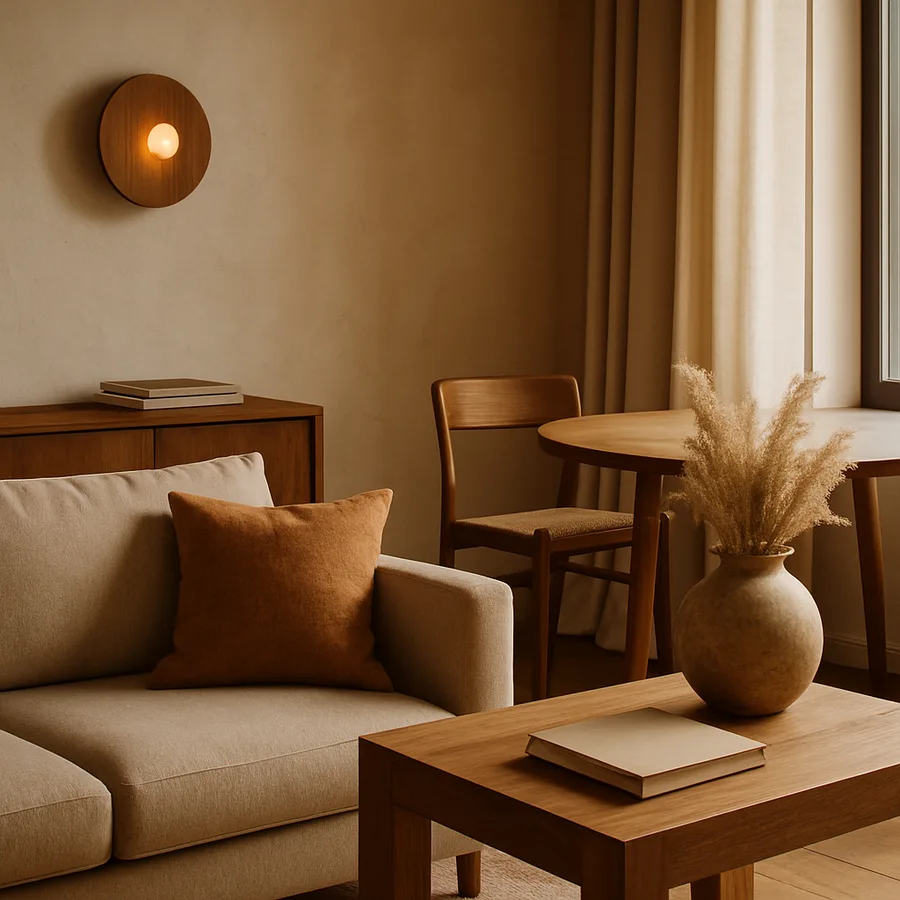
Modern interior design is far more than a visual style -- it is a comprehensive philosophy that prioritizes function, simplicity, and the honest expression of materials. Born from the early twentieth-century modernist movement that rejected ornamental excess in favor of clean forms and purposeful design, modern interiors continue to evolve while remaining anchored to foundational principles that have proven their enduring value. The American Society of Interior Designers (ASID) notes that modern design consistently ranks among the most requested styles in residential projects, appealing to homeowners who seek spaces that feel calm, uncluttered, and intentionally composed. Understanding the essential elements of modern interior design empowers you to create spaces that embody this aesthetic without feeling cold or impersonal, striking the balance between visual restraint and emotional warmth that defines the style at its best.
The widespread appeal of modern design lies in its adaptability and its respect for the way people actually live. Unlike highly decorative styles that demand strict adherence to period-specific furnishings and ornamentation, modern design provides a flexible framework that accommodates personal expression, diverse cultural influences, and practical contemporary needs. The International Interior Design Association (IIDA) has observed that modern design principles translate effectively across different housing types, from urban apartments to suburban homes to rural retreats, because they address universal human needs for order, light, and spatial clarity. Whether you are designing an entire home or updating a single room, the ten essential elements explored in this guide will serve as your compass, helping you navigate design decisions with confidence and clarity.
Clean Lines and Geometric Clarity
The most immediately recognizable characteristic of modern interior design is its commitment to clean, unadorned lines that create a sense of order and visual calm. Furniture profiles are streamlined and geometric, with straight edges, smooth curves, and minimal ornamentation that allow the form itself to serve as the aesthetic statement. This does not mean that every piece must be rigidly rectilinear -- organic curves appear frequently in modern design, as seen in the iconic egg chairs, tulip tables, and sculptural lighting fixtures that have become synonymous with the style. The key distinction is that every curve serves a purpose, whether structural, ergonomic, or compositional, rather than existing purely for decorative effect. NCIDQ-certified designers understand that clean lines extend beyond furniture to encompass architectural details, with modern interiors typically featuring flush baseboards, simple door and window casings, and transitions between materials that are sharp and deliberate rather than ornately profiled.
Achieving clean lines in practice requires attention to details that are easy to overlook but critical to the overall effect. Cable management, concealed storage, and built-in furniture all contribute to the uncluttered visual plane that modern interiors demand. Floating shelves mounted with invisible hardware, media consoles with integrated cable channels, and kitchen cabinetry with push-to-open mechanisms eliminate visual noise and allow the architecture and furnishings to speak clearly. How much visual clutter in your current space could be eliminated through better storage solutions and more intentional organization? The discipline of clean lines extends to decorative choices as well, with modern interiors favoring a curated selection of meaningful objects over an abundance of accessories. Each item on display earns its place by contributing beauty, meaning, or function to the space, and the negative space between objects is valued as an essential compositional element.
The geometric clarity of modern design creates rooms that photograph beautifully and feel inherently organized, but achieving this effect requires careful planning during the early stages of a project. Furniture arrangements should align with the room's architectural grid, creating sight lines that draw the eye smoothly through the space without obstruction or confusion. Area rugs with clean borders define functional zones within open floor plans, while maintaining the visual continuity that modern design demands. Architectural elements such as built-in bookshelves, window seats, and niches should be designed with precise proportions that relate harmoniously to the room's overall dimensions. The result is a space that feels intentional and composed, where every element occupies its position for a reason and contributes to a unified visual narrative.
The Power of Open and Connected Spaces
Open floor plans have become nearly synonymous with modern residential design, reflecting a cultural shift toward informal living and the desire for spaces that flow seamlessly from one function to another. The removal or reduction of walls between kitchen, dining, and living areas creates expansive, light-filled environments that accommodate contemporary patterns of socializing, working, and family life. Houzz surveys consistently show that open floor plans rank as the most desired layout feature among homebuyers, with over 70% of respondents preferring connected living spaces to traditional room-by-room compartmentalization. However, successful open floor plans require careful design to prevent the space from feeling undefined or chaotic, using furniture placement, area rugs, lighting zones, and subtle level changes to create distinct functional areas within the larger volume.
The connection between interior and exterior spaces represents another dimension of openness that is central to modern design philosophy. Floor-to-ceiling windows, sliding glass doors, and covered outdoor living areas blur the boundary between inside and outside, expanding the perceived size of the interior while strengthening the relationship between inhabitants and their natural surroundings. This indoor-outdoor connection delivers practical benefits as well, flooding interiors with natural light that enhances mood, reduces energy consumption, and reveals the true colors and textures of interior materials. Window treatments in modern interiors tend toward minimal solutions -- simple roller shades, sheer panels, or motorized blinds that disappear when not in use -- to preserve the clean architectural lines and unobstructed views that define the style. The IIDA recognizes the indoor-outdoor connection as a key element of contemporary residential design that supports both occupant well-being and environmental sustainability.
Creating a sense of openness does not necessarily require removing walls or installing expansive glazing -- it can be achieved through visual strategies that make existing spaces feel more expansive and connected. Light, reflective colors on walls and ceilings push surfaces outward visually, while continuous flooring materials that flow uninterrupted between rooms eliminate the visual fragmentation that makes spaces feel smaller. Furniture raised on legs rather than sitting directly on the floor allows sight lines to extend beneath and around pieces, creating an airy quality that grounded furniture cannot achieve. Mirrors strategically positioned to reflect light and views amplify the sense of spaciousness without any structural modification. Have you considered which visual barriers in your home could be reduced or eliminated to create a greater sense of flow and connection between spaces?
Neutral Palettes with Strategic Color Accents
Modern interior design typically builds its visual foundation on a neutral color palette -- whites, grays, beiges, taupes, and blacks -- that creates a calm, timeless backdrop against which architectural forms, material textures, and carefully chosen accent colors can express themselves. This neutral foundation does not equate to absence of color; rather, it establishes a disciplined canvas that gives greater impact to the colors that are introduced. A single vibrant painting on a white wall, a set of emerald green velvet cushions on a gray sofa, or a terracotta ceramic vase on a black console -- each becomes a focal point that would be diminished by a busier chromatic context. ASID color specialists note that the restraint of modern color palettes actually heightens color awareness, training the eye to appreciate subtle variations in tone and temperature that would go unnoticed in more saturated environments.
The whites and grays of modern design are far from monolithic, encompassing a rich spectrum of undertones that dramatically affect a room's atmosphere. A cool blue-white feels crisp and contemporary, while a warm cream-white feels inviting and organic. Gray with green undertones creates a sophisticated, natural quality, while gray with violet undertones introduces a subtle glamour. Selecting the right neutral requires evaluating the room's natural light direction and intensity, the colors of fixed elements such as flooring and countertops, and the intended emotional atmosphere. Testing paint samples on multiple walls and observing them at different times of day remains the most reliable method for choosing neutrals that perform well in a specific space. The NCIDQ examination includes color theory as a core competency, reflecting the profession's recognition that color selection, even within a restricted palette, demands sophisticated understanding of how colors interact with light and with each other.
Accent colors in modern interiors should be introduced with intention and restraint, typically limited to two or three hues that appear consistently throughout the space to create visual rhythm and cohesion. These accents can be introduced through artwork, textiles, decorative objects, and even functional items like books or kitchen accessories, allowing for seasonal or mood-driven changes without repainting or refurnishing. The current direction in modern color accenting favors warm, earthy tones -- terracotta, ochre, olive, and rust -- that complement neutral backgrounds while introducing organic warmth that prevents modern spaces from feeling sterile. Black accents, whether in furniture frames, light fixtures, or hardware, provide graphic definition and visual weight that ground the lighter elements of the palette. The discipline of working within a limited color palette may initially feel restrictive, but it ultimately produces spaces with the visual coherence and intentional calm that define modern design at its most compelling.
Natural Materials as Honest Expression
Modern design celebrates the inherent beauty of materials, presenting them honestly rather than disguising them beneath applied decoration or artificial finishes. Wood grain is displayed rather than painted over, stone surfaces reveal their natural veining and variation, metal components expose their structure rather than hiding behind decorative cladding, and concrete appears in its raw, formed state as a deliberate design element. This honesty of materials connects modern interiors to the natural world and provides the tactile warmth that prevents minimalist spaces from feeling cold or unwelcoming. The IIDA emphasizes that material authenticity is a cornerstone of modern design philosophy, arguing that spaces composed of genuine materials age gracefully and develop character over time, while those relying on imitations tend to deteriorate in ways that diminish rather than enhance their appearance.
Wood, in its many species and finishes, serves as the primary warming element in modern interiors, softening the geometric precision and neutral palettes with organic texture and natural color variation. Light-toned woods such as white oak, ash, and maple complement the brightness of modern spaces, while darker species like walnut and teak introduce richness and depth. The grain patterns, knots, and natural imperfections of wood are embraced rather than concealed in modern design, reflecting the philosophy that beauty resides in authenticity rather than perfection. Wood appears throughout modern interiors in flooring, cabinetry, furniture, wall paneling, and decorative accents, often serving as the connective thread that unifies different areas of an open floor plan. Natural oil or wax finishes that allow the wood to breathe and develop a natural patina over time are preferred over heavy polyurethane coatings that create an artificial, plastic-like surface appearance.
Stone, metal, glass, and concrete provide the counterpoints to wood's organic warmth, introducing coolness, reflectivity, and structural honesty that complete the modern material palette. Natural stone in countertops, flooring, and feature walls adds geological character and timeless elegance, with each slab presenting a unique pattern that no manufactured material can replicate. Metal elements in brushed steel, matte black iron, or warm brass provide structural definition and visual punctuation, appearing in furniture frames, light fixtures, hardware, and architectural details. Glass, whether in expansive windows, frameless shower enclosures, or delicate decorative objects, introduces transparency and light play that enliven modern interiors. The interplay between these materials -- warm and cool, rough and smooth, opaque and transparent -- creates the textural richness that gives modern spaces their depth and sophistication.
Lighting as Architecture and Atmosphere
In modern interior design, lighting transcends its functional role to become an architectural element that shapes space, defines zones, and creates atmosphere. The modernist emphasis on natural light as a design material has influenced residential architecture profoundly, with contemporary homes featuring larger windows, higher ceilings, and more open floor plans specifically to maximize daylight penetration. Artificial lighting in modern interiors is planned as carefully as furniture placement, with each fixture selected not only for its illumination quality but for its contribution to the room's visual composition. According to research supported by ASID, lighting quality is the single environmental factor that most significantly affects occupant satisfaction in interior spaces, surpassing even furniture comfort and color selection in its impact on how people feel within a room.
The layered lighting approach is essential to modern interiors, combining ambient, task, and accent lighting to create flexible, responsive illumination that adapts to different activities and moods throughout the day. Recessed ceiling fixtures provide clean, unobtrusive ambient light that maintains the streamlined ceiling plane modern design demands. Pendant lights and chandeliers serve as sculptural focal points, their forms as important to the room's design as their illumination. Task lighting at desks, reading areas, and kitchen work surfaces ensures functional adequacy without relying on harsh overhead fixtures that flatten the space and create unflattering shadows. Accent lighting directed at artwork, architectural features, or textured surfaces adds drama and dimension, creating visual hierarchy that guides the eye through the space. Modern lighting control systems allow all these layers to be adjusted independently, enabling occupants to sculpt the room's atmosphere in real time.
Light fixture design has become one of the most dynamic and expressive areas of modern interior design, with contemporary manufacturers producing pieces that function as illuminated sculpture. The clean geometry of modern design finds particular expression in lighting, where spare metal frames, geometric glass shades, and innovative LED configurations create forms that are visually compelling whether switched on or off. What role do your current light fixtures play in your room's design narrative -- are they simply functional necessities, or do they contribute beauty and character? Scale is critical in modern lighting selection, with oversized fixtures making bold statements in large or high-ceilinged spaces, while clusters of smaller fixtures create rhythm and movement in more intimate rooms. The warm color temperature of approximately 2700-3000 Kelvin is generally preferred for residential modern interiors, providing illumination that renders skin tones and natural materials attractively while maintaining the warm, welcoming atmosphere that makes modern spaces livable rather than gallery-like.
Intentional Minimalism and Curated Simplicity
Minimalism in modern interior design is not about deprivation or austerity -- it is about the deliberate curation of objects and experiences that add genuine value to daily life, and the equally deliberate elimination of those that do not. This distinction is crucial, as poorly understood minimalism produces cold, uncomfortable spaces that feel more like galleries than homes, while thoughtful minimalism creates environments of extraordinary calm, clarity, and beauty. The NCIDQ emphasizes that modern minimalism is additive as much as it is subtractive, requiring active selection of high-quality, well-designed pieces that individually justify their presence in the space. Every item in a well-executed modern interior earns its place through a combination of beauty, function, and meaning, with nothing included merely out of habit or default.
The practice of curated simplicity extends to how surfaces, shelves, and tables are styled in modern interiors. Rather than filling every available surface with objects, modern design values the breathing room between items, allowing each piece to be seen and appreciated individually. A single statement vase on a console table, a carefully arranged trio of objects on a shelf, or one large-scale artwork on an otherwise bare wall -- these restrained compositions create more visual impact than dense collections because the negative space around them provides contrast and focus. Houzz surveys indicate that "clutter-free" is among the most frequently cited descriptors when homeowners describe their ideal living spaces, suggesting that the desire for visual simplicity resonates broadly across demographic and stylistic preferences. The challenge, of course, lies in maintaining this simplicity within the reality of daily life, which requires not just an initial editing effort but ongoing systems for managing the flow of objects into and out of the home.
Storage design is the unsung hero of modern minimalism, as the clean surfaces and uncluttered rooms that define the style require robust concealed storage to accommodate the possessions that every household inevitably accumulates. Built-in cabinetry with flush, handle-less fronts provides seamless storage that integrates into wall planes without visual interruption. Closets designed with comprehensive organizational systems maximize capacity while maintaining order, reducing the tendency for overflow to migrate into living spaces. Furniture selections that incorporate hidden storage -- beds with under-mattress drawers, coffee tables with concealed compartments, benches with lift-up seats -- serve double duty without compromising the clean aesthetic that modern design demands. The investment in well-planned storage infrastructure pays continuous dividends in the form of spaces that remain orderly and serene despite the inevitable accumulation of everyday life.
Conclusion: Making Modern Design Your Own
The ten essential elements of modern interior design -- clean lines, open spaces, neutral palettes, natural materials, intentional lighting, curated simplicity, and their supporting principles -- provide a robust framework for creating spaces that are both visually striking and deeply livable. Understanding these elements allows you to apply them selectively and adaptively, incorporating modern principles into any space regardless of its architectural style, size, or budget. The most successful modern interiors are those that balance fidelity to these foundational elements with the personal warmth and individuality that make a house a home, avoiding the trap of creating spaces that are technically correct but emotionally vacant.
As you apply these principles to your own spaces, remember that modern design is not a rigid formula but a flexible philosophy that welcomes interpretation and personalization. Start by identifying which elements resonate most strongly with your aesthetic sensibilities and lifestyle needs, and focus your efforts on implementing those elements with care and consistency. Whether you choose to embrace modern design comprehensively or selectively incorporate its principles into a more eclectic approach, the clarity, intentionality, and material honesty at the heart of modern design will elevate the quality of your living environment. Take a critical look at one room in your home today and identify three changes that would bring it closer to the modern ideal of purposeful beauty and functional simplicity.
More Articles You May Like


Comments
Post a Comment