The Art of Mixing Styles: How to Create a Cohesive Interior Design in Your Home
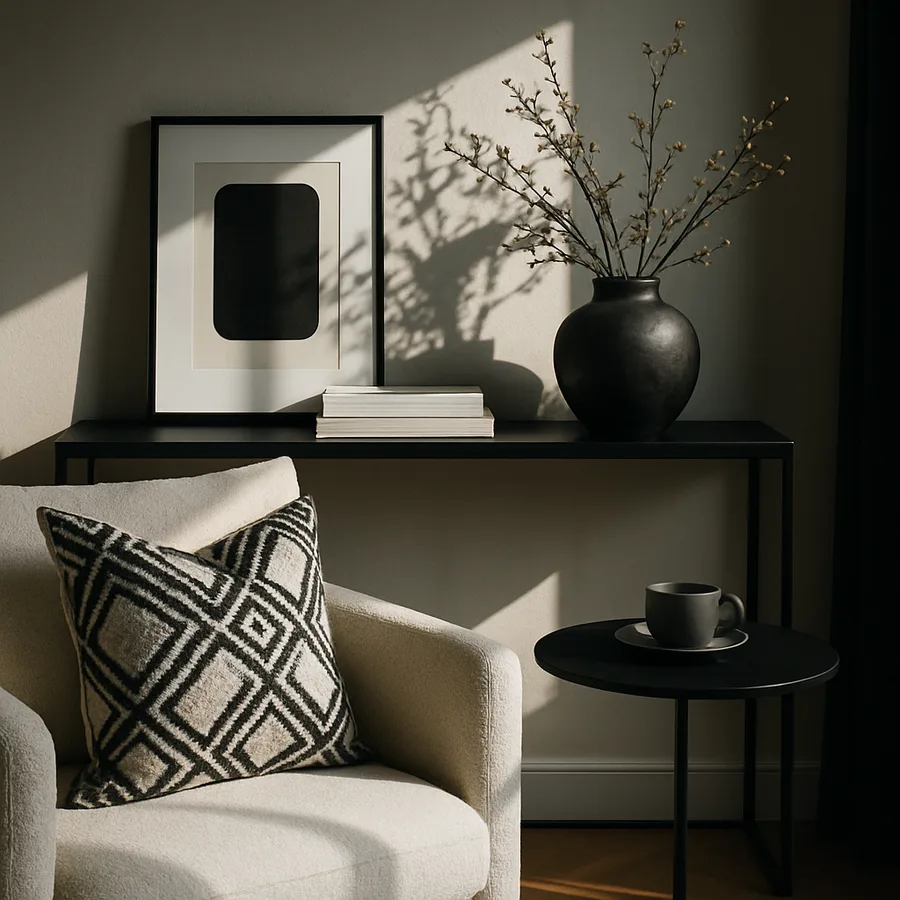
Have you ever walked into a room and felt the perfect balance between seemingly disparate elements? This harmony is often the result of expertly mixing interior design styles. According to a survey by Houzz, more than 60% of homeowners have attempted to blend styles in their decor. This art of combining different design elements is not just about aesthetics; it's about creating a space that feels uniquely personal and welcoming. In this article, we'll explore how to navigate the complexities of mixing styles to achieve a cohesive look in your home. We'll delve into the current design landscape, the factors driving changes, and share actionable tips to help you master this art.
The Current Landscape
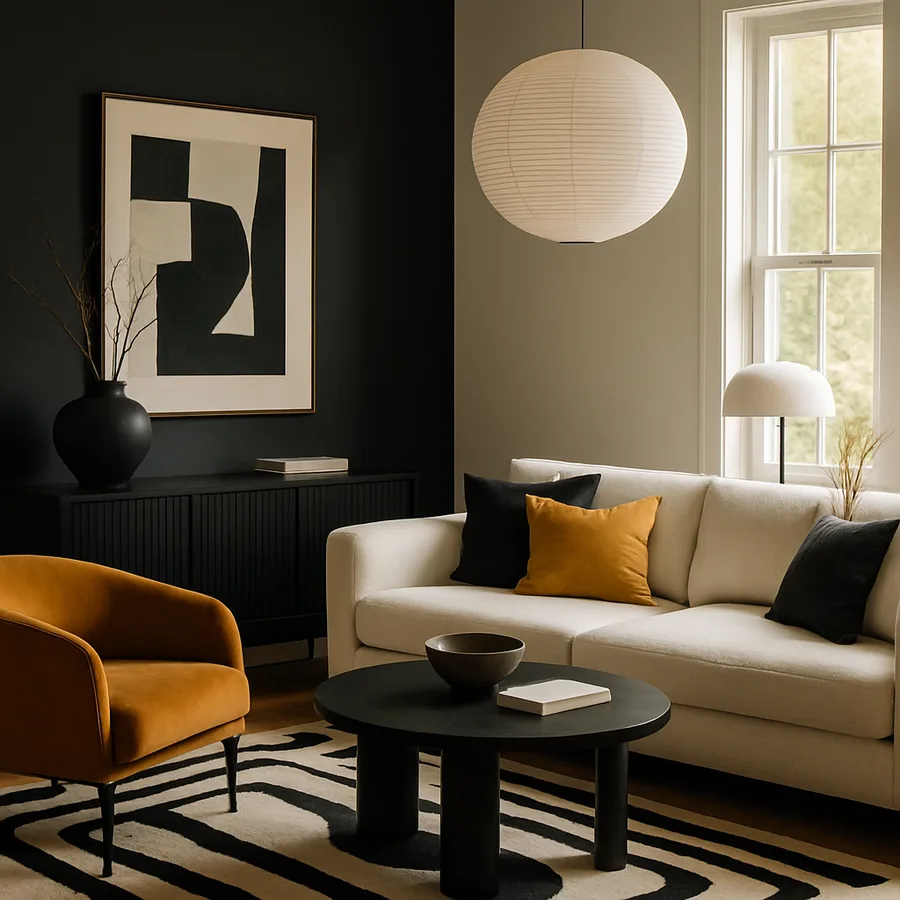
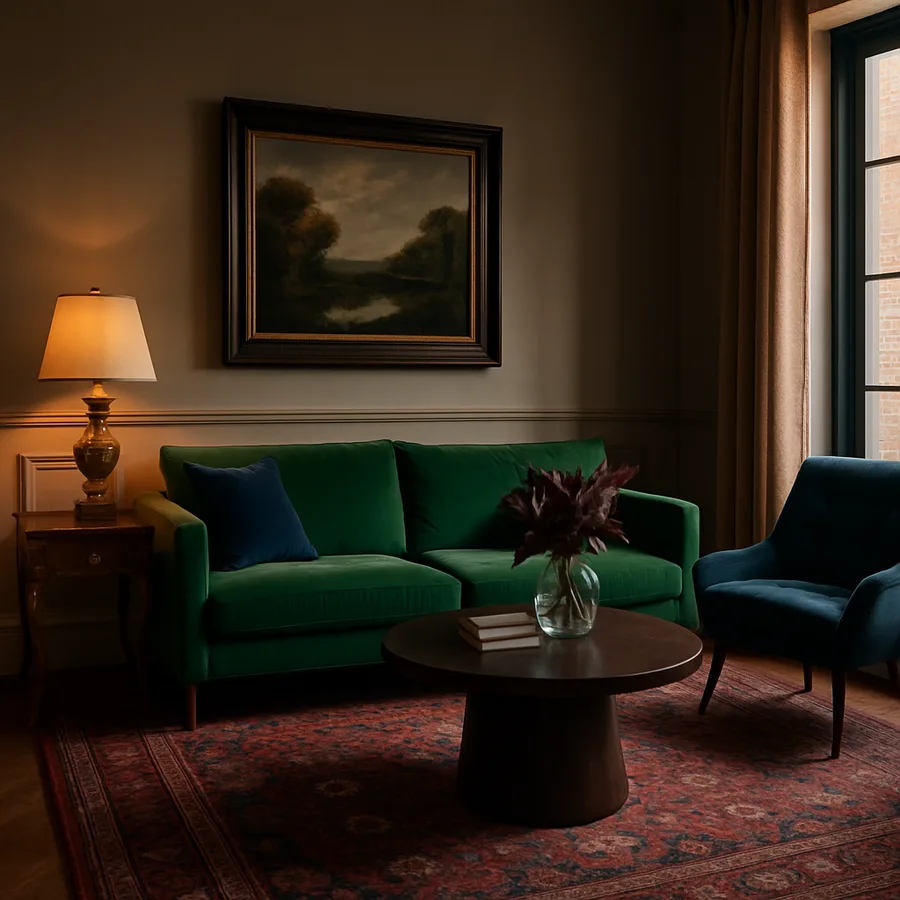
The interior design world is currently experiencing a transformative phase where the blending of styles has become not only common but also celebrated. This shift is driven by a growing appreciation for personal expression and the desire for spaces that reflect individual lifestyles. Gone are the days when strict adherence to a single style was the norm. Instead, contemporary design encourages mixing traditional elements with modern touches, vintage items with cutting-edge pieces, and global influences in a single coherent space.
One driving force behind this trend is the increased accessibility to design inspiration. Platforms like Houzz and Pinterest provide endless visual ideas that encourage homeowners to experiment with different styles. These platforms offer a plethora of designer portfolios and project photos that make it easier than ever to visualize how eclectic pieces can work together. As a result, homeowners are more confident in their choices and more willing to take design risks.
Furthermore, the rise of minimalism and sustainability has influenced how styles are mixed. Many designers are now focusing on quality over quantity, choosing fewer, more meaningful pieces that stand the test of time. This approach not only supports a more sustainable lifestyle but also facilitates the integration of various styles. As we move forward, this trend shows no signs of slowing, setting the stage for a more dynamic and personalized approach to interior design.
Key Factors Driving Change
Several key factors are driving the evolution of style mixing in interior design. A major factor is the increasing global connectivity, which exposes individuals to a broader array of cultures and design philosophies. This exposure leads to a more eclectic taste and a desire to incorporate diverse elements into home decor, reflecting a more globalized world. The influence of travel and digital media cannot be overstated in this regard, as they continually introduce new ideas and aesthetics.
Economic considerations also play a significant role. As the cost of living continues to rise, many homeowners are opting to invest in versatile pieces that can adapt to changing tastes and needs. This flexibility allows for a mix of styles that can evolve over time without necessitating a complete overhaul of the interior space. According to the American Society of Interior Designers (ASID), there is a notable increase in demand for multifunctional furniture and decor that seamlessly blends with various styles.
Technological advancements are another critical factor. The use of augmented reality (AR) and virtual reality (VR) tools in interior design allows homeowners to visualize how different styles and pieces will look in their space before making a purchase. These tools reduce the risk associated with mixing styles and encourage more experimentation. Experienced professionals often note that these technologies have empowered clients to make bolder style choices, knowing they can see the potential outcome beforehand.
What the Research Shows
Research into consumer behavior and design trends provides valuable insights into why and how people mix styles in their homes. Houzz's annual survey data reveals that around 75% of respondents consider personal style as their primary guiding factor when choosing decor, rather than adhering to a specific trend or style. This finding underscores the importance of personal expression in interior design today.
Another interesting statistic from the International Interior Design Association (IIDA) highlights that homes designed with a mix of styles tend to have higher satisfaction rates among homeowners. The ability to incorporate personal tastes and preferences into the design process leads to spaces that are not only aesthetically pleasing but also more functional and comfortable for everyday living.
Moreover, research indicates that well-designed interiors, especially those that successfully mix styles, can increase a home's resale value by 5-15%. This statistic emphasizes the financial benefits of investing in a cohesive design that appeals to a broad range of potential buyers. As more homeowners become aware of these benefits, the trend toward mixing styles is likely to continue growing.
Practical Implications for You
So, how can you effectively mix styles in your home to create a cohesive interior design? Start by assessing your current space and identifying the elements you love. Consider which pieces hold sentimental value or have the most significant impact on your daily life. Once you've identified these core elements, think about how new additions can complement them rather than compete. Have you considered what story your home tells about you?
Another practical tip is to choose a cohesive color palette. This doesn't mean every room needs to be the same color, but rather that there should be a harmonious flow throughout. Use colors that complement each other and connect different styles. For example, if you love mid-century modern furniture but also have a passion for bohemian textiles, find a color that bridges the two, such as a rich teal or a warm mustard.
Finally, balancing scale and proportion is crucial when mixing styles. Ensure that furniture pieces and decor items are appropriately sized for the space and each other. Mixing styles works best when there's a balance between large, statement pieces and smaller, supporting items. This balance ensures that no single element overpowers the room, allowing different styles to coexist harmoniously. Would you like to see how these principles can transform your home?
Expert Perspectives
Industry experts agree that mixing styles is both an art and a science. According to the National Council for Interior Design Qualification (NCIDQ), certified designers often emphasize the importance of understanding the principles of design, such as balance, proportion, and harmony, when blending different styles. These principles ensure that the final design feels intentional rather than haphazard.
Experienced designers also note that successful style mixing often involves a certain level of restraint. While it might be tempting to include every piece you love, too many different elements can lead to visual clutter. Instead, focus on a few key pieces that effectively represent each style you're incorporating. This approach not only maintains a clean aesthetic but also highlights the unique qualities of each style.
Experts from Architectural Digest's AD PRO network suggest that collaboration with a professional can be invaluable when mixing styles. A designer can provide an objective perspective, helping you make choices that enhance the overall coherence of the space. They can also introduce you to new ideas and solutions you might not have considered, elevating the design to a professional level.
Looking Ahead
As we look to the future of interior design, the trend of mixing styles will likely continue to evolve and grow. With technological advancements and a growing focus on sustainability, the possibilities for creative expression in home design are expanding. Smart home integration and sustainable materials are expected to play increasingly prominent roles in how styles are blended.
Biophilic design, which incorporates natural elements into the home, is also gaining popularity. This trend aligns with the desire to create spaces that are not only aesthetically pleasing but also promote well-being. By integrating natural materials and indoor-outdoor elements, homeowners can add another layer of depth to their mixed-style interiors.
The future of interior design is about creating spaces that are as dynamic and multifaceted as the people who inhabit them. By embracing the art of mixing styles, you can ensure that your home remains relevant and reflective of your personal journey. Ready to start experimenting with your space?
Conclusion
Mixing styles in interior design is an exciting way to express your personality and create a home that truly feels like yours. By understanding the current trends, key factors, and practical applications, you can achieve a cohesive and harmonious design. Whether you're working with a professional or tackling the project on your own, remember that successful style mixing requires both creativity and intention. Start by browsing portfolios on platforms like Houzz this week-even 20 minutes of research will sharpen your eye for what you want. What will your next design project look like?
More Articles You May Like



Comments
Post a Comment