The Art of Mixing Styles: How to Achieve a Cohesive Interior Design
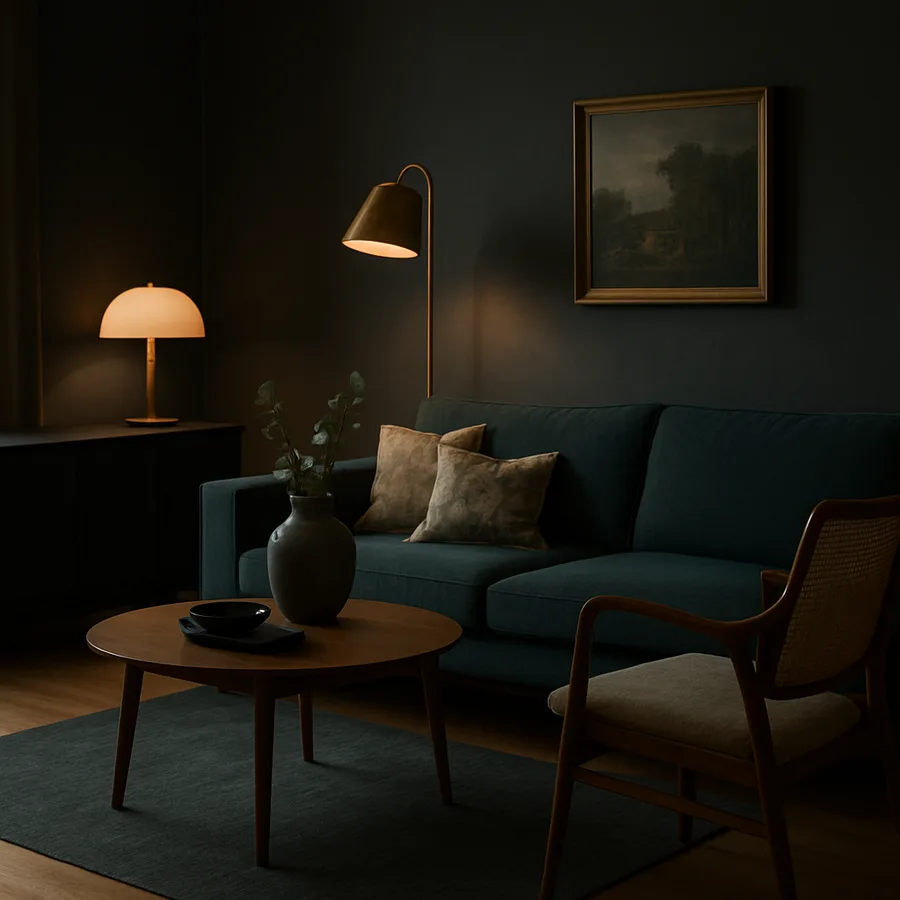
Walking into a room where every piece of furniture, every accessory, and every finish comes from the same design era and aesthetic tradition can feel like walking into a museum exhibit rather than a home. There is a sterile quality to perfect stylistic consistency that works beautifully in a showroom but often falls flat in a space where real life happens. The most compelling interiors, the ones that stop you in a doorway and make you want to sit down and stay, almost always mix design styles. They combine modern with traditional, rustic with refined, Eastern with Western, and somehow make it all feel inevitable rather than accidental.
Achieving this kind of effortless-looking cohesion is, paradoxically, one of the most challenging skills in interior design. Without underlying principles to guide the mix, combining elements from different styles produces visual confusion rather than sophisticated harmony. The room feels like a yard sale rather than a curated collection. But when the principles are understood and applied, style mixing becomes a liberating practice that frees you from the constraints of any single aesthetic vocabulary and allows you to create spaces that are genuinely original. According to a Houzz survey of over 40,000 homeowners, transitional style, which deliberately blends traditional and contemporary elements, consistently ranks as the most popular approach to residential interior design, outpacing both purely modern and purely traditional preferences.
This guide provides a systematic approach to mixing interior design styles successfully. Each section addresses a specific principle or technique that professional designers rely on to create coherent rooms from diverse elements. Whether you are working with inherited furniture you love but that doesn't match your preferred aesthetic, or you are intentionally building a collected look from scratch, these principles will help you make mixing decisions with confidence rather than anxiety.
Finding Your Anchor: Establishing a Design Foundation
Every successfully mixed interior begins with an anchor, a dominant style or element that establishes the room's fundamental character. This anchor might be the architectural style of the home itself, a significant piece of furniture, or even a strong color or material theme. The anchor does not dictate every subsequent choice, but it does provide a reference point against which other elements are measured. Without this foundation, style mixing becomes random addition rather than intentional composition, and the room loses the sense of purposeful direction that distinguishes design from decoration.
Architectural context provides the most natural anchor. A Victorian home with ornate moldings, high ceilings, and original fireplaces already has a strong traditional foundation that subsequent design decisions can either support or intentionally contrast. Placing a sleek, contemporary sofa in such a room creates a dynamic tension between the architecture and the furniture that reads as sophisticated precisely because the contrast is clearly intentional. The key is that both the traditional architecture and the contemporary furniture are excellent examples of their respective styles. Mediocre examples of any style lack the visual conviction needed to create compelling contrast.
When the architecture is neutral or contemporary, a signature furniture piece can serve as the anchor. A substantial vintage dining table, a sculptural modern lounge chair, or an heirloom armoire each projects a strong stylistic identity that sets the tone for the room. Supporting pieces can then be selected to complement, contrast with, or bridge the gap between the anchor piece and the overall spatial context. The American Society of Interior Designers recommends that the anchor element occupy a visually prominent position in the room, either as the focal point or as a primary seating piece, so that its stylistic influence is immediately apparent upon entering the space.
Material themes offer a third anchoring strategy. Committing to warm wood tones as a unifying material, for instance, allows you to combine a Scandinavian oak dining table with a rustic walnut console and a mid-century teak credenza. Despite their different stylistic origins, the shared material family creates visual continuity that holds the composition together. Similarly, a commitment to natural linen as a primary textile can unify a modern sofa, traditional curtains, and farmhouse-style throw pillows under a single tactile banner. Material anchors work below the conscious level of style recognition, creating an intuitive sense of belonging that allows stylistic diversity to coexist comfortably.
The Unifying Power of Color
Color is the single most powerful tool for creating cohesion in a mixed-style interior. A disciplined color palette can make the most diverse collection of furniture and objects read as a unified composition, while an undisciplined one can make even style-matched pieces feel disconnected. The most effective approach is to establish a palette of three to five colors, including neutrals, and apply them consistently across the room regardless of the stylistic origin of individual pieces. When a mid-century modern chair, a traditional Persian rug, and a contemporary abstract painting all share the same warm rust tone, they speak the same visual language despite their different design dialects.
Professional designers often build their palettes around a single inspiration piece, a fabric, an artwork, or a rug that contains all the colors they want to use in the room. This approach ensures that the colors are inherently harmonious because they already coexist successfully in the source piece. Drawing a palette from a vintage kilim rug, for example, might yield terracotta, deep indigo, cream, and olive green, a combination with built-in harmony that can then be distributed across furniture, walls, textiles, and accessories throughout the room. Each new piece added to the room is evaluated against this palette, creating consistency even when styles vary widely.
Neutrals deserve particular attention in mixed-style interiors because they provide the visual breathing room that prevents diverse elements from overwhelming the eye. The specific neutrals you choose, whether warm (cream, taupe, warm gray) or cool (white, charcoal, blue-gray), establish an overall temperature for the room that influences how every other color reads. Benjamin Moore, one of the leading paint manufacturers, notes that neutral walls account for the majority of residential paint selections, a testament to their role as the canvas against which colorful furnishings and accessories are displayed. In a mixed-style interior, generous use of well-chosen neutrals allows stylistically diverse colorful pieces to coexist without competing.
Color distribution matters as much as color selection. The 60-30-10 guideline, where approximately 60 percent of the room's color comes from a dominant hue (usually a neutral), 30 percent from a secondary color, and 10 percent from accent colors, provides a reliable framework for distributing color across a mixed-style room. This proportional approach prevents any single color from overwhelming the composition and ensures that the eye encounters a balanced visual experience as it moves through the space. Do you currently have a clear color story in your main living areas, or do your rooms feel like they lack chromatic direction?
Scale, Proportion, and Visual Weight
Scale and proportion are the invisible framework that holds a mixed-style interior together. Two pieces of furniture can come from entirely different design traditions and still look natural together if they share similar visual weight and relate proportionally to the space and to each other. A massive, heavily carved traditional armoire placed next to a delicate, spindly-legged modern side table creates an awkward mismatch not because the styles conflict but because the scale difference is too extreme. Replace the side table with a more substantial modern piece, perhaps a chunky geometric end table, and the pairing suddenly works because the visual weights are in conversation rather than in conflict.
Visual weight is determined not only by physical size but by color, material density, and detail complexity. A small, dark, intricately carved wooden box has greater visual weight than a large, light-colored, simple ceramic vase. Understanding this allows you to balance pieces from different traditions by matching their visual impact rather than their literal dimensions. A heavy traditional sideboard can be balanced by a modern artwork of significant scale hung above it, the large canvas matching the visual weight of the substantial furniture piece below even though their styles are entirely different.
Room scale sets the parameters within which all furniture and object scale decisions must be made. A room with high ceilings and generous floor area can accommodate larger, more visually commanding pieces from both traditional and modern vocabularies. A compact room requires restraint in scale regardless of style, and mixing oversized pieces from different traditions in a small space creates visual claustrophobia. The International Interior Design Association emphasizes that spatial analysis should precede any style or furniture decisions, ensuring that the fundamental proportional relationships between room and contents are appropriate before questions of style mixing even arise.
Vertical proportion is easily overlooked but critically important. A room where all furniture sits at approximately the same height creates a flat, monotonous visual plane. Varying the heights of key pieces, a tall bookcase next to a low console, a high-backed wing chair across from a low modern sofa, creates vertical rhythm that the eye finds engaging. This height variation can itself become a unifying strategy, drawing together stylistically diverse pieces through their contribution to an overall rhythmic composition that no single-style approach could achieve as naturally.
Bridging Pieces: The Art of the Transitional Element
In any mixed-style interior, certain pieces serve as bridges between different design traditions, mediating potential conflicts and creating smooth transitions. These bridging pieces typically combine characteristics from multiple styles, softening the boundary between them. A chair with traditional proportions but modern upholstery fabric, a table with clean contemporary lines but a richly stained wood finish, or a light fixture that blends industrial hardware with artisan-crafted glass elements, these transitional objects make the jump between styles feel natural rather than jarring.
Textiles are particularly effective bridges because they can introduce pattern, color, and texture that connect disparate furniture pieces. A throw pillow featuring a traditional damask pattern rendered in a contemporary colorway placed on a modern sofa creates an immediate connection between the modern seating and any traditional elements in the room. Similarly, curtains in a fabric that blends classical and contemporary motifs can tie together a window wall that faces a room containing furniture from multiple eras. The softness and approachability of textiles make them ideal diplomats in the sometimes tense negotiations between competing design languages.
Artwork serves as another powerful bridging element because it operates somewhat outside the furniture-focused style categories that dominate interior design discussion. A room containing both traditional and modern furniture can be unified by artwork that relates to both without belonging exclusively to either. Abstract art in a traditional color palette, or classically composed photographs of contemporary subjects, creates visual connections across stylistic divides. The Museum of Modern Art (MoMA) has long demonstrated through its collection and exhibitions that art transcends period boundaries, and this principle applies equally in residential settings where artwork can create conceptual bridges between furnishings from different design traditions.
Metallic finishes and hardware also function as transitional elements. Brass, in particular, has the remarkable ability to read as appropriate in virtually any design context, from an eighteenth-century Georgian interior to a contemporary loft. Using a consistent metal finish across hardware, lighting, and decorative accessories in a mixed-style room provides a subtle but effective thread of continuity. A brass picture light illuminating a modern painting, brass handles on both a vintage dresser and contemporary cabinetry, and brass legs on a mid-century coffee table all connect through their shared material even as the objects themselves belong to different style families.
The Role of Negative Space and Editing
Perhaps counterintuitively, the success of a mixed-style interior depends as much on what you leave out as on what you include. Negative space, the empty areas between and around objects, provides the visual pauses that allow the eye to process the variety of styles present in the room without becoming overwhelmed. A room packed with interesting pieces from multiple design traditions, no matter how individually beautiful, will feel chaotic if there is no breathing room between elements. Generously proportioned negative space is the silent partner that makes every other design decision in the room legible.
Editing is the discipline that creates negative space, and it is consistently identified by professional designers as the most important and most difficult step in the design process. Every piece in a mixed-style room must earn its place by contributing either functionally, aesthetically, or emotionally to the overall composition. The question to ask of each object is not "Is this beautiful?" but "Does this belong here, in this room, with these other pieces, serving these purposes?" Beautiful objects that do not serve the composition should be moved to spaces where they fit better or stored until a more appropriate context presents itself.
The editing process often reveals that the mix is working better than you initially thought. Many mixed-style rooms feel chaotic not because the style combinations are inherently problematic but because there are simply too many things competing for attention. Removing even a few objects and creating clear sight lines through the room can transform a space that felt cluttered and confused into one that reads as richly layered and intentionally eclectic. The Houzz design community frequently documents dramatic before-and-after transformations achieved not by adding new purchases but by subtracting excess and reorganizing what remains.
A useful editing technique is the "fresh eyes" exercise: photograph each room from multiple angles and then review the photos rather than the room itself. Photographs flatten the three-dimensional experience and make compositional issues, including overcrowding, style clashes, and scale mismatches, much easier to identify than they are when you are standing inside the familiar space. This technique provides the objective perspective that is almost impossible to achieve in rooms you see every day, and it often reveals both problems and opportunities that were invisible from within the space. When was the last time you truly saw your rooms rather than simply moving through them on autopilot?
Real-World Application: Room-by-Room Strategy
Applying style-mixing principles varies by room because different spaces serve different functions and carry different emotional expectations. Living rooms benefit from the most ambitious mixing because they are social spaces where visual interest enhances conversation and comfort. The living room can comfortably host a traditional rug beneath a modern sofa, vintage side tables flanking a contemporary loveseat, and artwork spanning multiple periods, all unified by a coherent color palette and consistent material threads. The diversity of styles reflects the diversity of activities and moods that living rooms must accommodate.
Bedrooms typically benefit from a more restrained mix because they serve as retreats where visual calm supports rest and relaxation. A bedroom might anchor in one dominant style and introduce elements from one contrasting tradition rather than mixing three or four. A modern platform bed with traditional nightstands and vintage artwork, or a traditional four-poster with contemporary linens and a modern reading lamp, provides enough stylistic variety to feel interesting without creating the visual energy that is welcome in social rooms but counterproductive in sleeping spaces. The National Sleep Foundation recommends bedroom environments that minimize visual stimulation, a principle that supports restrained rather than exuberant style mixing.
Dining rooms occupy a middle ground, formal enough to benefit from intentional design but social enough to sustain visual interest. The dining table and chairs often set the stylistic tone, with lighting, storage pieces, and wall decor providing opportunities for contrast. A modern dining table with traditional upholstered chairs, illuminated by a vintage chandelier, creates a layered composition that makes everyday meals feel special. Alternatively, a traditional table with modern chairs and contemporary artwork offers the same richness through an inverted formula. The key in dining rooms is ensuring that the mix enhances rather than distracts from the primary activity of shared meals and conversation.
Kitchens and bathrooms present unique mixing challenges because their functional requirements constrain material and fixture choices. However, these rooms also offer distinctive opportunities. A kitchen with sleek modern cabinetry can be warmed by a traditional tile backsplash, vintage pendant lighting, and open shelving displaying collected ceramics from various traditions. Bathrooms can juxtapose modern fixtures with vintage mirrors, traditional tile patterns, and antique-style hardware. The fixed, functional elements in these rooms provide a stable backdrop against which decorative elements from other traditions can be introduced with relatively low risk and high visual impact.
Confidence, Practice, and the Evolving Room
The art of mixing styles is ultimately an art of confidence, and confidence comes from practice and informed experimentation. No amount of reading about design principles substitutes for the direct experience of placing two objects from different traditions side by side and observing how they interact. Begin with low-commitment experiments: move a piece of furniture from one room to another, place a modern accessory on a traditional surface, or hang contemporary artwork above an antique table. These small experiments train your eye to recognize what works and develop the intuitive judgment that experienced designers rely on.
Mistakes are not only inevitable but instructive. A combination that does not work teaches you about scale relationships, color interactions, and stylistic boundaries that successful combinations alone cannot reveal. The reversibility of most design decisions, particularly at the accessory and furniture level, makes experimentation essentially risk-free. A pillow that does not work can be moved. A side table that looks wrong in the living room might be perfect in the bedroom. Design is an iterative process, not a one-time event, and each iteration brings you closer to a room that feels authentically and specifically yours.
Allow your mixed-style interior to evolve over time rather than attempting to achieve a finished result immediately. The most characterful interiors are those that have accumulated layers gradually, with each new addition responding to and enriching what already exists. A room that is "done" is a room that has stopped growing, and the best rooms never quite reach that point. They remain open to new discoveries, new pieces, and new combinations, reflecting the ongoing evolution of the people who inhabit them.
Start this week with a single mixing experiment: take one piece of furniture or one accessory that you love but that does not match the dominant style of the room it occupies, and instead of hiding or removing it, make it the foundation of an intentional style mix. Use the principles outlined here, color connection, scale balance, transitional elements, and generous negative space, to integrate it confidently into its surroundings. That single experiment may be the beginning of a more personal, more interesting, and more genuinely yours approach to interior design.
More Articles You May Like



Comments
Post a Comment