Sustainable Interior Design Ideas: Create a Stylish Eco-Friendly Home
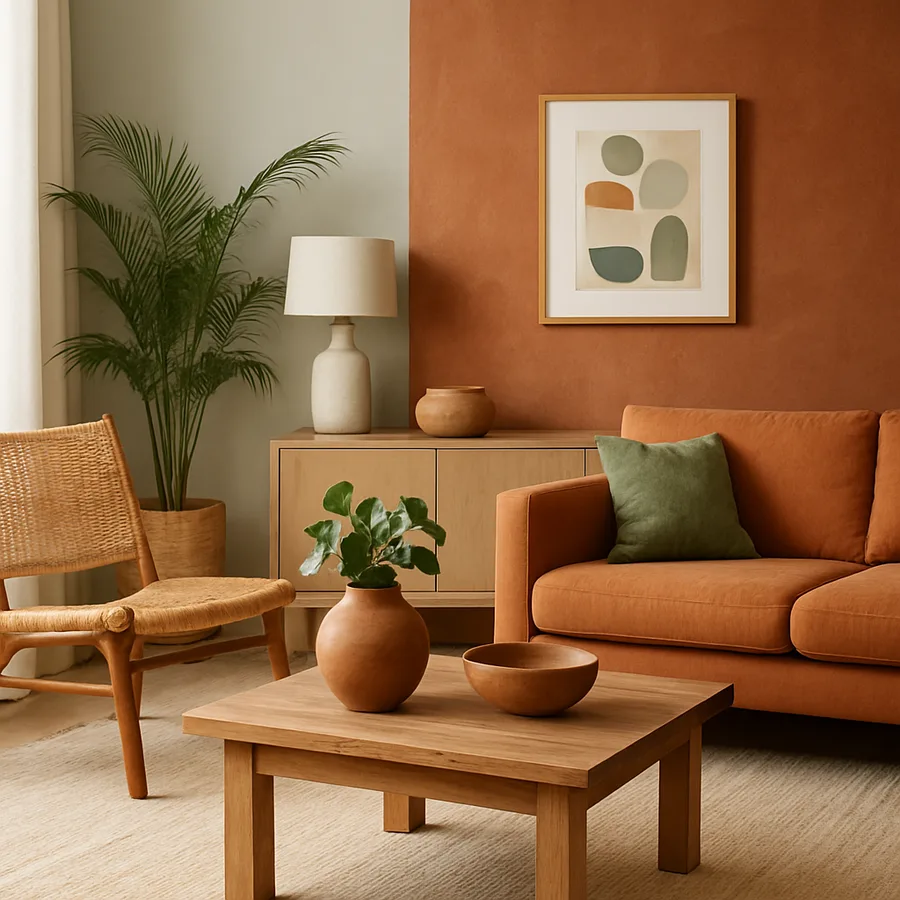
Sustainability is no longer a niche concern reserved for environmental activists -- it has become a central consideration for homeowners, designers, and manufacturers across the interior design industry. The growing awareness of how our living spaces impact the planet has sparked a creative revolution, proving that eco-friendly choices and stunning aesthetics are not only compatible but often inseparable. According to the American Society of Interior Designers (ASID), over 71% of design firms now incorporate sustainable practices into every project, reflecting a fundamental shift in how the industry approaches material selection, sourcing, and long-term environmental impact. Creating an eco-friendly home does not mean sacrificing style or comfort; rather, it opens the door to innovative materials, artisanal craftsmanship, and design approaches that bring unique character to your spaces while treading more lightly on the earth.
The concept of sustainable interior design encompasses a broad spectrum of practices, from selecting furniture made of reclaimed or responsibly harvested materials to choosing finishes that improve indoor air quality by eliminating toxic off-gassing. The International Interior Design Association (IIDA) defines sustainable design as the practice of creating environments that meet present needs without compromising the ability of future generations to meet their own. This forward-thinking approach invites homeowners to consider not just how a space looks today but how its materials will age, whether its components can be recycled or repurposed, and what environmental cost was incurred in bringing each element from source to home. The sustainable interior design ideas presented in this guide will equip you with practical strategies for building an eco-friendly home that is as beautiful as it is responsible.
Understanding the Foundations of Eco-Conscious Design
Sustainable interior design begins with a fundamental shift in perspective, moving from a disposable consumption model to one that values longevity, quality, and environmental stewardship. This means asking critical questions before every purchase: Where was this item made, and under what conditions? What materials compose it, and are they renewable, recycled, or recyclable? How long will it last, and what happens to it at the end of its useful life? These questions may seem daunting at first, but they quickly become second nature and lead to more intentional, satisfying design decisions. The National Council for Interior Design Qualification (NCIDQ) has integrated sustainability competencies into its certification requirements, recognizing that environmental awareness is no longer optional but essential to professional design practice. By adopting this questioning mindset, homeowners can make informed choices that align their living spaces with their environmental values without requiring specialized expertise.
The lifecycle assessment approach provides a practical framework for evaluating the true environmental impact of design materials and furnishings. This method considers the total energy, water, and resources consumed from raw material extraction through manufacturing, transportation, use, and eventual disposal or recycling. A piece of furniture crafted from sustainably harvested hardwood by a local artisan, for example, may carry a higher upfront cost than a mass-produced alternative but delivers superior longevity, lower transportation emissions, and the potential for refinishing rather than replacement. Houzz research indicates that homeowners who invest in quality, sustainable furnishings replace items 60% less frequently than those who opt for fast-furniture alternatives, resulting in both environmental and financial benefits over time. Understanding this lifecycle perspective transforms sustainable design from a series of individual product choices into a coherent philosophy that guides every aspect of creating a home.
The concept of "reduce, reuse, recycle" applies powerfully to interior design, beginning with the most impactful and often overlooked strategy: reducing consumption altogether. Before purchasing new items, assess whether existing pieces can be refreshed through reupholstering, refinishing, or creative repurposing. A dated wooden dresser can become a stunning bathroom vanity, vintage suitcases can serve as characterful storage, and inherited furniture pieces carry stories and patina that no new purchase can replicate. Have you looked at the furnishings you already own with fresh eyes, considering their potential for transformation rather than replacement? This reductive approach not only minimizes environmental impact but also results in more personalized, layered interiors that tell authentic stories about the people who inhabit them.
Choosing Materials That Respect the Planet
Material selection represents the single most impactful area of decision-making in sustainable interior design, as the environmental consequences of different materials vary enormously in terms of resource consumption, toxicity, and end-of-life disposal. Natural, renewable materials form the foundation of eco-conscious interiors, with options like bamboo, cork, reclaimed wood, natural stone, and organic textiles offering beauty, durability, and environmental responsibility in equal measure. Bamboo, which reaches maturity in three to five years compared to decades for hardwood trees, provides a versatile material for flooring, furniture, and decorative accents with a fraction of the environmental footprint. Cork, harvested from the bark of living trees without harming them, offers natural warmth, sound insulation, and hypoallergenic properties that make it ideal for flooring and wall treatments. ASID emphasizes that specifying renewable materials is one of the most effective actions designers and homeowners can take to reduce the environmental impact of interior spaces.
Reclaimed and recycled materials inject unique character into sustainable interiors while diverting waste from landfills and reducing demand for virgin resources. Reclaimed wood sourced from demolished buildings, old barns, or retired ships carries the rich patina and distinctive grain patterns that come only from decades of natural aging, creating surfaces with depth and history that newly manufactured materials cannot replicate. Recycled glass countertops, terrazzo surfaces incorporating post-consumer waste, and tiles made from reclaimed ceramics demonstrate how waste materials can be transformed into beautiful, functional design elements. The market for recycled and upcycled interior materials has expanded dramatically, with manufacturers developing increasingly sophisticated products that rival or exceed the aesthetic quality of their conventional counterparts. These materials not only reduce environmental impact but also serve as conversation starters, adding layers of meaning and narrative to the spaces they inhabit.
Low-VOC and zero-VOC finishes, paints, and adhesives represent a critical component of sustainable interior design that directly impacts the health of a home's occupants. Volatile organic compounds released by conventional paints, stains, sealants, and adhesives contribute to indoor air pollution that can be two to five times more concentrated than outdoor air pollution, according to environmental health research. The transition to low-VOC alternatives has been facilitated by significant improvements in product performance, with today's eco-friendly paints and finishes offering coverage, durability, and color consistency that match or exceed their conventional counterparts. Natural finishes such as beeswax, tung oil, and linseed oil provide beautiful, food-safe protection for wood surfaces while eliminating the chemical exposure associated with synthetic polyurethanes and lacquers. When selecting finishes for your home, look for third-party certifications such as GREENGUARD Gold or the IIDA-recognized Indoor Advantage program, which verify that products meet stringent standards for chemical emissions.
Energy-Efficient Lighting and Climate-Smart Design
Lighting accounts for a significant portion of residential energy consumption, making it one of the most impactful areas for sustainable improvements in interior design. The transition from incandescent bulbs to LED technology has been one of the most successful environmental shifts in residential design, with LED bulbs consuming up to 75% less energy while lasting twenty-five times longer than their incandescent predecessors. Beyond bulb selection, sustainable lighting design emphasizes maximizing natural daylight through strategic window placement, light-reflective surface colors, and the use of mirrors and glazed surfaces that bounce sunlight deeper into interior spaces. Skylights, solar tubes, and clerestory windows introduce natural light into areas that would otherwise depend entirely on artificial illumination, reducing energy consumption while creating more pleasant, healthful living environments. The IIDA recommends a layered lighting approach that combines natural light optimization with energy-efficient artificial sources, using occupancy sensors and smart controls to eliminate waste from lights left on in unoccupied rooms.
Passive design strategies harness natural forces to heat, cool, and ventilate living spaces, reducing reliance on energy-intensive mechanical systems. Thermal mass materials such as concrete, stone, and tile absorb heat during warm periods and release it when temperatures drop, naturally moderating indoor temperature fluctuations. Strategic window placement that captures winter sun while providing shade from summer sun can dramatically reduce heating and cooling costs, and ceiling fans circulate air effectively at a fraction of the energy cost of air conditioning. Window treatments play a dual role in sustainable design, providing both aesthetic beauty and functional thermal performance -- heavy drapes insulate against winter heat loss, while reflective blinds deflect summer solar gain. How much energy could you save by optimizing your home's passive climate management rather than relying exclusively on mechanical heating and cooling systems?
Smart home technology, when implemented thoughtfully, can significantly reduce a home's energy footprint without sacrificing comfort or convenience. Programmable thermostats that learn household patterns and adjust temperatures accordingly can reduce heating and cooling costs by 10-15%, while smart lighting systems that respond to occupancy, time of day, and ambient light levels eliminate the waste of illuminating empty rooms. Energy monitoring systems provide real-time visibility into consumption patterns, empowering homeowners to identify and address energy waste they might never have noticed otherwise. These technological solutions integrate seamlessly into contemporary interior design, with many smart home devices featuring sleek, minimalist aesthetics that complement rather than clutter the living environment. The key is to approach smart home technology as a tool for reducing consumption rather than an invitation to add more energy-consuming devices to the home.
Sustainable Furniture and Ethical Sourcing
The furniture industry has a profound environmental footprint, encompassing forestry practices, manufacturing processes, transportation logistics, and end-of-life disposal that collectively contribute significantly to carbon emissions and resource depletion. Choosing sustainable furniture begins with seeking out manufacturers who prioritize responsible sourcing, transparent supply chains, and environmentally sound production methods. Look for certifications such as the Forest Stewardship Council (FSC) label, which ensures that wood products come from responsibly managed forests, or Cradle to Cradle certification, which evaluates products across material health, material reuse, renewable energy use, water stewardship, and social fairness. ASID-member designers increasingly specify furniture from manufacturers who can document their environmental practices, reflecting a growing professional commitment to supply chain transparency. The investment in certified sustainable furniture pays dividends not only in environmental terms but in the quality and longevity of the pieces themselves, as manufacturers committed to sustainability typically prioritize durability and timeless design over disposable trends.
Vintage and antique furniture represents perhaps the most elegant intersection of sustainability and style in interior design, offering unique character, proven durability, and zero additional manufacturing impact. Every piece of vintage furniture that finds a new home is a piece that did not need to be manufactured, shipped, and eventually discarded, making secondhand shopping one of the most effective sustainability strategies available. The resurgence of interest in mid-century modern, Art Deco, and other vintage design styles has created a thriving marketplace for pre-owned furniture that rivals the excitement of shopping for new pieces. Mixing vintage finds with carefully selected new items creates interiors with depth, personality, and a collected-over-time quality that fully curated showroom spaces often lack. Estate sales, architectural salvage yards, consignment shops, and online vintage marketplaces offer treasure-hunting experiences that are both environmentally responsible and creatively stimulating.
Custom and locally made furniture merits serious consideration in the sustainable design equation, despite the higher price point that handcrafted pieces typically command. Furniture made by local artisans eliminates the substantial carbon emissions associated with international shipping, supports local economies and traditional craft skills, and allows for customization that ensures each piece fits its intended space perfectly. Houzz data shows that searches for locally made and artisanal furniture have increased by over 40% in recent years, indicating a meaningful shift in consumer priorities toward provenance and craftsmanship. When commissioning custom pieces, specify sustainably sourced materials and non-toxic finishes to maximize the environmental benefit of the local production advantage. The resulting furniture carries a story of collaboration between homeowner and maker, embedding personal meaning into the design that mass-produced alternatives simply cannot offer.
Textiles, Finishes, and the Healthy Home
Textile choices in interior design carry significant environmental implications, as the conventional textile industry is one of the world's most polluting sectors, consuming vast quantities of water, energy, and chemicals in the production of fabrics for upholstery, curtains, bedding, and floor coverings. Organic cotton, produced without synthetic pesticides or fertilizers, offers a direct improvement over conventional cotton, which accounts for approximately 16% of global insecticide use despite occupying only 2.4% of agricultural land. Linen, made from flax plants that require minimal water and pesticide inputs, provides a naturally sustainable fabric with a beautiful drape and texture that improves with each washing. Hemp, once stigmatized by its association with cannabis, has re-emerged as a remarkably sustainable textile fiber that produces more fiber per acre than cotton, requires no pesticides, and naturally improves soil health as it grows. These natural fibers can be woven, knitted, and finished to achieve a wide range of textures and performance characteristics suitable for virtually any interior application.
Indoor air quality represents a critical and often invisible dimension of sustainable interior design, as the materials, finishes, and furnishings within a home continuously release chemical compounds that occupants breathe throughout the day and night. The NCIDQ includes indoor environmental quality as a core competency area, reflecting the profession's recognition that designers bear responsibility for the health impacts of their material specifications. Beyond low-VOC paints and finishes discussed earlier, consider the off-gassing potential of flooring materials, furniture foam, and fabric treatments when making design decisions. Natural fiber carpets and rugs made from wool, sisal, jute, or seagrass avoid the petrochemical content of synthetic alternatives while providing superior durability and aesthetic warmth. Formaldehyde-free furniture, particularly in bedrooms and children's rooms where exposure duration is longest, protects the most vulnerable occupants from a known carcinogen commonly found in pressed-wood products and conventional furniture adhesives.
Biophilic design, the practice of integrating natural elements and patterns into interior spaces, represents both a sustainability strategy and a powerful approach to occupant well-being. Research published in collaboration with the IIDA has demonstrated that biophilic design elements reduce stress, improve cognitive function, and enhance creativity, making them valuable additions to any living environment. Living walls, abundant houseplants, natural material palettes, water features, and views of nature all contribute to biophilic interiors that strengthen the connection between inhabitants and the natural world. The following elements support a healthy, sustainable interior environment:
- Organic and natural fiber textiles for upholstery, bedding, and window treatments
- Low-VOC or zero-VOC paints, stains, and adhesives throughout the home
- Formaldehyde-free furniture and cabinetry, especially in bedrooms
- Natural fiber floor coverings or sustainably sourced hardwood flooring
- Abundant indoor plants for air purification and biophilic connection
- Natural ventilation strategies supplemented by air purification when needed
Practical Steps Toward a Greener Home
Transitioning to a sustainable interior design approach does not require gutting your home and starting from scratch -- it can be accomplished incrementally through thoughtful decisions made over time as items naturally reach the end of their useful life. Begin by conducting an informal audit of your home's current environmental performance, identifying the areas where changes would yield the greatest impact with the least disruption. High-impact, low-effort starting points include replacing incandescent bulbs with LEDs, switching to non-toxic cleaning products, adding draft excluders to exterior doors, and introducing houseplants to improve air quality. Each of these changes delivers immediate environmental and health benefits while building momentum and confidence for larger sustainable design projects. ASID resources for homeowners provide detailed guidance on prioritizing sustainable improvements based on budget, timeline, and environmental impact, offering a structured approach to a process that might otherwise feel overwhelming.
Water conservation represents an often-overlooked dimension of sustainable interior design, particularly in kitchens and bathrooms where water consumption is concentrated. Low-flow faucets and showerheads have evolved significantly, with modern aerating designs delivering satisfying water pressure while reducing consumption by 30-50% compared to conventional fixtures. Dual-flush toilets allow users to select appropriate water volume for each use, reducing bathroom water consumption without any sacrifice in performance. When selecting kitchen and bathroom fixtures, look for the WaterSense label, which identifies products that meet EPA standards for water efficiency and performance. Beyond fixture selection, consider the water footprint embedded in the materials and products you bring into your home -- the production of a single cotton t-shirt, for example, requires approximately 2,700 liters of water, underscoring the importance of choosing textiles from less water-intensive sources like linen and hemp.
Community engagement and knowledge sharing amplify the impact of individual sustainable design choices, creating a ripple effect that extends far beyond any single home. What sustainable design changes have you implemented that could inspire friends, family, or neighbors to make similar improvements in their own spaces? Sharing experiences through social media, community workshops, or simply conversations with visitors who notice and admire your eco-friendly choices helps normalize sustainable living and demonstrates that environmental responsibility enhances rather than diminishes quality of life. The sustainable design community is generous with knowledge and resources, with organizations like the IIDA, ASID, and their local chapters offering events, publications, and mentorship opportunities for homeowners interested in deepening their understanding of eco-friendly design practices. Take the next step today by identifying one area of your home where a sustainable swap would make a meaningful difference, and commit to making that change within the coming month.
Conclusion: Style and Sustainability as Natural Partners
The false dichotomy between beautiful interiors and environmental responsibility has been thoroughly dismantled by a generation of designers, manufacturers, and homeowners who refuse to accept that we must choose between the two. Sustainable interior design, at its best, produces spaces that are more beautiful, more healthful, more characterful, and more personally meaningful than their conventional counterparts, proving that ecological consciousness enriches rather than constrains the design process. The materials, strategies, and approaches outlined in this guide provide a comprehensive starting point for anyone seeking to align their living environment with their environmental values, whether through sweeping renovation or incremental, room-by-room improvement.
The future of interior design is inextricably linked with sustainability, as resource constraints, climate awareness, and consumer demand continue to drive innovation in materials, manufacturing, and design practice. By making conscious choices today -- selecting sustainable materials, investing in quality over quantity, supporting ethical manufacturers, and optimizing energy and water consumption -- you contribute to a market signal that accelerates the entire industry's transition toward more responsible practices. Begin where you are, with what you have, and trust that each sustainable choice, however small, contributes to a cumulative impact that extends far beyond the walls of your home. Your living space can be both a personal sanctuary and a testament to the possibility of living well while living responsibly.
More Articles You May Like



Comments
Post a Comment