How to Create a Cozy and Functional Home Interior Design on a Budget
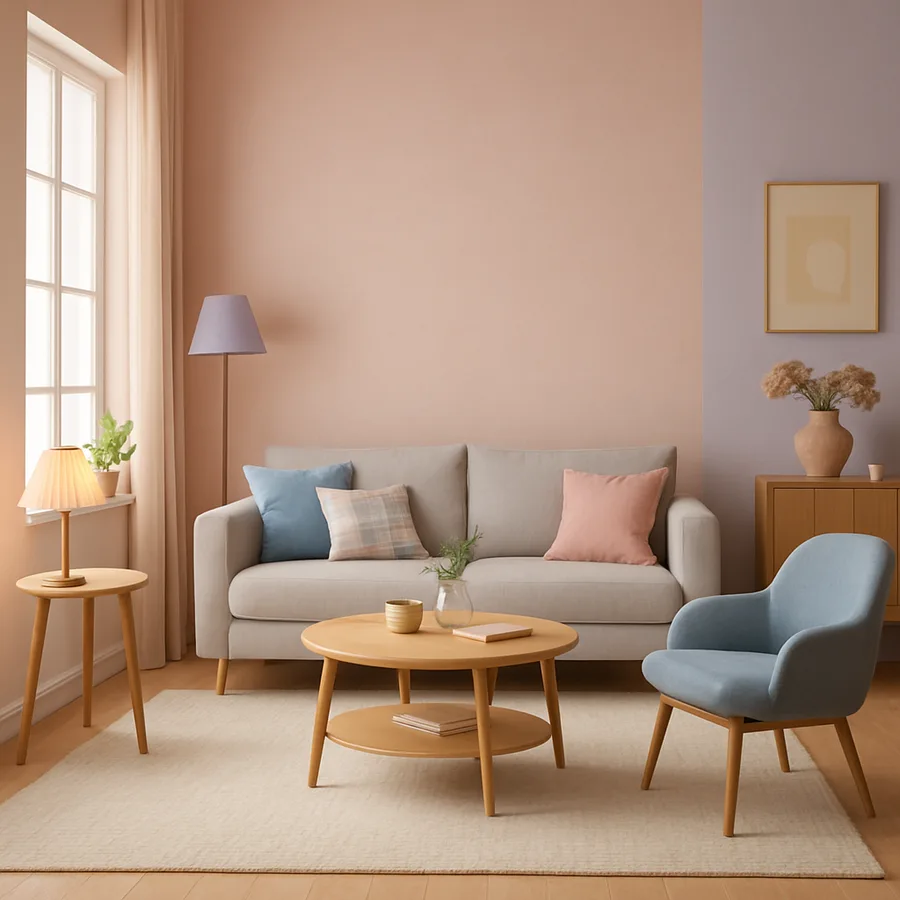
Creating a home that feels both cozy and functional should not require emptying your savings account. The belief that beautiful interiors demand enormous budgets is one of the most persistent myths in home design, and it prevents countless people from taking action on spaces that could genuinely improve their daily lives. The truth is that strategic thinking, creative sourcing, and a willingness to do some work yourself can produce results that rival professionally designed rooms at a fraction of the cost. According to the American Society of Interior Designers (ASID), the most impactful design changes are often the least expensive: rearranging furniture, improving lighting, and adding textiles consistently rank above costly renovations in terms of perceived improvement.
Budget-conscious design is not about settling for less. It is about being smarter with your resources and understanding which investments deliver the greatest return in comfort and visual impact. A fifty-dollar vintage lamp from a thrift store can create more atmosphere than a five-hundred-dollar fixture from a showroom if it is placed thoughtfully and suits the room's character. The key is knowing where to splurge, where to save, and where a little sweat equity can bridge the gap between what you want and what you can afford. This guide walks you through a practical, step-by-step approach to transforming your home without financial strain.
This article is structured as a how-to guide, taking you from initial planning and budgeting through specific room-by-room strategies and finishing with maintenance tips that keep your refreshed spaces looking great over time. Every suggestion has been chosen for its accessibility and cost-effectiveness. Whether you are working with a budget of two hundred dollars or two thousand, the principles remain the same. The scale changes, but the approach does not. Ready to prove that great design and tight budgets can coexist beautifully?
Setting a Realistic Budget and Design Plan
Before spending a single dollar, the most valuable thing you can do is spend time. Walk through every room in your home with a notebook and write down what works and what does not. Be specific: "the living room feels dark in the evening" is more useful than "the living room needs help." This audit gives you a clear picture of your priorities and prevents the common mistake of spending money on cosmetic changes while ignoring functional problems. A beautiful throw pillow collection means nothing if you cannot see it because your lighting is inadequate.
Once you have your list of needs and wants, assign each item to one of three categories: must-fix (functional problems that affect daily life), high-impact (changes that would dramatically improve the look or feel of a space), and nice-to-have (improvements you would love but can live without). This categorization prevents the budget from being consumed by small impulse purchases before the big-impact changes are funded. A dripping faucet goes into must-fix. A gallery wall goes into high-impact. Matching soap dispensers go into nice-to-have.
With your prioritized list in hand, research the approximate cost of each item or project. Online resources, including Houzz, offer extensive cost guides and project calculators that can help you estimate expenses realistically. Add a 15 percent contingency buffer to your total, as projects almost always cost slightly more than anticipated. If the total exceeds your available budget, work through the list from the top, funding projects in priority order until the money runs out. The remaining items become your next-phase plan, giving you something to work toward without financial pressure.
Timing your purchases strategically can stretch your budget significantly. Holiday weekends, end-of-season sales, and annual clearance events at major retailers can yield savings of 30 to 50 percent on furniture, textiles, and decor. The National Retail Federation reports that the deepest home goods discounts typically occur during Presidents' Day, Memorial Day, Labor Day, and the post-holiday January clearance period. Planning your purchases around these windows, rather than buying everything at once, can save hundreds or even thousands of dollars over the course of a full-home refresh.
The Power of Paint and Lighting
If you could only make two changes to any room, paint and lighting would deliver the most transformation per dollar spent. A gallon of quality interior paint costs between thirty and sixty dollars and covers roughly four hundred square feet, meaning you can repaint an entire room for under a hundred dollars in materials. The psychological impact of color is well documented: the Colour Association of the United States has published extensive research on how different hues affect mood, energy levels, and even appetite. Choosing the right paint color is one of the most powerful and affordable tools in your design arsenal.
For rooms where you want warmth and coziness, look toward colors with warm undertones: soft whites with a hint of cream or peach, muted greens with golden bases, and gentle blush or clay tones. Avoid pure white in spaces intended for relaxation, as it can feel clinical under artificial light. If you are nervous about committing to color, start with the ceiling. A ceiling painted in a warm, slightly darker shade than the walls creates an envelope of coziness that wraps around the room like a blanket. It is a subtle change that produces an outsized effect.
Lighting is equally transformative and equally affordable. The single most common lighting mistake in homes is relying entirely on overhead fixtures, which produce flat, shadowless illumination that makes everything look bland. The solution is layered lighting: a combination of ambient light from overhead or wall fixtures, task lighting from desk and reading lamps, and accent lighting from candles, string lights, or small spotlights. You can add two or three table lamps to a room for under a hundred dollars using thrift store finds and affordable online retailers, and the difference will be dramatic.
Dimmer switches are another budget-friendly upgrade that punches well above their price point. A basic dimmer costs between fifteen and twenty-five dollars and can be installed by most homeowners in under thirty minutes. The ability to adjust light levels throughout the day and for different activities, bright for cooking and homework, soft for dinner and relaxation, fundamentally changes how a room feels. Have you ever noticed how restaurants use dim, warm lighting to create atmosphere? You can apply the same principle at home for the cost of a moderately priced dinner out.
Thrifting, Upcycling, and Creative Sourcing
Secondhand shopping is arguably the single most effective strategy for budget interior design. Thrift stores, estate sales, Facebook Marketplace, and platforms like Craigslist and OfferUp are treasure troves of quality furniture and decor at a fraction of retail prices. Solid wood furniture from previous decades is often better constructed than new mass-market alternatives and can be refreshed with paint, new hardware, or reupholstering. The environmental benefit is significant as well: the Environmental Protection Agency (EPA) estimates that 12.1 million tons of furniture end up in landfills each year in the United States, much of it perfectly usable.
Successful thrifting requires patience and a clear vision of what you need. Before heading out, review your priority list and note the specific dimensions and styles you are looking for. Bring a tape measure, as the number one reason thrift store furniture does not work out is incorrect sizing. Visit stores regularly, as inventory turns over constantly, and develop relationships with staff who may alert you to incoming pieces that match your needs. Estate sales, in particular, often yield high-quality furniture at steep discounts, especially toward the end of the sale when remaining items are typically half-price or less.
Upcycling transforms ordinary or outdated items into something special. A dated wooden dresser becomes a statement piece with a coat of chalk paint and new brass hardware, a project that costs under forty dollars in materials. Old picture frames can be spray-painted in coordinating colors and grouped into a gallery wall. Glass jars become candle holders or vases. Wooden crates, stacked and secured, create rustic bookshelves. The internet is rich with upcycling tutorials for every skill level, and the satisfaction of creating something unique with your own hands adds an emotional value that no store-bought item can match.
Do not overlook free sources of design materials. Neighbors moving out, community buy-nothing groups, and even curbside finds can yield perfectly good items that need only cleaning or minor repair. Nature provides free decor as well: collected stones, driftwood, pine cones, and seasonal branches can be arranged in simple vessels for organic, ever-changing displays. The Japanese concept of wabi-sabi, which finds beauty in imperfection and impermanence, aligns naturally with budget design. A slightly worn leather chair, a faded Persian rug, or a chipped ceramic bowl can carry more character than anything new.
Textiles and Soft Furnishings as Transformation Tools
Textiles are the secret weapon of budget interior design. They are relatively inexpensive, easy to change, and capable of completely altering the mood and visual temperature of a room. Throw pillows, blankets, curtains, and area rugs introduce color, pattern, and texture in ways that are both impactful and reversible, making them ideal for renters or anyone who likes to refresh their spaces seasonally. A living room with bare floors, thin curtains, and no throw textiles will always feel sparse and cold, regardless of how nice the furniture is.
Start with the floor. An area rug defines a seating area, absorbs sound, adds warmth underfoot, and introduces pattern or color. Budget-friendly rugs are widely available at retailers like IKEA, Target, and Wayfair, and discount stores like HomeGoods and TJ Maxx often carry higher-end rugs at significant markdowns. For a layered, collected look, consider placing a smaller patterned rug on top of a larger neutral one. This technique adds depth and visual interest while also being practical: when the top rug wears out, you replace only the smaller piece.
Curtains have an outsized impact on how finished and polished a room feels. The two most important principles for budget curtains are to hang them high and wide. Mounting the curtain rod just below the ceiling line, rather than at the top of the window frame, makes windows appear taller and the room feel more spacious. Extending the rod six to twelve inches beyond each side of the window allows the curtains to frame the glass without blocking light when open. Even inexpensive curtains look expensive when hung this way. Opt for the longest length available and let them brush or puddle slightly on the floor for an intentionally relaxed effect.
Throw pillows and blankets are the finishing layer that makes a room feel lived-in and inviting. The formula for a well-styled sofa is simple: choose pillows in three coordinating patterns at two different sizes, and drape a textured throw over one arm or corner. Mixing textures is more important than matching patterns: combine velvet with linen, knit with cotton, and smooth with nubby. This textural variety creates richness that reads as expensive even when each individual piece costs under twenty dollars. Seasonal swaps of pillow covers and throws keep rooms feeling fresh year-round without requiring new furniture.
Room Layout and Furniture Arrangement Strategies
Rearranging furniture costs nothing and can dramatically change how a room functions and feels. Yet most homeowners set up their rooms once and never reconsider the layout. The most common layout mistake is pushing all furniture against the walls, which creates a ring of seating around a vast empty center and actually makes rooms feel smaller and less inviting. In most living rooms, pulling furniture away from the walls and creating a tighter conversational grouping makes the space feel larger, warmer, and more functional. How long has it been since you experimented with your furniture arrangement?
The principles of effective room layout are straightforward. Define clear pathways through the room with at least thirty-six inches of walking space. Create conversational groupings where seats face each other across no more than eight feet. Ensure every seated position has access to a surface for a drink or book, whether that is a side table, a coffee table, or an ottoman with a tray. Anchor groupings with an area rug that is large enough for at least the front legs of all surrounding furniture to rest on it. These principles apply whether your room is two hundred square feet or two thousand.
Functionality should drive layout decisions. A living room where the family primarily watches television needs a different configuration than one used mainly for conversation or reading. A dining area that doubles as a workspace benefits from a table positioned near an outlet with a nearby shelf or cabinet for storing work materials. Before moving heavy furniture, use painter's tape on the floor to map out your proposed layout. This low-effort technique lets you walk through the space and test traffic flow before committing to the physical labor of moving things around.
Vertical space is frequently underutilized in budget design. Tall bookshelves, wall-mounted shelving, and hanging plants draw the eye upward and make ceilings feel higher. Over-door organizers, wall hooks, and pegboard systems add functional storage without consuming floor space. In kitchens and bathrooms, where square footage is especially precious, vertical storage can double your usable capacity. The ASID recommends thinking of walls as usable real estate, not just surfaces for paint and art. Every blank wall is an opportunity for storage, display, or both.
Maintaining Your Refreshed Space Over Time
A common pitfall of budget design projects is the slow drift back to clutter and disorganization after the initial excitement fades. Maintaining a beautiful, functional home requires ongoing habits, not just a one-time effort. The most effective maintenance strategy is the one-in-one-out rule: for every new item that enters your home, one item of similar size or category leaves. This simple discipline prevents the gradual accumulation that undoes careful design work. It also forces you to be intentional about purchases, which naturally supports budget-conscious living.
Seasonal refreshes keep spaces feeling current and cared for without significant expense. Every three months, reassess your rooms and make small adjustments: swap out throw pillow covers, rotate art or photographs, bring in seasonal natural elements like spring branches or autumn leaves, and deep clean soft furnishings. These mini-refreshes satisfy the desire for novelty that leads to unnecessary spending and keep your home feeling dynamic rather than static. Budget twenty to fifty dollars per season for these small updates, and you will find that your spaces always feel fresh.
Invest time in basic maintenance skills that prevent expensive replacements. Learning to touch up paint, tighten loose furniture joints, re-caulk bathroom fixtures, and properly clean different fabric types extends the life of everything in your home. Online tutorials make these skills accessible to anyone willing to learn. A furniture scratch repair kit costing under ten dollars can save you from replacing a piece that would cost hundreds. Preventive care is the most budget-friendly habit of all, and it keeps your home looking polished between larger design projects.
Finally, document your progress. Photograph each room before and after changes, keep a running list of completed projects and future plans, and track your spending. This record serves multiple purposes: it provides motivation when you see how far you have come, helps you make better decisions about future investments based on what worked before, and creates a design history that becomes increasingly valuable as your style evolves. The journey from where your home is now to where you want it to be is a marathon, not a sprint, and tracking your progress makes the entire process more rewarding.
Conclusion: Beautiful Design Is About Resourcefulness, Not Resources
The strategies outlined in this guide demonstrate that a limited budget is not a barrier to creating a home that feels warm, functional, and beautiful. From strategic planning and smart paint choices to thrifting mastery and textile layering, every approach here prioritizes impact per dollar over sheer spending. The National Association of Home Builders has found that homeowner satisfaction correlates more strongly with the thoughtfulness of design choices than with the amount spent, a finding that should encourage anyone working within financial constraints.
The most important resource in budget design is not money but attention. Paying attention to how light moves through your rooms, how you actually use your spaces, what colors and textures make you feel at ease, and which items truly earn their place in your home yields insights that no amount of spending can replace. A home decorated with attention and intention on a shoestring budget will always feel better than an expensive home furnished without thought. Trust your instincts, do your research, and give yourself permission to experiment.
Every great home tells a story, and homes built on resourcefulness tell the most interesting stories of all. The thrift store find that perfectly fits an awkward corner, the DIY project that became a conversation piece, the paint color that transformed a dark room into your favorite space: these are the details that make a home uniquely yours. No catalog or showroom can replicate the character that comes from creative problem-solving and personal investment of time and care.
Start this weekend with one project from this guide. Pick the room that bothers you most, choose the highest-impact change you can afford, and take action. Share your before-and-after results with friends or online communities for encouragement and ideas, and begin building momentum toward the home you deserve.
More Articles You May Like



Comments
Post a Comment