The Art of Interior Design: Unleashing Creativity in Your Home
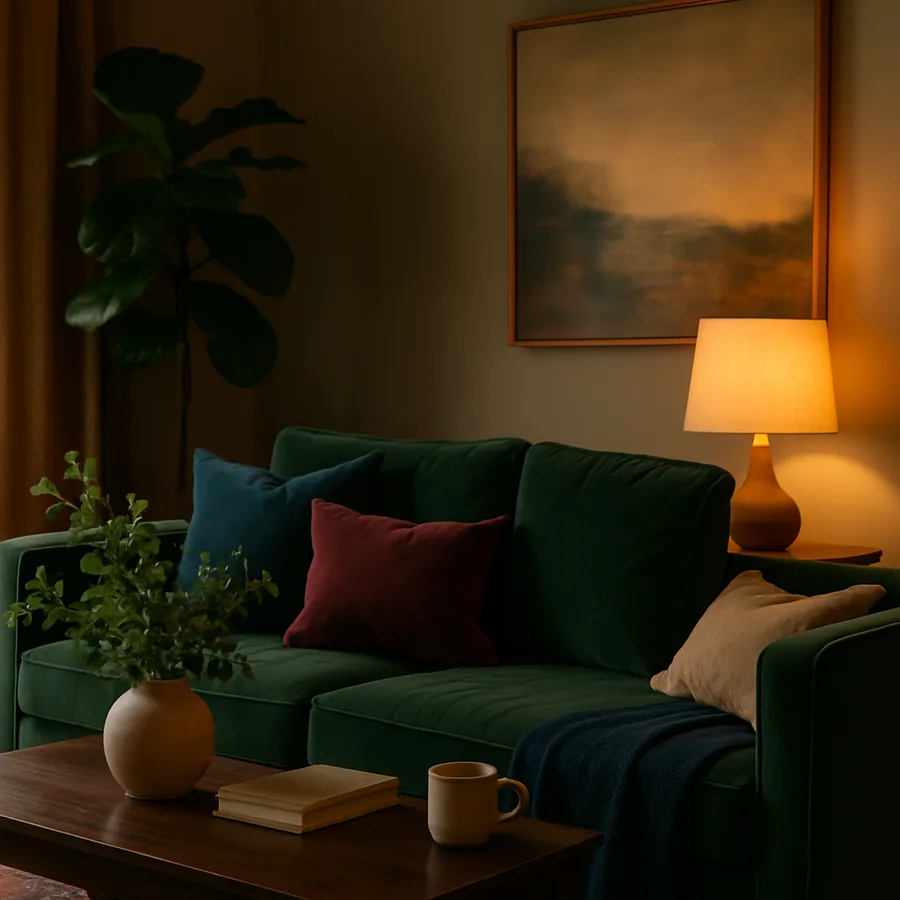
Imagine walking into a room that instantly lifts your spirits, where every corner reflects your personality and every element feels just right. According to the American Society of Interior Designers (ASID), a well-designed space can enhance mood, productivity, and even health. The art of interior design is about more than just aesthetics; it's about creating environments that speak to your soul. In this article, we'll explore foundational concepts, delve into the latest trends, and equip you with practical strategies to unleash your creativity and transform your living spaces.
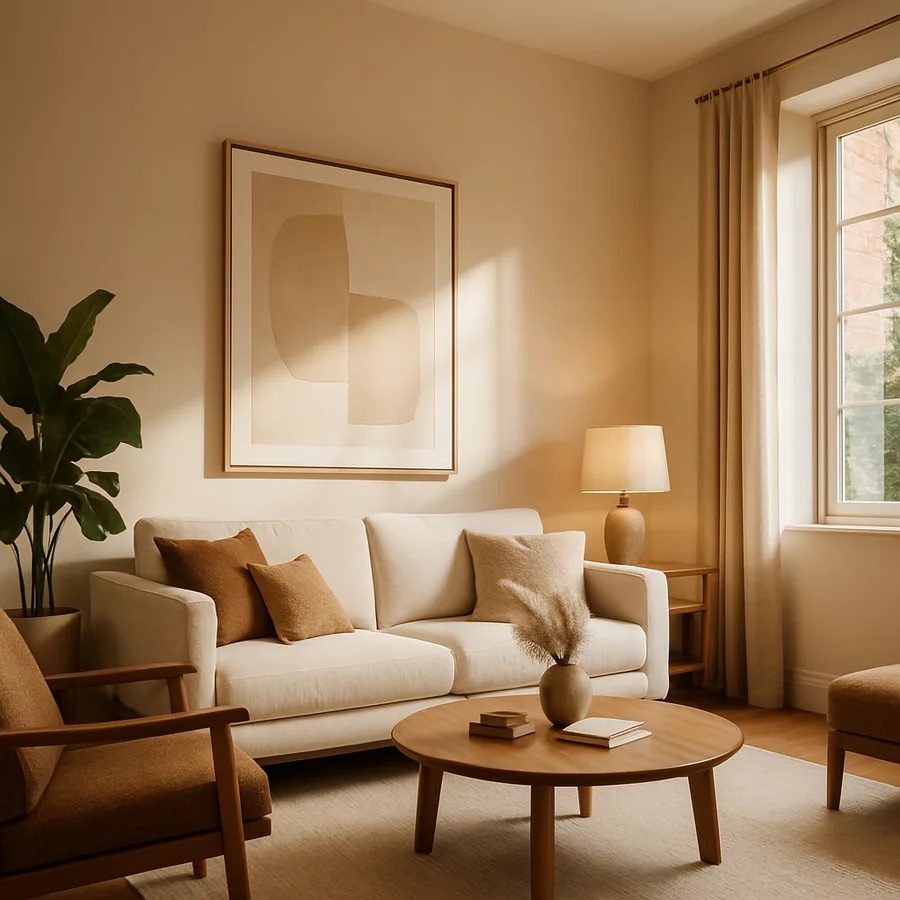
Understanding the Foundations of Interior Design
At the heart of interior design lies the balance between form and function. Every piece of furniture, color choice, and decorative element should not only serve a purpose but also enhance the visual appeal. This delicate balance is what transforms a house into a home. The International Interior Design Association (IIDA) emphasizes the importance of understanding spatial relationships and the impact of design elements on human experience. For instance, a cramped room can feel overwhelming, while a well-arranged space invites relaxation.
Color theory plays a vital role in setting the mood of a room. Warm colors like reds and oranges can energize, while blues and greens tend to have a calming effect. Experienced designers often use these principles to evoke desired emotions and create harmonious environments. When selecting colors, consider how they interact with natural and artificial light sources throughout the day. This thoughtful approach ensures that your space remains inviting at all times.
Texture and materials also contribute significantly to the overall feel of a space. Incorporating a variety of textures-from smooth glass to rough-hewn wood-can add depth and interest. The use of sustainable and reclaimed materials is a growing trend, reflecting a broader industry push towards environmental responsibility. By blending these elements, you can create spaces that are not only beautiful but also narrate your personal story.
Exploring Current Trends in Interior Design
Design trends are constantly evolving, and staying informed can help ensure your home remains stylish and relevant. One of the most significant trends right now is the concept of biophilic design, which seeks to incorporate natural elements into interior spaces. This trend goes beyond simply adding houseplants; it includes the use of natural materials, maximizing natural light, and creating a seamless indoor-outdoor flow. According to Houzz, over 30% of homeowners are incorporating biophilic elements in their renovations.
Another emerging trend is the integration of smart technology into home design. From automated lighting and climate control to smart window treatments, technology is shaping modern interiors. A survey by Houzz found that nearly 45% of renovating homeowners are incorporating smart features. These innovations not only offer convenience but also contribute to energy efficiency and security. Imagine controlling your home's ambiance with just a few taps on your smartphone.
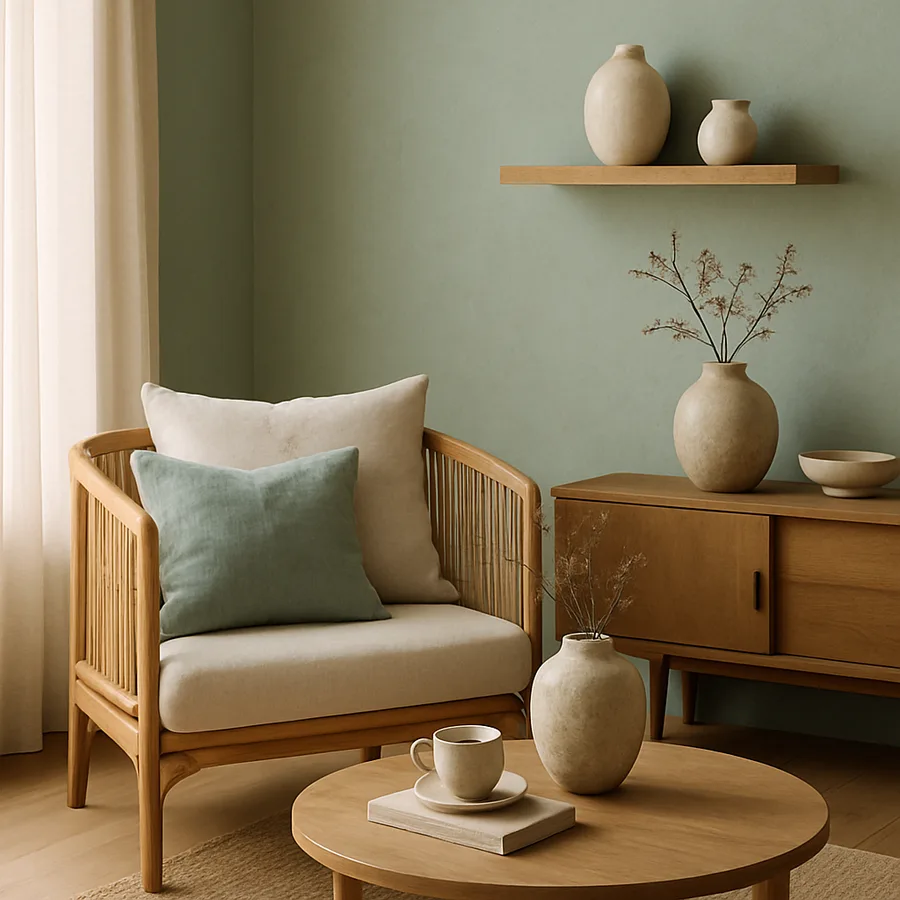
The Japandi style, a fusion of Japanese minimalism and Scandinavian warmth, is gaining popularity for its understated elegance and focus on functionality. This style emphasizes clean lines, neutral color palettes, and high-quality, natural materials. It's a perfect choice for those seeking a serene and clutter-free environment. By understanding and embracing these trends, you can create a home that is both on-trend and timeless.
Actionable Strategies for Unleashing Creativity
When it comes to interior design, creativity is your most powerful tool. To unleash your creative potential, start by mapping out how you use your space daily. Consider where you drop your keys, where the kids do homework, and where you relax after a long day. This practical approach ensures that your design choices enhance your lifestyle rather than hinder it. Have you considered how your current layout might be limiting your space's potential?
Once you have a clear understanding of your spatial needs, begin experimenting with layout changes. Sometimes, simply rearranging furniture can breathe new life into a room. Don't hesitate to move pieces around until the flow feels right. Incorporating flexible furniture, such as modular sofas or extendable tables, can offer versatility and accommodate various activities and gatherings.
Lighting is another key element in design that can dramatically influence a room's atmosphere. Layering different light sources-ambient, task, and accent lighting-allows for greater control over the mood and functionality of a space. For instance, dimmable lights can shift a room from a bright workspace during the day to a cozy retreat in the evening. By experimenting with these elements, you can create a space that truly reflects your personal style and needs.
Delving into Expert-Level Design Details
For those seeking to elevate their design game, understanding the nuances of professional interior design can be invaluable. Certified interior designers, such as those holding NCIDQ (National Council for Interior Design Qualification) credentials, bring a wealth of knowledge and expertise to the table. They are skilled in creating cohesive designs that adhere to building codes and safety standards, an aspect often overlooked by amateurs.
Professional designers also have access to a wide range of resources and tools that can enhance the design process. For instance, AR/VR room visualization tools allow clients to virtually walk through their redesigned space before any actual changes are made. This technology can be incredibly helpful in making informed decisions and avoiding costly mistakes. Are you leveraging these technologies in your design process?
Additionally, expert designers are adept at sourcing unique and high-quality furnishings and decor that aren't readily available to the general public. This access can result in a more personalized and distinctive aesthetic. Furthermore, professionals often have established relationships with vendors, potentially securing discounts or exclusive pieces that add value to your projects. Engaging with an expert can transform your vision into a reality with precision and flair.
Additional Insights for a Well-Designed Home
While trends and technology play crucial roles, the essence of a well-designed home ultimately lies in personalization. Your home should be a reflection of your personality and lifestyle. This can be achieved through thoughtful curation of personal items, artwork, and family heirlooms that tell your story. Mixing these with contemporary design elements can create a unique and inviting atmosphere.
Consider the long-term impact of your design choices. Investing in timeless pieces that offer durability and style can save money and reduce waste in the long run. The National Kitchen & Bath Association (NKBA) suggests that well-designed interiors can increase a property's resale value by 5-15%. This statistic underscores the importance of making informed design decisions that align with your financial goals.
Finally, don't underestimate the power of ongoing learning and inspiration. Platforms like Instagram and Pinterest are treasure troves of ideas and can help spark creativity. By continuously exploring new styles and techniques, you can keep your space fresh and inspiring. Remember, interior design is a journey, not a destination, and there's always room for growth and change.
Final Perspectives on Interior Design
As you embark on your design journey, remember that the goal is to create a space that resonates with you on a personal level. The art of interior design is not just about following trends but about crafting environments that enhance your everyday life. Whether you're redesigning a single room or an entire home, approach the process with curiosity and openness.
Consider how your space can serve as a canvas for self-expression and creativity. The choices you make today lay the foundation for how you'll live in and enjoy your home tomorrow. What story do you want your home to tell, and how can design help you tell it?
Conclusion
In conclusion, the art of interior design is a dynamic and rewarding endeavor, offering endless opportunities to express creativity and improve your living environment. By understanding foundational principles, staying informed on current trends, and utilizing actionable strategies, you can transform your home into a sanctuary that reflects your identity. Ready to start your design journey? Begin by browsing portfolios on Houzz this week-even just 20 minutes of research will sharpen your eye for what you truly want. Let your creativity flow and watch as your space transforms into something extraordinary.
More Articles You May Like



Comments
Post a Comment