The Future of Interior Design: Embracing AI for Stunning Spaces
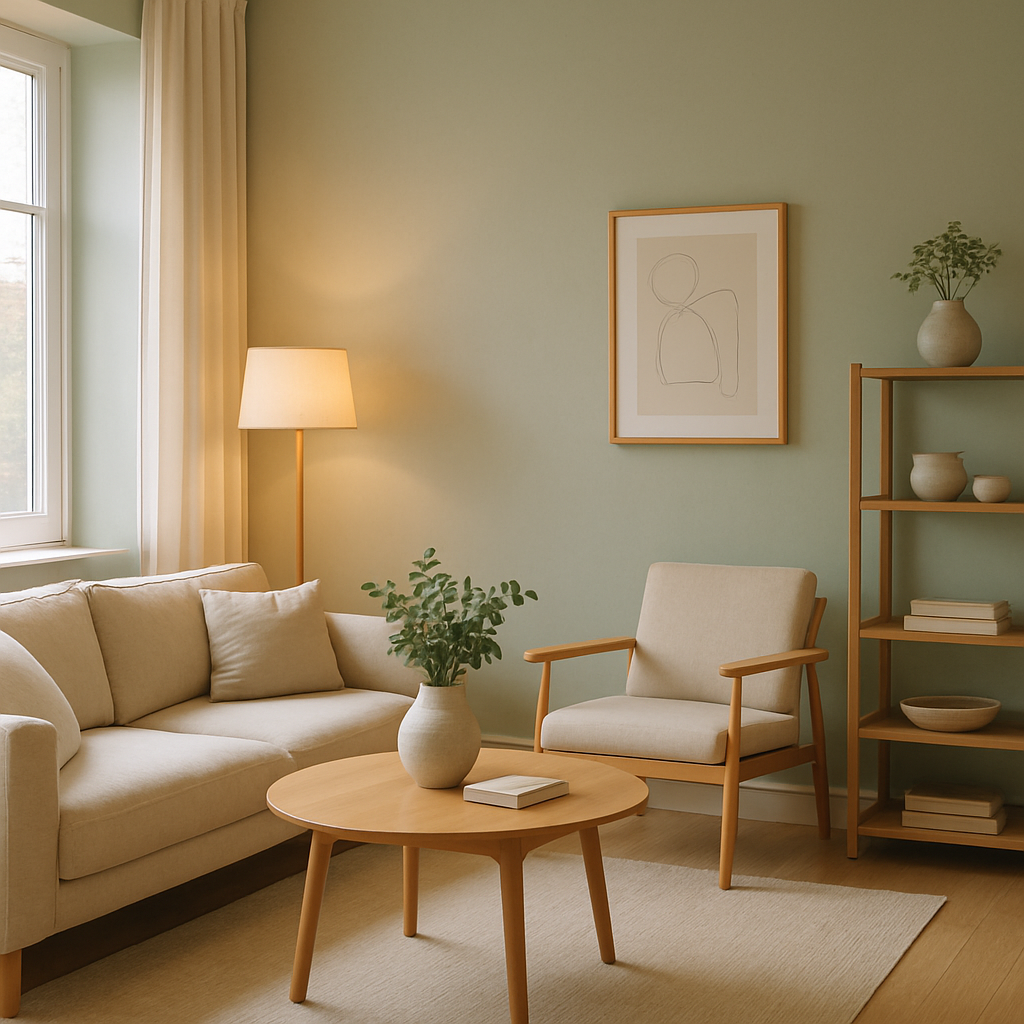
Imagine walking into a room that perfectly anticipates your mood, adjusting its lighting and temperature to create an ideal ambiance. This isn't a scene from a science fiction film-it's the future of interior design powered by artificial intelligence (AI). As AI continues to advance, it is revolutionizing the world of interior design, enabling creators to craft stunning spaces with unprecedented precision and personalization. This article will explore how AI is shaping the future of interior design, from foundational concepts to expert-level applications, and provide actionable strategies for incorporating AI into your design projects. Whether you're a seasoned designer or a homeowner eager to enhance your living space, understanding AI's role in interior design is crucial for staying ahead in this rapidly evolving field.
The Role of AI in Interior Design
AI has emerged as a transformative force in interior design, offering tools that enhance creativity and efficiency. At its core, AI leverages data to predict and suggest design elements that align with a client's preferences and lifestyle. According to the American Society of Interior Designers (ASID), AI-powered design tools are becoming increasingly popular, as they allow designers to access vast libraries of styles and materials rapidly. This capability not only speeds up the design process but also expands the creative possibilities available to designers.
One of the fundamental ways AI is being utilized is through AR/VR room visualization tools. These tools provide clients with a virtual tour of their future spaces, allowing them to experience different design options before making any decisions. This level of visualization helps in reducing costly mistakes and ensures client satisfaction. Experienced professionals often note that these technologies are crucial for client engagement, as they offer a tangible representation of abstract ideas.
AI is also being harnessed to optimize spatial planning. By analyzing how space is used, AI can suggest layouts that enhance functionality and aesthetic appeal. This is particularly useful for small or awkwardly shaped spaces where traditional design methods may fall short. As AI continues to evolve, its ability to adapt and learn from user inputs will only enhance its effectiveness in creating stunning, personalized interiors.
AI-Driven Design: Data-Backed Insights
Data is at the heart of AI's ability to transform interior design. By aggregating information from various sources, AI can identify patterns and trends that inform design decisions. For instance, Houzz's annual survey data consistently shows a growing preference for sustainable materials. AI can analyze such trends and incorporate them into design recommendations, ensuring that spaces are not only stylish but also eco-friendly.
Another significant advantage of AI in interior design is its ability to personalize the design process. By analyzing data from social media platforms like Pinterest and Instagram, AI can identify a client's style preferences and suggest designs that align with their tastes. This level of personalization was previously unattainable, offering a bespoke design experience that caters to individual client needs.
In terms of efficiency, AI streamlines the procurement process by predicting which materials and products are likely to be needed, thereby reducing waste and minimizing delays. This predictive capability is supported by data from platforms like Architectural Digest's AD PRO, which provides insights into material availability and lead times. As a result, designers can create well-informed project timelines that enhance client satisfaction and project success.
Incorporating AI into Your Design Strategy
For designers looking to integrate AI into their workflow, understanding the practical applications is essential. Start by exploring AI-powered design platforms that offer tools tailored to your specific needs. Platforms like Modsy and Havenly provide AI-driven design solutions that can be customized to fit various project scopes and budgets. Evaluate these platforms based on their user interface and the specific design challenges you face.
Consider how AI can enhance your design presentations. With AR/VR tools, you can offer clients immersive experiences of their proposed designs, which can significantly aid in decision-making processes. Experienced designers recommend hosting virtual walkthroughs to showcase the potential of AI in transforming spaces. This not only impresses clients but also builds trust in your ability to deliver cutting-edge solutions.
Furthermore, AI can assist in budget management by offering cost-effective solutions tailored to a client's financial constraints. By predicting potential cost overruns and suggesting alternatives, AI helps ensure projects remain on budget. Are you leveraging AI to its full potential in your projects? Reflect on your current processes and identify areas where AI could introduce efficiencies or creative breakthroughs.
Expert Insights: AI's Impact on Design Practices
As AI technology becomes more integrated into design practices, it prompts a reevaluation of traditional roles and methodologies in the industry. Certified interior designers, particularly those with NCIDQ (National Council for Interior Design Qualification) credentials, are adapting by learning to incorporate AI into their design ethos. The International Interior Design Association (IIDA) emphasizes the importance of continuous education, encouraging designers to attend workshops and seminars that focus on technological advancements.
AI also influences the fee structures within the industry. With the ability to streamline operations and reduce project timelines, designers may find it feasible to adjust their pricing models. Whether opting for a flat fee, an hourly rate, or a percentage of the total project cost, AI's efficiency can justify a variety of fee structures. Industry consensus suggests that as AI reduces overhead, these savings can be passed on to clients, potentially making high-end design services more accessible.
However, the integration of AI is not without its challenges. Designers must balance the use of technology with the human touch that makes spaces feel personal and inviting. How do you ensure that your designs maintain a sense of warmth and individuality despite technological advancements? This balance is crucial for maintaining the essence of interior design while embracing new tools that enhance creativity and efficiency.
Exploring New Frontiers: AI and Future Trends
As AI continues to evolve, it opens up new frontiers in interior design. One emerging trend is the use of AI in creating biophilic designs-spaces that emphasize connections to nature through natural materials and indoor-outdoor flow. This trend aligns with the growing demand for sustainable and health-conscious living environments. AI's ability to source and recommend eco-friendly materials makes it a powerful ally in this movement.
Moreover, AI is facilitating the rise of "quiet luxury," a trend characterized by understated elegance and simplicity. By analyzing client preferences and market trends, AI can suggest designs that reflect this minimalist aesthetic while ensuring functionality and comfort. The trend towards smart home integration is also gaining momentum, with AI offering solutions for automated lighting, climate control, and window treatments that enhance the living experience.
As we look to the future, the potential applications of AI in interior design seem limitless. From personalized design experiences to sustainable material selection, AI is poised to redefine how we conceive and inhabit our spaces. How might these advancements influence your design projects moving forward? Considering these trends can help you stay at the forefront of innovation in interior design.
The Final Word on AI in Interior Design
The integration of AI into interior design is more than a fleeting trend-it's a transformative shift that offers exciting possibilities for crafting stunning spaces. By embracing AI, designers can enhance creativity, streamline processes, and deliver personalized experiences that resonate with clients. The future of interior design is not about replacing human intuition with technology but rather augmenting it to achieve new levels of excellence.
As you consider the role of AI in your design efforts, reflect on how these technologies can support your creative vision. Are there specific tools or platforms you haven't yet explored that could offer new insights or efficiencies? Staying curious and open to innovation will be key to thriving in this evolving landscape.
Ultimately, the journey to incorporating AI into interior design is both challenging and rewarding. By leveraging AI's capabilities, you can create spaces that are not only visually stunning but also deeply attuned to the needs and desires of those who inhabit them. This synergy between technology and design heralds an exciting era for the industry.
Conclusion: Embrace the AI Revolution in Design
As we've explored, AI holds immense potential to revolutionize interior design, providing tools that enhance creativity and efficiency while offering personalized design experiences. By embracing AI, you can stay ahead of industry trends and deliver stunning, tailored spaces that meet the evolving demands of clients. Whether you're a professional designer or a homeowner exploring design options, integrating AI into your toolkit can yield transformative results.
Start by browsing portfolios on platforms like Houzz and Instagram to see how AI is shaping current design trends. Even 20 minutes of research can sharpen your eye for what you want. As you delve deeper into the possibilities AI offers, consider how these advancements can enhance your own design projects, leading to spaces that are as functional as they are beautiful.
Are you ready to embrace AI in your design journey? Begin by exploring AI-driven design tools and considering how they can transform your approach to creating stunning interiors. The future of design is here-will you seize the opportunity to be part of it?



Comments
Post a Comment