The Art of Neil Interior Design: Elevate Your Home with Modern Aesthetics
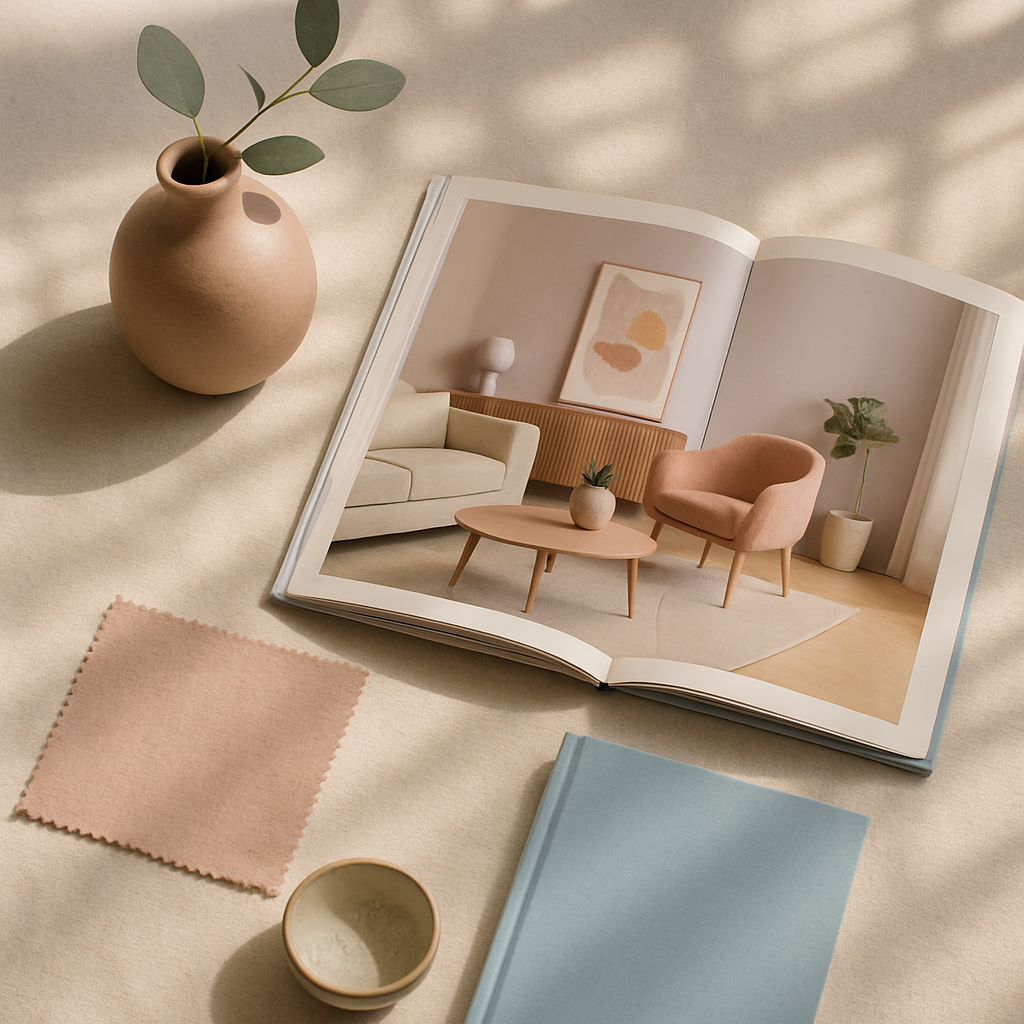
Imagine walking into a room that not only reflects the latest design trends but also enhances your lifestyle. According to a survey by Houzz, 80% of homeowners report increased happiness after completing a home renovation project. This statistic underscores the transformative power of design. Neil Interior Design specializes in modern aesthetics, offering a unique blend of creativity and practicality to elevate your home. In this article, we'll explore foundational design concepts, delve into statistical insights, and provide actionable strategies for achieving a contemporary look. By the end, you'll have the tools to create a space that is both stylish and functional.
Foundational Concepts of Modern Interior Design
Modern interior design is rooted in simplicity, functionality, and elegance. It emphasizes clean lines, uncluttered spaces, and a neutral color palette. This design philosophy prioritizes open floor plans, which allow natural light to flow freely throughout the space. The use of neutral colors such as whites, greys, and beiges is a hallmark of modern design, offering a calm and soothing backdrop for your home.
Another crucial aspect of modern interior design is the integration of technology. Smart home features, such as automated lighting and climate control, are becoming increasingly popular. These technologies not only enhance convenience but also contribute to a home's aesthetic appeal. For example, smart window treatments can adjust to the time of day, maximizing natural light while maintaining privacy.
Finally, sustainable design is a growing trend in modern aesthetics. The use of eco-friendly materials like bamboo, reclaimed wood, and recycled glass is becoming standard practice. This aligns with the global push towards sustainability and eco-conscious living. How can you incorporate these elements into your home? Consider starting with small changes, such as energy-efficient appliances or sustainably sourced furniture.
Analyzing Modern Design Through Data
Data-driven insights are crucial when considering modern interior design. According to the American Society of Interior Designers (ASID), well-designed interiors can increase a property's resale value by 5-15%. This statistic highlights the financial benefits of investing in quality design. Homeowners are increasingly aware of this fact, leading to a rise in demand for professional design services.
Houzz's annual survey indicates that homeowners spend between $5,000 and $15,000 on a single room redesign. This investment often includes design consultations, material costs, and labor. Despite the cost, 90% of homeowners report satisfaction with the results, indicating the value placed on professional design. For those on a tighter budget, focusing on key areas such as the living room or kitchen can yield significant visual impact.
Experienced professionals often note that understanding your space's unique characteristics is essential. This involves analyzing natural light, traffic flow, and existing architectural features. By doing so, designers can create a cohesive and functional environment. Are you leveraging your home's natural advantages, or are there areas for improvement?
Actionable Strategies for Modernizing Your Home
To infuse modern aesthetics into your home, start with a clear vision of what you want to achieve. Begin by creating a mood board using platforms like Pinterest or Instagram, which are treasure troves of inspiration. Compile images that resonate with your desired aesthetic, noting color schemes, furniture styles, and decorative elements that appeal to you.
Next, consider consulting with a certified interior designer. Professionals with credentials like NCIDQ (National Council for Interior Design Qualification) or membership in organizations such as the IIDA (International Interior Design Association) bring expert guidance and a wealth of experience. They can help refine your ideas, suggest practical solutions, and manage the design process from concept to execution.
Finally, prioritize quality over quantity. Invest in key pieces that anchor your space, such as a statement sofa or a high-quality dining table. These items serve as focal points around which the rest of your design can evolve. Remember, modern design is not about filling every void but rather allowing each element to breathe and contribute to the overall harmony.
Expert-Level Insights into Modern Aesthetics
Delving deeper into modern aesthetics, it's important to understand the nuances that differentiate various styles. For instance, the 2026 trend of Japandi combines Japanese minimalism with Scandinavian warmth, creating spaces that are both serene and inviting. This style emphasizes natural materials, neutral tones, and a balance between functionality and beauty.
Biophilic design, another emerging trend, focuses on incorporating elements of nature into indoor spaces. This can include living walls, indoor plants, and the use of natural materials like stone and wood. According to Architectural Digest's AD PRO network, biophilic design enhances well-being by creating a connection to the natural world, even within urban environments.
Smart home integration is also a key component of modern aesthetics. From voice-activated lighting systems to automated climate control, these technologies enhance both convenience and energy efficiency. Designers now commonly use AR/VR tools to help clients visualize these integrations, allowing for more informed decision-making and personalized designs.
Diving Deeper into Design Details
For those seeking additional depth, understanding the phases of a design project can be enlightening. The process typically begins with concept development, where ideas are brainstormed and refined. This phase is followed by a design presentation, where clients review proposed plans and provide feedback.
Procurement is the next step, involving the purchase of furniture, materials, and fixtures. Designers often have access to exclusive trade discounts, which can significantly reduce costs. The installation phase brings the design to life, followed by styling, where the final touches are added to ensure cohesion and aesthetic appeal.
Understanding these phases allows homeowners to appreciate the complexity and artistry involved in professional design. Are you ready to embark on this journey with a professional, or do you prefer a more DIY approach? Each path offers unique rewards and challenges.
Final Perspectives on Modern Interior Design
As you contemplate modernizing your home, remember that design is a personal and evolving process. Trends will come and go, but your home should ultimately reflect your personality and lifestyle. Incorporating modern aesthetics can significantly enhance both your living experience and your property's value.
Consider taking small steps towards modernization if a complete overhaul seems daunting. Whether it's updating your color palette, investing in smart technology, or introducing sustainable materials, each change contributes to a more contemporary and harmonious environment. What is the first step you are excited to take in your modern design journey?
Ultimately, modern interior design is about creating spaces that are not only visually appealing but also functional and reflective of personal style. By incorporating expert strategies and the latest trends, you can transform your home into a modern sanctuary.
Conclusion
In conclusion, embracing modern interior design with the expertise of Neil Interior Design can transform your living space into a stylish and functional haven. With a focus on foundational concepts, data-driven insights, and expert strategies, you can achieve a contemporary look that enhances your home and lifestyle. As you embark on this design journey, consider consulting with certified professionals and leveraging the latest trends and technologies to achieve the best results.
Ready to start your transformation? Begin by browsing designer portfolios on platforms like Houzz and Pinterest. Spend even 20 minutes a day gathering inspiration and identifying elements that resonate with you. This simple step will sharpen your eye for design and guide you towards creating the modern home of your dreams.



Comments
Post a Comment