AI-Powered Interior Design: Enhancing Creativity and Efficiency in Your Home
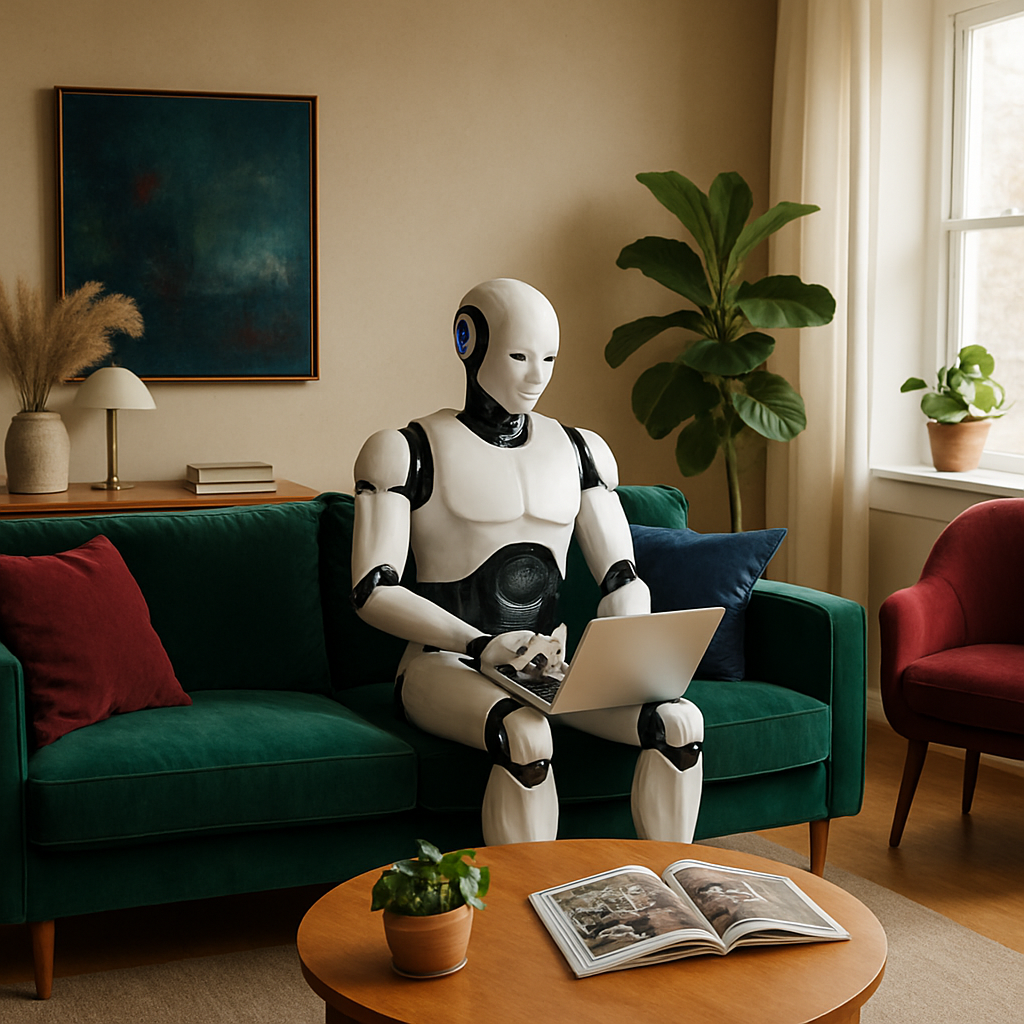
Imagine walking into a home where every room not only reflects your personality but also optimizes functionality to suit your lifestyle. This isn't just a dream anymore - it's the reality of AI-powered interior design. Industry surveys suggest that AI integration is transforming the way we approach home design by enhancing creativity and boosting efficiency. From smart rendering tools to automated mood boards, AI is redefining the boundaries of what's possible in our living spaces. In this article, we'll explore the foundational concepts of AI in interior design, delve into its analytical impact, provide actionable strategies for homeowners, and offer expert insights into this innovative approach. By the end, you'll have a comprehensive understanding of how AI can revolutionize your home design process.
Understanding AI-Powered Interior Design Concepts
AI-powered interior design leverages advanced algorithms and machine learning to streamline the design process, making it more accessible and personalized. At its core, AI can analyze user preferences, spatial data, and style trends to create tailored design solutions. For instance, platforms like Houzz have integrated AI to recommend design ideas based on your previous interactions and search behavior. This means that AI doesn't just aid designers; it empowers homeowners to visualize and decide on design elements with unprecedented precision.
One of the most significant advantages of AI in design is its ability to handle complex data sets efficiently. According to a report by the American Society of Interior Designers (ASID), AI tools can process spatial dimensions, lighting conditions, and even acoustics to suggest optimal furniture placements and room layouts. This capability not only saves time but also enhances the accuracy of design plans, leading to more satisfactory outcomes for clients.
Moreover, AI in interior design is not limited to visual aspects. It extends to practical functionalities such as smart home integration. Imagine a design that incorporates lighting systems that adjust based on the time of day or automated window treatments that respond to the weather. The possibilities are vast, and as AI technology continues to evolve, so too will the potential for creating homes that are both beautiful and intelligent.
As we dive deeper into AI's impact on the efficiency of design processes, you'll see how these foundational concepts translate into practical benefits for homeowners and professionals alike.
Analyzing AI's Impact on Design Efficiency
AI's role in enhancing design efficiency cannot be overstated. By automating time-consuming tasks, AI allows designers to focus more on creativity and less on logistics. For example, AI tools can generate multiple design iterations quickly, helping to narrow down options and refine choices. This speed and precision were highlighted in a study by the International Interior Design Association (IIDA), which found that AI could reduce project timelines by up to 30%.
Consider the process of creating a mood board, traditionally a labor-intensive task that requires collecting and arranging various design elements. With AI, platforms can automatically generate mood boards based on a few initial inputs from the user. This not only accelerates the design phase but also ensures a cohesive aesthetic that aligns with the client's vision from the start. Such efficiency gains translate into cost savings, with reduced hours spent on manual tasks.
Furthermore, AI analytics provide data-driven insights that can significantly improve decision-making. For instance, AI can predict how different materials will wear over time, taking into account factors like usage patterns and environmental conditions. This predictive capability is invaluable for selecting durable materials that offer long-term value. As we move into actionable strategies, think about how AI could streamline your design process and what efficiencies it might unlock in your home projects.
Actionable Strategies for Integrating AI in Your Home Design
If you're considering incorporating AI into your home design, it's essential to start with a clear plan. Begin by mapping out your design goals and identifying areas where technology can add the most value. Are you looking to optimize your space use or enhance your home's aesthetic appeal? Understanding your priorities will guide your selection of AI tools and platforms.
One practical strategy is to use AI-powered room visualization tools like those offered by Houzz or Pinterest. These platforms allow you to experiment with different layouts, color schemes, and furnishings in a virtual environment before making any commitments. This trial-and-error process can save both time and money, ensuring that you're satisfied with the final design. Experienced professionals often note that these tools also help clients articulate their design preferences more clearly.
Another effective approach is to integrate AI with your existing smart home systems. This could involve using AI to automate lighting, climate control, or security features in conjunction with your design plan. By doing so, you not only enhance the functionality of your space but also improve its energy efficiency. As you explore expert insights in the next section, consider which strategies align best with your design objectives and how you might implement them.
Expert Insights on AI and Interior Design
Experts in the field of interior design emphasize the transformative potential of AI when used thoughtfully. Certified interior designers, who often hold credentials like the NCIDQ (National Council for Interior Design Qualification), are increasingly incorporating AI into their workflows to elevate the quality of their projects. They highlight that AI can democratize access to high-quality design by reducing costs and barriers to entry.
For instance, Architectural Digest's AD PRO network has featured numerous case studies where AI tools have enabled designers to tackle complex projects with greater ease. These tools allow for real-time collaboration with clients, adjusting designs on the fly based on feedback and new data. This level of interaction was previously unimaginable, and it underscores AI's ability to facilitate a more dynamic design process.
Moreover, AI's role in sustainable design is garnering attention. As the industry moves towards eco-friendly practices, AI can assess the environmental impact of materials and suggest alternatives that minimize carbon footprints. This aligns with the growing trend of biophilic design, which emphasizes natural materials and sustainable practices. In the following section, we'll delve even deeper into these innovative applications, providing additional detail on how AI is reshaping the design landscape.
Further Exploration of AI's Role in Design Innovation
AI's reach extends beyond mere efficiency, touching on innovative design aspects that were previously inconceivable. A burgeoning area of interest is the use of augmented reality (AR) and virtual reality (VR) in conjunction with AI to offer immersive design experiences. These technologies enable clients to virtually walk through their redesigned spaces, providing a tangible sense of the final product before any physical changes are made.
Platforms like SketchUp and RoomSketcher have integrated AR/VR capabilities that work hand-in-hand with AI analytics, offering a comprehensive design visualization experience. This approach not only aids in client satisfaction but can also prevent costly mistakes by ensuring that every element of the design is perfectly aligned with client expectations. The combination of AI, AR, and VR is set to become an industry standard, pushing the boundaries of traditional design processes.
Additionally, AI's ability to synthesize large amounts of design data offers valuable insights into emerging trends and consumer preferences. By analyzing patterns across millions of design projects, AI can predict upcoming trends, allowing designers to stay ahead of the curve. This foresight is invaluable for professionals looking to offer cutting-edge solutions to their clients. As we wrap up the discussion, consider how these innovative applications might influence your future design projects.
Final Perspectives on AI-Powered Design
As we reflect on the integration of AI in interior design, it's clear that the technology is reshaping how we conceive and execute home projects. The efficiency and creativity unlocked by AI tools offer compelling reasons to embrace this technology, whether you're a homeowner or a professional designer. The ability to render precise designs quickly, automate routine tasks, and anticipate future trends makes AI an indispensable asset in modern design.
However, as with any technological advancement, it's crucial to balance innovation with human creativity and intuition. While AI can handle data and analytics efficiently, the human touch remains essential for crafting spaces that resonate emotionally with inhabitants. The best designs will always stem from a harmonious blend of technology and artistry.
In conclusion, AI-powered interior design offers a multitude of benefits that can enhance your home's functionality and aesthetics. To start harnessing these advantages, explore AI design tools and platforms, and consider how they might fit into your existing or upcoming projects. Remember, the key to a successful design is collaboration between technology and human insight. What aspect of your home might benefit most from AI innovation?
Conclusion
In summary, AI-powered interior design is at the forefront of transforming our living spaces, offering enhanced creativity and efficiency that were once out of reach. By understanding the foundational concepts, analyzing the data-driven impacts, and applying actionable strategies, homeowners and designers can fully leverage AI's potential. The expert insights provided here illustrate the profound impact AI is having on the industry, and further exploration into innovative applications reveals a future rich with possibilities.
Your next step? Start by browsing designer portfolios on platforms like Houzz or Pinterest this week. Even a brief 20-minute session can refine your eye for styles and features you want in your home. Embrace the AI revolution in interior design and watch as it transforms your spaces into highly efficient, beautifully crafted environments.



Comments
Post a Comment