Sustainable Office Interior Design: Eco-Friendly Trends for Modern Workspaces
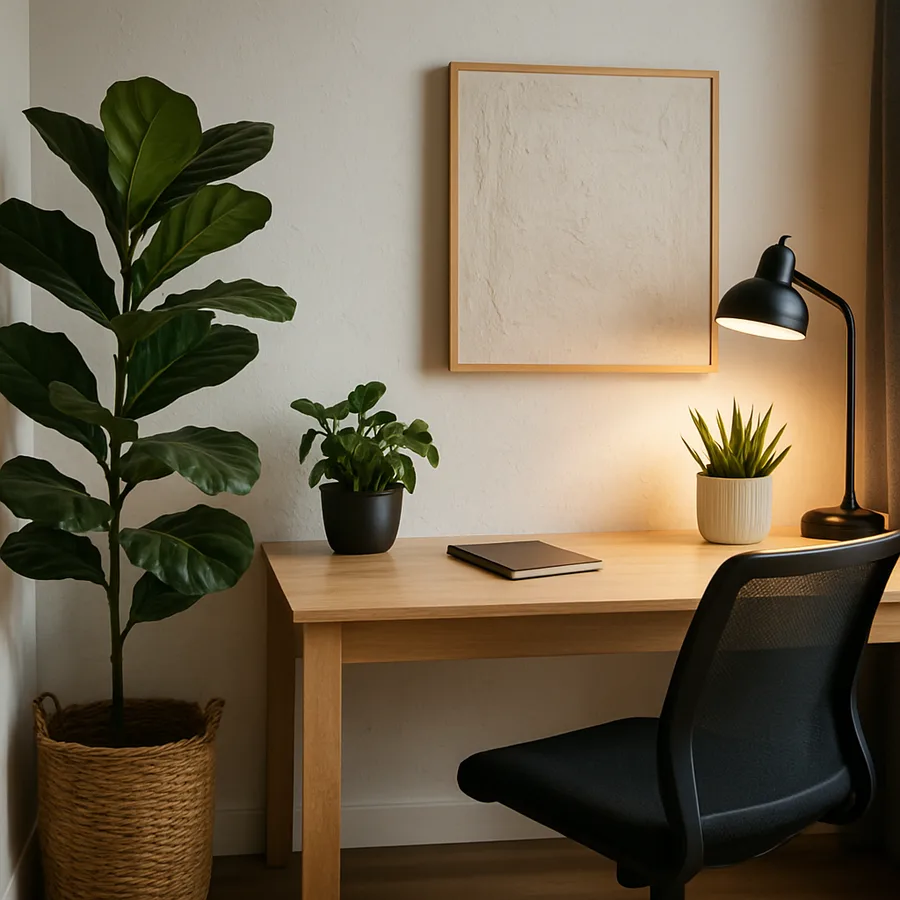
In recent years, sustainable office interior design has gained significant traction, transforming modern workspaces into eco-friendly havens. With environmental consciousness at an all-time high, many businesses are prioritizing sustainability in their design choices. According to the American Society of Interior Designers (ASID), adopting sustainable design practices can reduce energy costs by up to 30%. This article delves into the essential elements of sustainable office design, offering insights into eco-friendly trends and practical steps for implementation.
What You Need to Know First
Before diving into the specifics of sustainable office interior design, it's crucial to understand the foundational elements. Sustainability in design is not just about choosing the right materials; it's a holistic approach that encompasses energy efficiency, waste reduction, and improved indoor air quality. The International Interior Design Association (IIDA) emphasizes the importance of integrating these aspects to create truly sustainable workspaces.
One key consideration is the selection of materials. Opt for sustainable options such as bamboo flooring, recycled metal, and low-VOC (volatile organic compound) paints. These materials not only reduce environmental impact but also contribute to healthier indoor environments. The National Council for Interior Design Qualification (NCIDQ) certifies designers who specialize in these sustainable practices, ensuring that your project is in capable hands.
Energy efficiency is another critical component. Incorporating energy-efficient lighting and HVAC systems can significantly reduce a building's carbon footprint. According to industry surveys, energy-efficient systems can lower energy usage by up to 40%, making them a smart investment for any office space. With this understanding, you're better equipped to make informed decisions as you embark on your sustainable design journey.
Step-by-Step Process
Implementing sustainable office interior design requires a structured approach. Begin with a comprehensive assessment of your current space. Identify areas where sustainability can be improved, such as lighting, materials, and energy usage. Consulting with a certified interior designer can provide valuable insight and help you set realistic goals.
Once you've identified the key areas for improvement, develop a detailed plan. This should include selecting sustainable materials, designing for natural light, and incorporating energy-efficient technologies. For example, installing LED lighting and smart thermostats can lead to significant energy savings. Experienced professionals often note that layering natural and artificial light enhances both energy efficiency and employee well-being.
Next, focus on waste reduction. Implementing recycling programs and choosing furniture made from reclaimed materials can contribute to sustainability goals. Additionally, consider integrating biophilic design elements, such as living walls or indoor gardens, to improve air quality and employee morale. As you progress through these steps, remember that sustainability is an ongoing process that requires regular evaluation and adjustment.
Common Mistakes to Avoid
While sustainable office interior design offers numerous benefits, there are common pitfalls that can derail your efforts. One frequent mistake is underestimating the importance of planning. Without a clear plan, projects can quickly become overwhelming and lead to costly errors. To avoid this, ensure that you have a detailed roadmap before starting any renovations.
Another common error is neglecting to involve employees in the design process. Employee input is invaluable when designing a workspace that meets both functional and sustainability goals. By soliciting feedback, you can create an environment that supports productivity and well-being. Remember, a sustainable office is one that works for its occupants as much as it does for the environment.
Finally, avoid the temptation to prioritize aesthetics over functionality. While a visually appealing workspace is important, it should not come at the expense of sustainability goals. For instance, choosing trendy but non-sustainable materials can undermine your efforts. Instead, focus on finding a balance between style and sustainability to achieve a cohesive and environmentally friendly design.
Pro Tips from Industry Experts
Industry experts offer valuable insights into achieving successful sustainable office interior design. A key recommendation is to incorporate flexible spaces that can adapt to changing needs. This approach not only maximizes the utility of the space but also reduces the need for future renovations, aligning with sustainability objectives.
Experts also stress the importance of incorporating smart technology. Smart systems, such as automated lighting and climate control, can optimize energy usage and enhance employee comfort. The use of AR/VR room visualization tools is becoming increasingly popular, allowing designers and clients to experiment with different layouts and solutions virtually before implementation.
Additionally, professionals advocate for prioritizing quality over quantity when it comes to furnishings and decor. Investing in durable, timeless pieces not only supports sustainability goals but also offers long-term cost savings. By following these expert tips, you can create a workspace that is both sustainable and functional, offering long-term benefits for your business.
Budget and Timeline Considerations
Budget and timeline are critical factors in any sustainable office interior design project. Understanding these elements can help you set realistic expectations and avoid potential setbacks. On average, sustainable design projects may cost 10-20% more upfront due to higher material and technology costs. However, the long-term savings in energy consumption and maintenance often offset this initial investment.
It's essential to allocate your budget wisely, prioritizing areas that offer the greatest impact. For example, focusing on energy-efficient lighting and HVAC systems can provide immediate benefits and cost savings. When planning your budget, consider the potential return on investment, including increased property value and reduced operational costs.
Timeline management is equally important. Sustainable projects may take longer to complete due to the need for specialized materials and technologies. Setting a realistic timeline and allowing flexibility for unforeseen delays can help keep your project on track. Communicate regularly with your design team to ensure alignment and address any challenges promptly.
Real-World Examples and Case Studies
Examining real-world examples can provide valuable insights into effective sustainable office interior design. One notable case is the redesign of the Adobe Systems headquarters, which incorporated natural light and energy-efficient systems. This project resulted in a 30% reduction in energy consumption, highlighting the tangible benefits of sustainable design.
Another example is the Googleplex in California, renowned for its integration of sustainable practices. The campus features extensive use of recycled materials and incorporates renewable energy sources, demonstrating a commitment to environmental stewardship. These case studies illustrate how sustainability can be seamlessly integrated into corporate environments, enhancing both functionality and aesthetics.
Smaller-scale projects can also offer inspiration. Consider a local business that transformed its workspace with recycled furniture and biophilic design elements. This approach not only improved employee satisfaction but also attracted eco-conscious clients, showcasing the broader impact of sustainable design. These examples underscore the versatility and effectiveness of sustainable practices in diverse settings.
Conclusion
Sustainable office interior design is more than a trend; it's a vital approach to creating eco-friendly and efficient workspaces. By understanding key principles, avoiding common pitfalls, and leveraging expert insights, you can transform your office into a sustainable haven. Are you ready to embark on this journey? Start by exploring the wealth of resources available through platforms like Houzz and engaging with certified interior designers to bring your vision to life.
Ready to make a change? Begin by researching sustainable materials and energy-efficient technologies. Even dedicating just a few hours to exploring these options can set you on the path to a greener, more sustainable office environment.
More Articles You May Like



Comments
Post a Comment