The Psychology of Color: How to Choose the Right Shades for Your Home Interior
Have you ever walked into a room and felt instantly calm or inexplicably energized? That reaction may be rooted less in the furniture or layout and more in the colors surrounding you. According to research by the American Psychological Association, color can influence up to 80% of a person's mood and perception. This powerful impact makes choosing the right shades for your home interior both an art and a science. In this article, we'll explore foundational concepts of color psychology, delve into data-backed trends, and provide actionable strategies to help you make informed design choices. Whether you're looking to boost productivity in your home office or create a serene sanctuary in your bedroom, understanding the psychology of color is essential.
Understanding the Basics of Color Psychology
Color psychology is the study of hues as a determinant of human behavior. It's a tool that designers use to evoke certain emotions and set the ambiance of a space. For instance, warm colors like red, orange, and yellow are known to evoke feelings of warmth and comfort, yet they can also stimulate feelings of anger and hostility. This duality makes it crucial to understand the context and purpose of each room before selecting a color palette.
One foundational concept is the color wheel, which categorizes colors into primary (red, blue, yellow), secondary (green, orange, purple), and tertiary hues. Designers often use complementary colors-those opposite each other on the color wheel-to create dynamic yet balanced spaces. For example, pairing blue with orange can create a visually striking and harmonious environment.
The psychological effects of color are also influenced by cultural contexts. While white signifies purity and cleanliness in Western cultures, it is often associated with mourning in Eastern traditions. Therefore, understanding your cultural background and personal experiences with color plays a significant role in your design choices. As we transition to deeper analysis, consider how these foundational principles might apply to your own home design projects.
Color Psychology in Practice: Insights and Data
Industry surveys, such as those conducted by Houzz, suggest that 70% of homeowners feel that color can drastically change the mood and perception of space. This insight is crucial when planning room designs. For instance, blue is often perceived as calming and is a popular choice for bedrooms and bathrooms. This color is believed to lower blood pressure and slow respiration and heart rate, making it a natural choice for relaxation spaces.
On the other hand, a vibrant red can invigorate and energize, which is why it's often used in dining rooms and kitchens. Red has been shown to increase appetite and stimulate conversation, making it ideal for areas where people gather and interact. However, it should be used sparingly, as too much red can be overwhelming and even increase anxiety.
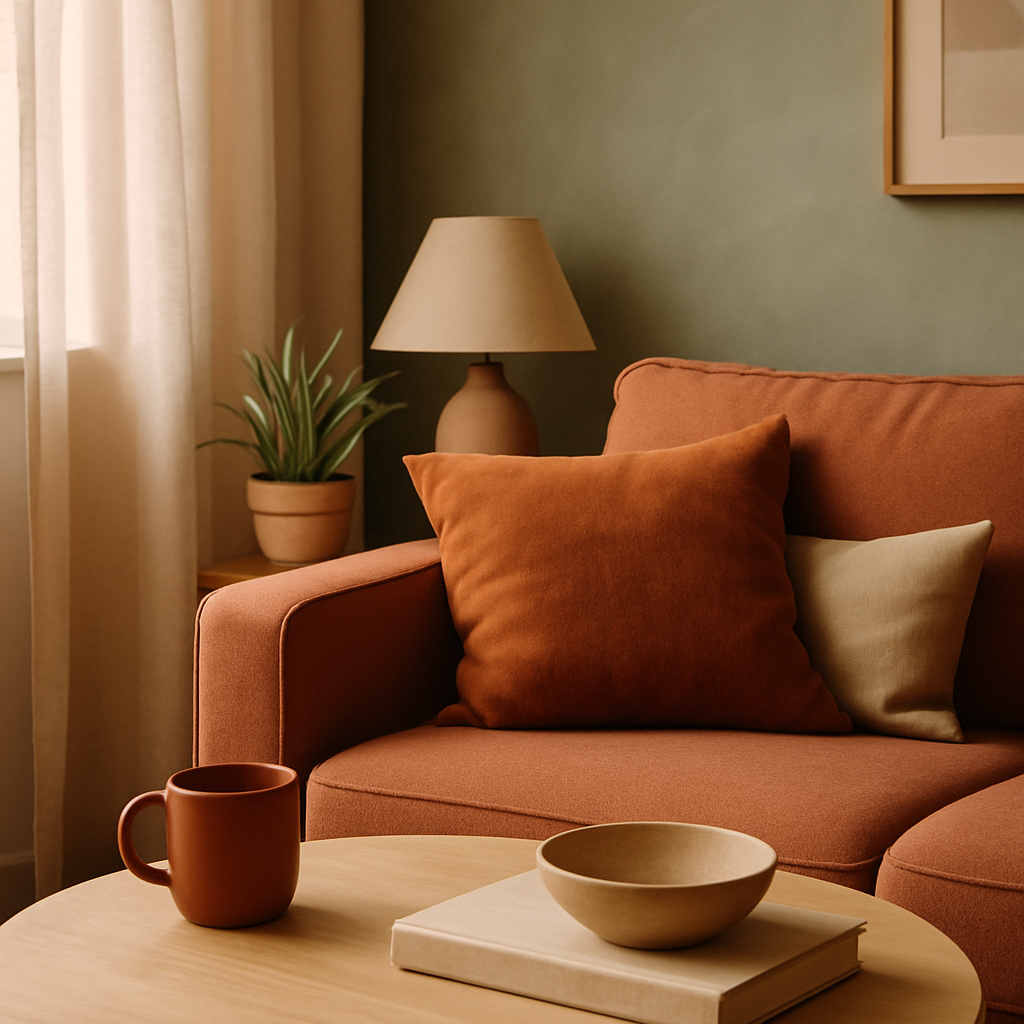
Sustainability trends are also affecting color choices, with natural and earth tones gaining popularity. According to the American Society of Interior Designers (ASID), eco-friendly colors like sage green and terracotta are favorites for creating a serene and grounded atmosphere. These shades not only reflect a commitment to sustainability but also connect the indoors with the natural world, a principle central to biophilic design. As we move on to actionable strategies, think about how data-backed insights like these can guide your color decisions.
Actionable Strategies for Choosing Colors
Choosing the right colors for your home involves more than just preference; it's about aligning your aesthetic with the function and mood of each space. One strategy is to start with a mood board. Gather fabric swatches, paint chips, and inspirational images to visualize your palette. Platforms like Pinterest are invaluable for this process, allowing you to curate ideas and see how different colors interact.
Another practical approach is to test colors in small areas before committing. Paint a small section of a wall or use large color swatches to observe how the shade changes with different lighting throughout the day. This step is crucial, as colors can look drastically different under artificial light compared to natural sunlight. Are you planning to revamp your living space? Consider how the lighting conditions might affect your color choices.
Furthermore, experienced professionals often note the importance of considering the adjacent rooms' color schemes to ensure a cohesive flow throughout the home. This doesn't mean every room must be the same color, but there should be a harmonious transition as you move from one space to another. As we delve into expert-level details, keep in mind these actionable strategies when planning your home interior.
Expert-Level Insights on Color Selection
Certified interior designers, such as those with NCIDQ credentials, emphasize the importance of understanding the psychological impact of color in relation to spatial perception. Lighter colors can make a small room appear larger and more open, while darker shades can create a cozy, intimate atmosphere. This concept is vital when designing spaces with specific spatial constraints.
Designers also use color to highlight architectural features. For example, painting a wall a darker shade can make it recede, creating a sense of depth. Conversely, a lighter color can bring a wall forward, emphasizing its presence. This technique is particularly useful in open-concept spaces where defining different zones is necessary.
Incorporating current design trends, such as Japandi, which blends Japanese minimalism with Scandinavian functionality, also involves mindful color selection. This style often employs a neutral palette with natural materials, offering a calming yet sophisticated aesthetic. Transitioning to additional depth, consider how expert insights can refine your design approach.
Additional Considerations for Color in Design
Beyond the aesthetic and emotional aspects, practical considerations should also guide your color choices. For instance, high-traffic areas like hallways and entryways benefit from durable, washable paints that withstand wear and tear. Consider the paint's finish as well; matte finishes hide imperfections, while gloss can highlight them.
Budget is another critical factor. A single room redesign can cost between $5,000 and $15,000, according to industry estimates. However, color changes alone can refresh a space without breaking the bank. Paint is one of the most cost-effective ways to transform a room, offering a high impact with relatively low investment.
Finally, incorporating technology can enhance your design process. Many designers now use AR/VR tools to visualize colors and layouts before making final decisions. This technology allows you to see potential changes in real-time, providing a clearer picture of what the finished space will look like. As we approach our final perspectives, think about how these additional considerations might influence your choices.
Final Perspectives on Color Psychology
The psychology of color is a powerful tool in interior design, capable of transforming spaces and influencing emotions. By understanding the basic principles, leveraging data, and employing expert strategies, you can create a home environment that supports your lifestyle and personal tastes.
When selecting colors, remember that personal preference should always guide your choices, but informed decisions can enhance functionality and aesthetic appeal. How does your current home reflect your personality and the moods you wish to cultivate?
Ultimately, the right color palette can make your home more than just a place-it can become a reflection of who you are and what you value. As we conclude, consider the insights shared and how they can be applied to your own design endeavors.
Conclusion: Taking the Next Steps
Color has the power to transform your home and your life, affecting everything from mood to productivity. By understanding the psychology of color and implementing strategic design choices, you can create spaces that are not only beautiful but also functional and aligned with your personal vision.
Ready to start your color journey? Begin by browsing designer portfolios on Houzz or Pinterest this week. Even dedicating 20 minutes to research can sharpen your eye for the shades and styles you love. Don't hesitate to experiment-your home is a canvas waiting for your unique touch.



Comments
Post a Comment