Sustainable House Interior Design: Eco-Friendly Trends for Modern Living
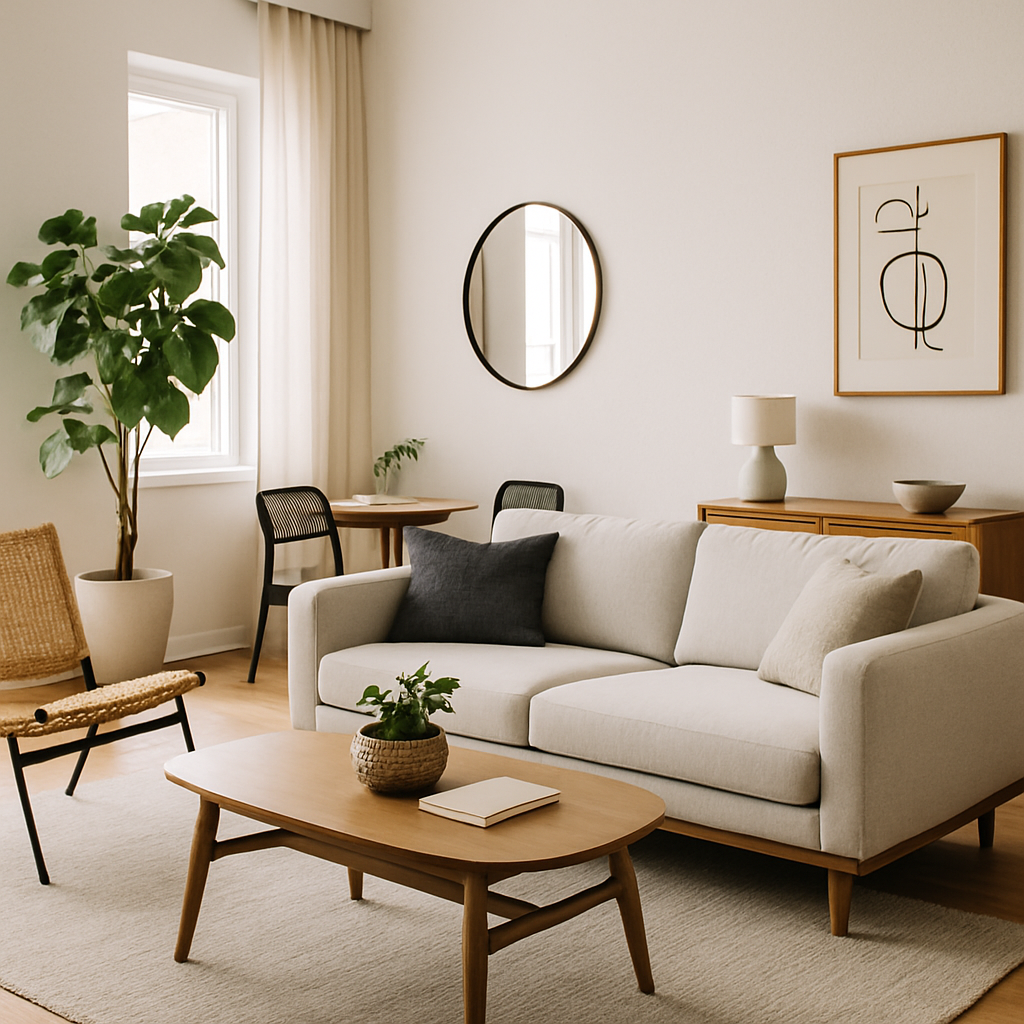
Imagine stepping into your living room, where the natural warmth of reclaimed wood meets the soothing green hues of indoor plants. This is not just a design choice but a commitment to a sustainable lifestyle. According to Houzz's latest survey, 70% of homeowners are now prioritizing eco-friendly materials in their renovation projects. The movement towards sustainable house interior design is more than a trend-it's a necessity for modern living. In this article, we'll explore foundational concepts of sustainable design, delve into data-driven analyses, discuss actionable strategies, and provide expert-level insights to guide you on your journey to a greener home.
Understanding the Foundations of Sustainable Design
At the heart of sustainable house interior design lies the principle of reducing environmental impact while enhancing the quality of indoor spaces. This involves choosing materials and products that are both environmentally friendly and aesthetically pleasing. For instance, the incorporation of biophilic design, which emphasizes a connection to nature through elements like natural light and greenery, is gaining traction. This approach not only reduces energy consumption but also boosts residents' well-being.
Certification plays a crucial role in ensuring the sustainability of materials. Organizations such as the Forest Stewardship Council (FSC) and Leadership in Energy and Environmental Design (LEED) provide guidelines and certifications that help consumers select eco-friendly products. FSC-certified wood products guarantee that the wood comes from responsibly managed forests. Similarly, LEED certification is a globally recognized symbol of sustainability achievement and leadership, often influencing material choices in interior design projects.
Understanding these foundational concepts is essential for anyone looking to embark on a sustainable design project. But how do these principles translate into practical choices for your home? The next section explores the data behind sustainable material choices and their impact on both the environment and home value.
Data-Driven Insights on Eco-Friendly Materials
When planning a sustainable interior, it's crucial to rely on data to make informed decisions. According to the American Society of Interior Designers (ASID), homeowners who invest in eco-friendly materials can see a 5% to 15% increase in their home's resale value. This statistic underscores the importance of sustainability, not just for the planet but also for financial gain.
Let's consider materials like bamboo, which is not only durable and stylish but also rapidly renewable. The International Interior Design Association (IIDA) notes that bamboo grows back quickly after harvesting, making it a popular choice for flooring and furniture. Furthermore, using recycled materials, such as glass and aluminum, can significantly reduce the carbon footprint of your home. These materials consume less energy in the production process compared to their virgin counterparts.
Beyond materials, energy-efficient appliances and smart home technology are pivotal in sustainable design. According to the U.S. Green Building Council, homes with smart systems for lighting and climate control can reduce energy consumption by up to 30%. This not only lowers utility bills but also contributes to a healthier planet. As we move forward, how can you implement these strategies in your own home? Let's explore actionable steps you can take.
Implementing Sustainable Design Strategies in Your Home
Ready to transform your home into a beacon of sustainability? Start by conducting an energy audit to identify areas where you can improve efficiency. This can be done with the help of professionals or DIY tools available online. Once you've pinpointed energy drains, consider upgrading to LED lighting, which uses up to 75% less energy than traditional incandescent bulbs. Are there areas in your home where natural light can be maximized? Installing skylights or larger windows can drastically reduce the need for artificial lighting.
Furniture shopping is another opportunity to embrace sustainability. Look for pieces made from reclaimed or FSC-certified wood, and consider secondhand options from platforms like Chairish or local thrift stores. Not only does this reduce demand for new resources, but it also gives your space a unique character. Additionally, integrating indoor plants can improve air quality and add a natural element to your decor.
Lastly, consider the lifecycle of your home products. Experienced professionals often note that choosing durable materials reduces the frequency of replacements, which is both economical and environmentally friendly. As you implement these strategies, remember that sustainable design is not a one-time effort but an ongoing commitment. But what do experts have to say about these practices? Let's dive into their insights next.
Expert Insights on Sustainable Interior Design
Industry experts agree that the future of interior design lies in sustainability. According to the National Council for Interior Design Qualification (NCIDQ), certified interior designers are increasingly incorporating sustainable practices into their projects. This includes everything from using low-VOC (volatile organic compounds) paints to selecting textiles made from organic fibers. These choices not only benefit the environment but also create healthier indoor air quality for occupants.
Architectural Digest's AD PRO network highlights the rise of "quiet luxury" and "understated elegance," concepts that align with sustainability by focusing on quality over quantity. This trend emphasizes investing in fewer, high-quality pieces that stand the test of time, rather than succumbing to fast furniture trends. This approach not only reduces waste but also cultivates a more refined aesthetic.
The integration of smart home technology is another area where experts see significant potential. Automated systems for lighting, climate, and window treatments can optimize energy use, adapting to your habits and preferences. But how can you take these expert insights and apply them to your own design plans? The following section explores additional layers of depth in sustainable design.
Diving Deeper: Additional Layers of Sustainable Design
Sustainable design is multifaceted, extending beyond materials and technology to include spatial planning and resource conservation. For instance, the concept of adaptive reuse-repurposing old buildings and materials for new uses-can significantly reduce the environmental impact of new construction. This practice not only preserves historical architecture but also minimizes resource consumption.
As we embrace biophilic design, consider how indoor-outdoor flow can be enhanced in your home. Creating seamless transitions between indoor and outdoor spaces can improve natural ventilation and lighting. This might involve installing sliding glass doors or outdoor living spaces that are functional year-round. Such designs not only promote sustainability but also enhance your connection to nature.
Finally, consider the role of community in sustainable design. Engaging local artisans and suppliers can reduce the carbon footprint associated with transporting goods over long distances. Additionally, supporting local businesses often means investing in products that are more sustainably produced. As we conclude our exploration of sustainable house interior design, let's reflect on the future of eco-friendly living and the steps you can take today.
The Future of Sustainable Living
As we look to the future, sustainable house interior design will continue to evolve, driven by technological advancements and growing environmental awareness. Innovations like AR/VR room visualization tools are making it easier for homeowners to plan and execute sustainable designs. These tools allow you to experiment with different layouts and materials before committing, reducing waste and enhancing decision-making.
But sustainable design is more than just a trend-it's a lifestyle choice that requires ongoing commitment and adaptation. Whether you're starting small with a single room makeover or planning a full-home renovation, each step towards sustainability makes a significant impact. How will you contribute to a more sustainable future through your design choices?
Incorporating these strategies not only creates a beautiful and functional home but also fosters a healthier environment for generations to come. In the conclusion, we'll summarize key takeaways and provide a clear call to action for your sustainable design journey.
Conclusion: Your Path to Sustainable Design
Sustainable house interior design is not just about aesthetics-it's about creating spaces that respect and enhance the environment. By understanding foundational concepts, leveraging data-driven insights, and applying expert strategies, you can transform your home into a sustainable haven. Remember, every choice, from materials to technology, contributes to a larger environmental narrative.
Ready to take the first step? Start by browsing portfolios on Houzz or consulting with a certified interior designer to explore ideas that align with your vision and values. Even a short session can provide clarity and direction for your project. How will you incorporate eco-friendly trends into your home? The choice is yours, and the impact is lasting.



Comments
Post a Comment