Sustainable Corporate Office Interior Design: Eco-Friendly Ideas for Modern Workspaces
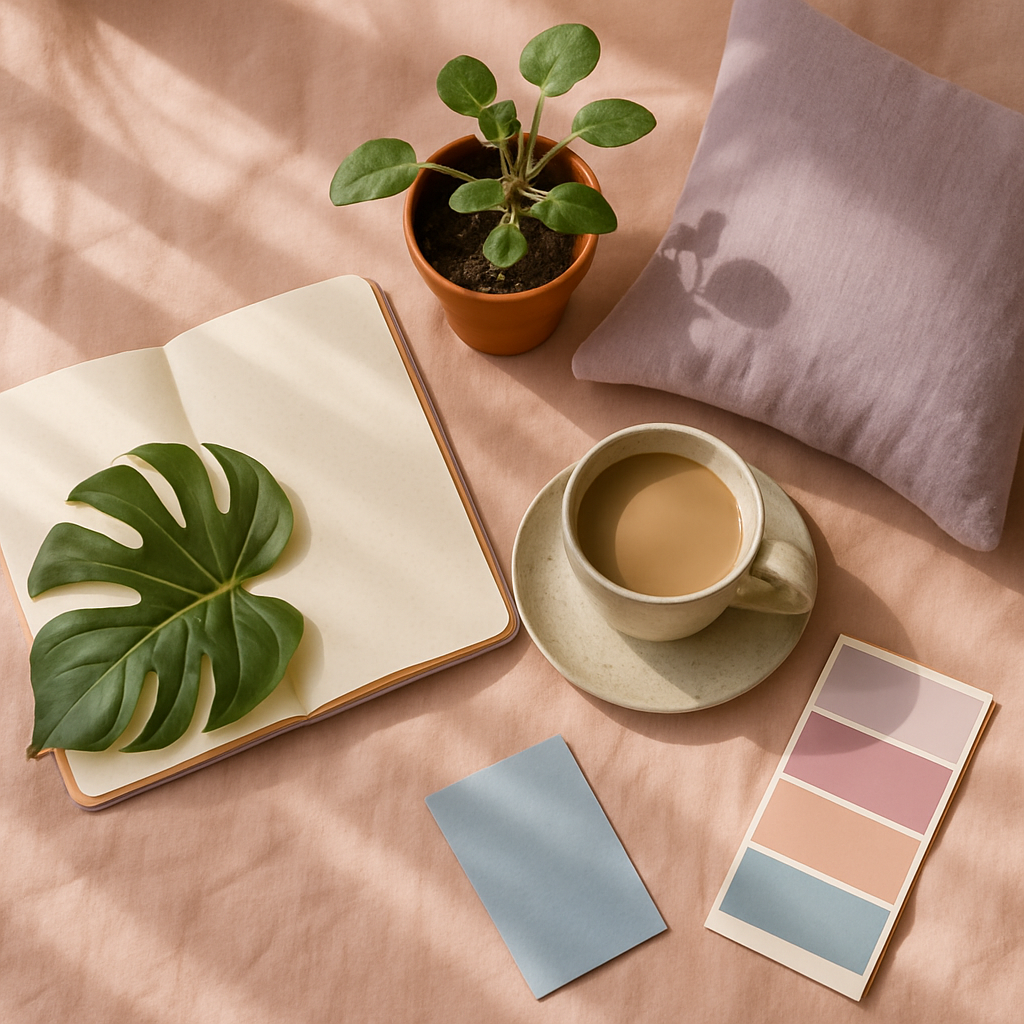
Did you know that sustainable office design can enhance productivity by up to 15%? According to a report by the World Green Building Council, workplaces prioritizing environmental considerations see significant boosts in employee well-being and efficiency. As more companies recognize the value of eco-friendly spaces, sustainable corporate office interior design is gaining traction. This approach not only reduces environmental impact but also creates healthier, more attractive work environments. In this article, we'll explore foundational concepts of sustainable design, delve into data-backed benefits, offer actionable strategies, and provide expert insight to help you transform your workspace.
Understanding Sustainable Office Design
Sustainable corporate office interior design focuses on creating workspaces that are environmentally responsible and resource-efficient throughout their life cycle. This includes everything from the selection of materials and products to the overall architectural design. The goal is to minimize negative impacts on the environment while maximizing the health and well-being of the occupants. Designing with sustainability in mind can involve choosing renewable resources, such as bamboo flooring and reclaimed wood furniture, which are both stylish and eco-conscious.
One of the foundational principles of sustainable design is energy efficiency. This can be achieved by using energy-efficient appliances and systems, such as LED lighting, smart thermostats, and automated window treatments. According to the U.S. Green Building Council (USGBC), implementing energy-efficient solutions can reduce a building's energy consumption by up to 30%. This not only cuts down on operational costs but also reduces the office's carbon footprint.
Indoor air quality is another critical factor in sustainable office design. By incorporating biophilic elements like living walls and indoor plants, offices can improve air quality and create a more pleasant environment. The American Society of Interior Designers (ASID) suggests that incorporating greenery into office spaces can lead to a 20% increase in employee productivity. As we transition to deeper analysis, let's consider how these principles translate into measurable benefits for businesses.
The Benefits of Eco-Friendly Workspaces
Transitioning to an eco-friendly office can yield substantial benefits beyond environmental impact. Financially, sustainable design can lead to long-term savings. The initial investment in sustainable materials and systems may be higher, but the reduced energy and operational costs often lead to significant savings over time. The International Interior Design Association (IIDA) notes that companies can see a reduction in energy costs by 20% to 40% when adopting green building practices.
Moreover, sustainable design significantly impacts employee health and well-being. Improved indoor air quality, natural lighting, and ergonomic furniture contribute to a healthier, more comfortable workspace. A 2024 study by the Environmental Protection Agency (EPA) indicated that improved indoor environments result in a 10% reduction in employee sick days, translating to higher productivity and reduced healthcare costs for employers.
From a branding perspective, sustainable design can enhance a company's image. Consumers are increasingly valuing environmental responsibility, and a green office can reflect positively on a brand's commitment to sustainability. According to a survey conducted by Houzz, 75% of millennials consider sustainability when making purchasing decisions. As we move to actionable strategies, consider how these benefits can be harnessed to create a more efficient and appealing workspace.
Implementing Sustainable Design Strategies
Ready to transform your office into a green haven? Start by conducting an energy audit to identify areas where efficiency can be improved. Switching to LED lighting and installing smart thermostats are simple yet effective measures. Experienced professionals often note that these changes can reduce energy bills by up to 20%, allowing for reinvestment in other sustainable initiatives.
Next, consider the materials used in your office. Opt for sustainable materials like reclaimed wood, recycled metal, and natural fibers. These materials are not only environmentally friendly but also add a unique aesthetic to your workspace. Platforms like Architectural Digest's AD PRO network offer a wealth of resources and inspiration for sourcing sustainable design elements.
Furniture and layout should also be considered. Choose ergonomic furniture to support employee well-being and productivity. Open-plan layouts can maximize natural light and foster collaboration, reducing the need for artificial lighting. As we explore expert-level details, think about how these strategies can be tailored to fit the unique needs of your workspace.
Expert Insights on Sustainable Design
Experienced designers often emphasize the importance of integrating technology in sustainable office design. Smart home integration, such as automated lighting and climate control, can enhance energy efficiency and provide a seamless user experience. These technologies allow for real-time monitoring and adjustments, ensuring that your office operates at peak efficiency.
Another expert tip is to embrace biophilic design, which involves incorporating natural elements into the workspace. This could mean anything from installing a living wall to using natural materials like stone and wood. The NCIDQ (National Council for Interior Design Qualification) highlights biophilic design as a key trend in creating calming, productive environments.
Finally, consider leveraging AR/VR room visualization tools during the design process. These technologies allow stakeholders to preview and tweak designs before implementation, ensuring that the final result aligns with sustainability goals. As we delve into additional depth, think about how expert insights can guide your design decisions.
Exploring Further Sustainable Solutions
In addition to foundational strategies, there are numerous other ways to enhance sustainability in office design. Water conservation measures, like low-flow faucets and water-saving appliances, can significantly reduce water consumption. This is especially important in larger offices where water usage is substantial.
Waste reduction is another critical aspect. Implement recycling and composting programs within your office to minimize waste. Encourage employees to participate by providing clearly labeled bins and regular education sessions. The EPA suggests that effective waste management can reduce overall waste by up to 50%.
Lastly, consider the life cycle of office products. Choose items that are durable and can be recycled or repurposed at the end of their life. This not only reduces waste but also supports a circular economy. As we wrap up with final perspectives, reflect on how these solutions can be integrated into your office for a comprehensive sustainable design approach.
Final Perspectives on Sustainable Office Design
As more businesses recognize the importance of sustainable design, it becomes clear that eco-friendly practices are not just a trend but a necessity. Implementing sustainable solutions in your office can lead to increased productivity, reduced costs, and a positive brand image. It's an investment that pays dividends in both tangible and intangible ways.
Are you prepared to make sustainability a cornerstone of your office design? Consider starting with small changes that can grow into larger initiatives. Engage your employees in the process to ensure that the transition is smooth and effective. As we conclude, think about the lasting impact that sustainable design can have on your business and the environment.
Conclusion: Taking the Next Steps
Incorporating sustainable corporate office interior design is a strategic move that benefits your business, employees, and the planet. By understanding the principles, recognizing the benefits, and implementing expert strategies, you can create a workspace that aligns with modern values and enhances productivity. Start by browsing portfolios on platforms like Houzz and AD PRO to gather inspiration and identify design elements that resonate with your vision.
Your journey towards sustainability begins with a single step. Why not start by conducting an energy audit this week? Even 20 minutes of research can sharpen your eye for what you want and need in a sustainable office. Embrace the potential for positive change and make eco-friendly design an integral part of your corporate ethos.



Comments
Post a Comment