Exploring Interior Design: Transform Your Space with Expert Techniques
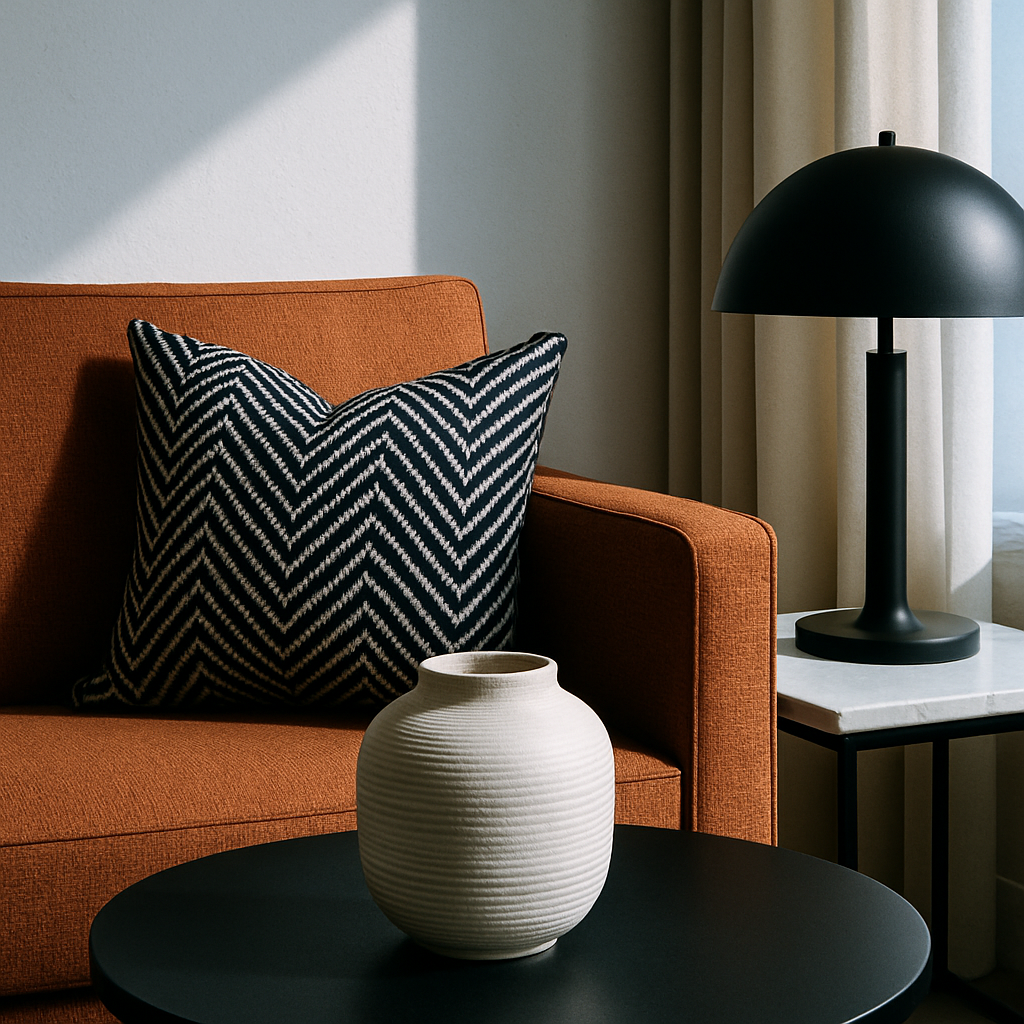
Have you ever walked into a room and instantly felt at ease, inspired, or invigorated? This isn't by chance. According to a survey by Houzz, 77% of homeowners reported that new interiors significantly improved their quality of life. Interior design has the power to transform not just spaces, but lives. In this article, we will explore how you can apply expert techniques to transform your own home. We'll cover foundational concepts, delve into deeper analyses with data, and provide actionable strategies and expert-level details to help you achieve a space that truly resonates with your style and needs.
Understanding the Foundations of Interior Design
Before diving into the specifics of transforming your space, it's crucial to understand the foundational concepts of interior design. At its core, interior design is about creating a harmonious environment that meets the functional and aesthetic needs of its inhabitants. This involves a strategic use of space, light, color, and materials. Certified interior designers, holding credentials like NCIDQ (National Council for Interior Design Qualification), emphasize the importance of balance and proportion. By arranging furniture and décor in a way that feels both comfortable and visually appealing, you set the stage for a cohesive design.
Another key concept is the use of color theory, which can dramatically affect the mood and perception of a room. Warm colors like reds and yellows can energize a space, while cool colors such as blues and greens tend to have a calming effect. Experienced professionals often note that understanding the psychological impact of color is essential for achieving the desired ambiance in any room. Have you considered how the current color palette in your home influences your daily mood?
Furthermore, lighting is a critical component in interior design. Natural light can enhance a room's aesthetic while also impacting the well-being of its occupants. According to the American Society of Interior Designers (ASID), strategic lighting choices can increase a space's functionality and comfort. By combining ambient, task, and accent lighting, you can create a dynamic and versatile environment. This foundational knowledge sets the stage for exploring more advanced design techniques.
Analyzing Trends and Data for a Stylish Space
To create a space that feels both current and timeless, it's important to consider contemporary design trends alongside data-driven insights. One popular trend is biophilic design, which emphasizes the use of natural materials and indoor-outdoor connections. This approach not only brings a sense of serenity and connection to nature into the home but also has been shown to reduce stress and improve air quality. Are you ready to incorporate elements of nature into your living space?
Industry surveys suggest that the use of smart home technology in interior design is on the rise. Integrating features such as automated lighting, climate control, and security systems can enhance both convenience and energy efficiency. The International Interior Design Association (IIDA) notes that these innovations are becoming increasingly accessible, allowing homeowners to create more personalized and sustainable environments.
Additionally, the trend of "quiet luxury" is gaining traction, focusing on understated elegance and high-quality materials. This trend is characterized by minimalist designs that emphasize craftsmanship and subtle details over ostentation. According to Architectural Digest, investing in timeless pieces can increase a home's resale value by 5-15%. By combining these trends with personal taste, you can craft a space that is both functional and stylish.
Implementing Actionable Interior Design Strategies
Once you've grasped the necessary concepts and trends, it's time to implement actionable strategies that will help you transform your space. Start by mapping out how you actually use each room in your home. Consider where activities like reading, dining, and entertaining typically occur. This perspective will guide your furniture placement and ensure that each area serves its intended purpose.
Next, consider incorporating multi-functional furniture to maximize space. Pieces like extendable dining tables or storage ottomans can provide flexibility and efficiency, particularly in smaller spaces. According to Houzz, 54% of homeowners prioritize multi-functional furniture in their redesign efforts. These pieces not only enhance functionality but also contribute to a clutter-free environment, which can improve both aesthetics and mental clarity.
Finally, don't underestimate the power of small details. Accessories such as throw pillows, area rugs, and artwork can tie a room together and reflect your personal style. When selecting these items, aim for a balance between trends and timelessness to avoid frequent updates. As you apply these strategies, you'll notice a significant transformation in the overall feel and functionality of your home.
Delving into Expert-Level Design Techniques
For those seeking a deeper dive into interior design, understanding the intricacies of materials and textures can elevate your space to an expert level. Mixing textures, such as combining smooth woods with soft fabrics or rough stone with sleek metals, can add depth and interest to any room. This technique is often employed by top designers to create sophisticated and layered interiors.
Moreover, the use of sustainable and reclaimed materials is not merely a trend but a burgeoning standard in the industry. The aesthetic appeal of reclaimed wood, recycled metals, and eco-friendly textiles is matched by their environmental benefits. The ASID's recent research emphasizes the growing importance of sustainability in design, which aligns with consumer preferences for greener living solutions.
Another expert technique involves the strategic use of mirrors and reflective surfaces. These elements can enhance natural light and create an illusion of more space, making them a favorite tool for designers working with compact areas. By placing mirrors opposite windows or along narrow hallways, you can amplify light and add dimension to your home. As you consider these expert techniques, reflect on how each element can contribute to your overall design vision.
Exploring Additional Depth in Interior Design
Beyond the basics, exploring additional dimensions of interior design can further refine your space. One such dimension is the concept of flow, which refers to how easily one can move through a room or between rooms. When designing your space, consider the natural pathways and ensure that furniture and décor do not obstruct movement. This consideration is particularly important in open-plan homes where the seamless transition between spaces is essential.
Additionally, personalizing your space with meaningful items can make it truly unique. Whether it's family heirlooms, travel souvenirs, or custom artwork, incorporating these elements can imbue your home with warmth and character. Experienced professionals often recommend displaying such items in a way that complements the overall design rather than overpowering it.
Finally, consider the acoustic environment of your space. Sound-absorbing materials like heavy drapes, upholstered furniture, and area rugs can reduce noise and create a more serene atmosphere. The AIA (American Institute of Architects) suggests that thoughtful acoustic design can enhance comfort and functionality, particularly in busy households. As you delve deeper into these aspects, think about how each element can enhance your living experience.
Final Perspectives on Transforming Your Space
As you embark on your interior design journey, remember that the transformation process is as much about personal expression as it is about functionality. By understanding foundational concepts, analyzing trends, and implementing strategic techniques, you can create a space that is both beautiful and practical. Reflect on the specific needs and preferences of your household, allowing them to guide your design choices.
It's also important to remain open to evolving trends and new technologies that can further enhance your home. From smart home integrations to sustainable materials, the world of interior design is constantly evolving. Staying informed and adaptable will ensure that your space remains fresh and relevant.
Ultimately, the goal is to create a home that not only meets your needs but also inspires and uplifts you daily. With expert techniques at your disposal, you have the tools to achieve this transformation. Let your creativity guide you as you explore the endless possibilities of interior design.
Conclusion: Take the Next Step in Your Interior Design Journey
In conclusion, transforming your space with expert interior design techniques is an exciting and rewarding endeavor. By integrating foundational concepts, analyzing trends, and employing actionable strategies, you can create a home that truly reflects your style and enhances your lifestyle. Whether you're starting with a single room or undertaking a full-home redesign, remember that each decision contributes to the overall harmony and functionality of your space.
As a next step, start by exploring designer portfolios on platforms like Houzz or Instagram. Spend some time identifying styles and elements that resonate with you. Even dedicating just 20 minutes this week to research can sharpen your eye for detail and inspire your next project. Are you ready to begin the journey of transforming your home into a place of beauty and comfort?



Comments
Post a Comment