Embrace Coastal Living: Innovative Beach House Design Ideas You'll Love
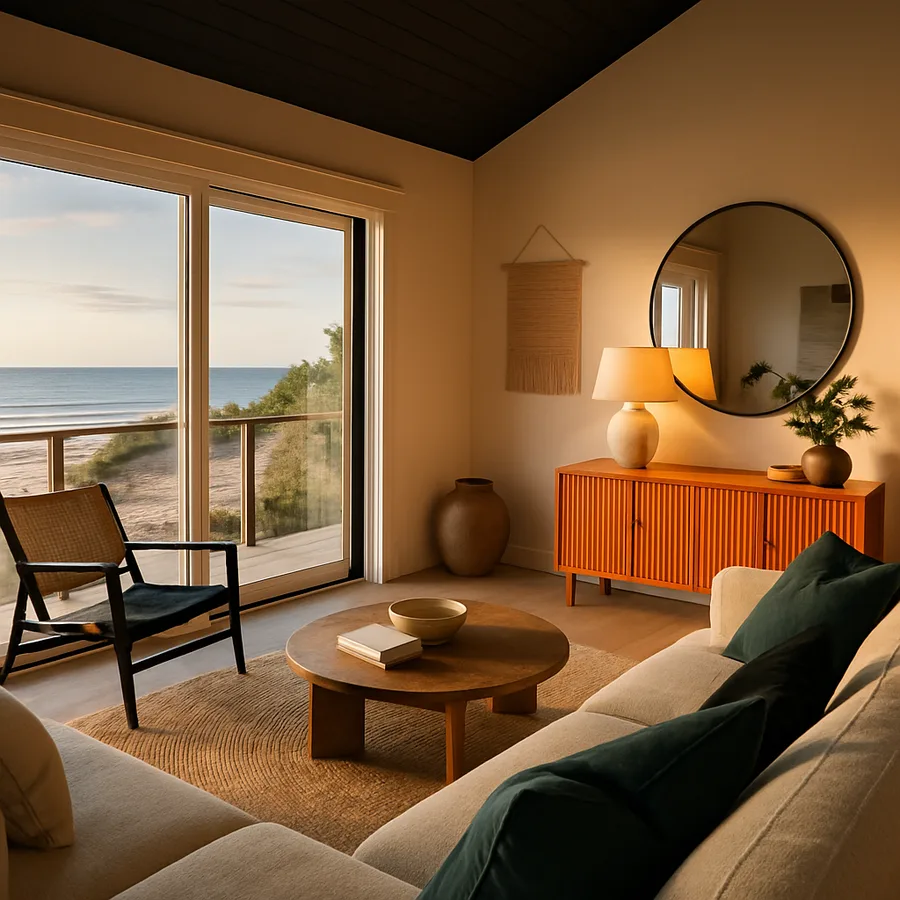
Picture this: a sun-drenched living space where the sound of waves gently crashing against the shore is your constant companion. It's a dream that many share, yet designing a beach house that truly captures the essence of coastal living can be an elusive goal. With the rising demand for beach properties, achieving the perfect balance between functionality and the natural beauty of the coast is more important than ever. This article explores innovative beach house design ideas that not only embrace coastal living but also enhance your home's style and functionality. From understanding the key challenges to implementing cutting-edge solutions, we'll guide you through the process of creating a coastal retreat that stands the test of time.
Why This Problem Matters
Designing a beach house is not just about aesthetics; it's about crafting a space that seamlessly integrates with its natural surroundings while providing comfort and durability. Coastal homes face unique challenges, such as exposure to harsh weather conditions, which can lead to quicker wear and tear. According to the American Institute of Architects (AIA), homes in coastal areas require more frequent maintenance, which can significantly impact long-term costs. Therefore, choosing the right materials and design strategies is crucial to ensure longevity and reduce maintenance expenses.
Moreover, the appeal of coastal living is driving up property values, making it an attractive investment for homeowners. A well-designed beach house can yield a 5-15% higher resale value, as noted by the American Society of Interior Designers (ASID). This potential return on investment underscores the importance of thoughtful design choices that enhance both the home's functionality and its market value.
Beyond financial considerations, the emotional impact of living in a beautifully designed space cannot be overstated. A home that reflects the tranquility and beauty of its coastal setting can significantly enhance your quality of life. As you embark on the journey of designing your beach house, consider how each design decision will contribute to creating a serene and inviting atmosphere.
Understanding the Root Causes
The challenges of designing a beach house begin with the environment itself. Coastal areas are subject to high humidity, salt air, and unpredictable weather patterns, all of which can wreak havoc on traditional building materials. According to a Houzz survey, homeowners in these regions often report issues with mold, rust, and fading of materials. These environmental stressors necessitate the use of specialized materials and innovative design solutions that can withstand the test of time.
Another critical factor is the demand for indoor-outdoor living spaces that maximize ocean views and natural light. However, creating these open and airy spaces can present structural challenges, especially when it comes to ensuring the home's stability and safety. The use of modern engineering techniques and materials is essential to achieve this balance without compromising the home's integrity.
Finally, sustainability is becoming a key consideration in coastal design. The environmental impact of building in sensitive coastal areas requires thoughtful planning and the use of eco-friendly materials. Experienced professionals often note that incorporating elements such as solar panels, rainwater harvesting systems, and sustainable materials can significantly reduce a home's carbon footprint while enhancing its overall appeal.
Solution #1: Embrace Biophilic Design
One of the most effective ways to embrace coastal living in your beach house design is through biophilic design, which incorporates natural elements to create a harmonious indoor environment. This approach not only enhances the aesthetic appeal but also promotes well-being by connecting occupants with nature. Biophilic design can be achieved through the use of natural materials, such as reclaimed wood and stone, which are both sustainable and resilient to coastal conditions.
Integrating large windows and sliding glass doors is another hallmark of biophilic design, allowing for seamless indoor-outdoor transitions and unobstructed ocean views. Consider using high-performance glass that reduces UV exposure and enhances energy efficiency. According to the International Interior Design Association (IIDA), such features can significantly improve a home's thermal performance, reducing energy costs and enhancing comfort.
Incorporating living walls and indoor plants is another way to bring the outdoors in, creating a lush and calming environment. These elements not only purify the air but also provide a visual connection to nature that enhances the overall ambiance of your beach house. As you plan your design, think about how these natural features can be integrated into your space to maximize the benefits of biophilic design.
Solution #2: Prioritize Sustainable and Durable Materials
When designing a beach house, selecting materials that can withstand the harsh coastal environment is paramount. Opt for materials that are both sustainable and durable, such as fiber cement siding, which offers excellent resistance to salt air and moisture. This material is not only environmentally friendly but also requires minimal maintenance, making it a cost-effective choice in the long run.
For flooring, consider using bamboo or cork, both of which are sustainable options that hold up well in humid conditions. These materials are not only durable but also add a unique aesthetic touch that complements the coastal theme. Additionally, investing in high-quality outdoor furniture made from weather-resistant materials, such as teak or marine-grade polymer, ensures longevity and reduces the need for frequent replacements.
Another innovative approach is the use of smart home technology to enhance the functionality and efficiency of your beach house. Automated window treatments, climate control systems, and energy-efficient lighting are just a few examples of how technology can be leveraged to create a more comfortable and sustainable living environment. As you explore material options, consider how these technological advancements can be incorporated into your design to enhance both convenience and sustainability.
Comparing Your Options
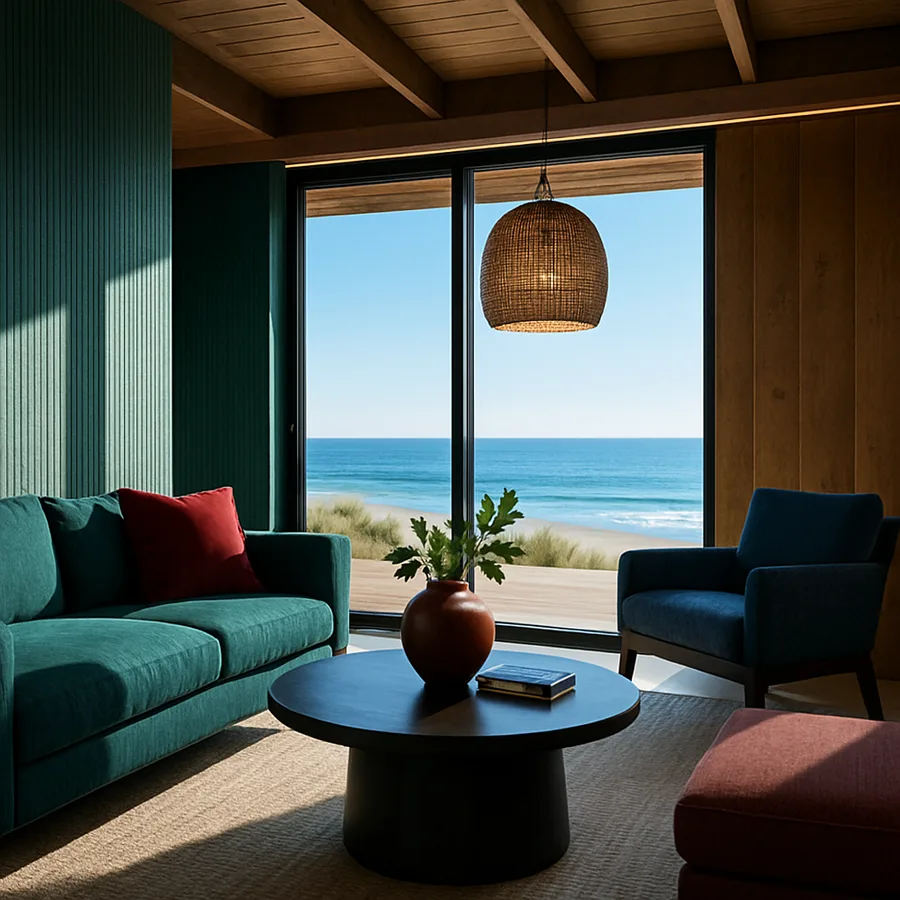
When deciding between biophilic design and a focus on sustainable materials, it's essential to weigh the pros and cons of each approach. Biophilic design offers the advantage of creating a strong connection with nature, which can enhance mental well-being and reduce stress. However, it may require a higher initial investment, particularly if you're incorporating features like living walls or high-performance windows.
On the other hand, prioritizing sustainable and durable materials can lead to long-term cost savings due to reduced maintenance and increased energy efficiency. This approach may be more practical for those with budget constraints, as it focuses on essential elements that enhance the home's resilience against coastal conditions. The key is to find a balance between aesthetics and practicality, ensuring that your design choices align with your lifestyle and financial goals.
Ultimately, the decision will depend on your personal preferences and the specific needs of your beach house. Consider how each option aligns with your vision for coastal living and how it can enhance your daily experience. By understanding the benefits and limitations of each approach, you can make informed decisions that will contribute to a successful and satisfying design outcome.
Implementation Guide
Embarking on a beach house design project requires careful planning and execution to ensure a successful outcome. Start by consulting with a certified interior designer who holds credentials such as the NCIDQ certification. These professionals have the expertise to navigate the unique challenges of coastal design and can provide valuable insights tailored to your specific needs.
Next, create a comprehensive design plan that outlines your goals, budget, and timeline. This plan should include detailed specifications for materials, finishes, and furnishings, as well as a project schedule that accounts for potential delays due to weather or supply chain issues. Regularly review and adjust your plan as needed to stay on track and ensure that all aspects of the project are aligned with your vision.
Finally, focus on sourcing high-quality materials and furnishings that align with your design goals. Leverage platforms like Houzz to explore designer portfolios and gather inspiration. Consider visiting local showrooms to see materials and products firsthand, ensuring that they meet your standards for quality and durability. By following these steps, you can confidently execute your beach house design project and create a stunning coastal retreat that you'll love for years to come.
Conclusion
Designing a beach house that embraces coastal living requires a thoughtful approach that balances aesthetics, functionality, and sustainability. Whether you choose to focus on biophilic design, prioritize sustainable materials, or find a blend of both, each decision should reflect your vision for a serene and inviting coastal retreat. As you embark on this design journey, remember that the ultimate goal is to create a space that enhances your quality of life and provides a lasting connection to the natural beauty of the coast.
Begin by researching and gathering inspiration, then consult with a certified interior designer to refine your ideas and develop a comprehensive plan. Start by browsing portfolios on Houzz this week - even 20 minutes of research will sharpen your eye for what you want. With careful planning and execution, you can transform your beach house into a haven of coastal living that you'll cherish for years to come.
More Articles You May Like



Comments
Post a Comment