Transforming Workspaces: Innovative Corporate Office Interior Design Trends for 2024
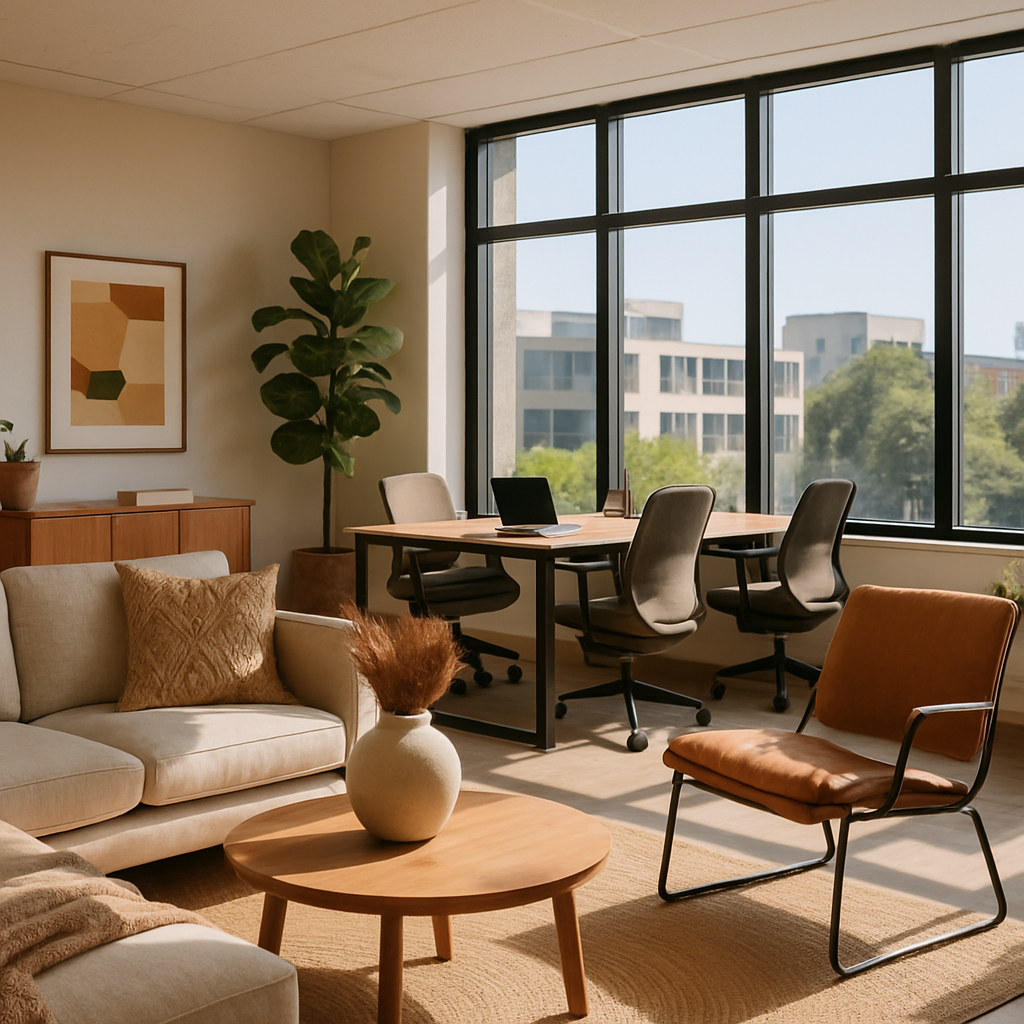
Imagine walking into an office that feels more like a chic, boutique hotel than a traditional workspace. According to a recent survey by the American Society of Interior Designers (ASID), 70% of companies are prioritizing innovative office designs to boost employee productivity and satisfaction. This shift reflects a growing understanding of how environment impacts work performance. In 2024, corporate office interior design is set to revolutionize how we think about workspaces, blending functionality with aesthetic appeal. This article explores the foundational concepts driving these changes, dives into key trends with supporting data, and offers actionable strategies for transforming your office into a dynamic and motivating environment.
Understanding the Foundation of Modern Office Design
The office design landscape is evolving, driven by the need for spaces that support a variety of activities and work styles. At the core of modern office design is the concept of flexibility. This means creating spaces that can easily adapt to different functions, whether it's a formal meeting or a casual brainstorming session. The rise of activity-based working (ABW) environments emphasizes the importance of flexibility, allowing employees to choose spaces that best suit their tasks at hand. This approach not only enhances productivity but also improves overall workplace morale.
Another foundational concept is the integration of technology. With the increasing prevalence of digital tools, modern offices are incorporating advanced technology seamlessly into their designs. From smart lighting systems to automated climate controls, technology is used to create more responsive and efficient work environments. For instance, many companies are now using AR/VR tools to visualize office layouts before implementation, ensuring a design that meets their needs.
Finally, the rise of biophilic design is reshaping our understanding of what an office can be. This design philosophy focuses on incorporating natural elements such as plants, natural light, and outdoor views into the workspace. Studies have shown that biophilic design can reduce stress, enhance creativity, and improve overall well-being. It's not just about aesthetics; it's about creating a workspace that supports mental health and productivity.
Analyzing Key Trends with Data
One of the most significant trends in corporate office design for 2024 is the move towards sustainable materials. According to a report by the International Interior Design Association (IIDA), 60% of companies plan to incorporate sustainable practices into their office designs. This includes using materials like reclaimed wood, recycled metal, and low-VOC (volatile organic compound) paints. Such choices not only reduce the environmental impact but also create healthier spaces for employees.
Another important trend is the focus on quiet luxury and understated elegance. This design philosophy emphasizes simplicity and quality over ostentation. It's about creating spaces that exude calmness and sophistication. Companies are investing in high-quality, durable materials that convey a sense of permanence and stability. This trend aligns with the growing desire for workspaces that are not just functional but also comforting and inspiring.
Furthermore, the integration of smart home technology into the office setting is gaining traction. Features like automated window treatments, voice-activated lighting, and personalized climate control are becoming standard in modern office designs. According to industry surveys, offices with integrated smart technologies see a 20% increase in employee satisfaction. These advancements provide employees with greater control over their environment, allowing them to tailor it to their personal comfort.
Actionable Strategies for Office Transformation
Transforming a corporate office into a modern workspace requires strategic planning and execution. Start by conducting a space audit to assess how your current office is utilized. Identify areas that are underused or could be repurposed to better serve your employees' needs. This might involve reconfiguring seating arrangements to foster collaboration or creating designated quiet zones for focused work.
Next, consider the implementation of flexible workstations. These are not just trendy but practical, allowing employees to move between different settings based on their tasks. Invest in modular furniture that can be easily rearranged to accommodate various activities. This flexibility promotes a dynamic work environment that can quickly adapt to changing needs, reducing downtime and boosting productivity.
Finally, enhance your office design with personalized touches that reflect your company's culture. This could be through art installations, color schemes, or branded elements that reinforce your corporate identity. Personalization helps create a sense of ownership and pride among employees, fostering a more engaged and motivated workforce. Remember, the goal is to design an office that not only looks good but also feels good to work in.
Expert-Level Insights for Effective Implementation
Experienced professionals often note that successful office redesigns begin with a clear understanding of the company's core values and objectives. Before diving into the design process, engage with stakeholders to outline what you hope to achieve. Are you looking to improve collaboration, boost creativity, or enhance employee well-being? Defining these goals will guide your design decisions.
Another key insight is the importance of employee involvement. Involving employees in the design process can provide valuable insights into their needs and preferences. Surveys and workshops can be effective tools for gathering feedback and ensuring that the final design meets the needs of those who will use it daily. This collaborative approach not only results in a more functional workplace but also increases employee buy-in and satisfaction.
Lastly, consider the role of certified interior designers in your office transformation. Professionals with credentials such as NCIDQ (National Council for Interior Design Qualification) have the expertise to navigate the complexities of office design, from concept development to implementation. Their knowledge of the latest trends and technologies can help you create a workspace that is both innovative and compliant with industry standards.
Additional Depth on Emerging Trends
As we look towards 2024, one emerging trend in office design is the incorporation of Japandi style-a blend of Japanese minimalism and Scandinavian warmth. This design approach focuses on simplicity, function, and a connection to nature, creating serene and uncluttered spaces. Offices adopting Japandi design often feature neutral color palettes, natural materials, and clean lines, promoting a calm and focused work environment.
Another trend gaining momentum is the use of virtual reality (VR) tools for design visualization. These tools allow companies to immerse themselves in a virtual model of their office before any physical changes are made. This technology facilitates better planning and decision-making, ensuring that the final design aligns with the company's vision and requirements.
Finally, the concept of wellness-focused design is becoming increasingly popular. This involves creating spaces that support physical and mental health, such as incorporating ergonomic furniture, providing ample natural light, and ensuring good air quality. According to Houzz survey data, companies that prioritize wellness in their office design report higher levels of employee retention and satisfaction.
Final Perspectives on Office Design Transformation
In conclusion, the transformation of corporate office spaces in 2024 is not just about aesthetics; it's about creating environments that enhance productivity, creativity, and well-being. By embracing trends such as sustainable materials, smart technology, and flexible design, companies can create workspaces that are both innovative and functional.
As you embark on your office transformation journey, remember the importance of aligning your design with your company's values and goals. Involve your employees in the process and consider consulting with certified interior designers to ensure a successful outcome. By doing so, you'll create a workspace that not only meets the demands of today's workforce but also sets the stage for future growth and innovation.
Conclusion
Transforming your corporate office into a modern, innovative workspace is an investment in your company's future. To get started, assess your current space and identify areas for improvement. Engage with your employees to gather insights and consider working with professional interior designers to bring your vision to life. Start by browsing designer portfolios on platforms like Houzz this week-even 20 minutes of research will sharpen your eye for what you want. Take the first step today and create an office environment that inspires and supports your team.



Comments
Post a Comment