Transform Your Space: Innovative House Interior Design Trends to Embrace
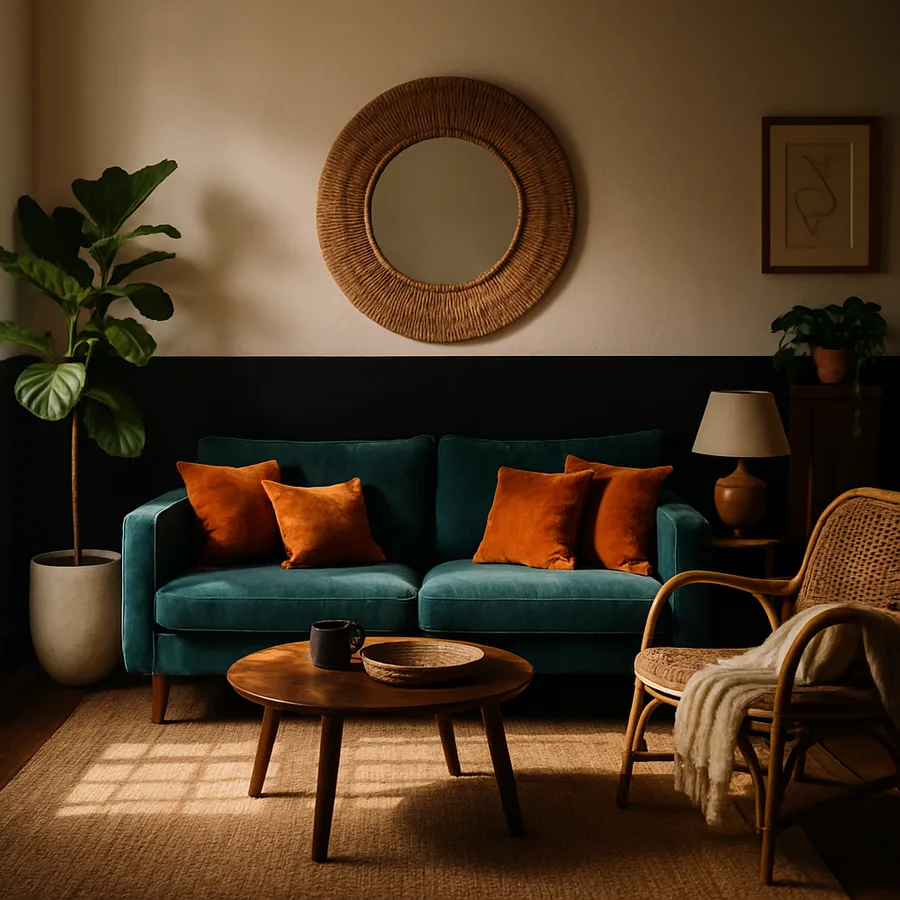
Your house tells a story every time someone walks through the front door, and the interior design choices you make determine whether that story feels coherent, compelling, and uniquely yours. The trends currently reshaping house interiors reflect a collective rethinking of what domestic spaces should prioritize. Comfort, sustainability, personal expression, and flexibility have overtaken the pursuit of visual perfection that dominated design media for years. The homes that feel most alive right now are those that balance aesthetic ambition with practical warmth, creating environments that look as good as they feel to live in day after day.
The residential design market in the United States reached approximately $22.9 billion according to IBISWorld industry research, a figure that underscores just how seriously homeowners take the design of their living environments. Yet the most impactful transformations often come not from massive budgets but from smart application of current ideas and techniques. A single well-chosen paint color can redefine a room. A strategic furniture rearrangement can unlock functionality that was always latent in the space. Understanding which trends have genuine staying power helps you invest your time and resources where they will deliver the greatest return in daily satisfaction.
This guide examines six house interior design trends that deserve your attention, not because they are fashionable but because they address real needs and desires that homeowners consistently express. Each section provides the conceptual background you need to understand why the trend matters alongside practical guidance for implementation. Are you ready to look at your home with fresh eyes and see possibilities where you previously saw only familiar rooms?
Color Drenching: Committing to Full Saturation
Color drenching, the practice of painting walls, trim, ceiling, and sometimes even doors and built-in furniture in a single color, has become one of the most talked-about techniques in residential design. Unlike an accent wall, which creates contrast by highlighting one surface, color drenching creates immersion. The effect is both dramatic and surprisingly calming, as the eye has nothing to compete with and the room takes on a unified, enveloping character. Designers at firms like Studio McGee and Amber Lewis Design have championed this approach, demonstrating its effectiveness across everything from powder rooms to primary bedrooms.
The psychology behind color drenching draws on principles that the American Society of Interior Designers has long recognized: when a room is wrapped in a single hue, the color becomes the environment rather than a decorative element within it. Deep greens create rooms that feel like forest clearings. Warm terracottas produce spaces with the earthy intimacy of Mediterranean architecture. Even pale colors gain a new dimension when applied to every surface, as subtle variations in how light hits walls, ceiling, and trim create a richly modulated monochrome that flat white rooms cannot achieve.
Executing color drenching successfully requires attention to finish. Using the same color in different sheens, perhaps matte on walls, satin on trim, and semi-gloss on the ceiling, preserves the monochrome effect while introducing subtle textural variation that keeps surfaces from looking flat and undifferentiated. Furnishings and accessories can either complement the room's dominant hue with tonal variations or provide deliberate contrast through a carefully limited accent palette. A deep blue room with brass hardware, natural wood tones, and crisp white bedding, for example, achieves richness without visual chaos.
If committing an entire room to a single color feels daunting, start with a smaller space. Powder rooms, mudrooms, and closets are ideal testing grounds because their compact scale makes the color-drenching effect immediately powerful, and the investment in paint is minimal. Living with a color-drenched small space for a few weeks gives you the confidence and practical experience to decide whether you want to scale the technique to larger rooms. Many homeowners who try it in a single small room find themselves so captivated by the result that they quickly expand the approach throughout their house.
Sustainable and Reclaimed Materials
Sustainability in interior design has progressed far beyond a marketing buzzword into a genuine design philosophy that influences material selection, manufacturing processes, and product lifecycle considerations. Homeowners are increasingly seeking furnishings and finishes made from reclaimed wood, recycled metals, and responsibly sourced natural fibers. This shift is driven not only by environmental awareness but by an aesthetic preference for materials that carry history, character, and visible evidence of their origins. A dining table made from reclaimed barn wood offers warmth and narrative that no newly manufactured piece can match, regardless of price.
The U.S. Green Building Council, through its LEED certification program, has established frameworks that designers and homeowners can reference when evaluating the environmental impact of interior materials. Certifications like Forest Stewardship Council (FSC) for wood products and GREENGUARD for low-emission furnishings provide reliable guidance for consumers navigating a marketplace where sustainability claims are not always substantiated. Choosing materials with credible third-party certifications ensures that your design choices deliver genuine environmental benefits rather than merely appealing to green aesthetics.
Reclaimed and salvaged materials offer design opportunities that new materials cannot. Architectural salvage yards are treasure troves of vintage doors, hardware, mantels, tiles, and lighting fixtures that add character and craftsmanship to contemporary interiors. A pair of reclaimed doors repurposed as a dining table base, a set of vintage brass drawer pulls on new cabinetry, or antique floor tiles laid as a kitchen backsplash, these elements create points of distinction that set your home apart from any showroom or catalog aesthetic. The imperfections inherent in salvaged materials, old nail holes, patina, weathering, contribute to a sense of authenticity that homeowners find increasingly valuable.
Beyond individual material choices, sustainable design also considers durability and longevity. Investing in well-constructed furniture that will last decades is inherently more sustainable than repeatedly purchasing inexpensive pieces destined for landfill within a few years. The International Interior Design Association advocates for a lifecycle approach to interior design, encouraging designers and consumers to consider not just the initial environmental cost of materials but their durability, repairability, and eventual disposition. A solidly built hardwood dresser that serves three generations is vastly more sustainable than three particle-board alternatives that each last five years.
The Return of Maximalist Personality
After years of minimalist dominance, maximalism is making a confident return, not as the cluttered excess of previous eras but as a sophisticated celebration of personality, collection, and visual abundance. Contemporary maximalism is intentional rather than accidental, layering patterns, colors, textures, and objects according to a governing logic that creates richness without chaos. The key distinction is curation: a maximalist room succeeds when every element has been chosen with purpose, and fails when items accumulate without thought or editing.
Pattern mixing is a hallmark of this trend, and mastering it requires understanding scale and color relationships. Combining a large-scale floral with a medium-scale geometric and a small-scale stripe works because the different scales create visual hierarchy rather than competition. Connecting the patterns through shared colors, even loosely, provides the thread of coherence that prevents the combination from feeling random. Designers recommend limiting your pattern palette to three or four coordinated prints within a single space, applied across different elements like upholstery, pillows, curtains, and rugs to distribute the visual energy evenly throughout the room.
Gallery walls exemplify maximalist design principles at their best. A well-composed gallery wall can incorporate dozens of framed pieces including artwork, photographs, mirrors, and dimensional objects into a single cohesive installation that commands attention and invites extended viewing. The composition should feel collected over time rather than purchased as a set, mixing frame styles, mat colors, and artwork types to create the visual variety that makes gallery walls compelling. Laying out your arrangement on the floor before committing to nail holes allows you to experiment with placement and achieve a balanced composition that reads as both abundant and intentional.
Maximalism also embraces the visible display of collections and personal objects that minimalism urged us to hide away. Bookshelves filled with actual books and meaningful objects, rather than styled with color-coordinated spines and decorative accessories, reflect genuine interests and intellectual life. Travel souvenirs, family heirlooms, and flea market finds displayed with confidence tell your story in ways that curated, catalog-derived decor simply cannot. The most engaging maximalist interiors feel like portraits of the people who live in them, layered with the accumulated evidence of a life fully lived. How would your home look if you stopped hiding the things that genuinely matter to you?
Warm Metals and Mixed Finishes
The era of choosing a single metal finish and applying it uniformly throughout a room has given way to a more relaxed, layered approach. Designers now routinely mix brass, bronze, copper, matte black, and brushed nickel within single spaces, creating depth and visual interest that monochromatic metal schemes cannot achieve. Warm metals, particularly unlacquered brass and aged bronze, have emerged as favorites for their ability to develop rich patina over time, becoming more beautiful with use rather than less. This living quality aligns with the broader trend toward materials that age gracefully and tell a story through their surface changes.
Kitchen and bathroom hardware are the most accessible places to experiment with mixed metals. Brass cabinet pulls paired with a matte black faucet and a polished nickel light fixture create a layered metallic palette that feels collected and sophisticated. The unifying factor is typically the warm or cool undertone of the metals selected. Mixing warm metals like brass, copper, and gold together, or cool metals like chrome, polished nickel, and silver together, maintains coherence while providing variety. Crossing between warm and cool metals works too, particularly when one temperature dominates and the other appears as a deliberate accent.
Light fixtures represent one of the most impactful opportunities to introduce warm metals into a space. A sculptural brass chandelier over a dining table or a pair of aged bronze sconces flanking a bathroom mirror can transform the entire character of the room. The National Association of Home Builders (NAHB) surveys consistently show that updated lighting fixtures rank among the most cost-effective design improvements homeowners can make, delivering significant visual impact relative to their investment. Choosing fixtures with warm metal finishes amplifies this impact by introducing both new light quality and rich material presence.
Beyond hardware and lighting, warm metals appear in furniture frames, mirror surrounds, decorative objects, and architectural details. A brass-framed coffee table, a copper planter, or an aged bronze umbrella stand near the entryway adds metallic warmth at an accessible scale. The trend extends to wall finishes as well, with metallic paints and leaf-applied accents creating shimmering surfaces that catch and redistribute light beautifully. As with any material trend, the key is integration rather than accumulation, using metals as one layer within a rich material palette rather than as the dominant material in the room.
Indoor-Outdoor Flow and Threshold Design
The boundary between indoor and outdoor living spaces continues to blur as homeowners seek to maximize both their living area and their connection to nature. Sliding glass walls, covered outdoor living rooms, and transitional spaces like screened porches and conservatories create a spectrum of indoor-outdoor experiences that extend the functional footprint of the home without adding enclosed square footage. This trend is particularly powerful in moderate climates but is being adapted for colder regions through creative solutions like heated covered terraces, insulated sunrooms, and strategically placed windows that bring the outdoors in visually even when physical access is seasonally limited.
Threshold design, the intentional treatment of the transition point between indoors and outdoors, has become a specialty within residential design. Rather than treating doors and windows as mere openings, designers are crafting these transitions as experiential moments. Floor materials that flow continuously from interior to exterior create a visual connection that makes both spaces feel larger. Consistent planting themes visible from inside and outside reinforce the connection. Even the height relationship between interior floor level and outdoor grade affects how seamless or abrupt the transition feels, with level thresholds creating the most fluid connection.
Outdoor rooms that mirror indoor comfort and functionality represent the fullest expression of this trend. Weather-resistant upholstered furniture that matches interior quality standards, outdoor rugs that define seating zones, and permanent shade structures that extend usability through varying weather conditions create genuinely livable outdoor spaces rather than token patio setups. Houzz research indicates that outdoor living areas are among the top priorities for homeowners planning renovations, with many willing to invest as much per square foot in outdoor spaces as they would in interior rooms.
For homes where major structural modifications are not feasible, the indoor-outdoor connection can still be strengthened through window treatments, container gardening, and strategic furniture placement. Positioning a comfortable reading chair beside a large window with a garden view creates a connection to the outdoor environment from inside. Window boxes and container gardens visible from interior spaces bring seasonal color and natural movement into your daily visual experience. Even the simple act of opening windows regularly, allowing fresh air, birdsong, and the scent of rain to enter your home, strengthens the indoor-outdoor relationship in meaningful ways that require no construction at all.
Personalized Spaces Over Prescribed Aesthetics
Perhaps the most significant shift in house interior design is the movement away from adherence to named styles and toward genuinely personalized spaces that defy easy categorization. The Instagram-driven era of perfectly curated rooms that all looked remarkably similar is giving way to a more authentic approach where homeowners are encouraged to trust their own instincts, mix influences freely, and create environments that reflect their actual lives rather than an idealized image. This does not mean abandoning design principles or ignoring proportion, balance, and harmony but rather applying those principles in service of personal expression rather than stylistic conformity.
The practical path to personalization begins with honest self-assessment. What do you actually do in each room? What objects bring you genuine joy rather than just looking appropriate? Which rooms feel most like home, and what specific qualities create that feeling? These questions, more than any trend report or designer showcase, should drive your design decisions. A family that plays board games every evening needs a different living room configuration than one that primarily reads or watches films, and neither configuration is more correct than the other. Design that reflects reality rather than aspiration creates spaces that are used fully and loved deeply.
Mixing furniture and objects from different eras and sources is one of the most effective strategies for creating personalized interiors. A mid-century modern sideboard beneath a contemporary abstract painting, flanked by vintage table lamps sourced from different decades, creates a composition that could not have come from any single retailer or designer. This layered, collected approach takes longer to achieve than a single shopping trip but produces rooms with infinitely more character and personal significance. Each piece carries its own history, and together they tell the story of your evolving taste and life experiences.
Personalization also means rejecting the pressure to finish a room all at once. The most interesting homes are works in progress, spaces that evolve as their inhabitants discover new things, travel to new places, and develop new interests. Leaving room for future discoveries, both literally in terms of empty wall space or an unfilled corner and philosophically in terms of openness to change, keeps a home feeling alive and dynamic. Embrace the incomplete, the evolving, and the imperfect. Your home should be a living reflection of who you are, and you are still becoming.
Making These Trends Work for Your Home
The trends explored here are not a checklist to complete but a palette of ideas from which to draw selectively. The strongest interiors emerge when homeowners identify the trends that genuinely resonate with their values and lifestyle, then adapt those trends to their specific spaces, budgets, and needs. Color drenching a powder room might be your starting point this month, while a search for the perfect reclaimed wood dining table becomes next season's project. There is no urgency and no correct sequence. Good design unfolds at its own pace.
Budget constraints need not limit your engagement with these trends. Painting is one of the most affordable transformations available, and color drenching costs no more than conventional painting. Thrift stores, estate sales, and online marketplaces offer sustainable and characterful furnishings at fractions of retail prices. Rearranging existing furniture to improve flow or create better indoor-outdoor connections costs nothing at all. The most important investment is not financial but attentional, taking the time to observe how you actually use your spaces and making changes that serve your real life.
The overarching message across all of these trends is clear: your home should serve you, not the other way around. Design rules exist to guide, not to constrain. Trends provide inspiration, not mandates. The most successful house interior designs are those where the inhabitants feel genuinely comfortable, where daily routines are supported rather than hindered, and where the spaces reflect the authentic personalities of the people who live in them. Trust your instincts, invest in quality where it matters most, and allow your home to grow and change alongside you.
Begin this week by identifying the one room in your house that frustrates you most and applying a single idea from this article to address that frustration. Whether it is a bold new paint color, a rearrangement that improves flow, or the introduction of a meaningful handmade object, that first intentional step will shift your relationship with the space and open the door to further transformation.
More Articles You May Like



Comments
Post a Comment