Elevate Your Interiors: Creative Design Ideas for Small Spaces
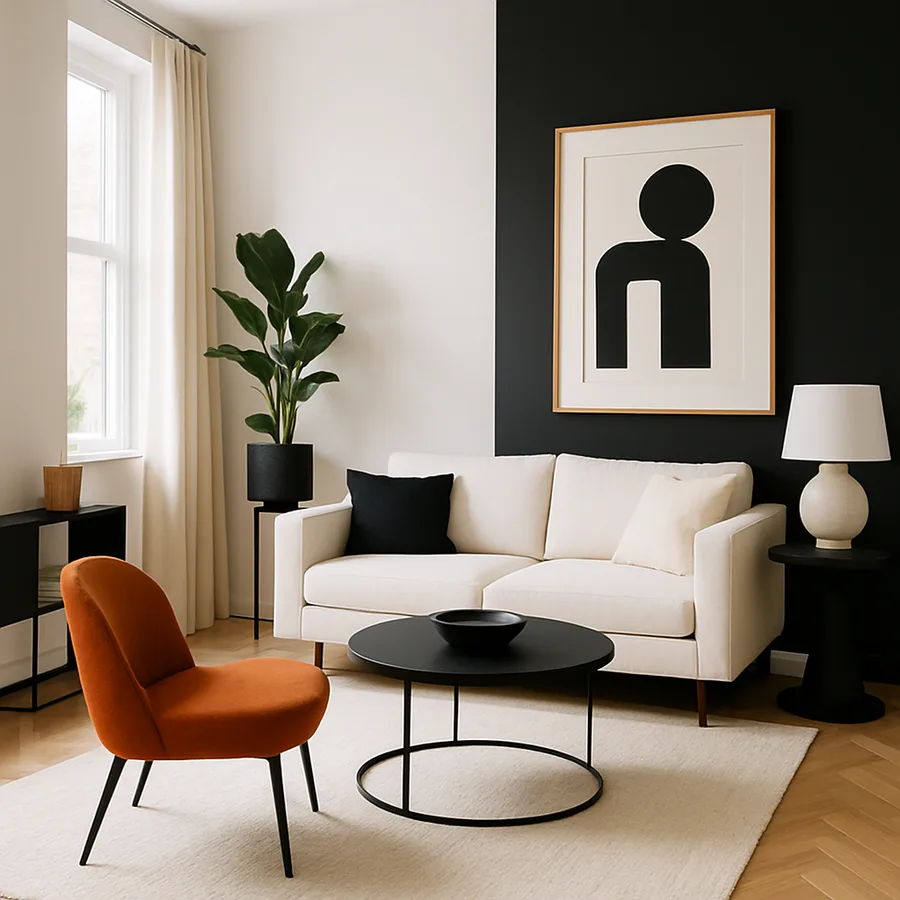
Have you ever walked into a small room and felt overwhelmed by the clutter or underwhelmed by the lack of style? Many homeowners face the challenge of maximizing small spaces without sacrificing aesthetics. According to a survey by Houzz, nearly 60% of homeowners plan to renovate to improve storage and functionality in their homes. This trend highlights a growing need for creative solutions in compact spaces. In this article, we will explore innovative design ideas that combine functionality and style, providing you with a roadmap to transform even the smallest of spaces into a personal sanctuary.
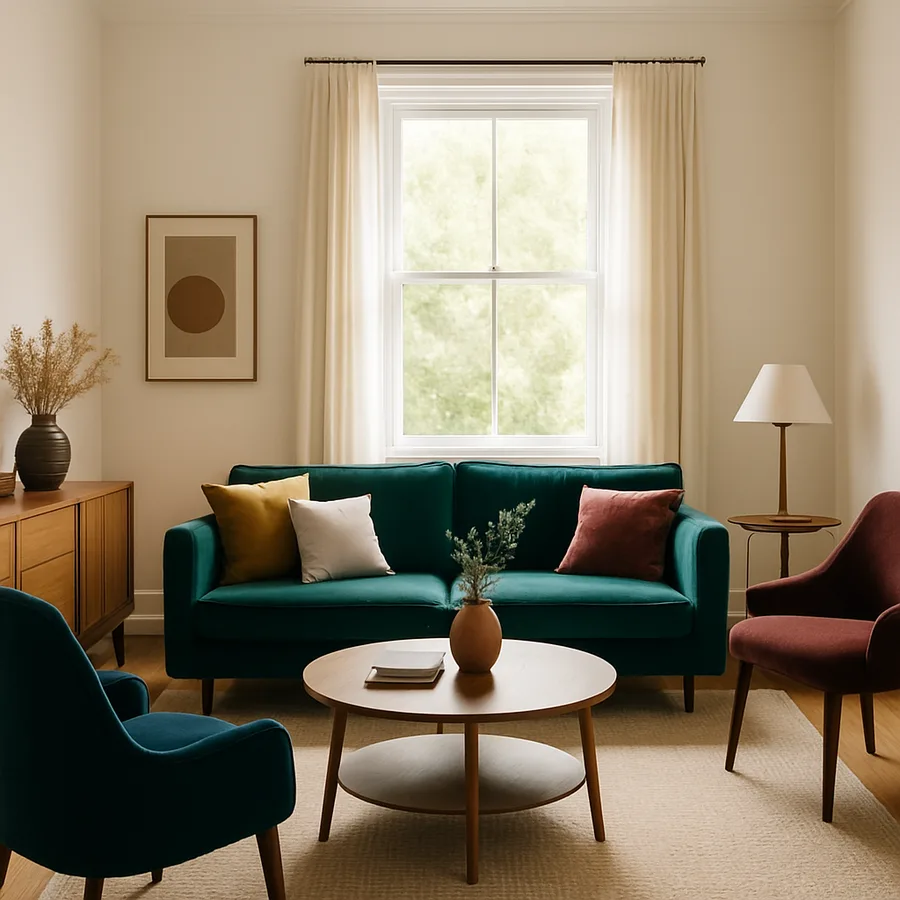
The Current Landscape
Today, the demand for creative design ideas for small spaces is more pronounced than ever. This is largely driven by urbanization, with more people living in apartments and smaller homes. According to the American Society of Interior Designers (ASID), urban dwellers are prioritizing multifunctional furniture and smart storage solutions to make the most of limited square footage. This shift is evident in the rise of compact furniture that can be easily transformed or stowed away.
Moreover, the trend of minimalism has gained traction, encouraging people to declutter and focus on essentials. The International Interior Design Association (IIDA) notes that simplicity in design leads to a more organized and stress-free living environment, essential in smaller spaces. This approach not only enhances functionality but also fosters a sense of calm and tranquility.
Biophilic design, which integrates natural elements into interiors, is another popular trend in small spaces. It emphasizes the use of natural materials and indoor plants to create a connection with nature, even in the heart of a bustling city. This design philosophy not only improves aesthetics but also boosts mental well-being, making it a popular choice for small homes.
Key Factors Driving Change
Several factors are driving the shift towards more innovative and efficient design solutions for small spaces. One major influence is the rising cost of urban living, pushing people to downsize without compromising on comfort or style. Additionally, the increasing awareness of sustainability has led to a preference for eco-friendly materials and practices in interior design.
Smart home technology is also reshaping how we approach small space design. The integration of devices that control lighting, climate, and security remotely allows for a seamless and efficient living experience. These technologies not only optimize space but also add a layer of luxury and convenience that was once reserved for larger homes.
Furthermore, the pandemic has fundamentally changed how we use our homes, with many people now working remotely. This has created a need for multipurpose spaces that can transition from a workspace to a living area with ease. Designers are increasingly creating flexible layouts that accommodate this new way of living, ensuring that every square foot is utilized effectively.
What the Research Shows
Research by Houzz indicates that homeowners are spending more on renovations that enhance functionality, with a 20% increase in projects focused on storage solutions. This data underscores the importance of efficient use of space in modern homes. Additionally, a survey by ASID found that well-designed interiors can boost a home's resale value by 5-15%, proving that investing in smart design pays off.
The demand for eco-friendly and sustainable materials is also on the rise. According to the National Kitchen and Bath Association (NKBA), 70% of homeowners prefer using recycled or sustainably sourced materials in their renovations. This shift towards sustainability is not only beneficial for the environment but also adds a unique character to small space designs.
Moreover, the use of technology in design, such as AR/VR visualization tools, is helping homeowners and designers alike to conceptualize spaces more effectively. These tools allow for virtual walkthroughs of potential designs, enabling more informed decisions and fewer costly mistakes. By leveraging technology, small spaces can be optimized to their fullest potential.
Practical Implications for You
So, how can you apply these insights to your own space? Start by assessing your current setup. Are there areas that feel cramped or underutilized? Mapping out how you use each room can help identify opportunities for improvement. Consider investing in multifunctional furniture, such as a sofa bed or a coffee table with built-in storage, to maximize your living area.
Incorporate vertical storage solutions to free up floor space. Wall-mounted shelves and overhead cabinets are excellent for keeping items organized without encroaching on your living area. Additionally, don't underestimate the power of mirrors; strategically placed, they can create the illusion of a larger, more open space.
Finally, embrace natural elements to enhance the ambiance of your space. Indoor plants not only purify the air but also add a touch of nature, making small spaces feel more welcoming. Choose plants that thrive indoors and require minimal maintenance, such as snake plants or pothos, to ensure they flourish without demanding too much attention.
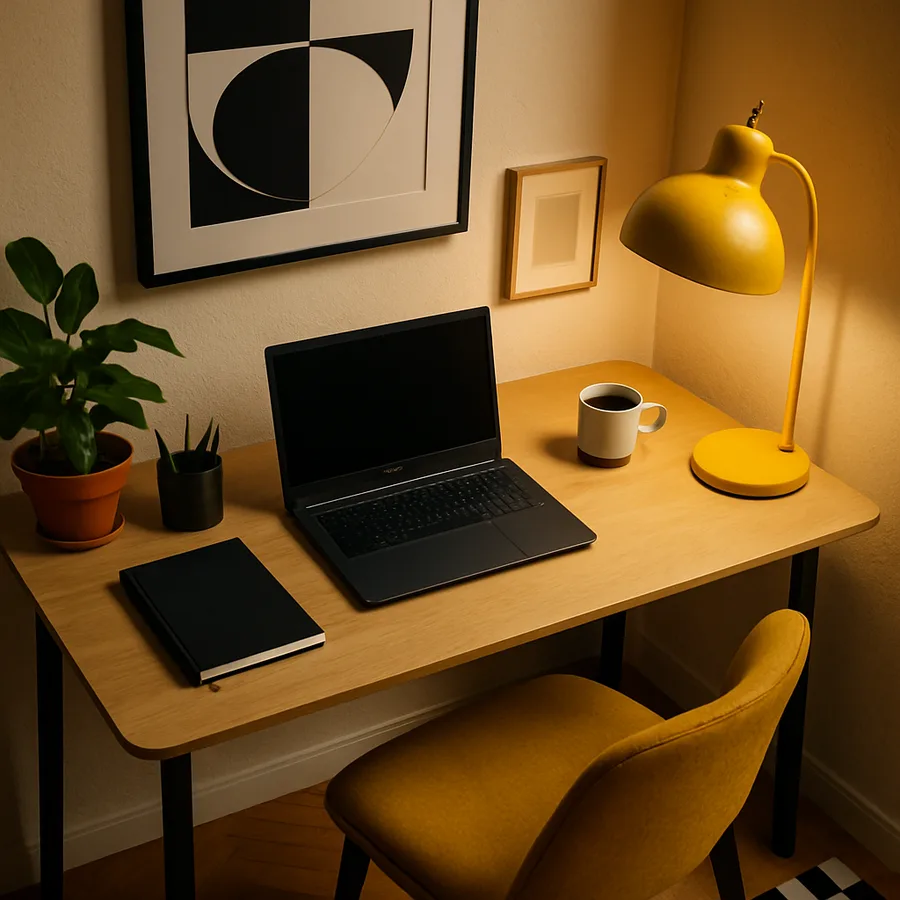
Expert Perspectives
Experienced professionals often note that the key to successful small space design lies in customization. Tailoring your space to your specific needs and lifestyle is crucial. According to design experts at Houzz, personalized built-ins and custom furniture pieces can make a significant difference in maximizing space efficiency.
Additionally, industry professionals emphasize the importance of lighting. Well-placed lighting can transform a small room, creating depth and enhancing the overall atmosphere. Layered lighting, which combines ambient, task, and accent lighting, is particularly effective in small spaces, providing both functionality and style.
Color selection is another area where expert advice can be invaluable. Designers often recommend using a neutral color palette to make spaces feel larger and more cohesive. However, don't shy away from bolder accents to add personality and interest. A well-chosen statement piece or a pop of color can make a small space memorable and unique.
Looking Ahead
As we look to the future, the trend towards innovative small space design shows no signs of slowing down. With urbanization continuing to rise, the demand for efficient and stylish solutions will only grow. The integration of technology and sustainability in design will likely become even more prevalent, offering new opportunities for creativity and personalization.
Designers are also likely to explore new materials and methods, pushing the boundaries of what is possible in small spaces. The use of smart materials that change properties based on environmental conditions, for example, could revolutionize how we think about space utilization.
Ultimately, the future of small space design is bright and full of potential. By staying informed about emerging trends and employing expert strategies, you can create a living space that is not only functional but also a reflection of your personal style.
Conclusion
Designing small spaces requires a careful balance of creativity, functionality, and style. By understanding the current trends and incorporating expert insights, you can transform your compact living area into a space that feels open and inviting. Remember to assess your needs, utilize multifunctional furniture, and embrace natural elements to enhance your interiors.
Ready to take the first step? Start by browsing designer portfolios on Houzz this week. Even 20 minutes of research will sharpen your eye for what you want. With the right approach, your small space can become a model of efficient and stylish living.
More Articles You May Like



Comments
Post a Comment