Maximizing Small Spaces: Creative Office Interior Design Ideas for Compact Work Environments
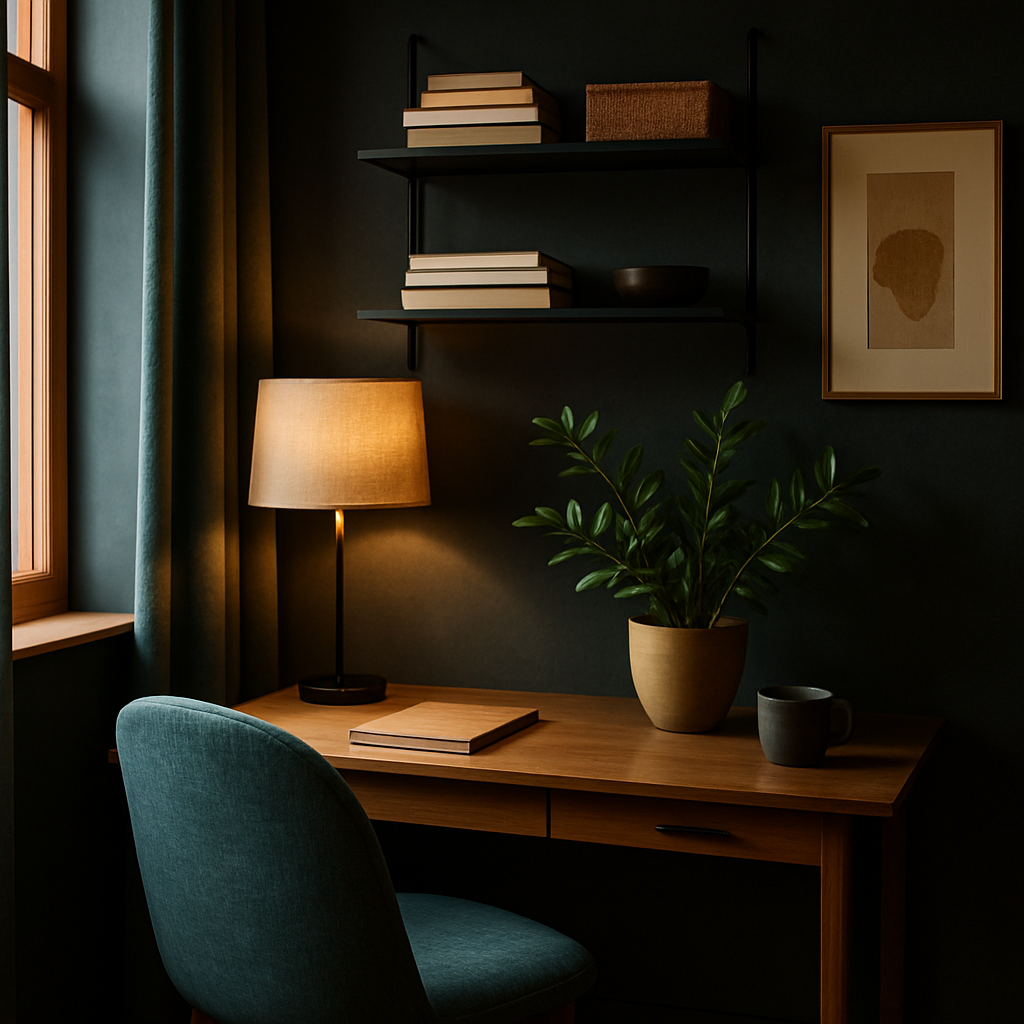
Imagine walking into an office where every inch of space is utilized to its fullest potential. It's not just a fantasy-it's a growing necessity. According to research by the International Facility Management Association (IFMA), businesses are increasingly shifting towards smaller office spaces, driven by rising real estate costs and the growing trend of remote work. Compact work environments require innovative solutions to ensure that functionality and aesthetics aren't compromised. This article will explore foundational concepts for designing small office spaces, analyze recent data and trends, provide actionable strategies, and delve into expert-level details to help you maximize your compact office environment.
Understanding the Basics of Small Space Design
When designing a compact office, the goal is to create a space that feels open and efficient despite its size. One foundational concept is the strategic use of vertical space. Think beyond the floor plan and consider how walls can be utilized for storage, display, and even as part of the workspace. For instance, shelves and wall-mounted desks can free up valuable floor space while providing necessary functionality.
Another critical aspect is choosing the right furniture. In small spaces, multi-functional pieces are a game-changer. Look for items like desks with built-in storage or foldable tables that can be tucked away when not in use. Experienced professionals often note that selecting furniture with clean lines and minimal bulk helps maintain a sense of openness and reduces visual clutter.
Lighting also plays a crucial role in small office design. Natural light is ideal, but when that's not sufficient, layered lighting solutions can make a significant difference. Combine ambient lighting with task and accent lighting to create a well-lit space that feels larger. As you consider these basics, ask yourself: How can you reimagine your vertical space and lighting to enhance your office?
Exploring Data and Trends in Compact Office Design
Recent trends highlight the increasing popularity of biophilic design and sustainable materials in small office interiors. According to the American Society of Interior Designers (ASID), incorporating elements like natural materials and greenery not only improves aesthetics but also boosts employee well-being and productivity. This is particularly important in compact environments where stress levels can rise due to spatial constraints.
Data from Houzz's annual survey indicates that over 70% of small office renovations now include smart technology integrations. From automated lighting systems to climate control, these innovations help optimize the functionality of limited spaces. Smart tech not only enhances efficiency but also contributes to a more comfortable and adaptable work environment.
The trend of quiet luxury, characterized by understated elegance, is also making waves. This approach focuses on quality materials and craftsmanship, offering a sophisticated yet minimalistic aesthetic. As you incorporate these trends, consider: What elements of biophilic design or smart technology could enhance your compact office?
Implementing Actionable Strategies for Small Office Spaces
To maximize your compact office, start by decluttering and organizing your space. Utilize Marie Kondo's method of keeping only items that "spark joy" or are essential to your work. This creates a more serene and efficient environment. Additionally, consider implementing a "one in, one out" policy for office supplies to maintain minimalism.
Another actionable strategy is to create zones within the office. Even in a small space, distinct areas for different activities-such as a dedicated workstation, a reading corner, and a meeting area-can enhance functionality. Use furniture or area rugs to delineate these zones without the need for physical barriers.
Finally, leverage digital tools to maintain organization. Platforms like Trello and Asana help streamline project management and reduce the need for physical paperwork. By digitizing documents and workflows, you can free up physical space and enhance productivity. How could these organizational strategies transform your small office environment?
Expert Insights on Navigating Compact Office Challenges
Experienced interior designers often emphasize the importance of flexibility in small office design. Spaces that adapt to different needs throughout the day can significantly enhance usability. Consider modular furniture that can be reconfigured as needed, such as desks that convert to standing workstations or chairs that stack away.
Another expert tip is to invest in quality over quantity. In a small space, each piece of furniture or decor should serve a purpose and contribute to the overall aesthetic. This often means selecting fewer items but ensuring they are of high quality and multifunctional.
Designers also recommend incorporating personal touches that reflect the company's brand or culture. This could be through color schemes, art pieces, or unique decor elements. These touches not only personalize the space but also make it more inviting for employees and visitors alike. As you consider these insights, think about how flexibility and personalization could play a role in your office design.
Deep Dive into Specialized Design Techniques
One specialized technique for maximizing small office spaces is the use of mirrors. By strategically placing mirrors opposite windows or light sources, you can create the illusion of a larger, brighter space. This optical trick is a favorite among designers for its simplicity and effectiveness.
Another approach is the integration of glass partitions. Instead of solid walls, glass can maintain an open feel while providing necessary separation for private meetings or focused work. This technique is especially popular in co-working spaces where privacy and openness need to coexist.
Additionally, consider the impact of color in your design. Lighter shades can make a space feel airy and expansive, while bold colors can add personality without overwhelming the senses. Experienced professionals often recommend a neutral palette with pops of color to balance calmness with interest. How might mirrors, glass, or color transform your compact office into a more dynamic space?
Final Thoughts on Compact Office Design
Maximizing small office spaces demands creativity and strategic planning. As trends evolve, staying informed about new design innovations and technologies is crucial. Engaging with platforms like Houzz for inspiration or consulting with certified professionals through the NCIDQ (National Council for Interior Design Qualification) can provide valuable guidance tailored to your needs.
Remember that the goal is to create a space that not only meets the functional needs of your business but also inspires and motivates those who work within it. By embracing the strategies and insights discussed, you can transform your compact office into an efficient and aesthetically pleasing environment. What steps will you take today to begin this transformation?
Conclusion
Designing a compact office space involves a careful balance of function, style, and innovation. By understanding foundational concepts, leveraging current trends, and applying expert strategies, you can create an office that maximizes every square foot. As you embark on this design journey, consider engaging with professional platforms like the ASID for further inspiration and guidance.
Start by browsing designer portfolios on Houzz this week-even just 20 minutes of research can sharpen your eye for what you want in your compact office. Remember, a well-designed space not only enhances productivity but also contributes to the overall success of your business. How will you redefine your work environment to better serve your goals?
More Articles You May Like



Comments
Post a Comment