Transform Your Space: Top 5 Interior Design Services for Every Budget
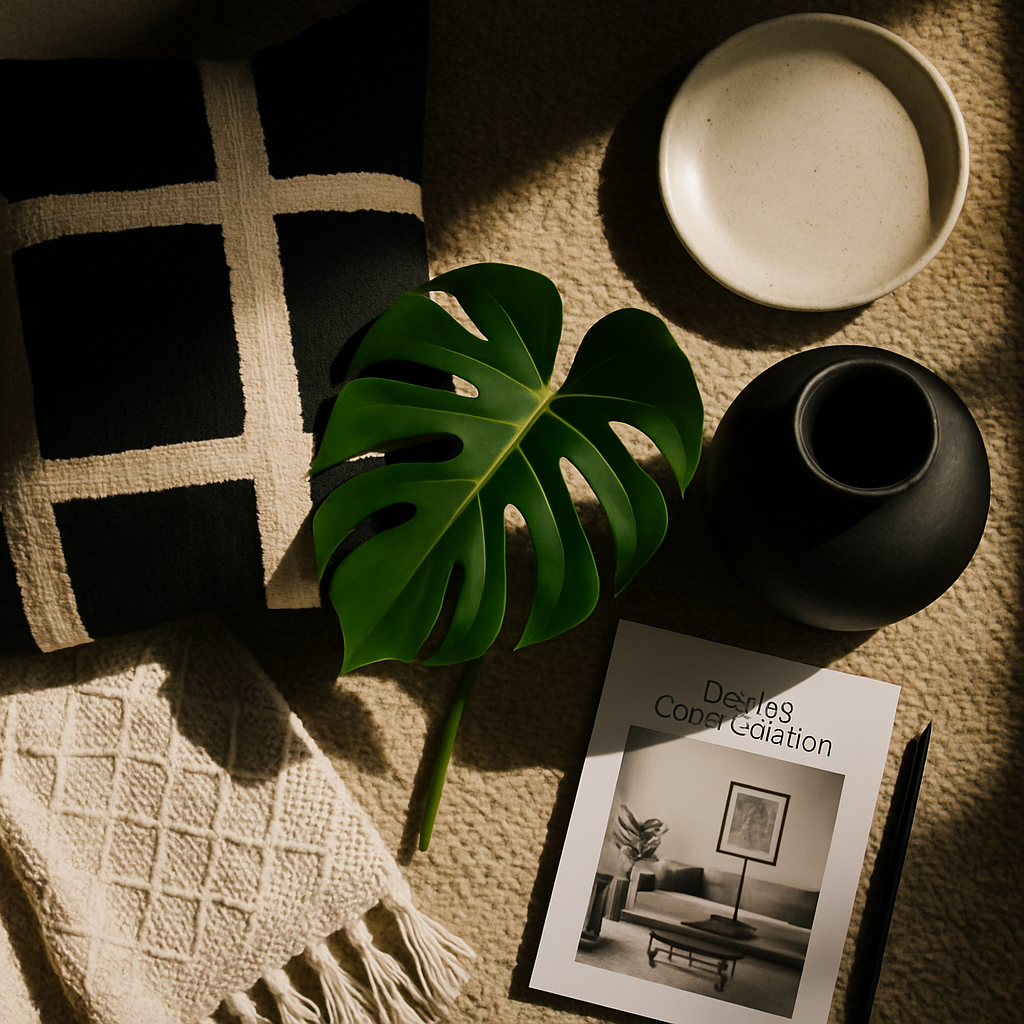
Have you ever walked into a room and felt an immediate sense of calm and beauty, only to look around your own home and feel overwhelmed by the chaos? According to a study by Houzz, nearly 73% of homeowners believe that a well-designed interior significantly impacts their mood and quality of life. If you're contemplating a makeover but are concerned about costs, don't fret. This article will explore the top five interior design services suitable for any budget, ensuring you can transform your space without breaking the bank. We'll delve into foundational concepts of design, analyze service options, provide actionable strategies, and offer expert-level insights to guide you on your design journey. Whether you're looking to refresh a single room or overhaul your entire home, read on to find the perfect design solution that fits your financial goals.
Understanding the Basics of Interior Design Services
Before diving into the various services available, it's crucial to understand what interior design services encompass. At its core, interior design involves enhancing the interior of a space to achieve a healthier and more aesthetically pleasing environment. This can range from simple consultations to complete design overhauls. Certified interior designers, often holding credentials like NCIDQ (National Council for Interior Design Qualification), have the expertise to manage complex design projects, ensuring both functionality and beauty.
The scope of interior design services varies widely, from basic decorating to comprehensive design and project management. For those just starting, a consultation might be the ideal stepping stone. During a consultation, typically priced between $150 to $500 per hour, designers offer professional advice on color schemes, furniture arrangement, and styling tips. This initial step helps clarify your vision and sets the stage for future design phases.
Another foundational service is e-design, which has gained popularity in recent years. E-design offers virtual design consultations and plans, providing a budget-friendly alternative to traditional services. With platforms like Houzz and Pinterest, you can easily access a plethora of design ideas and create mood boards to share with your designer. This service is not only cost-effective but also flexible, allowing you to implement ideas at your own pace. Understanding these basics will better prepare you to explore more comprehensive services in the following sections.
Analyzing Interior Design Services by Budget
When considering interior design services, it's essential to align your expectations with your budget. For a modest investment, typically ranging from $5,000 to $15,000, you can achieve a significant transformation of a single room. This budget level often includes a mix of consultation, design plans, and procurement of furniture and accessories. The key is to prioritize your needs and focus on high-impact areas that will deliver the most value.
For those with more substantial budgets, say $50,000 to $150,000, a full-home redesign becomes feasible. At this level, services extend beyond basic design to include concept development, design presentations, procurement, installation, and styling. A comprehensive approach allows for cohesive design throughout your home, ensuring each room complements the others. According to the ASID (American Society of Interior Designers), investing in quality design can increase a property's resale value by 5-15%, making it a wise financial decision.
For luxury design projects, budgets can exceed $150,000, offering the opportunity to work with top-tier designers and access exclusive resources. Projects at this level often incorporate cutting-edge trends like biophilic design and smart home integration. Regardless of your budget, understanding the scope and potential returns of your investment is crucial. As we proceed, we'll explore strategies to maximize your budget and achieve your design goals.
Maximizing Your Interior Design Budget
Are you wondering how to get the most out of your interior design budget? One effective strategy is to focus on high-impact areas. Kitchens and living rooms, for example, are spaces where families spend the most time, and updates here can significantly enhance both aesthetics and functionality. Consider allocating a larger portion of your budget to these areas for maximum impact.
Another approach is to invest in quality over quantity. Experienced professionals often note that purchasing fewer, high-quality pieces can create a more sophisticated and durable environment than filling a room with low-cost items. This strategy not only elevates the design but also reduces long-term costs associated with replacement and repairs. Platforms like Architectural Digest's AD PRO network offer insights into sourcing high-quality, timeless pieces.
Additionally, consider integrating sustainable and reclaimed materials into your design. Not only is this an environmentally responsible choice, but it also adds unique character to your space. With the growing trend of sustainable living, incorporating these materials can make your home more attractive to future buyers. As you plan your design project, these strategies will help you make informed decisions and achieve the best possible results.
Expert Insights into Interior Design Trends
Staying abreast of current design trends can provide inspiration and direction for your project. In 2026, key trends include biophilic design, which emphasizes natural materials and indoor-outdoor connectivity. This approach not only enhances aesthetics but also promotes wellbeing by bringing nature into your home. Consider incorporating elements like living walls or large windows to integrate this trend into your space.
Quiet luxury and understated elegance are also trending, characterized by subtle design elements and a focus on quality craftsmanship. This style rejects ostentation in favor of refined simplicity, often using a neutral color palette and minimalistic decor. Platforms like Instagram and Pinterest are excellent resources for finding inspiration in this style, showcasing how restraint can lead to sophisticated outcomes.
Finally, smart home integration continues to gain traction, with automated lighting, climate control, and window treatments becoming standard in modern designs. These technologies not only enhance convenience but also increase energy efficiency and security. As we transition to the next section, consider how these trends could be woven into your design plan, enhancing both form and function.
Additional Considerations for a Successful Design Project
While aesthetics play a critical role in interior design, functionality should not be overlooked. Start by mapping out how you actually use each room. Where do you drop your keys? Where do the kids do homework? Understanding these practical needs will inform your design choices, ensuring that your space is both beautiful and livable.
Another important factor is timeline management. Design projects can take anywhere from a few weeks to several months, depending on the scope. To keep your project on track, establish a clear timeline with your designer, outlining key milestones and deadlines. This will help manage expectations and ensure a smooth process.
Lastly, communication is key. Regularly update your designer on any changes in your preferences or budget. Open lines of communication prevent misunderstandings and ensure that the final result aligns with your vision. As we wrap up, these considerations will empower you to navigate your design journey with confidence and clarity.
Final Thoughts on Transforming Your Space
Transforming your space is more than just an aesthetic endeavor; it's about creating an environment that reflects your personality and enhances your quality of life. By exploring the various interior design services available, you can find options that fit your budget and meet your design aspirations. From basic consultations to complete home transformations, the possibilities are endless.
Remember to stay informed about industry trends and make decisions that align with your lifestyle needs. A well-designed home is not only a pleasure to live in but can also be a sound investment. As you embark on this journey, keep these insights in mind and approach your project with both creativity and practicality.
Start by browsing designer portfolios on platforms like Houzz this week. Even 20 minutes of research will sharpen your eye for what you want, setting the stage for a successful design transformation. Are you ready to transform your space into a sanctuary that truly feels like home?



Comments
Post a Comment