Discover the Latest Interior Design Trends for a Stylish Home
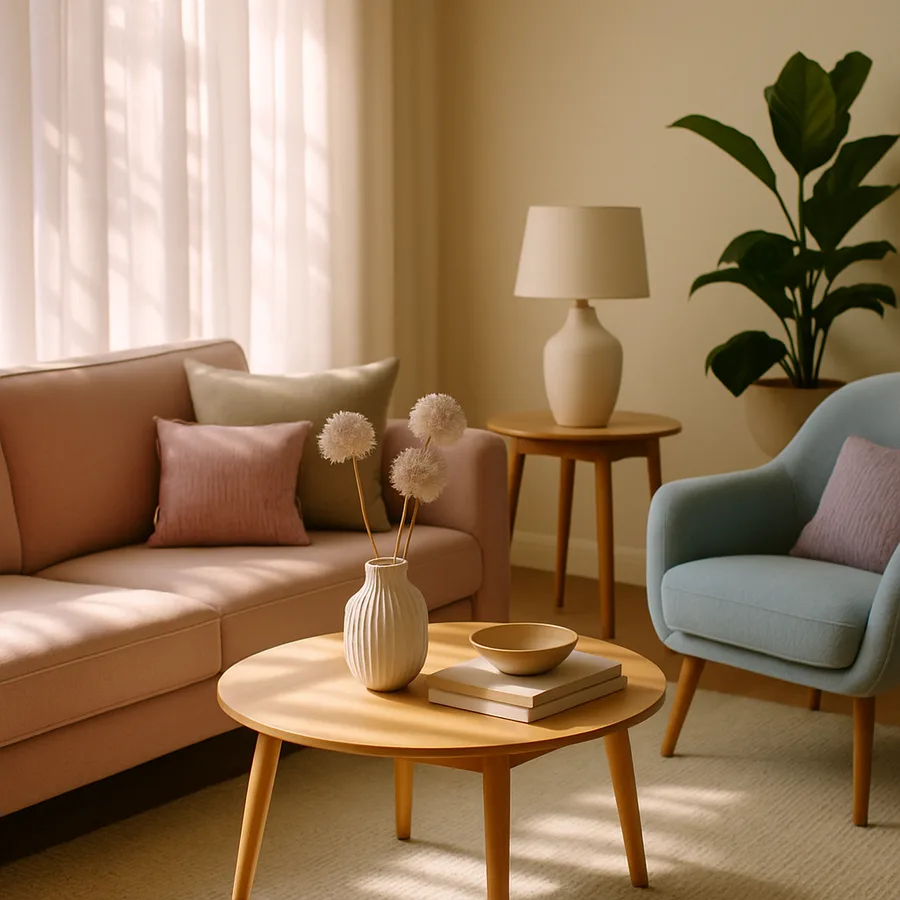
Have you ever walked into a room and felt like something was missing, even though you couldn't quite put your finger on it? Maybe it was the outdated furniture, the mismatched color palette, or the lack of cohesive design. According to a survey by the American Society of Interior Designers (ASID), a well-designed space can increase a home's value by 5-15%. This statistic underscores the importance of keeping up with the latest interior design trends, not only for aesthetic pleasure but also for financial benefit. This article will guide you through the most current trends in interior design, why they matter, and how you can implement them in your home.
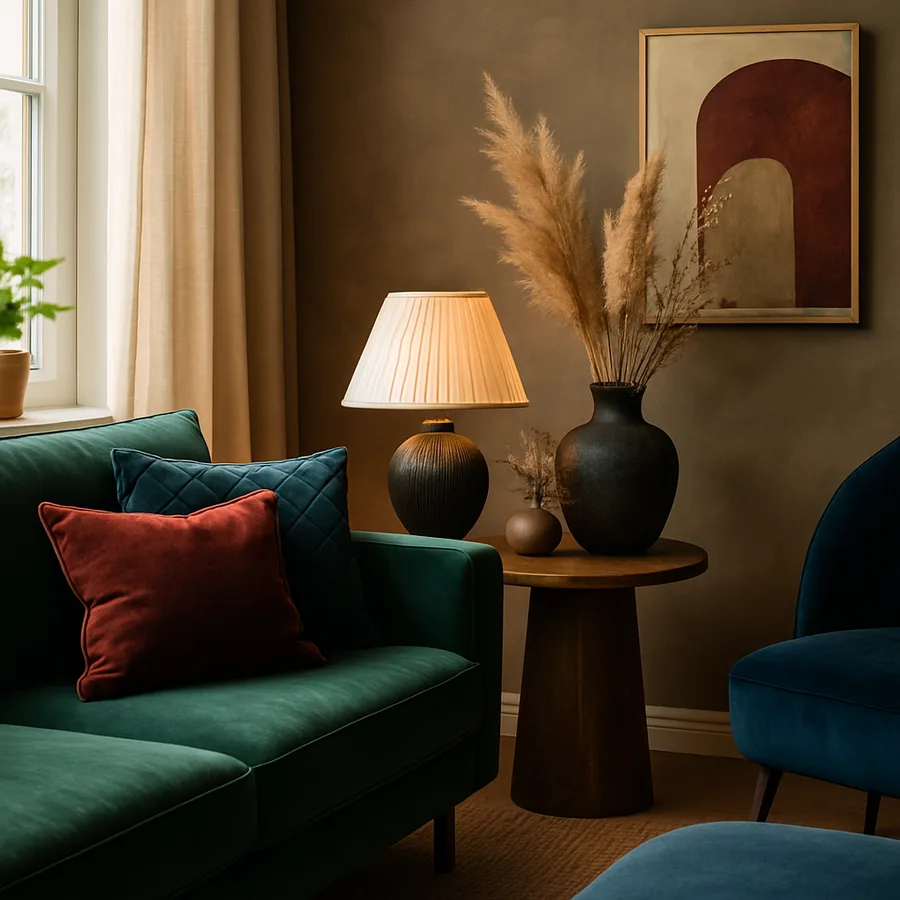
Why This Problem Matters
Understanding the importance of interior design trends is essential for homeowners who wish to maintain or increase their property's value. Poorly designed spaces can detract from the overall appeal of a home, making it harder to sell or rent. In a competitive real estate market, well-designed interiors can be the differentiating factor that attracts potential buyers or tenants. According to Houzz, homeowners who invest in trendy, well-executed designs often report higher satisfaction rates and quicker sales.
Trends in interior design also reflect broader cultural shifts. For instance, the increasing popularity of biophilic design - which incorporates natural materials and plants into interior spaces - highlights a growing societal emphasis on sustainability and wellness. This trend not only enhances a home's aesthetic but also promotes a healthier living environment. By staying informed about these trends, you can create a space that feels both contemporary and meaningful.
Moreover, keeping up with design trends can be a source of personal satisfaction and pride. A stylish home is not just about visual appeal; it's about creating an environment that reflects your personality and lifestyle. By investing in current trends, you're not just enhancing your home's value - you're also crafting a space that feels uniquely yours. How do you want your home to represent you?
Understanding the Root Causes
The driving forces behind interior design trends are multifaceted, often rooted in technological advancements and cultural changes. For example, the integration of smart home technology into design reflects our increasing reliance on digital solutions to enhance convenience and efficiency. Smart lighting, climate control, and automated window treatments are not just high-tech novelties; they represent a shift towards more intelligent living spaces that cater to modern needs.
Cultural influences also play a significant role in shaping design trends. The rise of "quiet luxury" and understated elegance reflects a broader cultural shift towards minimalism and quality over quantity. This trend is characterized by simple, sophisticated designs that emphasize craftsmanship and material quality. As people seek to declutter their lives, this design philosophy resonates with a desire for spaces that are both functional and beautiful.
Economic factors cannot be overlooked either. The increasing cost of living has made sustainability a priority for many homeowners. This has led to a rise in the use of sustainable and reclaimed materials, as people look for ways to reduce their environmental footprint while also saving money. By understanding these root causes, you can better appreciate why certain trends gain popularity and how they can be appropriately implemented in your home.
Solution #1: Embrace Biophilic Design
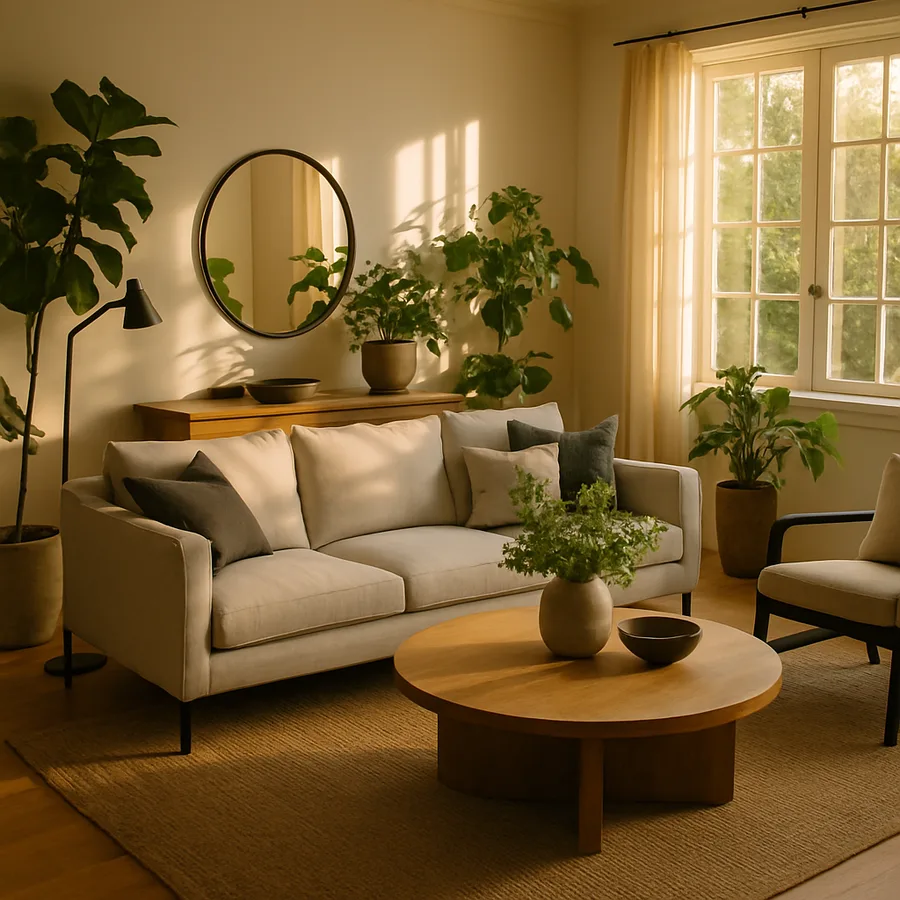
Biophilic design is one of the most talked-about trends in interior design today. It focuses on bringing the outdoors inside by incorporating natural elements like plants, wood, and stone. This approach not only enhances the aesthetic appeal of a space but also promotes mental well-being by creating a calming environment. According to research, exposure to nature can reduce stress and improve mood, making biophilic design a valuable addition to any home.
To implement biophilic design, start by introducing houseplants into your living spaces. Consider plants that are low-maintenance yet impactful, such as snake plants or fiddle leaf figs. Use natural materials like wooden furniture or stone countertops to create a tactile connection to nature. Additionally, maximize natural light by opting for sheer curtains or strategically placing mirrors to reflect daylight.
This trend is particularly beneficial for urban dwellers who may lack access to natural landscapes. By creating an indoor oasis, you can enjoy the restorative benefits of nature without leaving home. Does your current living space offer the tranquility you need to unwind, or could it benefit from a touch of nature?
Solution #2: Integrate Smart Home Technology
As technology becomes increasingly integrated into our daily lives, smart home features are revolutionizing interior design. From automated lighting systems to voice-controlled assistants, these innovations offer both convenience and energy efficiency. A survey by Houzz revealed that homeowners who integrated smart technology into their renovations reported higher satisfaction with their living spaces.
Start by identifying the areas in your home that could benefit from smart technology. For instance, consider smart lighting solutions that allow you to adjust the ambiance at the touch of a button or even via voice command. Smart thermostats can optimize energy use, reducing utility bills while maintaining comfort. Additionally, automated window treatments can enhance privacy and control natural light.
Smart home technology not only simplifies daily routines but also adds a layer of modern sophistication to your home. Experienced professionals often note that these features can significantly enhance a home's marketability. Are you leveraging technology to make your home smarter and more efficient?
Comparing Your Options
When deciding between biophilic design and smart home integration, it's essential to consider your specific needs and lifestyle. Biophilic design is ideal for those who value a connection to nature and seek a peaceful, rejuvenating environment. The costs can vary, with houseplants ranging from $10 to $200, depending on size and rarity, while natural materials like wood and stone can be more expensive.
On the other hand, smart home technology offers a modern, tech-savvy approach. Initial costs can be higher, with smart lighting systems starting around $200 and going up to $1,000, and smart thermostats ranging from $100 to $300. However, the long-term savings on energy bills can offset these expenses. It's also important to consider the level of comfort you have with technology and whether you're willing to invest time in learning new systems.
Both options have their merits, and the choice ultimately depends on your priorities. A balanced approach might involve integrating elements of both trends, creating a home that is both naturally inviting and technologically advanced. As you weigh your options, reflect on what aspects of your living environment you value most and how each solution aligns with those values.
Implementation Guide
To apply these interior design trends effectively, start with a clear plan. Begin by assessing your current space and identifying areas for improvement. Consider creating a mood board with images of biophilic elements and smart home features that inspire you. Platforms like Pinterest can be excellent resources for gathering ideas and visualizing your design goals.
Next, set a realistic budget that accounts for both immediate purchases and potential future upgrades. Prioritize your spending based on the areas that will have the most significant impact on your living experience. For instance, investing in a few key plants and a smart lighting system can transform your space without overwhelming your budget.
Finally, consider consulting with a certified interior designer. Professionals with credentials such as NCIDQ (National Council for Interior Design Qualification) can offer expert advice and ensure that your design choices align with current trends and practical needs. By following these steps, you'll be well on your way to creating a stylish and functional home that reflects the latest interior design trends.
Conclusion
Incorporating the latest interior design trends into your home can enhance both its aesthetic appeal and overall functionality. Whether you choose to embrace the tranquility of biophilic design or the efficiency of smart home technology, these trends offer solutions that cater to modern living. By understanding the roots and benefits of each trend, you can make informed decisions that align with your lifestyle and values. Start by browsing portfolios on Houzz this week - even 20 minutes of research will sharpen your eye for what you want. Are you ready to transform your space into a stylish home that truly reflects who you are?
More Articles You May Like



Comments
Post a Comment