10 Must-Try Home Interior Design Trends for a Stylish 2024
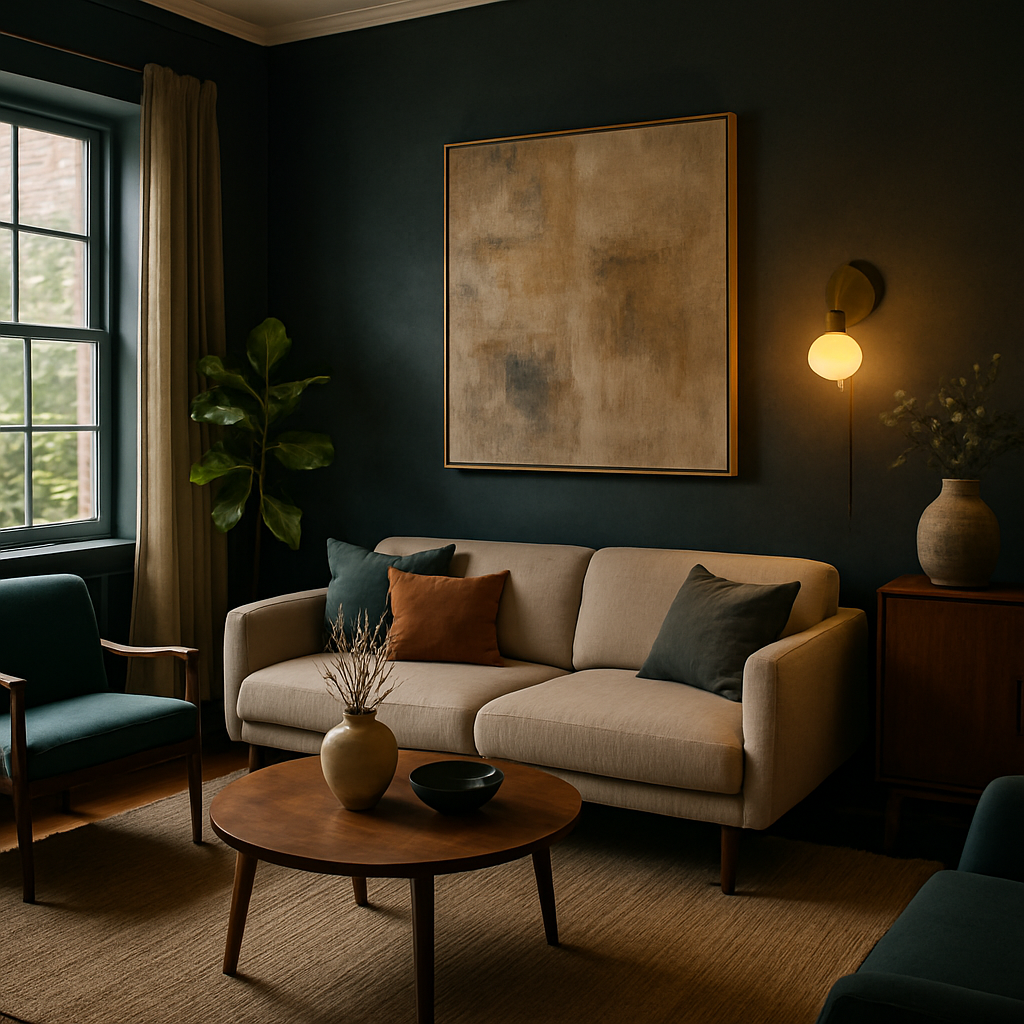
Have you ever stepped into a room that instantly made you feel at ease, yet inspired? That's the magic of well-executed interior design. As we navigate through trends that are reshaping living spaces, one can't ignore the powerful impact of incorporating the right designs. For those looking to refresh their homes, understanding the latest must-try home interior design trends is crucial. From the seamless integration of biophilic elements to the understated elegance of Japandi style, these trends are more than aesthetic choices; they are reflections of evolving lifestyles. In this article, we'll explore ten transformative trends that are both stylish and functional, offering insights into how you can incorporate them into your home.
Embracing Biophilic Design
Biophilic design is not just a buzzword; it's a movement towards bringing nature indoors. This trend emphasizes the use of natural materials and elements to create a harmonious living environment. According to the International Interior Design Association (IIDA), incorporating biophilic elements like living walls and indoor plants can significantly enhance the mood and well-being of inhabitants. Imagine walking into a room where a lush vertical garden greets you, offering a breath of fresh air both literally and metaphorically. The use of wood, stone, and water elements further accentuates this connection to nature, making spaces feel more serene and grounded.
One of the key aspects of biophilic design is natural light. Maximizing daylight through large windows and skylights not only reduces energy consumption but also helps regulate circadian rhythms, improving sleep and productivity. Are your rooms optimized for natural light, or could they benefit from a design overhaul? Consider how the strategic placement of mirrors can amplify sunlight, brightening even the darkest corners of your home.
The integration of outdoor and indoor spaces is another biophilic hallmark. This can be achieved through sliding glass doors or creating a seamless transition from a living room to a patio. By blurring these boundaries, you can enjoy the benefits of the outdoors without stepping outside. As you plan your next renovation, think about how biophilic design could transform your living environment into a sanctuary that nurtures both body and soul.
Quiet Luxury and Understated Elegance
In contrast to the bold and ostentatious designs of the past, the current trend leans towards quiet luxury, emphasizing quality over quantity. This trend is characterized by understated elegance, where every piece is carefully curated to exude sophistication. According to Houzz's annual survey, homeowners are increasingly investing in high-quality materials and craftsmanship that promise longevity and timeless appeal.
The concept of quiet luxury involves selecting furniture and decor that are both functional and aesthetically pleasing. Think of a plush velvet sofa that invites relaxation or a minimalist marble coffee table that doubles as an art piece. These elements are not just about visual appeal; they enhance the sensory experience of a room, making it a place of refuge from the outside world.
Color palettes in this trend typically include muted tones like soft grays, beiges, and creams, which provide a calming backdrop for everyday life. How do these colors make you feel when you enter a room? By choosing a palette that resonates with you emotionally, you can create a space that feels uniquely yours. Transitioning from bold to subtle, the quiet luxury trend invites you to find beauty in simplicity and elegance in the understated.
Smart Home Integration
As technology becomes more intertwined with daily life, smart home integration is no longer optional; it's essential. This trend focuses on the seamless incorporation of technology to enhance convenience and efficiency within the home. Automated lighting, climate control, and window treatments are just the beginning of what's possible with modern smart home systems. According to a report by the American Institute of Architects (AIA), smart home features are among the most sought-after upgrades by homeowners today.
Imagine controlling every aspect of your home environment with a simple voice command or a swipe on your smartphone. Smart lighting systems can adjust the ambiance based on time of day or activity, creating the perfect setting whether you're working from home or hosting a dinner party. What areas of your home could benefit from such high-tech enhancements?
Security and energy efficiency are also key aspects of smart home integration. Systems that monitor energy usage can help reduce utility bills by optimizing consumption patterns, while smart security systems offer peace of mind with features like remote monitoring and automated locking. As you consider integrating smart technology, remember that it's not just about gadgets; it's about creating a home that adapts to your lifestyle and anticipates your needs.
Sustainable and Reclaimed Materials
With growing awareness about environmental impact, sustainable and reclaimed materials are taking center stage in interior design. This trend emphasizes the use of eco-friendly resources to create beautiful, guilt-free living spaces. The American Society of Interior Designers (ASID) highlights that incorporating sustainable materials can significantly reduce a home's carbon footprint while adding unique character to its design.
Reclaimed wood, recycled glass, and salvaged metal are popular choices for those looking to incorporate sustainability into their homes. These materials not only reduce waste but also add a distinct charm and story to each piece. Have you considered how using reclaimed materials could enhance the narrative of your home's design?
Beyond materials, sustainability also involves making conscious choices about energy efficiency and resource conservation. For example, opting for energy-efficient appliances and LED lighting can drastically reduce energy consumption. By prioritizing sustainability, you are contributing to a healthier planet while creating a home that reflects your values. As we move forward, the demand for sustainable design is only expected to grow, making it a trend worth investing in.
Japandi: The Fusion of Minimalism and Warmth
Japandi style is the perfect marriage of Japanese minimalism and Scandinavian warmth, creating spaces that are both functional and cozy. This trend is characterized by clean lines, neutral color palettes, and natural materials, offering a serene and clutter-free environment. The National Council for Interior Design Qualification (NCIDQ) acknowledges Japandi as a design style that expertly balances simplicity with comfort.
Incorporating Japandi style into your home involves focusing on quality over quantity, where each piece serves a purpose and contributes to the overall harmony of the space. Imagine a living room with a low-profile wooden table, a simple yet elegant rug, and a few carefully chosen decorative items. How does the idea of simplifying your space resonate with you?
The color palette in Japandi design typically includes earthy tones and muted shades, promoting a sense of calm and relaxation. By choosing textures and materials that are both tactile and visually appealing, such as linen, wool, and natural wood, you can create a space that feels inviting and personal. As you explore Japandi elements, consider how this fusion of styles could bring a sense of peace and balance to your home.
Final Perspectives on Emerging Trends
As we wrap up our exploration of these must-try home interior design trends, it's clear that each offers unique opportunities to enhance your living space. Whether you're drawn to the natural elements of biophilic design or the technological advancements of smart home integration, the key is to choose trends that align with your lifestyle and personal preferences. Which trend resonates most with you, and how might it transform your home?
Design is not just about aesthetics; it's about creating environments that support and enrich our daily lives. Experienced professionals often note that a well-designed space can improve mood, boost productivity, and provide a sense of well-being. By staying informed about current trends and making thoughtful design choices, you can create a home that is both functional and beautiful.
As you consider incorporating these trends, remember that the best design reflects who you are and how you live. The journey to creating your ideal space is personal and ever-evolving, guided by trends but defined by your unique vision and needs. By making informed choices, you can craft a home that truly feels like your own.
Conclusion
In conclusion, the home interior design trends we've explored offer exciting avenues for transforming your spaces into stylish, functional, and personalized havens. From the tranquility of biophilic design to the sleek sophistication of quiet luxury, these trends provide a blueprint for creating environments that resonate with modern sensibilities. As you embark on your design journey, consider starting by browsing portfolios on platforms like Houzz or Instagram this week. Even a short session of exploration can spark ideas and refine your vision for your space. Whether you're planning a complete home makeover or a simple room refresh, these trends offer the inspiration and guidance you need to create a home that is uniquely yours.



Comments
Post a Comment