Discover the Latest Trends in Weybridge Interior Design
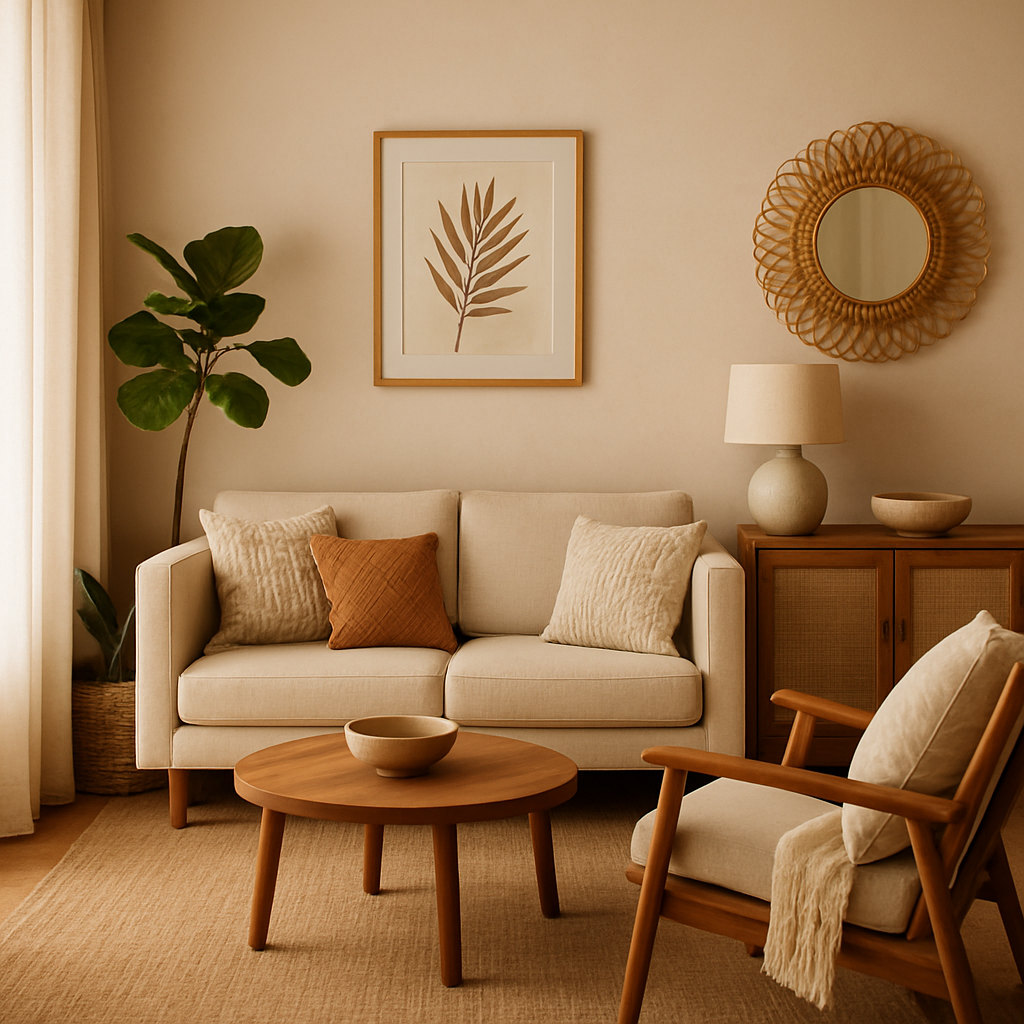
Nestled in the heart of Surrey, Weybridge has long been recognized as a community where architectural heritage meets contemporary sophistication. But what are the design movements currently shaping the interiors of this affluent riverside town, and how can homeowners tap into them without sacrificing the character that makes Weybridge properties so distinctive? The local design scene reflects a fascinating convergence of global influences and regional sensibility, where quiet luxury sits comfortably alongside practical family living and where period features are reimagined through a modern lens. The American Society of Interior Designers (ASID) reports that homeowners in affluent commuter towns increasingly seek interiors that balance cosmopolitan polish with a sense of rooted, place-specific identity. This guide explores six defining trends in Weybridge interior design, providing actionable insights for homeowners who want their spaces to feel both current and authentically connected to their surroundings. From biophilic living to smart home integration, these are the movements reshaping the most admired homes in the area.
Biophilic Living Rooms That Connect Indoors and Out
Weybridge's proximity to the River Wey, Brooklands, and expansive green spaces has made biophilic design a natural fit for local homeowners. This trend goes well beyond adding houseplants to a shelf. It involves fundamentally rethinking how interior spaces relate to the landscape outside, using large-format glazing, natural material palettes, and organic forms to dissolve the visual barrier between home and garden. In period properties, this might mean replacing a solid rear wall with steel-framed crittal doors that flood a kitchen-dining space with garden views. In newer builds, it could involve designing living rooms around internal courtyards planted with native Surrey species. The International Interior Design Association (IIDA) has documented that biophilic environments can reduce reported stress levels by up to fifteen percent, a benefit that resonates strongly with commuters returning from London to their Weybridge sanctuaries.
Material choices in biophilic Weybridge interiors tend to favor authenticity and tactile richness. Locally sourced sandstone, reclaimed timber from Surrey barn conversions, and hand-thrown ceramics from regional artisans all contribute to interiors that feel grounded in their geographic context. Flooring is a particularly important element, with many homeowners opting for wide-plank engineered oak in tones that echo the woodland floors of nearby Painshill Park. These materials bring warmth and texture that synthetic alternatives cannot replicate, and they develop a patina over time that adds character rather than showing wear. The sensory experience of walking barefoot across real timber or resting a hand on a cool stone surface connects occupants to the natural world in small but meaningful ways throughout the day.
Water features have gained significant popularity in Weybridge biophilic interiors, perhaps inspired by the town's relationship with the river. Indoor water walls, recirculating stone fountains positioned in entrance halls, and even small interior ponds set beneath glass floors create auditory and visual connections to water that transform the atmosphere of a home. Have you noticed how the gentle sound of flowing water can shift your emotional state within moments of entering a space? Weybridge designers are leveraging this effect with increasing sophistication, integrating water elements into schemes that complement rather than overpower the broader design narrative. Combined with carefully positioned indoor plants and natural daylight, these water features contribute to living environments that feel restorative and deeply connected to the natural landscape.
Japandi Aesthetics in Surrey Period Properties
The Japandi movement, which synthesizes Japanese minimalism with Scandinavian warmth, has found an unexpectedly harmonious home within Weybridge's stock of Victorian and Edwardian properties. At first glance, pairing a pared-back Japanese aesthetic with the ornamental detailing of a period home might seem contradictory, but skilled local designers are demonstrating that the two traditions share more common ground than one might assume. Both value craftsmanship, natural materials, and a sense of calm order. In a Weybridge context, this translates into period rooms where original ceiling roses and cornicing are retained but walls are kept in muted, earth-toned neutrals, furniture is low-profile and minimal, and decorative objects are few but carefully chosen for their artisanal quality.
Functionality sits at the heart of the Japandi approach, which aligns perfectly with the practical needs of Weybridge families. Storage solutions are concealed within clean-lined joinery, often designed to match wall finishes so that they virtually disappear. Entryways are reimagined with Japanese-inspired genkan concepts, providing dedicated zones for shoes, coats, and bags that prevent clutter from migrating into living spaces. Kitchen designs in this style favor handleless cabinetry in natural timber tones, integrated appliances hidden behind uniform panels, and uncluttered countertops where only essential objects are visible. Professionals holding NCIDQ certification frequently advocate for this kind of disciplined spatial organization, noting that it contributes measurably to the sense of calm that homeowners consistently say they want their homes to provide.
The color palette of Weybridge Japandi interiors draws from a deliberately constrained range. Warm whites, soft mushroom greys, sage greens, and charcoal accents create a tonal environment that feels sophisticated without being stark. Natural timber tones, whether in flooring, furniture, or architectural joinery, provide warmth within this restrained palette. Textile layers add depth through texture rather than pattern, with linen, bouclé, and undyed wool appearing frequently across cushions, throws, and upholstered seating. What would it feel like to come home after a demanding day and step into a space where every surface, every texture, and every object has been chosen to promote stillness? That is precisely the promise of the Japandi trend as it is being interpreted in Weybridge homes, and its popularity shows no signs of diminishing.
Smart Home Integration Without Aesthetic Compromise
Weybridge homeowners, many of whom work in London's technology and finance sectors, have been early adopters of smart home technology. However, the current trend is decisively away from visible gadgetry and toward seamless architectural integration. Thermostats, lighting controls, and audio systems are now expected to be either invisible or designed as objects of beauty in their own right. Flush-mounted keypads that match wall finishes, under-cabinet lighting controlled via smartphone apps, and whole-house audio systems with speakers concealed within ceilings represent the standard that discerning Weybridge homeowners now demand. Professional interior designers in the area, whose fees typically range from $150 to $500 per hour, work closely with home automation specialists to ensure that every technological element serves the design scheme rather than disrupting it.
Automated lighting has become one of the most impactful smart home features in Weybridge interiors. Circadian lighting systems that adjust color temperature throughout the day, shifting from cool, energizing tones in the morning to warm, relaxing hues in the evening, are increasingly specified in high-end residential projects. These systems support natural sleep-wake cycles and can be programmed to complement the changing quality of natural daylight that enters a room through its windows. Platforms like Houzz report that automated lighting consistently ranks among the top three smart home features that homeowners would install again, reflecting its tangible impact on daily comfort and wellbeing. When combined with motorized window treatments that respond to sunlight levels, the result is a home that intelligently manages its own light environment.
Security and privacy technologies are also being integrated with greater design sensitivity in Weybridge properties. Camera doorbells and security cameras are available in designs that complement period hardware finishes, and internal security keypads are being replaced by biometric systems that require no visible hardware at all. Smart lock systems allow homeowners to grant temporary access to cleaners, tradespeople, or family members without distributing physical keys. How much simpler would your daily routine become if your home anticipated your arrival, adjusting lighting, temperature, and music before you even stepped through the door? This level of responsive, personalized automation is becoming the norm in Weybridge's most thoughtfully designed homes, proving that technology and aesthetic integrity can coexist when both are given equal priority in the design process.
Quiet Luxury and the Art of Understated Refinement
The quiet luxury movement has found a particularly receptive audience in Weybridge, where understated wealth and refined taste have long been cultural hallmarks. In design terms, quiet luxury manifests as an emphasis on material quality over decorative excess. It appears in the weight and drape of full-length linen curtains, the precision of bespoke joinery where panels meet without visible gaps, and the richness of hand-finished plaster walls that carry a subtle texture impossible to achieve with standard paint applications. A recent survey by AD PRO found that seventy-eight percent of high-net-worth homeowners now prefer understated interiors over visually opulent ones, a statistic that aligns closely with the aesthetic preferences evident across Weybridge's most admired properties.
Kitchen and bathroom design in Weybridge particularly exemplifies the quiet luxury trend. Kitchens feature thick-slab natural stone countertops, often in honed rather than polished finishes to avoid excessive shine. Cabinetry is custom-built with soft-close mechanisms and interior fittings designed to organize every utensil and ingredient. Bathrooms showcase freestanding stone bathtubs, walk-in rainfall showers with frameless glass enclosures, and vanity units crafted from solid timber with natural stone tops. Every element communicates quality through its material integrity and the precision of its construction rather than through logos, gilding, or overtly decorative flourishes. This is luxury that rewards close inspection rather than demanding attention from across the room.
Furniture selection within the quiet luxury framework prioritizes investment pieces with proven longevity over trend-driven purchases. A hand-built English sofa upholstered in premium fabric, designed to be re-covered and enjoyed for decades, represents the kind of purchasing philosophy that defines this approach. Dining tables crafted from single slabs of sustainably sourced hardwood, chairs with frames joined using traditional mortise-and-tenon techniques, and lighting fixtures made by named artisan studios all contribute to interiors that accumulate value and meaning over time. Have you ever sat in a chair so perfectly proportioned that you forgot you were sitting in it? That invisible comfort, that sensation of effortless support, is the hallmark of quiet luxury furniture and the kind of experience that Weybridge homeowners increasingly prioritize above all else.
Maximizing Natural Light in Weybridge Properties
Natural light has always been a prized commodity in British homes, and Weybridge designers are developing increasingly sophisticated strategies to capture, distribute, and celebrate daylight within residential interiors. South-facing rooms are treated as premium spaces and designed to make the most of their orientation, often with enlarged window openings, minimal window treatments, and light-reflective surface finishes. North-facing rooms, which receive cooler, more diffused light, are embraced for their particular qualities rather than treated as problems to solve, with designers choosing warmer wall tones and strategic mirror placement to enhance the gentle illumination these spaces naturally provide.
Roof glazing has become a transformative element in many Weybridge renovations. Flat rooflights over kitchen extensions, glazed lantern roofs above dining areas, and ridge-line skylights in loft conversions all serve to dramatically increase the volume of natural light entering a home. When positioned directly above key living areas, these overhead light sources create a quality of illumination that vertical windows cannot replicate, washing walls and floors with diffused daylight that changes character throughout the day. The ASID has noted that properties with optimized natural light strategies consistently achieve higher valuations and faster sales, a commercial benefit that complements the daily experiential advantages of living in a light-filled home.
Internal glazing is another technique gaining popularity in Weybridge interiors. Glass partitions between hallways and adjacent rooms, glazed internal doors, and even glass floors above basement extensions allow borrowed light to penetrate deep into floor plans that might otherwise rely heavily on artificial illumination. These elements maintain visual and acoustic separation between spaces while permitting light to flow freely, a particularly valuable strategy in period properties where solid internal walls can create dark corridors and enclosed rooms. What if your hallway, traditionally the darkest space in your home, could be flooded with natural light borrowed from surrounding rooms? Internal glazing makes this transformation possible without compromising the structural integrity or spatial definition of your floor plan.
Sustainable Design Practices Gaining Ground Locally
Sustainability has moved from a niche concern to a mainstream priority in Weybridge interior design, driven by both environmental awareness and a practical desire for homes that perform efficiently over the long term. Local designers are specifying materials with verified environmental credentials, favoring suppliers who can demonstrate responsible sourcing, low-carbon manufacturing processes, and end-of-life recyclability. Reclaimed materials, particularly timber, brick, and stone salvaged from local demolition projects, are prized for their aesthetic character and their minimal environmental footprint. The IIDA has positioned sustainable practice as a core competency for modern interior designers, and Weybridge professionals are responding by building sustainability assessments into their standard project workflows.
Energy efficiency in Weybridge homes extends well beyond insulation and glazing specifications. Interior design choices, from the thermal mass of flooring materials to the reflective properties of wall finishes, play a measurable role in a home's overall energy performance. Natural stone and concrete floors, for instance, absorb solar heat during the day and release it gradually during cooler evening hours, reducing reliance on mechanical heating systems. Light-colored wall finishes reduce the need for artificial lighting during daylight hours. Even furniture placement can affect energy performance, with poorly positioned seating potentially blocking radiator output or obstructing natural ventilation paths. Thoughtful interior design, informed by an understanding of building physics, can contribute meaningfully to a home's operational efficiency and long-term running costs.
The circular economy concept is influencing how Weybridge homeowners approach furniture and decorative purchasing. Rather than discarding pieces when tastes change, there is growing interest in reupholstering existing furniture, refinishing timber surfaces, and commissioning local craftspeople to adapt or modify items for new contexts. Vintage and antique furniture, sourced from local dealers or auction houses, is valued both for its environmental credentials and its design character. This approach aligns naturally with the quiet luxury ethos, since well-made older pieces often exhibit a quality of construction and material that contemporary mass-produced alternatives cannot match. Do you own furniture with the structural integrity to be reupholstered and enjoyed for another generation? If so, restoring rather than replacing may be the most design-forward and environmentally responsible choice you can make.
Conclusion: Your Weybridge Interior Design Journey
The interior design landscape in Weybridge reflects a community that values quality, authenticity, and thoughtful innovation in equal measure. From biophilic living rooms that blur the boundary between home and garden to Japandi aesthetics that bring calm discipline to period properties, from seamlessly integrated smart technology to the enduring appeal of quiet luxury, these trends offer a rich palette of possibilities for homeowners ready to invest in their living environments. Sustainability and natural light optimization add practical dimensions that ensure your design choices deliver tangible benefits alongside aesthetic pleasure. The trends explored in this guide are not mutually exclusive; the most successful Weybridge interiors weave multiple influences together into schemes that feel coherent, personal, and deeply suited to their architectural context. Whether you are planning a comprehensive renovation or looking to refresh a single room, consider engaging a designer accredited through the ASID or NCIDQ who understands the specific character of Weybridge properties and can help you navigate these trends with confidence and creativity.
More Articles You May Like



Comments
Post a Comment